Old Fashioned Pumpkin Bread: Baker’s Secret to Timeless Autumn Perfection
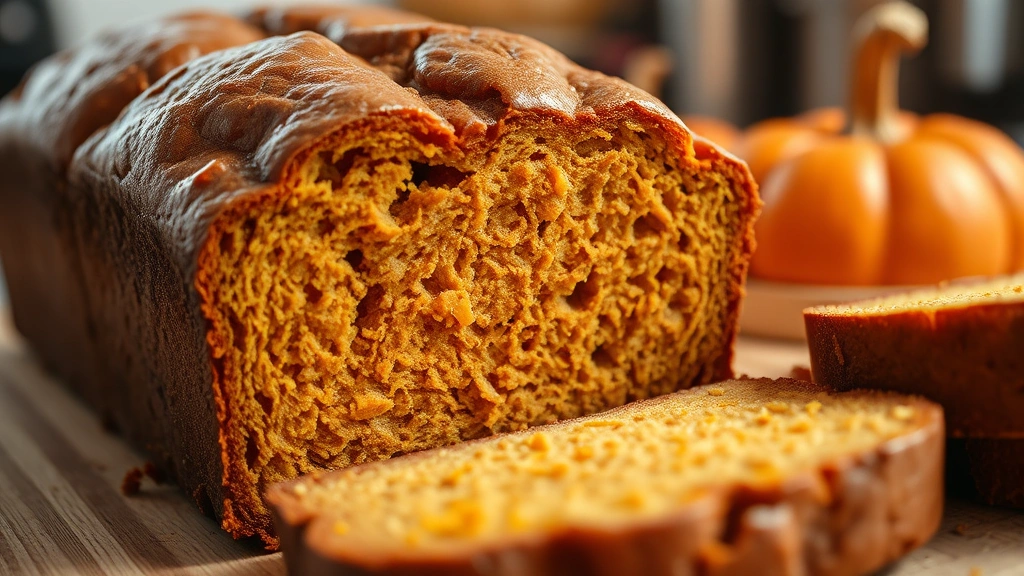
There’s something undeniably magical about the aroma of freshly baked old fashioned pumpkin bread wafting through your kitchen during autumn months. This classic treat transcends generations, connecting us to cherished family traditions and simpler times when baking was both an art form and a labor of love. Just as finding your personal style requires understanding timeless elements mixed with modern touches, mastering the perfect pumpkin bread recipe demands respect for traditional techniques while embracing baker’s secrets that elevate it from ordinary to extraordinary.
The beauty of old fashioned pumpkin bread lies in its versatility and accessibility. Whether you’re a seasoned baker or someone picking up a whisk for the first time, this recipe welcomes all skill levels with open arms. The combination of warm spices, moist pumpkin puree, and perfectly balanced sweetness creates a bread that’s simultaneously comforting and sophisticated—much like how different fashion styles can be both approachable and refined.
In this comprehensive guide, we’ll explore the baker’s secrets that transform a simple recipe into something truly memorable. From ingredient selection to baking techniques, you’ll discover how professional bakers achieve that perfect crumb structure, moist interior, and golden-brown exterior that makes everyone ask for your recipe.
Understanding the Foundation: Quality Ingredients
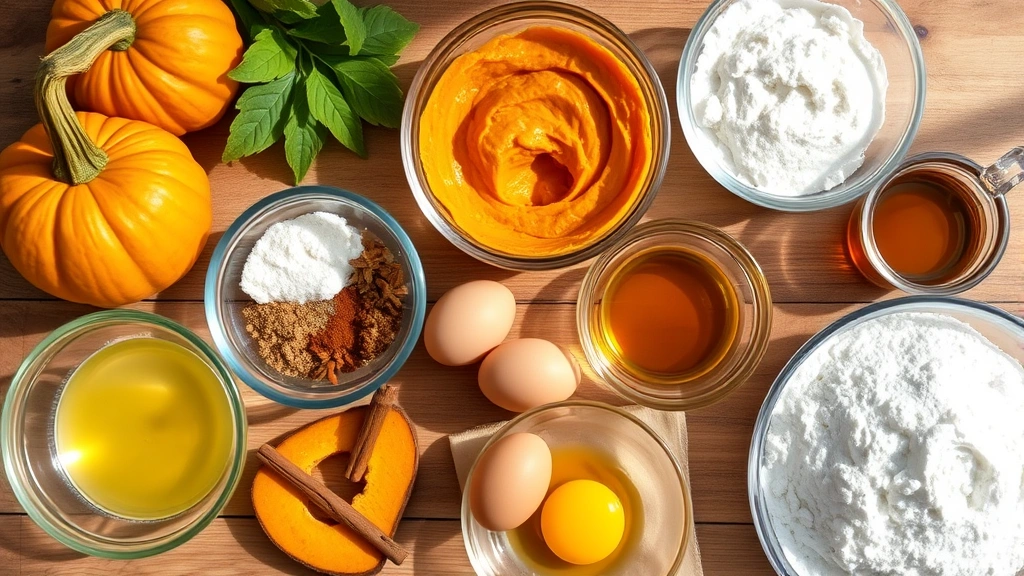
The foundation of exceptional old fashioned pumpkin bread begins with understanding each ingredient’s role in the final product. Professional bakers know that ingredient quality directly impacts flavor depth and texture. Let’s break down what makes each component essential.
Pumpkin Puree Selection: This is non-negotiable. Use pure pumpkin puree, not pumpkin pie filling. The difference is significant—pie filling contains added sugars and spices that will throw off your carefully balanced recipe. Look for canned pumpkin puree with a single ingredient listed: pumpkin. Better yet, make your own by roasting fresh pumpkin, pureeing it, and straining excess moisture. Homemade puree delivers superior flavor complexity and allows you to control the moisture content precisely.
Flour Considerations: All-purpose flour is your standard choice, but consider the protein content. Flours with 10-12% protein create tender crumbs. Some bakers blend all-purpose flour with a small percentage of cake flour for an even more delicate texture. Ensure your flour is fresh—old flour loses its binding power and can result in dense, crumbly bread.
Sugar Balance: Traditional recipes use both granulated and brown sugar. Granulated sugar provides structure and helps achieve that desirable slightly crispy exterior, while brown sugar contributes moisture and deep molasses notes. The ratio matters—typically 1 cup granulated to ¾ cup brown sugar creates optimal results.
Eggs and Oil: Use room temperature eggs for better emulsification, which creates a more uniform crumb. Vegetable oil (not butter) is the secret weapon here. Oil creates a moister, more tender bread than butter because it doesn’t solidify when cooled. The fat coats flour particles more effectively, resulting in that coveted tender crumb that stays moist for days.
Leavening Agents: The combination of baking soda and baking powder is crucial. Baking soda reacts with acidic ingredients (like brown sugar and spices), while baking powder provides additional lift. Using both creates better rise and a lighter texture. Always check expiration dates—expired leavening agents won’t provide adequate lift.
The Spice Profile: Creating Signature Warmth
What separates memorable pumpkin bread from forgettable versions is the spice profile. This is where bakers truly distinguish their creations, much like how fashion types are defined by their distinctive characteristics.
The Essential Spice Blend: Traditional old fashioned pumpkin bread relies on cinnamon, nutmeg, cloves, and ginger. The proportions are critical. A typical recipe uses 1½ teaspoons cinnamon, ½ teaspoon nutmeg, ¼ teaspoon cloves, and ¼ teaspoon ginger. However, professional bakers often adjust these ratios based on spice freshness and personal preference.
Spice Freshness Matters: Ground spices lose potency over time. Check your spice cabinet—if those containers have been there for years, they’re likely contributing dull flavors rather than vibrant warmth. Freshly ground spices make an extraordinary difference. Consider purchasing whole spices and grinding them yourself. A simple spice grinder or mortar and pestle transforms your baking results dramatically.
Toasting Technique: Here’s a baker’s secret many home cooks miss: lightly toast your spices before adding them to the batter. Heat a dry skillet over medium heat for 30 seconds, add your spices, and toast for another 30 seconds until fragrant. This blooming technique intensifies flavors and creates more complex, rounded spice notes. The aroma alone will tell you this step matters.
Optional Enhancements: Some bakers add a pinch of cardamom or allspice for depth. Others include a small amount of black pepper to enhance spice perception. Vanilla extract (1 teaspoon) adds subtle sweetness and complexity. These additions won’t be identifiable as separate flavors but will create a more sophisticated, layered spice profile that keeps people coming back.
Moisture Management: The Baker’s Secret Weapon
Achieving that perfect moist-but-not-soggy texture is where amateur bakers struggle and professionals excel. Understanding moisture dynamics is essential for consistent results.
Pumpkin Puree Preparation: If your pumpkin puree seems watery, strain it through cheesecloth for 15-30 minutes before using. Excess moisture creates dense, soggy bread. Conversely, overly dry puree can result in crumbly texture. The ideal consistency is thick but spreadable.
The Oil-to-Egg Ratio: Using more oil than eggs creates moisture retention without heaviness. A typical ratio is ⅔ cup oil to 2 eggs. This balance ensures the bread stays moist for days while maintaining a tender crumb structure. The oil molecules form a protective barrier around flour particles, slowing staling.
Sour Cream Addition: Professional bakers often add 2-3 tablespoons of sour cream or Greek yogurt to the batter. This addition contributes moisture, creates tender crumbs through its acidic content, and adds subtle tanginess that enhances the pumpkin flavor. This is a game-changing addition that separates good pumpkin bread from exceptional pumpkin bread.
The Water Test: Insert a toothpick into the bread’s center during the last 5 minutes of baking. It should have a few moist crumbs clinging to it, not be completely clean. This indicates you’ve hit the perfect baking point—moist interior without underbaking.
Preparation Techniques That Matter
The way you prepare ingredients and combine them significantly impacts final results. Understanding these techniques connects to broader culinary principles, similar to how Style Loom Daily Blog explores how foundational style principles create lasting impact.
Room Temperature Ingredients: Cold ingredients don’t incorporate smoothly, creating lumpy batter with uneven crumb structure. Remove eggs and any dairy from the refrigerator 30 minutes before baking. Room temperature ingredients emulsify better, creating a uniform batter that bakes evenly.
Proper Mixing Method: Use the creaming method: combine oil and sugars first, beating until well combined. This distributes fat throughout the sugar crystals, which creates better structure. Add eggs one at a time, ensuring full incorporation before adding the next. This gradual approach creates a stable emulsion.
Dry Ingredient Sifting: Sift flour, baking soda, baking powder, salt, and spices together twice. This aerates the flour, distributes leavening agents evenly, and combines spices uniformly. Uneven distribution of baking soda creates bitter spots where it’s concentrated.
Gentle Folding: When combining wet and dry ingredients, use a spatula and fold gently. Overmixing develops gluten, creating tough, dense bread. Mix just until dry ingredients disappear. A few small lumps are perfectly acceptable and preferable to overmixing.
Pan Preparation: Properly prepare your loaf pans. Grease them thoroughly, then line the bottom with parchment paper. This ensures easy removal and prevents sticking. Some bakers prefer to grease, flour, and line—this triple preparation guarantees perfect release.
Baking Science and Perfect Timing
Understanding what happens during baking transforms you from someone following instructions to someone who truly understands the process.
Oven Temperature Accuracy: Invest in an oven thermometer. Many home ovens run 25-50 degrees off their displayed temperature. Baking is chemistry—accurate temperature is non-negotiable. Most pumpkin bread bakes at 350°F for 55-65 minutes. Ovens that run hot produce overdone exteriors with underbaked centers. Ovens that run cool result in pale, underbaked bread.
The Maillard Reaction: This chemical reaction between amino acids and sugars creates the golden-brown color and complex flavors we love. It occurs most effectively between 300-330°F. Lower temperatures don’t develop adequate color; higher temperatures can burn the exterior before the interior bakes.
Doneness Testing: Use multiple indicators. A toothpick inserted in the center should have moist crumbs (not wet batter). The bread should spring back slightly when gently pressed. The top should be deep golden brown. An instant-read thermometer inserted in the center should register 200-205°F. When multiple indicators align, your bread is perfectly baked.
Cooling Process: Allow bread to cool in the pan for 10-15 minutes. This sets the structure. Then turn it out onto a wire rack to cool completely. Cooling in the pan too long creates condensation that makes the bottom soggy. Cooling on the rack prevents this issue.
The Resting Period: Here’s a secret professional bakers know: pumpkin bread actually improves after 24 hours. The flavors meld, and the texture becomes more uniform. If possible, wrap your cooled bread and let it rest overnight before slicing. The improvement is remarkable.
Storage and Serving Suggestions
Proper storage extends your bread’s shelf life and maintains quality, similar to how proper fashion style choices maintain their impact through proper care.
Room Temperature Storage: Wrapped tightly in plastic wrap or stored in an airtight container, pumpkin bread stays fresh at room temperature for 3-4 days. The oil content slows staling, keeping the bread moist longer than typical quick breads.
Refrigerator Storage: For extended freshness, store in the refrigerator for up to 1 week. The cool temperature slows mold growth and maintains moisture. Bring to room temperature before serving for best flavor and texture.
Freezer Storage: Pumpkin bread freezes beautifully for up to 3 months. Wrap cooled bread tightly in plastic wrap, then aluminum foil. Label with the date. Thaw at room temperature for 2-3 hours before serving. You can also freeze individual slices for convenient portioning.
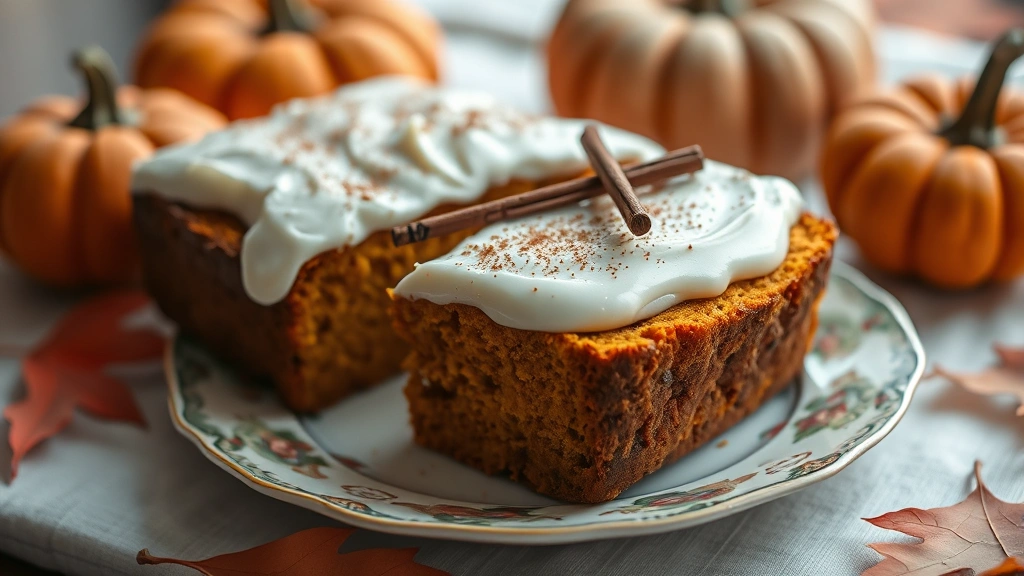
Serving Suggestions: Enjoy pumpkin bread plain, with a light dusting of cinnamon sugar, or with cream cheese frosting. Lightly toast day-old slices for enhanced flavor. Serve with coffee, tea, or hot cider. Pumpkin bread pairs beautifully with soft cheeses and makes an impressive gift when wrapped attractively.
Variations and Creative Twists
Once you’ve mastered the classic recipe, explore variations that keep the tradition fresh while honoring its foundation. This mirrors how fashion history shows how classic styles evolve while maintaining their essential character.
Nutty Additions: Add ½ to 1 cup chopped walnuts, pecans, or candied walnuts to the batter. Nuts add textural interest and complement the spice profile beautifully. Toast nuts before adding for enhanced flavor.
Chocolate Integration: Fold in ½ cup mini chocolate chips or chunks. The chocolate adds richness and creates delightful flavor combinations with warm spices. Some bakers prefer dark chocolate for its sophisticated notes.
Streusel Topping: Create a simple streusel with ¼ cup oats, ¼ cup brown sugar, 2 tablespoons melted butter, and ¼ teaspoon cinnamon. Sprinkle over batter before baking for added texture and visual appeal.
Cream Cheese Swirl: Mix 4 ounces softened cream cheese with 2 tablespoons sugar and ½ teaspoon vanilla. Swirl into batter before baking for marbled effect and tangy flavor contrast.
Healthier Modifications: Substitute up to ¼ of the all-purpose flour with whole wheat flour or oat flour. Replace some sugar with unsweetened applesauce. Use Greek yogurt instead of sour cream for added protein. These modifications work well while maintaining the bread’s essential character.
Spiced Glaze Finish: Create a simple glaze with 1 cup powdered sugar, 2-3 tablespoons milk, and ¼ teaspoon cinnamon. Drizzle over cooled bread for elegant presentation and subtle sweetness.
FAQ
Why is my pumpkin bread dense and heavy?
Dense pumpkin bread typically results from overmixing (which develops gluten), expired leavening agents, or incorrect oven temperature. Ensure you mix just until dry ingredients disappear, use fresh baking soda and powder, and verify your oven temperature with a thermometer.
Can I use fresh pumpkin instead of canned?
Absolutely! Roast fresh pumpkin, puree it, and strain through cheesecloth for 30 minutes to remove excess moisture. Fresh pumpkin delivers superior flavor. Sugar pumpkins work better than carving pumpkins, which are more watery.
Why does my pumpkin bread have a gummy center?
Underbaking causes gummy centers. Ensure your oven runs at the correct temperature and bake for the full recommended time. Use the toothpick test and temperature check to verify doneness.
How far in advance can I make pumpkin bread?
Prepare batter up to 2 hours ahead, storing it in the refrigerator. Baked bread improves with 24 hours of resting, so baking a day ahead is ideal. Frozen bread keeps for up to 3 months.
What’s the best way to gift homemade pumpkin bread?
Wrap cooled bread in parchment paper, then tie with twine or ribbon. Include a label with ingredients (helpful for those with allergies) and storage instructions. Homemade bread makes a thoughtful, personal gift.
Can I make pumpkin bread in muffin tins?
Yes! Pumpkin bread works beautifully as muffins. Reduce baking time to 18-22 minutes at 350°F. Check for doneness with a toothpick. Muffins offer convenient portioning and make excellent grab-and-go treats.
Why is my pumpkin bread dry?
Overbaking, insufficient oil, or dry pumpkin puree causes dry bread. Ensure you’re using the correct oil-to-egg ratio, don’t overbake, and add sour cream for additional moisture. Store cooled bread wrapped to prevent further moisture loss.