Can Vintage Clothes Be Modern? Designer Insights on the Old Fashion Mix
The fashion world has witnessed a profound shift in recent years, one that challenges the traditional notion that style must be contemporary to be relevant. Vintage clothing—garments from decades past—has transcended its thrift-store origins to become a cornerstone of modern fashion discourse. But can truly old pieces work in today’s aesthetic landscape? Leading designers and style experts are resounding with a definitive yes, and they’re reshaping how we understand the relationship between heritage and innovation.
This evolution represents more than a nostalgic trend. It’s a fundamental reimagining of fashion itself, where the fashion style hierarchy has been inverted. Vintage isn’t simply acceptable—it’s aspirational. From haute couture runways to street style movements, the old fashion mix has become the blueprint for authentic, individualistic dressing that resonates with conscious consumers and style pioneers alike.
The Designer Perspective on Vintage
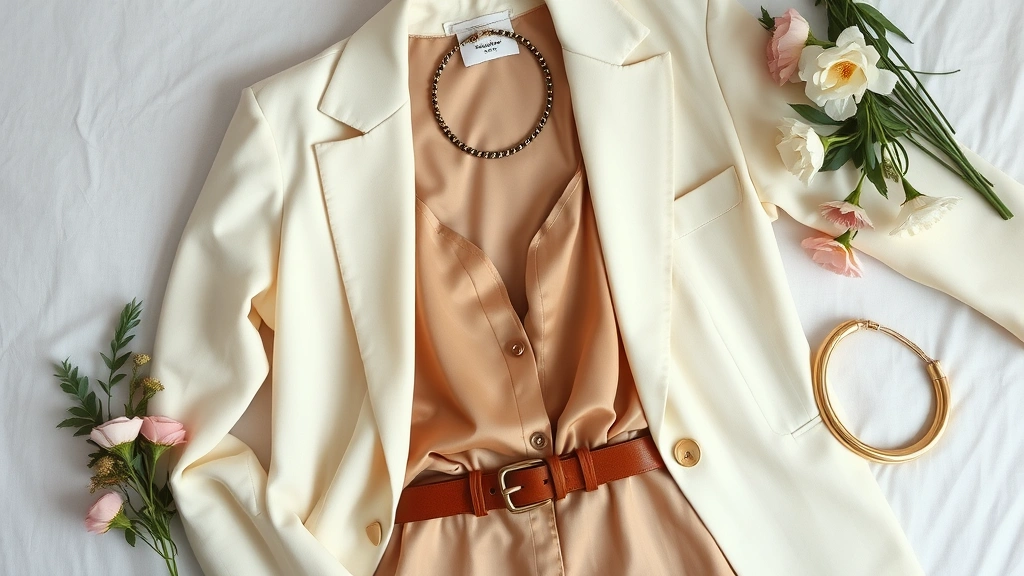
Contemporary fashion designers have embraced vintage with unprecedented enthusiasm. Rather than viewing heritage pieces as competition, they’ve recognized them as collaborative partners in storytelling. Vogue has extensively documented how luxury brands now actively incorporate vintage inspiration into their collections, and how designers themselves raid vintage archives for silhouettes, construction techniques, and color palettes.
The genius lies in understanding that vintage clothing embodies something mass production cannot easily replicate: intentionality. Each piece carries the fingerprints of its era—the quality of fabrics, the precision of seaming, the boldness of design choices made before algorithmic trend prediction. Designers like Demna Gvasalia of Balenciaga and Miuccia Prada have built entire collections around the principle that how to find your personal style often means looking backward to move forward.
What makes this perspective revolutionary is the rejection of the “fast fashion” mentality. Vintage pieces represent an alternative economy where longevity trumps novelty. A 1970s Halston dress isn’t modern because it’s been altered—it’s modern because it represents values that contemporary fashion is only now rediscovering: sustainability, quality, and timeless design.
Industry insiders from The Fashion Spot have noted that luxury houses increasingly feature vintage collaboration in their marketing strategies. This isn’t accidental. It’s a deliberate positioning that acknowledges vintage’s cultural capital and its appeal to discerning consumers who value authenticity over trend cycles.
How Vintage Pieces Create Modern Narratives
The magic of incorporating vintage into contemporary wardrobes lies in the narrative power it possesses. When you wear a garment from another era, you’re not simply wearing fabric and thread—you’re embodying a story, a history, a different moment’s perspective on beauty and functionality. This storytelling aspect is what transforms vintage from nostalgic to genuinely modern.
Consider the power of a 1990s slip dress paired with combat boots and a oversized leather jacket. That combination didn’t exist as a coherent aesthetic in its original moment; it’s a modern invention, a remix that creates new meaning through juxtaposition. This is the essence of fashion types evolution—not wholesale replacement but creative synthesis.
Modern styling is increasingly about curation and personal narrative rather than adherence to seasonal collections. A vintage Chanel jacket from the 1980s becomes contemporary when paired with modern minimalist pieces. A 1950s full skirt becomes cutting-edge when styled with a transparent top and sneakers. The vintage piece serves as an anchor point, and contemporary items provide context and freshness.
Designers recognize that vintage pieces offer something invaluable: individuality. In an era of Instagram aesthetics and algorithmic fashion recommendations, wearing truly vintage garments guarantees that your outfit won’t appear in a thousand other feeds. This exclusivity, paradoxically, makes vintage feel more modern than anything currently produced on mass scale.
The NYC Fashion Week 2025 presentations have increasingly featured vintage elements, with designers explicitly crediting their inspiration to specific eras and pieces. This institutional validation has transformed vintage from a budget-conscious choice into a mark of sophisticated taste and creative confidence.
Styling Strategies for Blending Eras
Successfully merging vintage with modern requires understanding the principles that make such combinations work. The first principle is proportion play. If your vintage piece is voluminous or dramatically silhouetted, balance it with fitted modern pieces. A 1970s wide-leg trouser pairs beautifully with a slim, contemporary top. Conversely, a fitted vintage piece can be loosened with oversized modern layers.
The second principle involves color and texture contrast. Vintage pieces often feature colors and patterns that feel distinctly of their time. Rather than trying to hide this, lean into it. Pair a vintage floral or geometric print with modern neutrals. Use texture opposition—a glossy vintage satin blouse with matte modern trousers, or a delicate vintage lace top with sturdy contemporary denim.
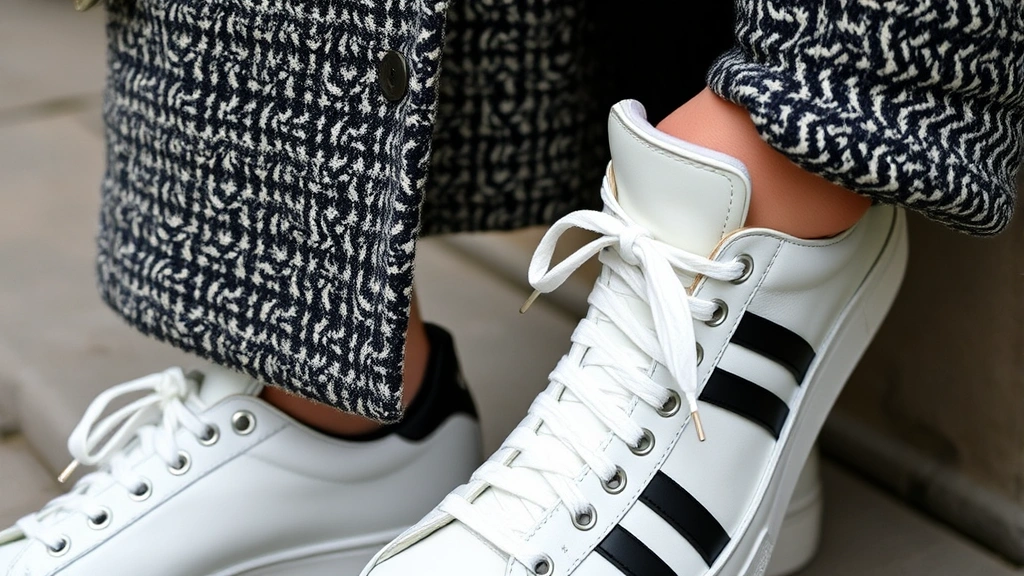
Third, consider mixing formality levels. This is where the old fashion mix truly shines. A formal vintage blazer with casual modern jeans and sneakers creates an intriguing tension that feels fresh and intentional. A delicate vintage slip dress layered over a modern graphic tee transforms both pieces into something neither could achieve alone.
The men’s fashion casual sphere has been particularly innovative in this regard. A vintage band tee becomes contemporary when paired with tailored modern trousers and designer sneakers. A 1990s oversized blazer feels current when styled with fitted modern pieces and minimal accessories.
Accessory strategy is equally important. Modern accessories can ground a vintage look, while vintage accessories can elevate a contemporary outfit. A vintage handbag with modern clothing, or modern jewelry with vintage pieces, creates intentional dialogue between eras rather than appearing accidental.
The Sustainability Connection
Perhaps the most compelling reason vintage has become genuinely modern is the sustainability imperative. Fashion’s environmental impact has become impossible to ignore, and vintage clothing represents an elegant solution to overconsumption. Wearing vintage is inherently sustainable—it extends a garment’s lifecycle, reduces demand for new production, and eliminates manufacturing waste.
This isn’t merely an ethical choice; it’s become a status symbol. Wearing vintage signals awareness, sophistication, and alignment with progressive values. For younger consumers particularly, style loom daily blog communities and fashion discourse increasingly celebrate vintage as the ultimate form of conscious consumption.
Designers have responded to this shift by creating collections that intentionally reference vintage while using sustainable modern materials. Some luxury houses now incorporate deadstock fabrics and upcycled materials into designs that echo vintage silhouettes. This hybrid approach—vintage aesthetics with contemporary sustainability practices—represents the future of fashion.
The circular economy has become central to fashion’s narrative. Vintage clothing is the ultimate circular garment: it’s been worn, discarded, discovered, and given new life. This cycle has inherent beauty that resonates with modern consciousness. It’s why vintage shopping has transformed from budget necessity to aspirational activity, featured prominently in Fashion Magazine and celebrated by style authorities worldwide.
Celebrity and Influencer Impact
The transformation of vintage from practical to prestigious has been significantly accelerated by celebrity adoption and influencer endorsement. When Timothée Chalamet wears a vintage Valentino piece on the red carpet, or when Zendaya incorporates vintage finds into her street style, it sends a powerful message: vintage is not a compromise—it’s a choice made by those with access to anything.
This cultural shift cannot be overstated. Vintage was historically associated with scarcity and budget constraints. Now, it’s associated with taste, knowledge, and discernment. An influencer who can source and style a perfect vintage piece demonstrates more fashion intelligence than someone simply wearing the latest seasonal collection.
Social media has democratized vintage discovery while simultaneously elevating its cultural status. Vintage fashion communities on Instagram and TikTok have become spaces where styling ideas are shared, pieces are celebrated for their craftsmanship, and the old fashion mix is treated as a legitimate art form. These platforms have made vintage knowledge accessible while maintaining its aspirational quality.
The impact extends to luxury retail. High-end consignment platforms and vintage-focused luxury retailers have proliferated, with major fashion houses occasionally creating vintage collaboration collections. This institutional embrace validates what consumers have long understood: vintage isn’t a secondary market—it’s a primary one.
Curating Your Vintage Wardrobe
For those ready to embrace vintage as a modern styling tool, curation is essential. Rather than randomly acquiring pieces, approach vintage shopping with intention. Identify eras that speak to you—perhaps the structured silhouettes of the 1950s, the bohemian ease of the 1970s, or the minimalist precision of the 1990s.
Quality is paramount. Examine construction, fabric content, and condition carefully. Vintage pieces should enhance your wardrobe through their superiority, not diminish it through damage or wear. A well-made vintage piece will often outlast contemporary fast-fashion alternatives, justifying its investment.
Build around key anchor pieces. A perfectly fitting vintage jacket, a beautiful vintage dress, or well-constructed vintage trousers can serve as the foundation for multiple outfits. These anchors give you a starting point for building modern combinations that feel cohesive rather than chaotic.
Consider your personal style framework. If you’re drawn to fashion style that’s minimalist, seek vintage pieces in neutral tones with clean lines. If your aesthetic is maximalist, look for vintage pieces with bold colors and patterns. The goal is curation that feels authentic to who you are, not a costume of another era.
Storage and care matter tremendously. Vintage pieces require appropriate maintenance—acid-free storage, gentle cleaning, and sometimes professional care. This investment in preservation honors both the garment’s history and your commitment to sustainable fashion.
FAQ
Is it ever inappropriate to wear vintage clothes?
Context matters. While vintage is broadly acceptable in contemporary fashion, extremely formal occasions might call for modern formal wear unless you’re confident styling vintage pieces with appropriate modern elements. Business settings vary—some embrace vintage, others prefer contemporary professional dress. The key is intentionality and confidence in your styling choices.
How do I find quality vintage pieces?
Develop relationships with vintage retailers who specialize in your preferred era. Learn to identify quality construction by examining seams, fabric weight, and finishing details. Online platforms like Vestiaire Collective and 1stDibs offer authenticated vintage pieces, while local vintage shops often provide unique finds and the opportunity to examine items in person.
Can men wear vintage successfully?
Absolutely. Men’s fashion casual has embraced vintage enthusiastically. Vintage band tees, blazers, denim, and accessories work beautifully when styled with modern pieces. Men’s vintage often offers superior construction quality compared to contemporary options, making it both stylish and practical.
How do I avoid looking like I’m wearing a costume?
The difference between costume and style lies in mixing eras intentionally. Never wear an entire outfit from one decade. Always incorporate contemporary pieces—modern shoes, current jewelry, or present-day accessories. This creates dialogue between eras rather than appearing to have stepped out of a time machine.
Is vintage more expensive than contemporary fashion?
It varies significantly. Luxury vintage can be expensive, while vintage from regular brands might be quite affordable. The advantage is longevity—quality vintage pieces often outlast contemporary fast fashion, making them better investments despite potentially higher initial costs. Consider cost-per-wear rather than absolute price.
Where should I start if I’m new to vintage styling?
Begin by identifying what vintage eras appeal to you aesthetically. Visit local vintage shops and try pieces on to understand what silhouettes and styles flatter you. Start with smaller pieces—accessories, tops, or skirts—before investing in major pieces like jackets or dresses. This builds confidence and helps you understand your preferences.