Minimalist Brands to Follow: Expert Picks for Timeless Style
The minimalist fashion movement has transcended fleeting trends to become a defining philosophy for conscious consumers and style enthusiasts alike. In a world saturated with fast fashion and disposable clothing, minimalist brands stand as beacons of intentionality, quality, and timeless design. These labels prioritize clean aesthetics, sustainable practices, and versatile pieces that form the foundation of a curated wardrobe. Whether you’re seeking to simplify your closet or invest in pieces that withstand both time and trend cycles, understanding which minimalist fashion brands to watch is essential for making informed style decisions.
The appeal of minimalism extends beyond aesthetics—it represents a shift toward mindful consumption and environmental responsibility. Expert designers and fashion critics increasingly recognize that true luxury lies not in excess but in restraint, quality craftsmanship, and pieces designed to last decades rather than seasons. This comprehensive guide explores the most compelling minimalist brands earning recognition from industry insiders, curators, and style authorities who understand that less is genuinely more.
The Philosophy Behind Minimalist Fashion
Minimalist fashion represents more than a visual aesthetic—it embodies a deliberate approach to personal style rooted in intentionality and purpose. This philosophy emerged as a countermovement to the overwhelming nature of fast fashion, where trends cycle rapidly and garments are designed for single-season wear. Minimalism in fashion draws inspiration from Japanese design principles, Scandinavian functionality, and modernist art movements that celebrate the power of simplicity.
The core tenets of minimalist fashion include investing in quality over quantity, selecting neutral color palettes that transcend seasonal trends, and building versatile pieces that seamlessly integrate into various outfits. When you embrace how to find your personal style through a minimalist lens, you’re essentially curating a collection of pieces that authentically represent your aesthetic while remaining eternally relevant. This approach reduces decision fatigue, maximizes outfit combinations, and creates a cohesive visual identity that evolves with intention rather than impulse.
Industry experts from Vogue and leading fashion publications consistently emphasize that minimalism requires discipline and thoughtfulness. It’s not about deprivation but rather strategic selection—understanding that each piece must earn its place in your wardrobe through quality construction, timeless design, and genuine utility.
Luxury Minimalist Brands Redefining Elegance
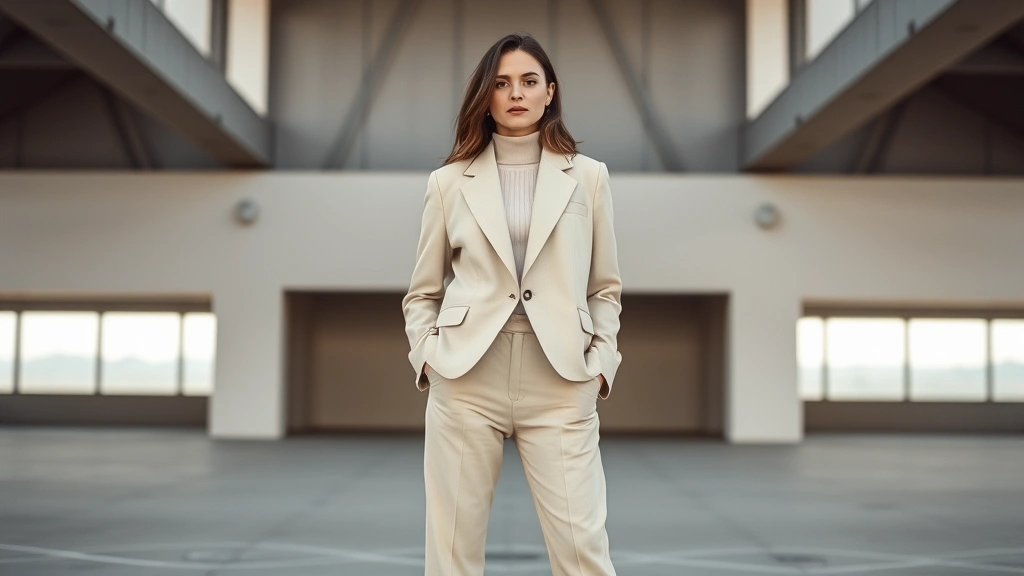
The luxury sector has witnessed a significant transformation toward minimalist aesthetics, with heritage houses and contemporary designers embracing restraint as the ultimate expression of sophistication. These brands understand that minimalism at the luxury level represents the pinnacle of craftsmanship, utilizing premium materials and meticulous construction techniques to create pieces of enduring value.
The Row, co-founded by Mary-Kate and Ashley Olsen, stands as perhaps the most influential contemporary luxury minimalist brand. Their collections feature impeccable tailoring, luxurious fabrics, and a rigorously curated color palette that emphasizes neutral tones and monochromatic styling. Each piece demonstrates exceptional attention to detail, from perfectly proportioned silhouettes to invisible seaming that speaks to their design philosophy. The Row’s approach has influenced how luxury brands approach minimalism, proving that simplicity demands uncompromising quality.
Jil Sander remains a pioneering force in minimalist luxury, with decades of heritage dedicated to clean lines and architectural silhouettes. Under creative direction, the brand continues refining its vision of modern elegance through impeccable tailoring and innovative fabric development. Jil Sander pieces are investments in timeless style, featuring neutral palettes and geometric precision that create visual impact through subtlety rather than ornamentation.
Céline has evolved into a beacon of contemporary minimalism under recent creative leadership, stripping away unnecessary embellishment to reveal the inherent beauty of form and proportion. Their handbags, clothing, and accessories exemplify how luxury minimalism can feel effortlessly chic while maintaining clear design signatures that distinguish the brand.
Helmut Lang pioneered techno-minimalism, blending minimalist aesthetics with innovative fabric technologies and unconventional construction methods. The brand’s commitment to architectural silhouettes and experimental textiles creates a unique position within luxury minimalism, appealing to those seeking understated elegance with an edge.
Accessible Minimalist Labels Worth Your Investment
While luxury minimalist brands set aesthetic standards, numerous accessible labels deliver exceptional value through quality construction and design integrity. These brands democratize minimalist fashion, making intentional style choices available to broader audiences without compromising on principles or durability.
Uniqlo has become synonymous with accessible minimalism, offering essential basics and wardrobe staples featuring impeccable construction at accessible price points. Their LifeWear collection embodies the brand’s philosophy of creating timeless garments that enhance daily life through simplicity and functionality. From their revolutionary heat-tech innovations to their perfectly proportioned basic tees, Uniqlo demonstrates that minimalism need not be expensive.
COS, the contemporary arm of H&M Group, bridges affordable and luxury minimalism through thoughtfully designed pieces that emphasize proportion, texture, and innovative fabrication. Their collections feature architectural silhouettes, unexpected color palettes within neutral ranges, and quality construction that exceeds price-point expectations. Visiting fashion style guide resources can help you understand how to integrate COS pieces into cohesive minimalist wardrobes.
Everlane built its reputation on radical transparency and minimalist design, offering essential clothing basics with clear information about production costs and manufacturing practices. Their commitment to quality basics—from perfect white t-shirts to essential outerwear—makes them invaluable for anyone building a minimalist foundation wardrobe.
Muji extends minimalism beyond fashion into lifestyle, offering clothing that prioritizes functionality and quiet design. Their approach to color, fit, and fabric selection creates pieces that seamlessly coordinate, making wardrobe building intuitive and satisfying.
& Other Stories provides contemporary minimalist pieces with artistic sensibility, featuring clean silhouettes enhanced by subtle details and carefully curated color stories. Their collections balance minimalist principles with creative expression, appealing to those seeking understated elegance with personality.
Sustainable Minimalist Pioneers
The intersection of minimalism and sustainability has created a new category of brands that align ethical production practices with design restraint. These pioneers understand that true minimalism encompasses not just visual simplicity but conscious consumption and environmental responsibility.
Patagonia combines functional minimalism with environmental advocacy, creating durable outdoor and everyday wear designed for longevity. Their commitment to repair programs and responsible material sourcing reflects how minimalism naturally aligns with sustainability principles.
Reformation has revolutionized sustainable fashion through minimalist design and transparent environmental impact communication. Their collections feature clean silhouettes crafted from innovative sustainable materials, proving that style need not compromise environmental values.
Veja applies minimalist design principles to footwear, creating sneakers and shoes with clean aesthetics and transparent ethical production. Their focus on essential shoe silhouettes in neutral colorways demonstrates how minimalism extends across all wardrobe categories.
Organic Basics specializes in essentials crafted from organic materials, featuring minimalist design and exceptional durability. Their approach to basic clothing—from essential underpinnings to simple tees—emphasizes quality and sustainability without sacrificing aesthetic appeal.
Pangaia explores innovative sustainable materials through minimalist design, creating pieces that feel contemporary while remaining timelessly simple. Their commitment to plant-based and recycled materials aligns with minimalist philosophy of intentional, responsible consumption.
Contemporary Designers Embracing Simplicity
Beyond established brands, emerging designers are redefining minimalism through fresh perspectives and innovative approaches. These creators prove that minimalist fashion remains a dynamic, evolving field rather than a static aesthetic.
Atelier Alaia, under new creative direction, continues its legacy of architectural minimalism through sculptural silhouettes and masterful tailoring. The brand’s commitment to precision construction and restrained aesthetics positions it as essential for understanding contemporary luxury minimalism.
Lemaire represents modern French minimalism, combining clean lines with subtle color exploration and innovative fabric treatment. Designer Christophe Lemaire’s approach to simplicity emphasizes proportion and fabric quality, creating pieces that feel both contemporary and timeless.
Totême exemplifies Scandinavian minimalism through contemporary design, featuring clean silhouettes, neutral palettes, and exceptional tailoring. The brand’s collections demonstrate how minimalism can feel current and desirable without relying on trend-driven details.
Nanushka brings Eastern European design sensibility to minimalism, creating pieces with unexpected sophistication through subtle details and innovative construction. Their approach proves minimalism can incorporate personality and design innovation while maintaining aesthetic restraint.
Building a Minimalist Capsule Wardrobe
Understanding which brands exemplify minimalist philosophy is only the first step; applying this knowledge to create a functional, cohesive personal wardrobe requires strategic planning. Building a minimalist capsule wardrobe involves selecting foundational pieces from these brands that maximize outfit combinations while maintaining aesthetic unity.
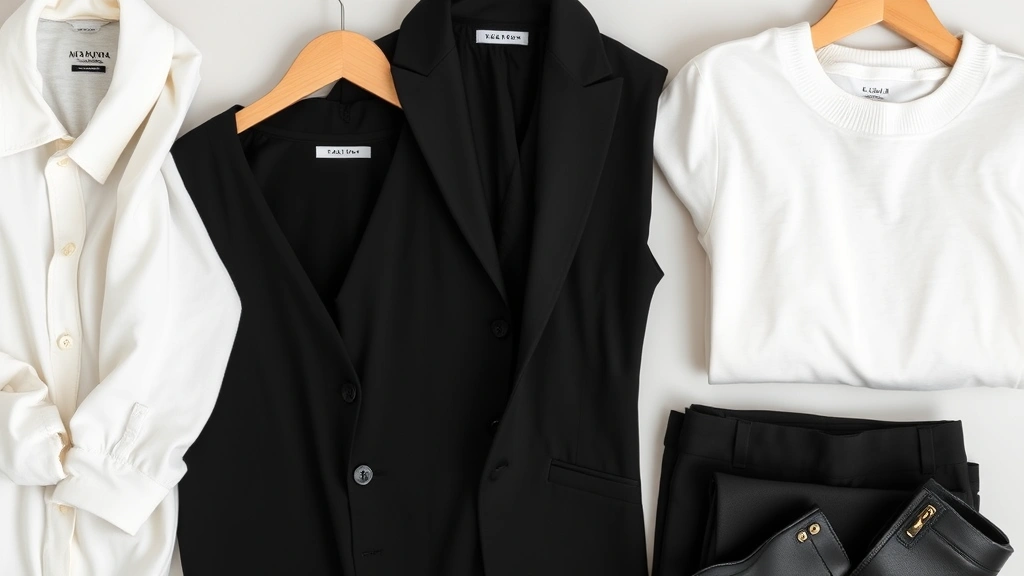
Start by establishing your neutral color foundation—typically black, white, grey, navy, and beige. Brands like Uniqlo and Everlane excel at providing quality basics in these essential hues. Invest in perfectly fitting jeans, white t-shirts, simple sweaters, and classic outerwear that will serve as your wardrobe anchors. These foundational pieces should represent the highest quality you can afford, as they’ll be worn repeatedly and need to withstand frequent washing and wearing.
Next, select key silhouettes that flatter your body type and align with your lifestyle. Whether that’s tailored trousers, simple shift dresses, or clean-lined blazers, ensure each piece serves multiple purposes and coordinates effortlessly with your other items. Visit StyleLoom Daily Blog for inspiration on styling basics in various ways.
Introduce texture and subtle visual interest through fabric selection rather than pattern or ornamentation. A linen shirt, a cashmere sweater, or a silk blouse adds dimension while maintaining minimalist principles. This approach prevents your wardrobe from feeling monotonous while respecting the simplicity aesthetic.
Carefully select accessories that enhance rather than distract—a simple leather belt, minimalist jewelry, and quality footwear in neutral tones. These items complete your aesthetic while remaining eternally relevant. Fashion influencers who embrace minimalism often demonstrate how strategic accessorizing elevates simple pieces.
The goal is creating a wardrobe where every piece works with multiple others, reducing decision fatigue while maximizing outfit possibilities. This approach aligns perfectly with contemporary fashion direction, where intentional style supersedes trend-chasing.
The Future of Minimalist Fashion
As fashion evolves, minimalism continues gaining relevance, particularly among consumers prioritizing sustainability, quality, and personal authenticity. Industry forecasters predict minimalist brands will increasingly lead conversations around luxury, durability, and responsible consumption.
Technology enables new possibilities for minimalist design, from innovative fabric development to digital customization that allows personalization within minimalist parameters. Brands are exploring how technology can enhance rather than complicate the minimalist experience, creating garments that adapt to various contexts while maintaining clean aesthetics.
The rise of quiet luxury—understated elegance emphasizing quality and restraint over visible branding—represents minimalism’s cultural ascendancy. Luxury fashion houses increasingly embrace minimalist principles, recognizing that true prestige emerges from craftsmanship and design integrity rather than logos and ornamentation. Fashion authorities at Business of Fashion consistently highlight minimalism’s role in luxury’s evolution.
Sustainability concerns will further drive minimalist adoption, as consumers recognize that investing in fewer, higher-quality pieces represents the most environmentally responsible approach to fashion. Brands excelling at minimalist design with transparent sustainability practices will increasingly attract conscious consumers seeking style that aligns with their values.
The minimalist movement also intersects with digital fashion and virtual clothing, creating new possibilities for expressing personal style without physical consumption. As technology evolves, minimalist design principles—clarity, functionality, timelessness—will remain relevant across physical and digital fashion spaces.
Looking forward, expect minimalist brands to expand their offerings while maintaining core principles, exploring new fabrications, and innovating within restrained aesthetic parameters. The future belongs to brands understanding that minimalism represents not limitation but liberation—freedom from trend cycles, decision fatigue, and the burden of excess.
FAQ
What defines a minimalist fashion brand?
Minimalist fashion brands prioritize clean design, quality construction, neutral color palettes, and versatile pieces over trend-driven aesthetics. They emphasize timelessness, functionality, and intentional design rather than ornamentation or excessive detailing. These brands typically commit to sustainable practices and encourage conscious consumption through durable, multipurpose pieces.
Are minimalist brands more expensive?
Minimalist brands span all price ranges. Luxury minimalist labels like The Row command premium prices reflecting exceptional craftsmanship, while accessible brands like Uniqlo and Everlane offer quality minimalist pieces at affordable price points. The key is investing in quality construction and timeless design regardless of price level, as these pieces provide better long-term value than trend-driven alternatives.
How do I start building a minimalist wardrobe?
Begin by establishing foundational neutral pieces—quality basics in black, white, grey, navy, and beige. Invest in well-fitting jeans, simple tops, and classic outerwear. Gradually add key silhouettes that flatter your body type and suit your lifestyle. Focus on pieces that work together seamlessly, and prioritize quality over quantity. Consider consulting fashion trend resources for age-appropriate minimalist inspiration.
Can minimalist fashion be trendy?
Yes, minimalist fashion evolves within its aesthetic parameters. Contemporary minimalist brands introduce subtle color variations, innovative fabrications, and refined silhouettes that feel current while maintaining timeless appeal. The difference is that minimalist trends focus on design refinement rather than dramatic stylistic shifts, ensuring pieces remain relevant across multiple seasons.
Why should I invest in minimalist brands?
Minimalist brands offer superior long-term value through durable construction, timeless design, and versatility. Pieces from these brands work together effortlessly, reducing decision fatigue and maximizing outfit combinations. Additionally, minimalism aligns with sustainable consumption, as investing in fewer, higher-quality pieces represents a more environmentally responsible approach than constantly purchasing trend-driven garments.
Which minimalist brand is best for beginners?
Uniqlo and Everlane are excellent starting points, offering quality basics at accessible prices without requiring significant investment. These brands excel at foundational pieces—perfect white t-shirts, well-fitting jeans, and essential layering items—that form the foundation of any minimalist wardrobe. Their accessibility makes experimentation with minimalist style low-risk.
How do minimalist brands approach sustainability?
Many minimalist brands inherently embrace sustainability through design longevity—pieces meant to last years rather than seasons require fewer replacements. Additionally, brands like Reformation, Patagonia, and Organic Basics explicitly prioritize sustainable materials and ethical production practices, recognizing that minimalism’s philosophy naturally aligns with environmental responsibility and conscious consumption.