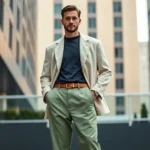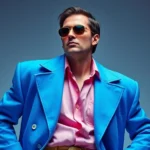
70s Men’s Fashion Trends: A Stylist’s Guide
The 1970s represented one of the most transformative decades in men’s fashion history, a period when bold self-expression and experimental style dominated wardrobes across the globe. From the glittering excess of disco culture to the rugged authenticity of the counterculture movement, men’s fashion in the 1970s broke free from the rigid conventions of previous generations and embraced diversity, color, and individuality like never before. This era gave us iconic silhouettes, daring color palettes, and a fearless attitude toward personal style that continues to influence contemporary fashion designers and style enthusiasts today.
Whether you’re a vintage fashion collector, a stylist seeking inspiration, or simply curious about how 70s aesthetics have shaped modern men’s fashion, understanding the key trends of this decade is essential. The 1970s wasn’t just about clothing—it was a cultural revolution reflected through fabric, cut, and attitude. Designers pushed boundaries, musicians became fashion icons, and everyday men began experimenting with their appearance in ways that would have seemed unthinkable just years earlier. This comprehensive guide explores the defining trends, essential pieces, and styling techniques that made 70s men’s fashion the legendary decade it remains.
The Disco Revolution and Statement Silhouettes
The disco movement fundamentally altered men’s fashion consciousness, introducing silhouettes that prioritized visibility, movement, and unapologetic glamour. During the mid-to-late 1970s, disco culture emerged as a powerful force that challenged traditional masculinity through fashion. Men began wearing sequined jackets, satin shirts, and form-fitting trousers to nightclubs, creating a visual language that celebrated confidence and self-presentation. This wasn’t merely about going out dancing—it was about constructing an identity through clothing.
The disco suit became the ultimate status symbol, featuring wide lapels, often in contrasting colors or metallicized fabrics that caught the light as dancers moved. These suits weren’t tailored to the body in traditional ways; instead, they created dramatic silhouettes with exaggerated proportions that made wearers appear larger than life. The genius of disco fashion lay in its democratic appeal—men from various socioeconomic backgrounds could access affordable versions of these statement pieces, making high-fashion glamour accessible to the masses.
Beyond the nightclub, this silhouette influence seeped into everyday menswear, encouraging men to embrace wider shoulders, looser fits, and more dramatic proportions than the sleek, slim lines of the 1960s. Understanding how disco shaped men’s fashion in the 1970s provides crucial context for appreciating why this decade remains so influential in contemporary men’s fashion trends.
Bell-Bottoms, Flares, and Wide-Leg Trousers
No discussion of 70s men’s fashion is complete without addressing the silhouette that defined the decade: bell-bottoms and flared trousers. These wide-legged pants, which began expanding around the knee and flared dramatically at the ankle, became the most recognizable symbol of 1970s style. Available in virtually every fabric imaginable—denim, corduroy, polyester, linen, and suede—bell-bottoms represented a radical departure from the fitted, tapered legs that had dominated men’s fashion throughout the 1950s and 1960s.
The appeal of bell-bottoms extended beyond mere aesthetics. The wide cut provided comfort and freedom of movement, appealing to the generation that rejected restrictive social conventions. Combined with platforms or stacked heels, these trousers created an elongated silhouette that made wearers appear taller and more commanding. Fashion historians note that bell-bottoms originated in military and nautical traditions but were reimagined by the counterculture as symbols of liberation and individualism.
Flares, slightly less extreme than full bell-bottoms, offered a more subtle interpretation of wide-leg styling. These gradually widened from the knee downward, creating a more refined proportion than their more dramatic counterparts. Both styles appeared in every color imaginable, from earth tones and jewel tones to bright primary colors and pastels. The versatility of wide-leg trousers meant they could be dressed up for disco nights or dressed down for casual daytime wear, making them the foundational piece of any 70s-inspired wardrobe.
Understanding the historical context helps explain why these proportions felt so revolutionary. After decades of increasingly narrow silhouettes, the sudden expansion to bell-bottoms felt like literal freedom. Men could breathe, move, and express themselves through their clothing in ways that previous generations could not.
Shirts, Collars, and Fabric Innovation
The 1970s witnessed unprecedented experimentation with shirt construction, collar sizes, and fabric technology. Shirt collars grew dramatically larger, with some reaching proportions that seem almost cartoonish by modern standards. Wide, pointed collars became the norm, often extending nearly to the shoulder seams. These oversized collars frequently featured contrasting colors or patterns, creating visual drama and drawing attention to the upper body.
Beyond collar size, the 1970s introduced revolutionary fabrics that changed how men’s shirts functioned and felt. Polyester became ubiquitous, prized for its wrinkle-resistance, durability, and ability to hold vibrant colors and bold prints. While modern fashion critics often dismiss polyester as cheap or tacky, it represented genuine innovation at the time, offering practical advantages alongside aesthetic possibilities. Silk, satin, and other lustrous fabrics also gained prominence, particularly in disco and evening wear contexts.
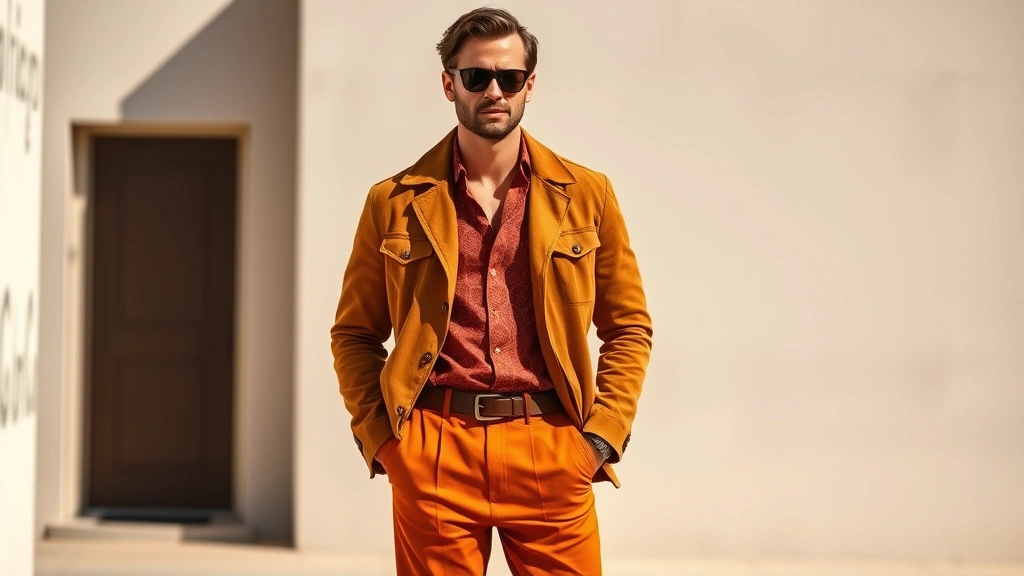
Patterned shirts dominated the decade, featuring everything from geometric prints and abstract designs to loud floral motifs and psychedelic patterns. Solid colors remained available, but patterned options allowed men to express personality and creativity through their clothing in unprecedented ways. Prints often featured warm, saturated colors—burnt orange, mustard yellow, deep brown, and forest green—creating a distinctly 70s visual palette.
The fit of 70s shirts typically featured a relaxed, slightly oversized silhouette that contrasted sharply with the fitted shirts of the 1960s and the tailored options that would return in the 1980s. This looser fit accommodated the wider trousers and created a cohesive silhouette where proportions balanced throughout the outfit. When exploring how to find your personal style, studying 70s shirting techniques reveals how fabric choice and fit can completely transform your aesthetic.
Color Palettes and Pattern Play
The color palette of 1970s men’s fashion reflected the decade’s optimistic, experimental spirit. Unlike the muted tones that had dominated previous decades, the 70s embraced bold, saturated colors that made visual statements. Earth tones—terracotta, ochre, olive, and chocolate brown—dominated casual wear and represented a connection to nature and authenticity valued by the counterculture movement. Simultaneously, disco culture favored jewel tones, metallics, and bright primary colors that commanded attention under nightclub lighting.
Harvest golds, avocado greens, and burnt oranges became signature 70s hues, appearing in everything from clothing to home décor. These warm, slightly muted tones created a distinctly retro aesthetic that modern designers frequently reference when creating vintage-inspired collections. The psychological appeal of these colors related to broader cultural movements—the earth tones connected to environmentalism and back-to-the-land movements, while brighter colors represented urban energy and nightlife culture.
Pattern mixing, often considered risky in fashion, became standard practice during the 1970s. Men wore striped shirts with patterned trousers, plaid jackets over print shirts, and mixed geometric and organic patterns in ways that would make contemporary stylists nervous. This fearless approach to pattern combination reflected a broader cultural attitude that valued self-expression over conformity. The key to making 70s pattern mixing work involved maintaining color harmony—ensuring that the various patterns shared a similar color story even if the pattern types differed dramatically.
Understanding color psychology and how different hues interact became essential knowledge for anyone seeking to authentically recreate 70s style or incorporate vintage elements into contemporary wardrobes. The fashion style guides available today often draw inspiration from 70s color theory, recognizing that the decade’s palette remains timelessly appealing.
Accessories and Finishing Touches
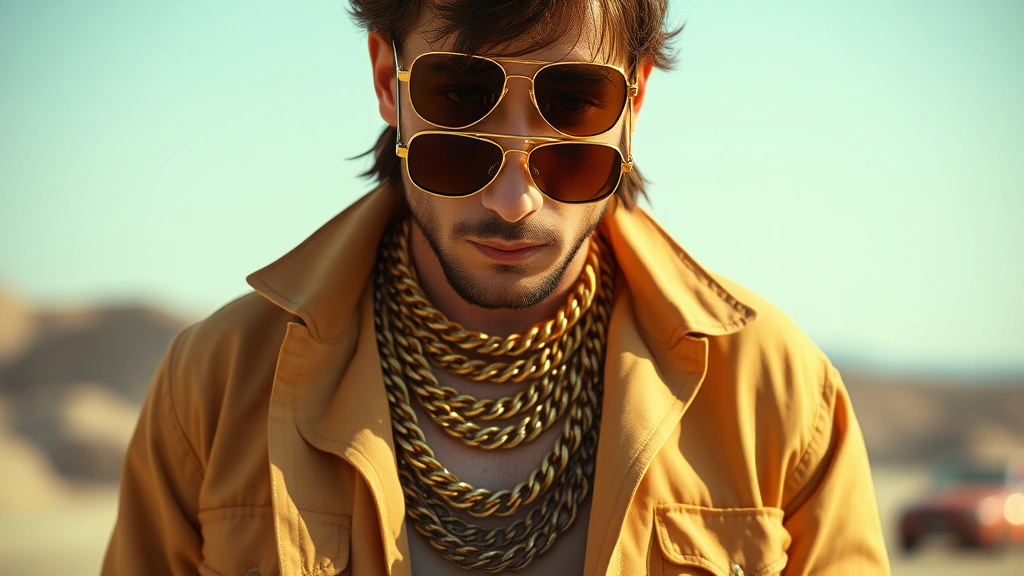
Accessories in 1970s men’s fashion served as powerful style statements, elevating outfits from basic to extraordinary. Necklaces, once considered primarily feminine or reserved for specific subcultures, became mainstream accessories for men across all social groups. Layered gold chains in varying thicknesses created distinctive looks, often worn over open-necked shirts to showcase the chest and create visual interest. These chains frequently featured decorative pendants—religious symbols, zodiac signs, or abstract designs—that communicated personal beliefs or interests.
Rings proliferated during the 70s, with men wearing multiple rings on each hand, often featuring large stones or bold designs. These weren’t subtle accessories but rather statement pieces that drew attention and communicated status, personality, or group affiliation. Signet rings, initially associated with aristocratic tradition, became popular across social classes, while cocktail rings with oversized gemstones appealed to those with more flamboyant sensibilities.
Scarves became essential accessories, worn around the neck in various configurations or as headwear. Silk scarves with bold prints offered practical sun protection while making powerful style statements. Bandanas, worn as headbands or around the neck, connected to both counterculture aesthetics and disco glamour depending on styling context and color choices.
Belts served both functional and decorative purposes, often featuring wide widths, bold buckles, and eye-catching materials. Leather belts in cognac or black remained classics, but suede, chain, and fabric options also appeared regularly. The belt buckle became an opportunity for self-expression, with large, ornate designs serving as focal points for the entire outfit.
Sunglasses evolved dramatically during the 1970s, with oversized frames becoming the norm. The iconic aviator style, originally designed for pilots, became mainstream fashion wear, while tinted lenses in brown, amber, and blue created distinctive looks. These weren’t subtle accessories but rather bold statements that protected eyes while making unmistakable style declarations.
Footwear Fundamentals
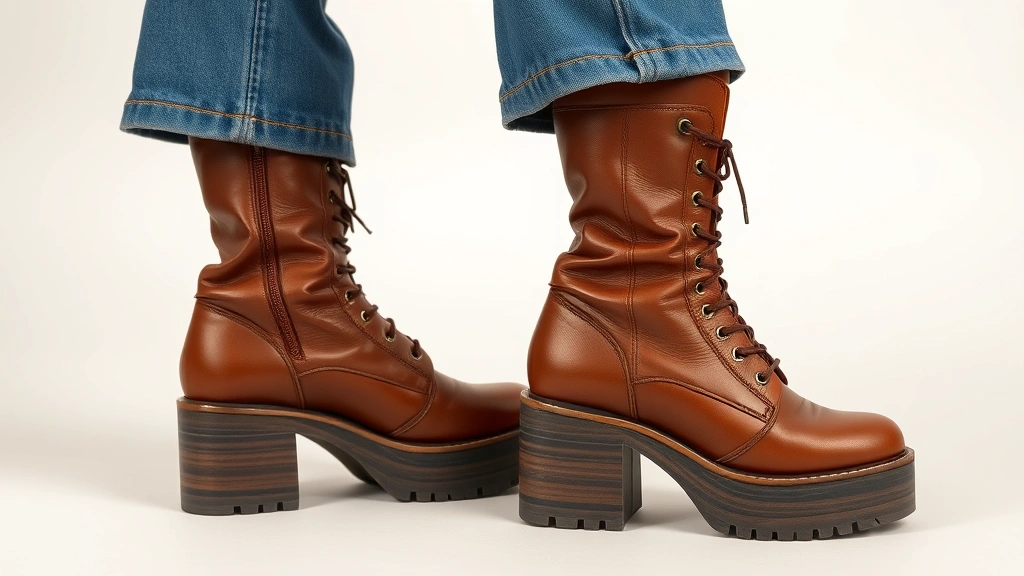
Shoes in the 1970s underwent radical transformations, moving away from the pointed, sleek styles of the 1960s toward chunkier, more substantial silhouettes. Platform shoes became ubiquitous, with soles ranging from moderately elevated to dramatically tall. These platforms appeared in virtually every shoe category—dress shoes, casual sneakers, and boots all featured elevated soles that added height and created distinctive proportions when paired with bell-bottom trousers.
Boots dominated 70s menswear, available in numerous styles and heights. Knee-high boots in leather or suede created dramatic silhouettes, particularly when paired with wide-leg trousers. Chelsea boots, with their elastic side panels and sleek profiles, offered a more refined alternative to taller styles. Cowboy boots, reflecting Western aesthetics and country music influences, gained popularity across diverse communities. These weren’t relegated to actual cowboys but rather worn as fashion statements by urban and rural men alike.
Sneakers evolved significantly during this period, with canvas high-tops remaining popular while new designs incorporating platforms and bold colors emerged. Athletic wear began influencing casual fashion more substantially, creating a category that contemporary designers still reference. Chunky canvas sneakers with thick rubber soles represented a departure from the sleek athletic shoes of previous decades.
Casual leather shoes, including loafers and slip-ons, remained staples but were reimagined with thicker soles and sometimes suede construction in unexpected colors. The versatility of 70s footwear allowed men to coordinate shoes with various outfit types, creating cohesive looks across different social contexts.
Layering and Outerwear
Layering techniques became increasingly sophisticated during the 1970s, with men wearing shirts, vests, and jackets in combinations that created visual depth and allowed for temperature adjustment. This layering approach reflected both practical concerns and aesthetic preferences, enabling men to construct complex outfits that showcased multiple pieces and pattern combinations.
Vests became essential layering pieces, worn over shirts and under jackets to add dimension and visual interest. These vests came in various styles—tailored dress vests, casual corduroy or suede options, and even denim or leather alternatives. The vest provided an opportunity to introduce additional colors and patterns into outfits, creating more complex visual compositions.
Jackets underwent significant transformations during the 1970s. Blazers, traditionally structured and formal, became increasingly relaxed in fit while maintaining tailored silhouettes. Wider lapels and shorter, slightly boxier cuts distinguished 70s blazers from their predecessors. Leather jackets, particularly in brown and cognac tones, became iconic pieces that transcended subcultural associations to achieve mainstream acceptance.
Suede jackets represented the pinnacle of 70s luxury, available in earth tones and jewel tones, often featuring fringe detailing along seams and hems. These jackets connected to Western aesthetics while maintaining sophisticated appeal. Denim jackets, traditionally workwear, were reinvented as fashion pieces, sometimes featuring decorative embroidery or patches that personalized the garments.
Outerwear proportions reflected the broader silhouette trends of the decade, with jackets featuring wider shoulders and more relaxed fits than the slim cuts of the 1960s. Long coats, sometimes reaching the knee or beyond, created dramatic silhouettes when paired with bell-bottom trousers. These coats came in wool, suede, leather, and even velvet, offering endless possibilities for creating distinctive looks.
The Style Loom Daily Blog frequently features articles exploring how vintage outerwear influences contemporary fashion, recognizing that 70s jackets and coats remain highly desirable pieces in modern styling.
How to Style 70s Fashion Today
Incorporating 70s men’s fashion into contemporary wardrobes requires understanding which elements translate effectively to modern contexts and how to balance vintage pieces with current aesthetics. The key to successful 70s styling involves cherry-picking the most flattering and versatile elements rather than adopting wholesale the entire aesthetic of the decade.
Start with foundational pieces like wide-leg trousers or tailored bell-bottoms in solid colors or subtle patterns. Pair these with fitted or slightly oversized shirts in complementary hues, creating silhouettes that feel both retro and current. The contrast between proportions—wider trousers paired with a fitted shirt, or looser shirts worn with tapered pants—creates visual interest while preventing outfits from appearing costume-like.
Incorporate 70s accessories strategically, using them as statement pieces rather than outfit foundations. A single delicate gold chain worn over a neutral shirt, vintage sunglasses, or a carefully selected scarf can evoke 70s aesthetics without overwhelming contemporary sensibilities. This restrained approach allows you to reference the decade while maintaining modern relevance.
Color remains one of the most accessible entry points for 70s styling. Incorporating earth tones—terracotta, olive, cognac, and rust—into contemporary outfits immediately evokes the period. Layer these colors thoughtfully, ensuring they harmonize rather than clash, creating sophisticated vintage-inspired looks that feel intentional rather than accidental.
Footwear offers another avenue for 70s-inspired styling. Vintage or vintage-inspired boots, whether ankle-height Chelsea boots or taller silhouettes, work beautifully with modern clothing while maintaining period authenticity. Platform shoes, once considered purely retro, have reentered mainstream fashion, making them accessible options for those seeking to embrace 70s aesthetics.
Consider studying Vogue’s contemporary coverage of vintage fashion to understand how modern stylists balance retro elements with current trends. This research helps develop an eye for which 70s pieces feel timeless and which require more careful contextualization to feel relevant today.
Understanding your personal style preferences becomes essential when navigating 70s fashion inspiration. The decade offered such diverse aesthetics—from disco glamour to bohemian casualness to structured minimalism—that multiple interpretations exist. Identifying which 70s subcultural style resonates most with your personality and lifestyle ensures that vintage inspiration translates into wearable, authentic outfits.
Investing in quality vintage pieces from reputable sellers ensures longevity and authenticity. A genuine 70s leather jacket or well-made suede vest will serve your wardrobe for years, justifying the investment through versatility and timeless appeal. These pieces work across seasons and styling contexts, proving that well-chosen vintage items remain valuable long-term wardrobe investments.
The beauty of 70s fashion inspiration lies in its diversity and fearlessness. The decade encouraged self-expression, pattern mixing, and bold color choices—principles that remain relevant regardless of current trend cycles. By embracing the experimental spirit of 70s menswear while adapting it to contemporary contexts, you create distinctive personal style that honors vintage aesthetics while feeling thoroughly modern.
Fashion experts frequently reference Business of Fashion coverage of vintage trends, recognizing that 70s aesthetics continue influencing high fashion and contemporary design. Understanding why designers repeatedly reference this decade helps contextualize its enduring appeal and relevance.
FAQ
What are the most essential 70s men’s fashion pieces to own?
The foundational pieces include wide-leg or flared trousers in solid colors, patterned shirts with larger collars, a leather or suede jacket, and quality boots. These basics allow you to construct multiple outfits while maintaining authentic 70s aesthetics. Adding layering pieces like vests and considering statement accessories completes a versatile 70s-inspired wardrobe.
How can I wear 70s fashion without looking like a costume?
The key involves balancing proportions and using restraint with accessories. Pair wide-leg trousers with fitted shirts, or vice versa, creating visual harmony rather than overwhelming silhouettes. Limit statement pieces to one or two items per outfit, allowing them to shine without creating an over-the-top appearance. Choosing contemporary hair and grooming styles helps ground vintage clothing in current contexts.
Are bell-bottoms still fashionable?
Yes, bell-bottoms and wide-leg trousers have experienced significant fashion revival in recent years. Contemporary designers regularly feature these silhouettes, and they’ve become mainstream acceptable pieces rather than purely vintage novelties. Styling them with modern tops and accessories creates looks that feel current while honoring 70s aesthetics.
What colors best represent 70s men’s fashion?
Earth tones—terracotta, olive, burnt orange, cognac, and chocolate brown—represent the most iconic 70s palette. Jewel tones like deep emerald and sapphire also appeared frequently, particularly in disco-influenced pieces. Incorporating these colors through clothing and accessories immediately evokes the decade’s aesthetic.
How do I find authentic vintage 70s pieces?
Reputable vintage retailers, both online and physical locations, offer authenticated 70s clothing. Look for quality construction, period-appropriate tags, and genuine wear patterns that indicate authentic age. Thrift stores occasionally yield treasures, but require more careful examination to verify authenticity. Online platforms specializing in vintage fashion provide detailed descriptions and photographs that help assess piece quality and accuracy.
Can women wear men’s 70s fashion?
Absolutely. The oversized, relaxed fits of many 70s men’s pieces translate beautifully to contemporary women’s styling. Wide-leg trousers, oversized shirts, and leather jackets work across gender presentations, particularly when styled thoughtfully with pieces that complement individual body types and personal aesthetics. The decade’s emphasis on self-expression transcends gender boundaries.
What accessories best complement 70s outfits?
Delicate gold chains, vintage sunglasses, silk scarves, and quality leather belts serve as excellent 70s-complementary accessories. Rings, particularly signet styles or pieces with interesting stones, add personality without overwhelming outfits. The key involves choosing accessories that feel intentional and authentic rather than randomly assembled.
How does 70s men’s fashion influence contemporary design?
Designers regularly reference 70s aesthetics when creating contemporary collections, drawing inspiration from silhouettes, color palettes, and experimental spirit. Fashion publications like Harper’s Bazaar frequently feature articles exploring how vintage decades influence current trends, recognizing that 70s fashion remains enduringly influential in the fashion industry.