Men’s Fashion 2025: Expert Predictions and Emerging Trends
The landscape of men’s fashion is undergoing a seismic shift as we enter 2025, marked by bold experimentation, sustainability consciousness, and a deliberate rejection of rigid masculine aesthetics. Industry experts, trend forecasters, and style authorities are unified in their observations: men’s fashion is becoming increasingly individualistic, embracing color palettes previously deemed unconventional, and prioritizing comfort without sacrificing sophistication. This comprehensive guide explores the transformative trends reshaping how modern men approach their wardrobes.
From high-fashion runways in Milan and Paris to street style captured across global fashion capitals, the signals are unmistakable. Men are no longer confined to the monochromatic uniformity of previous decades. Instead, 2025 ushers in an era where personal expression, gender-fluid silhouettes, and innovative fabric technologies converge to create unprecedented sartorial possibilities. Whether you’re a fashion enthusiast seeking to stay ahead of the curve or simply curious about what’s next, understanding these predictions will help you navigate the evolving world of men’s style with confidence.
The Color Revolution: Beyond the Neutral Palette
For decades, men’s fashion operated within a restrictive color spectrum dominated by blacks, grays, navies, and whites. This paradigm is shattering in 2025. Fashion forecasters at Vogue’s menswear division highlight that vibrant jewel tones—emerald, sapphire, and burgundy—are no longer relegated to statement pieces but appearing as primary wardrobe components. Soft pastels, particularly sage green, dusty rose, and cream, are gaining unprecedented traction among style-conscious men seeking sophistication with personality.
The shift reflects broader cultural changes where self-expression trumps conformity. Contemporary men are increasingly comfortable exploring colors that challenge traditional notions of masculinity. Terracotta, mustard yellow, and even mauve are appearing on runways and in street style photography with remarkable frequency. This color liberation extends beyond individual garments; coordinated monochromatic looks in unexpected hues—think entire outfits in soft lavender or warm caramel—represent a significant departure from the previous decade’s aesthetic.
Brands are responding enthusiastically to this demand. Premium menswear houses are expanding their seasonal palettes exponentially, recognizing that modern men want options that reflect their personalities. When exploring fashion style guides, you’ll notice color plays an increasingly prominent role in defining individual aesthetic identities rather than adhering to gender-based conventions.
Oversized Silhouettes and Relaxed Fits Dominate
The tyranny of the slim fit is officially over. 2025 marks the triumphant return and evolution of oversized, relaxed silhouettes that prioritize comfort without abandoning elegance. This trend emerged from the pandemic’s work-from-home culture but has matured into a sophisticated aesthetic that respects the male form while celebrating breathing room and movement.
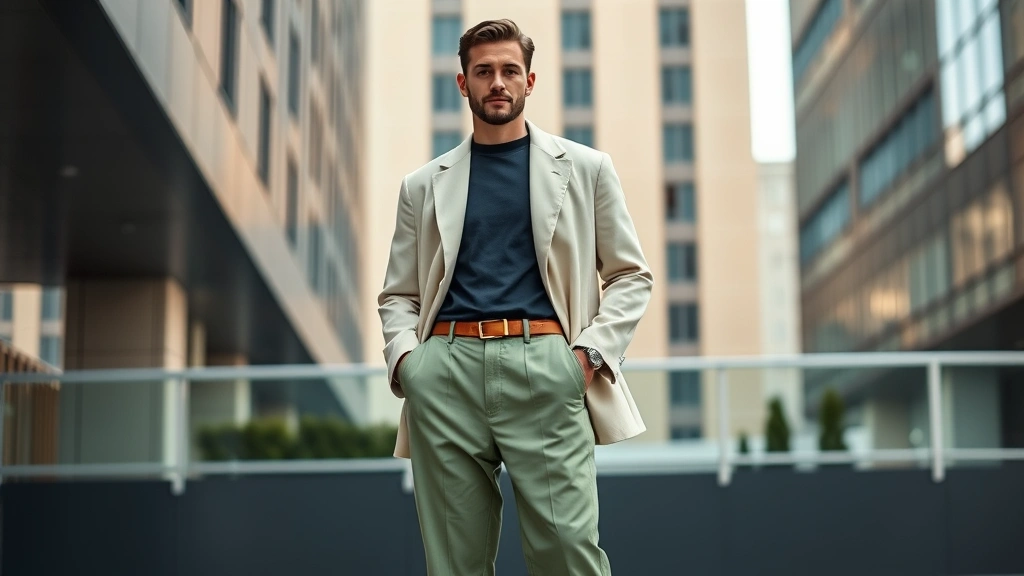
Oversized blazers with dropped shoulders and extended lengths are becoming wardrobe staples. Paired with equally relaxed trousers featuring increased volume through the hip and thigh, these proportions create a contemporary silhouette that feels distinctly 2025. The key to executing this trend successfully lies in balance—pairing voluminous pieces with more fitted elements prevents the overall look from appearing sloppy or unintentional.
Wide-leg trousers, cargo pants with exaggerated proportions, and oversized button-down shirts represent the foundational pieces of this movement. Interestingly, this relaxation of fit extends to previously structured garments. Even formal wear is being reimagined with roomier cuts that maintain sophistication through tailoring precision rather than body-hugging restriction. This approach aligns perfectly with the pursuit of personal style that emphasizes authenticity over conformity.
Sustainability Becomes Non-Negotiable
Environmental consciousness has transitioned from a niche concern to a central tenet of men’s fashion in 2025. Consumers increasingly scrutinize supply chains, demanding transparency about production methods, material sourcing, and labor practices. This shift reflects generational values, particularly among younger men who view sustainable fashion as non-negotiable rather than aspirational.
Regenerative materials are gaining prominence: organic cotton, recycled polyester, lab-grown leather alternatives, and innovative plant-based fabrics derived from mushrooms, pineapple leaves, and agricultural waste are revolutionizing menswear production. Luxury brands are partnering with sustainable innovators, recognizing that exclusivity no longer means environmental exploitation. Premium menswear houses are implementing circular economy principles, offering take-back programs and upcycling services that extend garment lifecycles.
The rise of contemporary types of fashion increasingly emphasizes ethical considerations. Men seeking to curate sophisticated wardrobes are gravitating toward brands demonstrating genuine commitment to sustainability rather than performative “greenwashing.” This trend reflects a maturation in men’s fashion consciousness, where style and substance must coexist.
Vintage and secondhand shopping has simultaneously exploded as a mainstream fashion activity. Men are discovering that pre-owned luxury pieces offer exceptional value while minimizing environmental impact. This democratization of access to premium menswear through resale platforms represents a significant shift in how men approach wardrobe building.
Technology Integration in Fabrics and Design
Innovation in textile technology is fundamentally transforming men’s fashion in 2025. Smart fabrics embedded with temperature-regulating properties, moisture-wicking capabilities, and even health-monitoring sensors are moving beyond athletic wear into everyday menswear. These technological advances don’t compromise aesthetics; rather, they enhance functionality while maintaining sophisticated appearance.
Wrinkle-resistant treatments, self-cleaning fabrics, and garments with embedded UV protection are becoming standard features rather than premium add-ons. Men increasingly expect their clothing to work harder, adapting to various environmental conditions without requiring extensive maintenance. This demand for performance-oriented style reflects the modern man’s multifaceted lifestyle—transitioning seamlessly from professional environments to active pursuits.
Nanotechnology applications in menswear create water-repellent and stain-resistant finishes that appear invisible while providing practical benefits. Premium fabrics now incorporate these innovations, elevating functionality to align with luxury positioning. The intersection of technology and fashion is particularly evident in outerwear, where innovative insulation materials provide warmth without bulk, enabling sleek silhouettes with genuine protective capabilities.
Gender-Fluid Fashion Breaking Down Barriers
Perhaps the most significant cultural shift in men’s fashion is the deliberate deconstruction of gender-based style rules. In 2025, men are increasingly comfortable exploring silhouettes, colors, and design elements historically marketed exclusively to women. This fluidity represents a maturation in fashion consciousness, where personal expression supersedes outdated categorical thinking.
Skirts, dresses, and traditionally feminine design elements are appearing on menswear runways with greater frequency and seriousness. This isn’t novelty or provocation; it’s a fundamental reimagining of what menswear can encompass. Young men, particularly those influenced by contemporary fashion influencers, are pioneering gender-fluid aesthetics that challenge conventional masculinity while celebrating individual authenticity.
Makeup, traditionally absent from men’s fashion discourse, is gaining acceptance as a legitimate style tool. Nail art, previously taboo, is becoming increasingly visible in menswear styling. This evolution reflects broader societal changes where gender expression is understood as a spectrum rather than a binary, and fashion serves as a powerful vehicle for personal identity exploration.
Designers are responding by creating collections that deliberately blur gendered distinctions. Silhouettes are increasingly androgynous, fabrics are chosen for their aesthetic properties rather than traditional gender associations, and styling approaches emphasize individual interpretation over prescribed rules. This democratization of fashion fundamentally respects the diversity of modern masculinity.
Vintage Maximalism and Eclectic Styling
The minimalist aesthetic that dominated the previous decade is yielding to maximalist approaches that celebrate eclecticism, pattern mixing, and intentional visual complexity. Men are increasingly comfortable layering patterns, combining textures, and incorporating vintage or archive pieces that reflect personal history and curated taste.
This maximalist approach isn’t chaotic; rather, it’s carefully orchestrated self-expression where each element serves a purpose within the broader narrative of personal style. Mixing bold prints with solid pieces, layering textures, and incorporating vintage finds alongside contemporary pieces creates visually interesting ensembles that communicate sophistication and confidence.
Vintage shopping has transformed from thrift store necessity to aspirational lifestyle choice. Men are seeking unique pieces that tell stories, carry patina, and offer distinctiveness impossible to achieve through contemporary retail. The complete fashion history timeline provides context for understanding how historical references influence contemporary styling, allowing modern men to draw inspiration from various eras while creating original aesthetics.
Maximalism particularly appeals to men seeking to differentiate themselves in professional environments where conformity previously dominated. A carefully curated vintage piece or unexpected color combination signals confidence, cultural awareness, and willingness to challenge conventions—qualities increasingly valued in contemporary workplaces.
Footwear Evolution: Beyond Traditional Categories
Menswear footwear is experiencing remarkable diversification in 2025. The traditional hierarchy separating formal, casual, and athletic categories is dissolving as designers create hybrid styles that transcend conventional classifications. Luxury sneakers, elevated slides, and performance-inspired dressier options represent this evolution.
Chunky, architectural sneakers continue commanding attention, but increasingly sophisticated colorways and material combinations elevate them beyond athletic wear. Premium leather sneakers with exaggerated soles, often incorporating sustainable materials, bridge the gap between casual and refined styling. Simultaneously, dress shoes are embracing more relaxed silhouettes—loafers with pronounced cushioning, formal shoes with sporty elements—acknowledging that contemporary men demand comfort without sacrificing polish.
Boots represent another significant trend, with oversized proportions, unexpected materials, and architectural heels becoming mainstream. From hiking-inspired designs to fashion-forward interpretations, boots offer visual interest while providing practical functionality. The resurgence of various boot styles reflects men’s increasing willingness to explore footwear beyond conventional boundaries.
Sandals and minimalist shoe designs are simultaneously gaining traction, particularly among men embracing relaxed, warm-weather aesthetics. The diversity of footwear options available in 2025 allows men to express individual preferences while maintaining sophisticated overall presentations.
Statement Accessories and Jewelry: Personal Expression Through Details
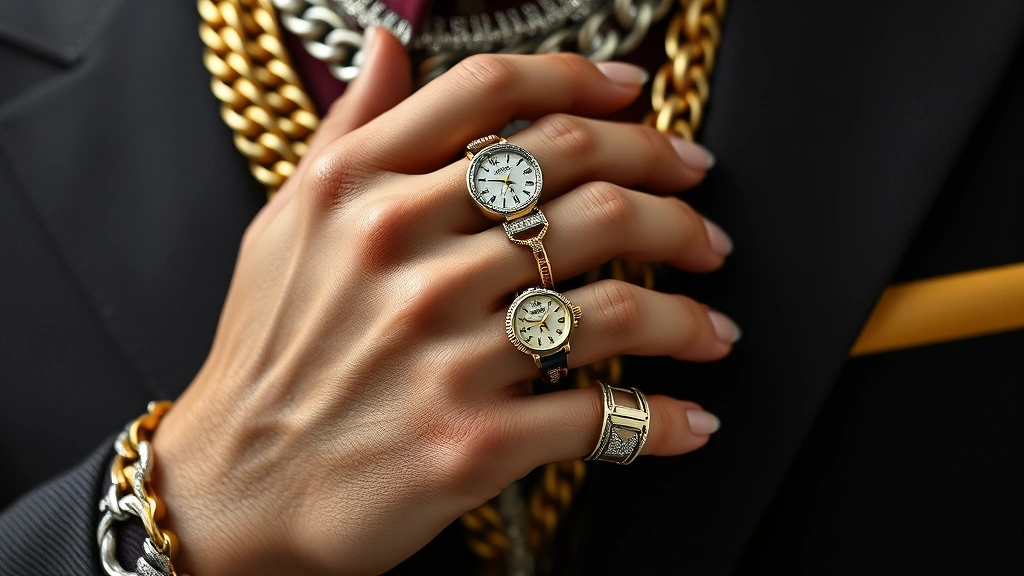
Accessories have evolved from functional necessities to primary vehicles for personal expression in men’s fashion. Jewelry, historically minimal in menswear, is experiencing a renaissance as men embrace chains, rings, bracelets, and even earrings as legitimate style elements. This shift reflects changing attitudes toward masculinity and self-adornment.
Luxury jewelry houses are responding by creating menswear-specific collections that balance boldness with wearability. Signet rings, layered chains, and statement bracelets appear with increasing frequency in contemporary men’s styling. The key to successful jewelry incorporation lies in intentionality—pieces should feel purposeful rather than accidental, contributing meaningfully to overall aesthetic narratives.
Bags have become increasingly prominent in men’s fashion, moving beyond utilitarian backpacks and briefcases into statement pieces that anchor entire outfits. Oversized totes, structured handbags, and crossbody bags in unexpected materials and colors communicate style sophistication. Designer collaborations and limited-edition releases have transformed bags into coveted collectibles within men’s fashion circles.
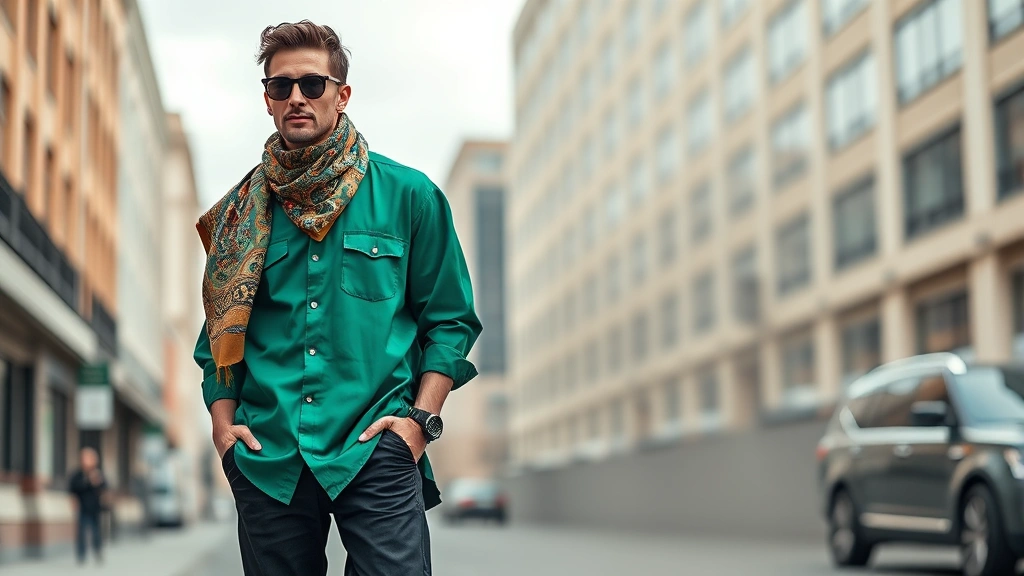
Belts, scarves, hats, and eyewear continue serving functional purposes while offering significant style opportunities. Wide leather belts with distinctive buckles, oversized scarves in bold patterns, wide-brimmed hats, and architectural sunglasses represent accessible entry points for men exploring more expressive styling approaches. When exploring the StyleLoom Daily Blog, you’ll discover countless examples of how accessories transform foundational pieces into distinctive personal statements.
The democratization of accessories means men at various style expertise levels can experiment with self-expression through details. This approach allows for gradual, comfortable exploration of more adventurous aesthetics without requiring complete wardrobe overhauls.
FAQ
What are the most important men’s fashion trends for 2025?
The most significant trends include embracing vibrant and unexpected colors, adopting oversized and relaxed silhouettes, prioritizing sustainable and ethically-produced garments, integrating advanced fabric technologies, exploring gender-fluid design elements, celebrating vintage and eclectic styling, experimenting with diverse footwear options, and using accessories as primary style vehicles. These trends collectively reflect a shift toward individualism and authentic self-expression in men’s fashion.
How can I incorporate 2025 menswear trends into my personal style?
Start by selecting one or two trends that resonate with your personality and lifestyle. If color appeals to you, introduce unexpected hues through accessories or secondary pieces before committing to statement garments. For oversized silhouettes, invest in well-tailored pieces that maintain proportion and intentionality. Consider exploring sustainable brands that align with your values, and experiment with vintage shopping to discover unique pieces reflecting your aesthetic. Most importantly, prioritize authenticity over trend-following—genuine personal style emerges from intentional choices reflecting your values and preferences.
Are oversized fits appropriate for professional environments?
Absolutely. Oversized silhouettes can project confidence and contemporary sophistication in professional settings when executed thoughtfully. The key lies in tailoring precision and quality fabrication. Oversized blazers paired with well-fitted trousers, premium fabrics, and intentional color choices communicate professionalism while signaling style awareness. Many contemporary workplaces increasingly value individuality and self-expression, making thoughtfully executed oversized styling an asset rather than liability.
How do I balance trend exploration with timeless style?
Invest in foundational pieces in quality fabrics and neutral tones that form your wardrobe’s backbone, then explore trends through accessories, secondary pieces, and experimental styling. This approach allows trend exploration without requiring constant replacement of core items. Focus on trends reflecting your personality rather than pursuing every emerging style, ensuring your wardrobe remains cohesive and authentic to your aesthetic values.
Where can I find sustainable menswear options?
Numerous brands now prioritize sustainability, from luxury houses implementing circular economy principles to contemporary retailers specializing in ethical production. Explore certified sustainable brands, shop secondhand platforms for pre-owned luxury pieces, and research company transparency regarding supply chains and material sourcing. Many established retailers now offer sustainable collections, making ethical fashion increasingly accessible across price points.
Is gender-fluid fashion appropriate for all men?
Fashion is fundamentally about personal expression, and gender-fluid elements should only be explored if they genuinely resonate with your aesthetic preferences and comfort level. The expansion of menswear boundaries simply means more options are available; you’re never obligated to explore elements that don’t align with your style or identity. The beauty of contemporary menswear diversity is that it accommodates various preferences and expressions simultaneously.