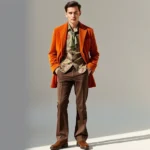
Men’s Fashion 2025: Expert Predictions and Trend Forecasts
The landscape of men’s fashion is undergoing a remarkable transformation as we move into 2025. Industry experts, renowned designers, and trend forecasters are united in their vision of a year that celebrates bold individualism, sustainable choices, and a sophisticated blend of heritage craftsmanship with cutting-edge innovation. This comprehensive guide explores the most influential trends shaping men’s wardrobes, offering actionable insights for anyone looking to elevate their style game in the coming year.
From the runways of Milan to the streets of Brooklyn, 2025 promises to deliver a refreshing departure from conventional masculinity in fashion. The predictions point toward a more inclusive, experimental, and purposeful approach to dressing, where personal expression takes precedence over rigid dress codes and where quality craftsmanship becomes a badge of honor in an increasingly conscious consumer market.
Color Palettes and Textures Dominating 2025
The color story for men’s fashion in 2025 is distinctly more adventurous than previous years. While neutral tones continue to serve as the foundation of any well-curated wardrobe, the emphasis has shifted toward unexpected color combinations and rich, saturated hues that demand attention. According to Vogue, the palette includes deep burgundy, forest green, and sophisticated terracotta alongside classic blacks and grays.
Texture plays an equally crucial role in 2025’s fashion narrative. Men are increasingly embracing varied textures—from buttery suede to crisp linen, corduroy, and innovative technical fabrics. The trend isn’t merely about visual interest; it’s about creating tactile experiences through clothing. Layering different textures has become a hallmark of sophisticated dressing, allowing individuals to find their personal style through experimentation.
Monochromatic dressing in tonal variations has gained significant momentum, with fashion experts suggesting that wearing different shades of the same color creates a more refined, intentional appearance. This approach allows for subtle sophistication without veering into controversial territory, making it ideal for professional settings while remaining distinctly fashionable.
Silhouettes and Fits Redefining Men’s Wear
2025 marks a pivotal moment in how men’s silhouettes are being reimagined. The tyranny of the slim fit is officially over, replaced by a more democratic approach to tailoring that celebrates diverse body types and personal preferences. Fashion forecasters predict that oversized and relaxed fits will continue their reign, but with a crucial distinction: intentionality and proportion.
The key to mastering 2025’s silhouettes lies in understanding balance. An oversized shirt pairs beautifully with tapered trousers; wide-leg pants work elegantly with a fitted or cropped top. This play on proportions creates visual interest and prevents the shapeless aesthetic that plagued early oversized fashion trends. Business of Fashion highlights that tailoring remains paramount—even relaxed pieces should be tailored to individual measurements.
Cropped silhouettes have evolved beyond streetwear into mainstream fashion, with cropped trousers, abbreviated jackets, and shorter hemlines appearing in luxury collections. This trend particularly appeals to younger demographics seeking to differentiate themselves while maintaining sophistication. The rise of cargo pants with updated cuts and refined fabrics represents another significant shift, moving away from purely utilitarian designs toward fashion-forward interpretations.
Oversized blazers, a trend that gained momentum in recent years, continue to dominate but with refinement. The 2025 interpretation involves premium fabrics, precise tailoring despite the relaxed cut, and strategic layering that prevents an unkempt appearance. This represents a maturation of the trend, where comfort and style coexist seamlessly.
Sustainability as a Fashion Imperative
Environmental consciousness has transcended niche appeal to become a central tenet of men’s fashion in 2025. Consumers increasingly demand transparency regarding production methods, material sourcing, and labor practices. This shift isn’t merely ethical; it’s aesthetic and economic, as sustainable fashion often correlates with superior quality and longevity.
Regenerative materials take center stage, with innovative alternatives to traditional fabrics gaining prominence. Lab-grown leather, recycled ocean plastics, and innovative plant-based materials offer performance comparable to conventional options while reducing environmental impact. Brands committed to circular fashion—designing for longevity and eventual recycling—attract discerning consumers who view their wardrobe investments as meaningful choices.
The concept of a capsule wardrobe, emphasizing quality over quantity, aligns perfectly with sustainability imperatives. Rather than chasing fleeting trends, the 2025 approach encourages investing in timeless pieces that transcend seasonal cycles. This philosophy relates directly to understanding different fashion styles and how they inform lasting personal aesthetics.
Vintage and secondhand fashion experiences a renaissance as sustainability-minded consumers recognize the environmental benefits of extending garment lifecycles. Luxury resale platforms have become status symbols themselves, democratizing access to premium brands while reducing waste. This trend particularly resonates with younger demographics who view thrifting as both environmentally responsible and authentically cool.
Accessories: The New Power Players
In 2025, accessories have evolved from supplementary elements to primary fashion statements. A carefully selected watch, distinctive eyewear, or statement bag can completely transform an outfit, allowing individuals to express personality within professional or conservative dress codes. This democratization of style through accessories proves particularly valuable in corporate environments where clothing choices may be restricted.
Footwear remains paramount, with sneaker culture continuing to influence high fashion. However, 2025 sees a maturation of this trend, with luxury brands collaborating on limited editions that blur the line between athletic and formal wear. Simultaneously, classic leather shoes experience a renaissance, with updated silhouettes and innovative color treatments appealing to fashion-forward traditionalists.
Bags have transitioned from purely functional to aspirational pieces. Crossbody bags, shoulder bags, and refined backpacks in premium materials serve as conversation starters and style anchors. The trend toward smaller, more structured bags reflects broader cultural shifts toward intentional consumption and minimalism.
Jewelry for men continues its evolution toward bolder, more expressive pieces. Signet rings, delicate chains, and statement bracelets move beyond subculture signaling into mainstream acceptance. The key to wearing men’s jewelry successfully in 2025 involves confidence and intentionality—pieces should feel like natural extensions of personal style rather than costume elements.
Scarves, hats, and eyewear offer endless opportunities for seasonal rotation and personal expression. A well-chosen scarf can elevate a casual outfit to sophisticated, while distinctive eyewear frames become recognizable personal signatures. These accessories allow for trend experimentation without the financial commitment of investing in new clothing pieces.
Luxury Meets Streetwear: The Ongoing Convergence
The boundary between luxury fashion and streetwear continues to blur in 2025, creating an exciting landscape where high-end craftsmanship meets urban authenticity. This convergence isn’t new, but its maturation brings sophistication and nuance previously absent from the trend.
Luxury brands increasingly collaborate with streetwear designers and cultural influencers, recognizing that contemporary style authority resides outside traditional fashion institutions. These partnerships produce collections that honor both heritage and innovation, appealing to consumers who reject false dichotomies between “high” and “low” fashion.
The aesthetic of 2025 luxury-streetwear fusion emphasizes quality construction, premium materials, and subtle branding. Logos fade in prominence as craftsmanship becomes the ultimate status symbol. This represents a maturation of conspicuous consumption into more refined, insider-oriented fashion appreciation.
Techwear and functional fashion continue influencing mainstream menswear, with practical features like hidden pockets, weather-resistant fabrics, and modular designs appearing in luxury collections. This fusion addresses real-world needs while maintaining aesthetic sophistication, appealing to modern men who refuse to sacrifice functionality for style.
Heritage Brands Evolution and Innovation
Established fashion houses demonstrate remarkable adaptability in 2025, respecting their heritage while embracing contemporary values and aesthetics. The most successful heritage brands balance nostalgia with innovation, creating collections that honor their history without appearing dated or irrelevant.
Reissues and reimaginations of classic pieces dominate luxury collections, with designers offering fresh perspectives on iconic silhouettes. A vintage trench coat receives updated proportions; classic loafers gain unexpected color treatments; heritage fabrics appear in contemporary cuts. This approach satisfies both tradition-minded consumers and those seeking modern interpretation.
According to Women’s Wear Daily, heritage brands increasingly emphasize storytelling and craftsmanship, positioning themselves as custodians of fashion knowledge and tradition. This narrative-driven approach resonates particularly with conscious consumers who value understanding the origins and production methods of their clothing.
Collaborations between heritage brands and contemporary designers inject fresh energy into established houses. These partnerships often produce unexpected collections that challenge assumptions about what these brands represent, introducing them to new audiences while surprising longtime customers.
Finding Your Personal Style in 2025
The democratization of fashion information and the celebration of individual expression make 2025 an ideal time to develop an authentic personal style. Rather than blindly following trends, the most stylish men in 2025 curate wardrobes that reflect their values, lifestyle, and aesthetic preferences. Understanding how to find your personal style becomes essential in navigating the abundance of options available.
Beginning with self-assessment helps establish a foundation for personal style development. Consider your lifestyle—professional requirements, leisure activities, climate, and social environments shape appropriate clothing choices. Evaluate your aesthetic preferences by collecting inspiration from diverse sources: fashion publications, street style photography, social media, and real-world observations of people whose style resonates with you.
Investing in foundational pieces ensures versatility and longevity in your wardrobe. Quality basics—well-fitting jeans, neutral-toned shirts, classic blazers, and essential knitwear—serve as building blocks for countless outfits. These pieces should be selected based on personal proportions and color preferences rather than generic sizing advice. Consider how to dress for professional settings when selecting basics that work across contexts.
Experimentation remains crucial for style development. 2025’s fashion landscape encourages trying unconventional combinations, exploring color beyond traditional safety zones, and testing silhouettes outside comfort zones. This experimentation should feel playful rather than risky—begin with accessories or layering pieces before investing in statement garments.
Understanding fashion history provides context for contemporary trends and prevents cyclical fashion mistakes. Recognizing that trends recur helps distinguish timeless pieces from temporary fads, informing investment decisions. Fashion literacy becomes a practical tool for building a cohesive, personally meaningful wardrobe.
Building relationships with quality retailers and tailors elevates your personal style exponentially. A skilled tailor transforms good pieces into perfect ones, ensuring proper fit regardless of body type. Knowledgeable retailers provide guidance, curate selections, and offer personalized recommendations based on individual preferences and needs.

” alt=”Stylish man wearing oversized blazer with tapered trousers and designer sneakers, demonstrating balanced proportions in 2025 menswear silhouettes” />
Creating a cohesive color palette simplifies outfit coordination and ensures visual harmony across your wardrobe. Rather than random color selection, choose a primary palette of two to three neutral tones, then select accent colors that complement your complexion and personal preferences. This intentional approach makes getting dressed more efficient while ensuring outfits appear coordinated and intentional.
Documenting your personal style evolution through photography helps identify patterns and preferences. Over time, visual records reveal which pieces you actually wear, which color combinations feel authentic, and which trends you naturally gravitate toward. This data-driven approach to style development proves invaluable for future purchasing decisions.
The role of confidence in personal style cannot be overstated. Wearing clothing with intentionality and conviction transforms even unconventional combinations into compelling style statements. 2025’s fashion landscape celebrates authenticity and self-assurance, rewarding those who dress for themselves rather than external validation.
FAQ
What are the biggest men’s fashion trends for 2025?
The primary trends include oversized and relaxed silhouettes with intentional proportions, bold color palettes beyond traditional neutrals, sustainable and innovative materials, luxury-streetwear fusion, and statement accessories. Texture experimentation, cropped silhouettes, and refined heritage pieces also dominate the 2025 landscape.
How can I incorporate 2025 trends into my existing wardrobe?
Begin with accessories and layering pieces to experiment with trends before committing to larger purchases. Update basics with premium, sustainable materials. Invest in one statement piece per season—perhaps an oversized blazer or distinctive footwear—then build outfits around these anchor pieces using existing wardrobe items.
Is sustainability in fashion important for men’s style in 2025?
Absolutely. Environmental consciousness has become central to contemporary fashion, influencing material selection, production practices, and consumer purchasing decisions. Sustainable fashion often correlates with superior quality and longevity, making it both ethically and economically sound.
How do I find my personal style in 2025?
Start by assessing your lifestyle and aesthetic preferences. Collect inspiration from diverse sources. Invest in quality foundational pieces. Experiment with combinations, colors, and silhouettes. Study fashion history for context. Build relationships with quality retailers and tailors. Document your style evolution through photography to identify authentic preferences.
What’s the difference between 2025 luxury and streetwear fashion?
The distinction continues to blur in 2025. The most compelling contemporary fashion combines luxury craftsmanship and materials with streetwear’s authenticity and cultural relevance. Successful pieces emphasize quality construction and subtle branding over logos, creating insider-oriented fashion appreciation that transcends traditional hierarchies.
Are oversized fits still relevant in 2025?
Yes, but with refinement. The key to wearing oversized pieces successfully involves intentional proportioning—pairing oversized items with fitted pieces, ensuring proper tailoring despite relaxed cuts, and selecting premium fabrics that drape elegantly. This mature approach prevents the shapeless aesthetic of early oversized trends.
What role do accessories play in 2025 men’s fashion?
Accessories have evolved from supplementary elements to primary fashion statements. A carefully selected watch, distinctive eyewear, premium bag, or statement jewelry can completely transform an outfit, allowing personal expression within professional or conservative dress codes. Accessories enable trend experimentation without significant financial commitment.
How should I approach color in 2025 menswear?
Move beyond traditional neutral safety zones toward richer, more saturated colors like deep burgundy, forest green, and terracotta. Experiment with monochromatic dressing in tonal variations. Consider your complexion when selecting colors. Use a cohesive color palette across your wardrobe to ensure outfits appear intentional and coordinated.
What footwear trends dominate 2025?
Luxury sneakers continue their influence through high-fashion collaborations, while classic leather shoes experience renaissance with updated silhouettes and innovative colors. The trend emphasizes quality construction and distinctive design over purely functional athletic wear. Statement footwear serves as style anchors for complete outfits.
How can I invest in sustainable men’s fashion?
Prioritize quality over quantity, building a capsule wardrobe of timeless pieces. Research brands’ sustainability practices and material sourcing. Consider vintage and secondhand fashion options. Invest in garments designed for longevity and eventual recycling. Choose innovative materials like lab-grown leather and recycled fabrics when available.