90s Men’s Fashion: Retro Trends Revived
The 1990s remain one of the most influential decades in fashion history, and men’s 90s fashion is experiencing an undeniable resurgence in contemporary style. From oversized silhouettes to minimalist aesthetics, the era that gave us grunge, hip-hop culture, and tech-inspired looks continues to shape how modern men dress today. Whether you’re looking to incorporate authentic 90s pieces into your wardrobe or understand the cultural significance behind these iconic trends, this comprehensive guide explores the key elements that defined a generation and why they’re making such a powerful comeback.
The beauty of 90s men’s fashion lies in its diversity and contradiction. The decade wasn’t defined by a single aesthetic but rather a fascinating collision of subcultures—from the flannel-wearing grunge movement to the sleek minimalism of haute couture, from baggy hip-hop silhouettes to the emerging tech-forward Y2K style. Understanding these distinct movements helps us appreciate how to authentically style 90s pieces today. As fashion cycles through time, the 90s aesthetic has proven timeless, offering versatile inspiration for anyone seeking to elevate their personal style with retro authenticity.
The Grunge Movement and Flannel Culture
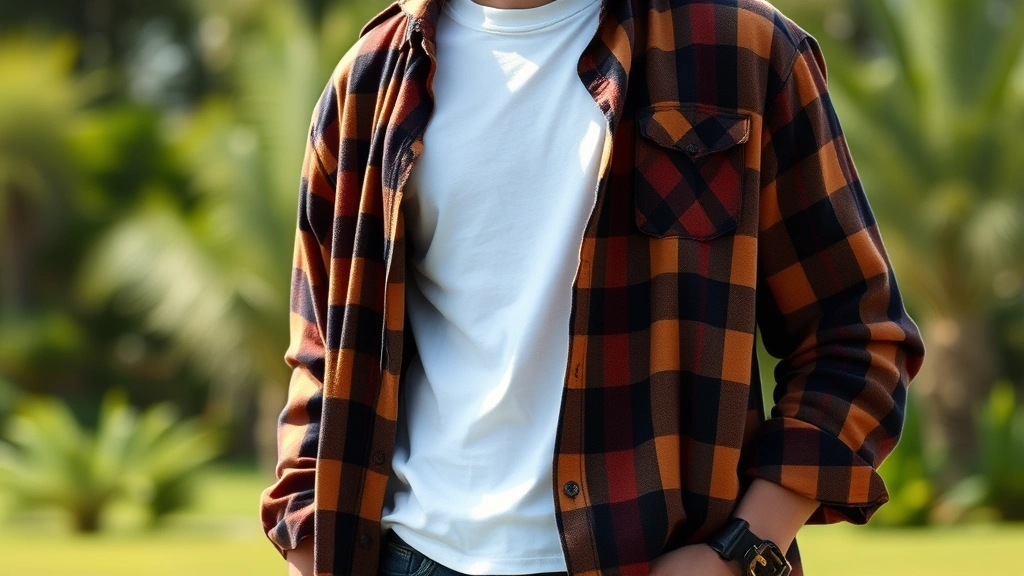
The grunge movement, originating from Seattle’s music scene, fundamentally transformed men’s fashion in the early 1990s. Kurt Cobain and bands like Nirvana, Pearl Jam, and Soundgarden didn’t intentionally create a fashion statement—they simply wore what was comfortable and affordable. Thrift store finds, worn-in denim, and oversized flannel shirts became symbols of authenticity and rebellion against the polished excess of the 1980s. This anti-fashion approach paradoxically became the most influential fashion movement of the decade.
Flannel shirts became the uniform of grunge culture, representing a deliberate rejection of materialism and status symbols. The beauty of this trend was its accessibility; you didn’t need expensive designer pieces to achieve the look. Oversized flannels paired with ripped jeans, worn band t-shirts, and chunky boots created an aesthetic that felt genuine rather than constructed. When exploring how to find your personal style, the grunge approach teaches us that authenticity resonates more powerfully than trend-chasing.
The flannel shirt’s versatility remains remarkable. Worn loose and unbuttoned over a plain tee, tied around the waist, or layered under vintage band merchandise, it became the cornerstone of 90s men’s fashion. Today’s revival of grunge elements proves that this aesthetic transcends generational boundaries. The key to modern grunge styling is embracing the intentional messiness while maintaining contemporary proportions—oversized but not cartoonish, worn but not deteriorated.
Minimalism and High Fashion
While grunge dominated street culture, the 1990s simultaneously witnessed a sophisticated minimalist movement in high fashion. Designers like Calvin Klein, Jil Sander, and Helmut Lang championed clean lines, neutral color palettes, and deliberately understated elegance. This wasn’t fashion designed to shout; it whispered with confidence. Minimalism represented a complete philosophical opposite to grunge yet somehow coexisted harmoniously within the same decade, reflecting the era’s creative diversity.
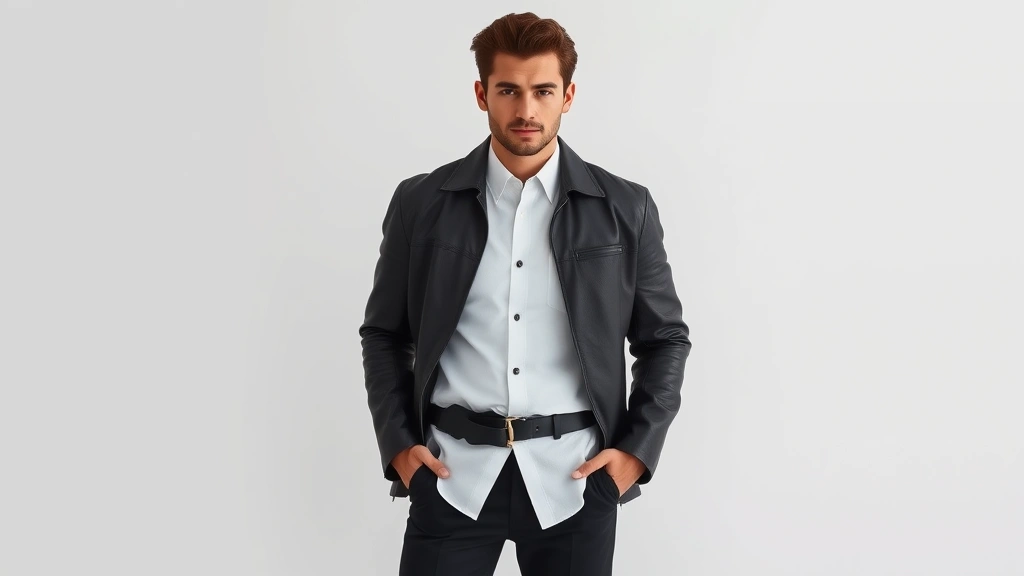
The minimalist approach emphasized quality over quantity, favoring tailored pieces in monochromatic schemes. Simple white t-shirts, perfectly fitted black trousers, and streamlined outerwear formed the foundation of this aesthetic. The appeal lay in the sophistication of simplicity—the understanding that true style requires no embellishment or explanation. This minimalist philosophy connects directly to understanding fashion style as a personal expression rather than costume.
For contemporary men interested in 90s fashion, the minimalist approach offers practical versatility. A well-fitted neutral-colored shirt, quality basics in black and white, and streamlined silhouettes create timeless foundations that transcend seasonal trends. The 90s minimalist movement taught us that restraint is powerful, and this lesson remains invaluable for modern wardrobe building. Incorporating these elements provides sophistication without the labor-intensive styling of more complex aesthetic movements.
Hip-Hop Fashion and Baggy Silhouettes
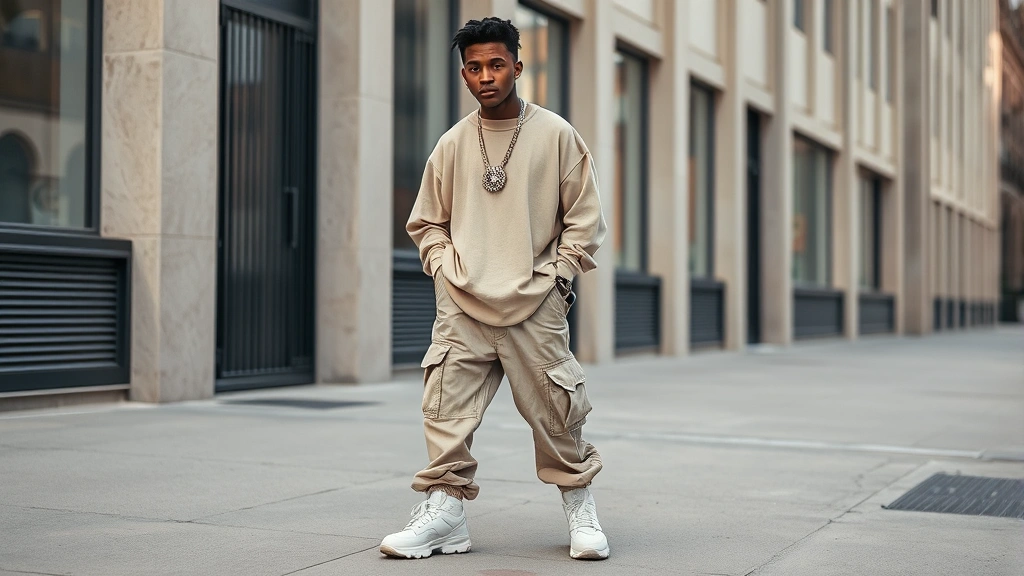
Hip-hop culture profoundly shaped 90s men’s fashion, introducing oversized silhouettes that directly contradicted both grunge’s thrifted casualness and minimalism’s tailored precision. Artists like Tupac, Biggie Smalls, and Dr. Dre popularized baggy jeans, oversized jerseys, and statement accessories that celebrated visibility and presence. This wasn’t anti-fashion like grunge; it was aspirational and celebratory, representing success and cultural pride within hip-hop communities.
Baggy jeans became iconic, often worn with the waistband sitting low on the hips, paired with oversized sports jerseys and Timberland boots. The silhouette seemed to occupy as much space as possible, contrasting sharply with mainstream fashion’s movement toward either minimalism or grunge’s careless drape. Accessories became crucial—oversized gold chains, fitted baseball caps, and brand-name everything communicated success and style authority. This approach to fashion emphasized self-expression and cultural identity in ways that influenced mainstream menswear permanently.
Understanding hip-hop’s influence on 90s men’s fashion requires recognizing it as a legitimate and powerful aesthetic movement, not merely a trend. The confidence and intentionality behind oversized silhouettes represented cultural statements about identity, community, and success. Modern interpretations of this style balance the original proportions with contemporary tailoring sensibilities, creating looks that honor the movement’s spirit while fitting current aesthetic standards. The types of fashion emerging from hip-hop culture demonstrate how street style and high fashion continuously influence each other.
Essential 90s Pieces Every Man Should Know
Building an authentic 90s-inspired wardrobe requires understanding the essential pieces that defined the era. These foundational items transcend specific subcultures and appear across grunge, minimalist, and hip-hop aesthetics, making them versatile anchors for contemporary styling.
- Flannel Shirts: The quintessential 90s piece, available in countless patterns and color combinations. Oversized flannel in earth tones or classic red-and-black checks remains instantly recognizable.
- White T-Shirts: Plain, simple, and endlessly versatile. The 90s elevated the basic white tee to iconic status, proving that simplicity communicates confidence.
- Denim: Whether ripped and distressed or clean and tailored, denim defined the decade. Straight-leg and slightly tapered cuts dominated, with strategic rips and fading adding character.
- Oversized Sweaters: Chunky knit sweaters in neutral tones provided warmth and visual interest without requiring elaborate styling.
- Cargo Pants: Utilitarian cargo pants with multiple pockets emerged as functional alternatives to traditional trousers, especially popular in hip-hop and Y2K contexts.
- Windbreakers: Nylon windbreakers in bold colors or color-blocking patterns represented 90s sportswear influence on casual fashion.
- Leather Jackets: Classic motorcycle-style leather jackets maintained relevance throughout the decade, worn by musicians and fashion-conscious men alike.
How to Style 90s Fashion Today
Incorporating 90s elements into modern wardrobes requires understanding proportion, context, and intentionality. The key lies in avoiding costume-like recreations while embracing the era’s authentic aesthetic principles. Understanding fashion articles and guides helps contextualize how vintage inspiration translates to contemporary styling.
Start with statement pieces rather than complete head-to-toe 90s looks. A vintage flannel shirt paired with modern slim-fit black jeans creates balanced nostalgia without appearing costume-like. The flannel provides period reference while contemporary tailoring keeps the overall silhouette current. Similarly, a minimalist white t-shirt with tailored trousers channels 90s high fashion without requiring vintage shopping.
Layering proves essential for authentic 90s styling. The decade embraced complexity through strategic layering—oversized flannel over fitted band tees, windbreakers over sweaters, leather jackets over everything. This approach adds visual interest and demonstrates intentional styling rather than random vintage assembly. When layering, maintain balance by pairing oversized pieces with fitted items, preventing the look from becoming shapeless.
Color coordination matters significantly. The 90s favored earth tones, neutrals, and bold primary colors. Successful modern 90s styling often relies on monochromatic or analogous color schemes, avoiding the chaotic color combinations that can appear dated. A brown flannel with cream tee and tan cargo pants reads as cohesive 90s styling; the same flannel with neon accents risks looking more costume than authentic.
The 90s Color Palette and Patterns
The 1990s established distinct color preferences that remain recognizable and influential today. Earth tones dominated across all aesthetic movements—burnt orange, mustard yellow, olive green, rust, and chocolate brown appeared consistently. These warm, muted tones created a visual distinction from the bright primaries of the 1980s and the cool neutrals that would emerge in the 2000s.
Neutrals held equal importance, with black, white, gray, and beige forming the foundation of minimalist and grunge aesthetics. The contrast between bold earth tones and cool neutrals created visual interest without appearing chaotic. Hip-hop culture introduced brighter accent colors—forest green, navy, and burgundy—but typically in structured pieces like jerseys and jackets rather than throughout entire outfits.
Pattern-wise, the 90s embraced plaid, checks, and color-blocking. Flannel plaid patterns came in countless variations, from subtle to bold. Geometric color-blocking appeared in windbreakers and sportswear, while minimal patterns characterized minimalist pieces. The key to modern 90s styling involves respecting these pattern traditions—wearing plaid with intention rather than accident, using color-blocking strategically, and avoiding overwhelming pattern combinations.
Iconic 90s Footwear
Shoes played a crucial role in 90s men’s fashion, with distinct styles emerging from different subcultures. Understanding footwear choices completes authentic styling and demonstrates knowledge of the era’s nuances.
Doc Martens became synonymous with grunge and alternative culture, their chunky silhouettes and utilitarian appearance perfectly complementing flannel and ripped denim. Timberland boots dominated hip-hop styling, worn with baggy jeans and oversized jerseys. Converse Chuck Taylors bridged multiple aesthetics, appearing equally at home with grunge outfits or minimalist ensembles. Nike and Adidas sneakers represented sportswear influence, while loafers and minimalist leather shoes completed high-fashion looks.
Air Jordan sneakers transcended footwear to become cultural icons, particularly within hip-hop communities. The evolution of basketball shoes into fashion statements represented a significant shift in how athletic wear integrated with everyday style. Platform shoes and chunky sneakers characterized the late 90s Y2K aesthetic, emphasizing statement-making footwear as a central styling element.
Modern 90s styling benefits from reinterpreting these shoe choices. Classic Converse and Doc Martens remain readily available and authentically 90s. Contemporary sneaker culture draws directly from 90s basketball shoe aesthetics, making it easy to find shoes that honor the era while fitting current design sensibilities. The key lies in selecting footwear that complements your chosen 90s aesthetic—chunky boots for grunge, clean sneakers for minimalism, statement shoes for hip-hop influence.
Modern Interpretation of Retro Trends
The most successful contemporary 90s fashion styling involves thoughtful reinterpretation rather than strict historical recreation. Modern fabrics, proportions, and construction techniques allow us to honor the era while creating looks that feel current and personally relevant. Learning about fashion history helps contextualize how trends cycle and evolve across decades.
Contemporary designers have embraced 90s references extensively. Brands like Alexander Wang and Maison Margiela draw inspiration from the era while maintaining modern sensibilities. High-street retailers offer affordable 90s-influenced pieces that capture the aesthetic without requiring vintage hunting. This democratization of 90s fashion makes the style accessible to anyone interested in exploring the trend.
The Y2K movement, increasingly popular in contemporary fashion, represents a natural evolution of 90s styling. Blending late-90s aesthetics with early-2000s sensibilities, Y2K fashion incorporates tech-inspired elements, metallic accents, and futuristic silhouettes alongside classic 90s foundations. This fusion demonstrates how retro trends continue evolving rather than remaining frozen in time.
Personal style integration matters most. Rather than adopting wholesale 90s aesthetics, consider which elements resonate with your existing style preferences. If you favor minimalism, explore 90s high fashion. If you appreciate casual comfort, grunge provides perfect inspiration. If you celebrate bold self-expression, hip-hop influence offers endless possibilities. The most authentic contemporary 90s styling honors the era while remaining true to individual preferences and contemporary context.
Sustainability considerations enhance 90s fashion revival. Thrifting and vintage shopping connect directly to the era’s original ethos—finding quality pieces at accessible prices. Many 90s items were constructed durably, making vintage pieces excellent sustainable choices. Shopping vintage honors the original spirit of grunge and minimalism while reducing fashion’s environmental impact.
FAQ
What are the main 90s fashion movements for men?
The three primary movements were grunge (flannel, ripped denim, thrifted aesthetic), minimalism (clean lines, neutral colors, tailored pieces), and hip-hop influence (baggy silhouettes, oversized jerseys, statement accessories). Each offered distinct aesthetics that coexisted throughout the decade, reflecting the era’s creative diversity and cultural complexity.
How can I style 90s fashion without looking like a costume?
Focus on individual pieces rather than complete looks. Pair one 90s item with modern staples—a flannel shirt with contemporary jeans, or minimalist basics with current footwear. Maintain proportion balance by combining oversized pieces with fitted items. Use color coordination and intentional layering to demonstrate thoughtful styling rather than random vintage assembly.
Where can I find authentic 90s pieces?
Thrift stores, vintage boutiques, and online vintage retailers offer genuine 90s pieces. Contemporary designers and high-street brands also offer 90s-inspired items that capture the aesthetic. The choice between authentic vintage and modern reproductions depends on budget, availability, and personal preference for authentic materials versus contemporary construction.
Are baggy silhouettes still fashionable?
Yes, oversized silhouettes have returned to mainstream fashion, particularly through Y2K and contemporary streetwear movements. Modern baggy styling differs from 90s hip-hop proportions, typically featuring more structured oversizing and contemporary tailoring. The key lies in balancing proportions—pairing oversized tops with fitted bottoms or vice versa.
Can I mix different 90s aesthetics?
Absolutely. Mixing grunge elements (flannel, ripped denim) with minimalist basics (simple tees, clean lines) creates interesting contemporary looks. Combining hip-hop influence (statement accessories, oversized pieces) with minimalist foundations works well when executed thoughtfully. The key is maintaining cohesion through color coordination and intentional proportion balance.
What shoes work best with 90s styling?
Classic options include Doc Martens (grunge), Timberland boots (hip-hop), Converse Chuck Taylors (versatile across aesthetics), and clean minimalist sneakers. Modern interpretations might include contemporary chunky sneakers that reference 90s silhouettes while featuring current design elements. Choose footwear that complements your specific 90s aesthetic direction.
How do I avoid looking dated when wearing 90s fashion?
Balance vintage elements with contemporary pieces and current tailoring standards. Avoid extreme proportions and ensure colors coordinate cohesively. Focus on quality pieces that were well-made originally. Consider contemporary interpretations rather than strict historical recreation. Personal styling confidence and intentionality matter more than perfect historical accuracy.