70s Men’s Fashion: Vintage Trends Revived
The 1970s represented a golden era of men’s fashion, a decade where bold self-expression collided with cultural revolution. From disco fever to bohemian aesthetics, seventies style redefined masculinity through daring colors, dramatic silhouettes, and unapologetic texture mixing. Today, as contemporary men seek authenticity and individuality in their wardrobes, the resurgence of men’s 70s fashion offers a treasure trove of inspiration that feels both nostalgic and surprisingly modern.
This iconic era wasn’t merely about following trends—it was about making a statement. Whether you’re drawn to the groovy patterns of early-seventies casual wear or the refined sophistication of late-70s menswear, understanding these vintage aesthetics can transform your personal style. The beauty of 70s fashion lies in its versatility; you can adopt a single element or fully embrace the complete retro-inspired look. Let’s explore how these timeless pieces and styling principles continue to influence fashion-forward men today.
The Rise of Disco and Nightlife Culture
The disco phenomenon fundamentally transformed men’s fashion during the 1970s. Studio 54 and similar venues became temples of style where men experimented with silhouettes and colors previously considered unconventional. The disco aesthetic embraced luxury, sensuality, and theatrical flair—qualities that extended far beyond the dance floor into everyday menswear.
Disco style introduced several signature elements: unbuttoned shirts revealing bronzed chests, fitted trousers with high waistbands, and shimmering fabrics that caught the light. The movement democratized fashion, allowing working-class men to dress like celebrities and express themselves through bold sartorial choices. This period saw the emergence of the leisure suit, a one-piece outfit that represented the ultimate expression of casual luxury and comfort.
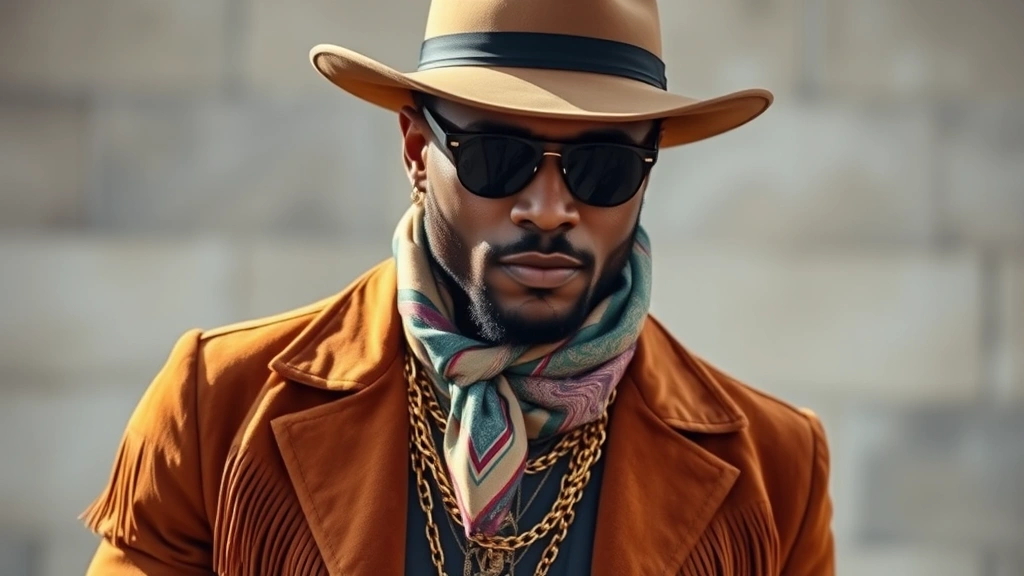
Beyond disco, the 1970s witnessed the simultaneous rise of bohemian and hippie-influenced menswear that continued from the late 1960s. Suede jackets, fringe details, and earth-toned palettes offered a counterculture alternative to the glittery nightlife scene. What made 70s fashion remarkable was this duality—the decade could simultaneously celebrate both hedonistic glamour and laid-back authenticity, allowing men to choose their fashion identity.
Understanding this cultural context helps explain why types of fashion styles from this era remain so compelling. The 70s didn’t prescribe one “correct” way to dress; instead, they encouraged men to explore and express their personalities through fashion choices.
Essential 70s Silhouettes and Cuts
The silhouettes of 1970s menswear represented a dramatic departure from the slim, structured looks of previous decades. Wide lapels dominated suit jackets, often reaching three to four inches in width—a stark contrast to contemporary tailoring. These oversized proportions created a more powerful, commanding presence that modern tailors have begun reinterpreting for contemporary men.
Flared and bell-bottom trousers defined the decade’s lower half. These pants featured dramatic leg openings that widened significantly from the knee down, often reaching eight to nine inches at the hem. When paired with platform shoes, the silhouette created an elongated, almost statuesque appearance. The high waistbands of these trousers sat well above the hip, a positioning that required adjustment for modern wearers accustomed to lower-rise jeans.
Shirts in the 70s featured exaggerated collar points that could measure up to four inches—sometimes called “butterfly collars” or “kipper ties” in their proportions. These oversized collars framed the face dramatically and often extended beyond the shoulder line of jackets. Short-sleeved shirts were equally popular, particularly in summer, with patterns that ranged from subtle to aggressively bold.
The bomber jacket evolved during the 70s into a more refined garment, often constructed from supple leather or suede. These jackets typically featured ribbed cuffs and waistbands, a slightly cropped silhouette, and sometimes elaborate embroidery or patches. Finding your personal style often begins with understanding which silhouettes flatter your body type—a principle equally valid whether adopting 70s pieces or contemporary cuts.
Color Palettes and Pattern Play
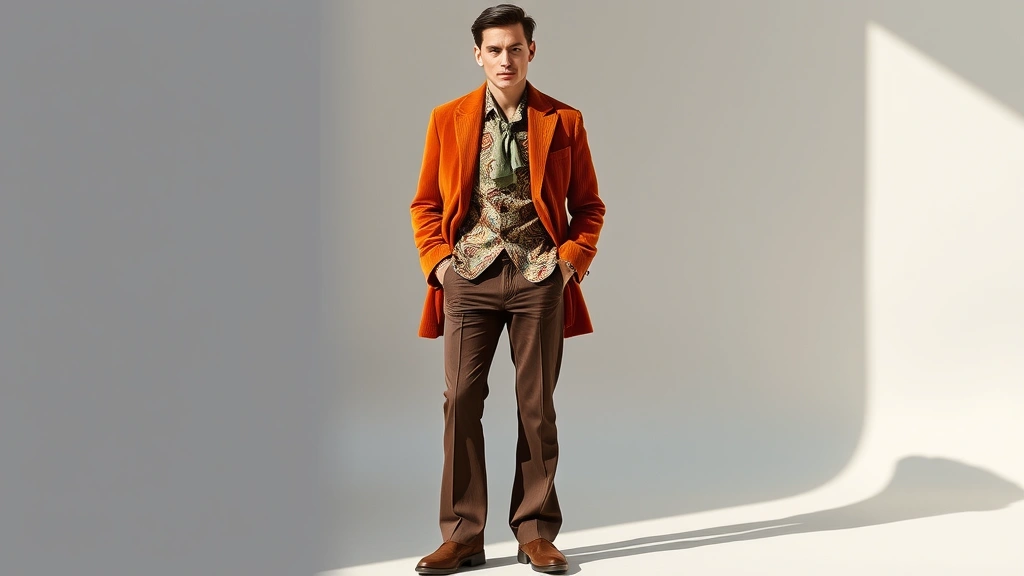
The 1970s exploded with color in ways that challenged traditional masculine dress codes. Burnt orange, mustard yellow, avocado green, and deep chocolate brown dominated color palettes throughout the decade. These warm, earthy tones reflected both the era’s natural, environmental consciousness and its embrace of sensuality in fashion.
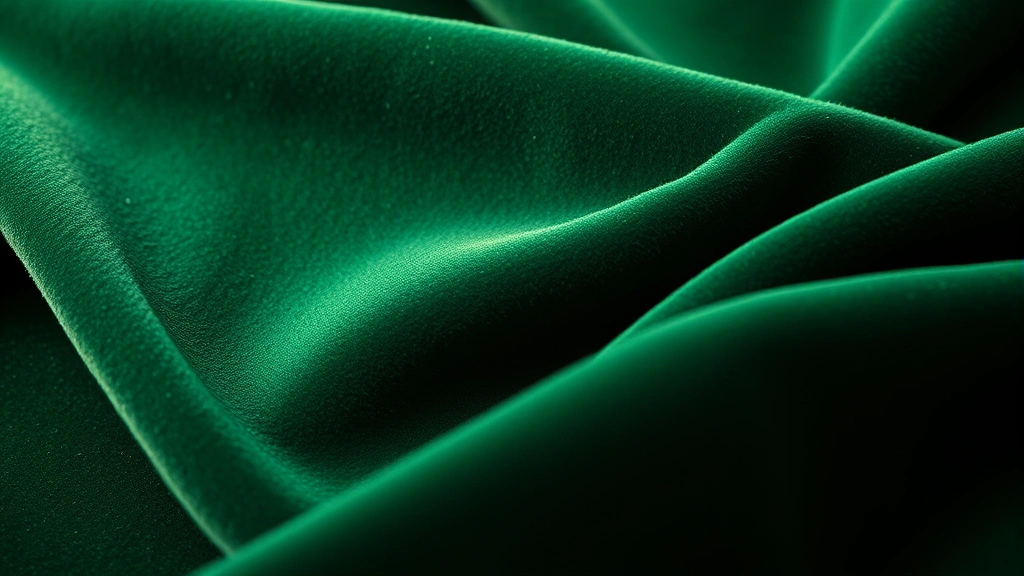
Jewel tones also gained prominence—rich emerald greens, sapphire blues, and ruby reds appeared in both casual and formal menswear. Paired with metallic accents or contrasting textures, these colors created visual interest and depth. Interestingly, many men who initially dismissed these warm hues as feminine have discovered that when styled confidently, they offer remarkable versatility and sophistication.
Pattern mixing reached new heights during the 70s. Paisley, geometric prints, floral motifs, and abstract designs covered everything from shirts to ties to full suits. Men weren’t afraid to combine patterns—a striped shirt beneath a patterned blazer, paired with a contrasting tie, represented standard practice. This fearless approach to color and pattern continues inspiring contemporary fashion designers seeking to break minimalist monotony.
Solid colors in jewel and earth tones provided essential anchors for these patterned pieces. Knowing when to balance bold patterns with solid colors became an essential styling skill. The complete fashion history timeline demonstrates how the 70s represented a pivotal moment when men’s fashion embraced decorative elements previously reserved for women’s clothing.
Iconic Fabrics That Defined the Era
Texture and fabric choice defined 70s menswear as much as silhouette and color. Polyester became synonymous with the decade, offering wrinkle resistance, affordability, and a lustrous sheen that caught light beautifully. While often maligned in retrospect, quality polyester blends created garments that draped elegantly and maintained their shape through wear and washing.
Corduroy and velvet provided tactile richness to both casual and dressy pieces. Corduroy shirts and jackets offered subtle texture that photographed beautifully and provided visual interest without relying solely on color. Velvet blazers, particularly in jewel tones, represented the height of 70s luxury and sensuality, worn by everyone from rock stars to businessmen.
Suede and leather dominated outerwear and accessories. Soft suede jackets, often in earth tones with fringe detailing, embodied the bohemian aesthetic. Leather coats featured prominently in both casual and formal contexts, sometimes with contrasting fabric panels or elaborate stitching. The craftsmanship of these pieces often surpassed contemporary alternatives, with many vintage items remaining supple and beautiful decades later.
Denim evolved during the 70s into a sophisticated fabric suitable for both casual and semi-formal occasions. Denim shirts, vests, and jackets appeared in darker washes, sometimes with contrasting stitching or embroidery. The durability and comfort of denim made it accessible to working-class men while maintaining enough visual interest to appeal to fashion-conscious individuals.
Satin and silk featured prominently in evening wear, shirts, and accessories. The sheen of these luxurious fabrics complemented the disco aesthetic perfectly, catching light and creating an undeniably glamorous appearance. Understanding fabric choices helps modern men style button down shirts with historical accuracy while maintaining contemporary relevance.
Footwear Essentials for 70s Style
Shoes in the 1970s made bold architectural statements. Platform shoes, particularly for men, reached heights of two to three inches or more. These weren’t confined to nightlife—men wore platforms for business, casual occasions, and everything between. Platforms appeared in leather, suede, and even patent finishes, often featuring chunky soles and thick heels.
The Chelsea boot remained popular throughout the 70s, evolving into versions with exaggerated soles and sometimes featuring contrasting elastic panels. Constructed from quality leather or suede, these boots provided both style and practicality for everyday wear. The slight heel and sleek silhouette complemented the decade’s tailored pieces perfectly.
Loafers experienced a renaissance during the 70s, with versions featuring decorative tassels, chains, or elaborate buckles. Slip-on shoes offered comfort and sophistication, particularly in leather or suede constructions. These shoes transitioned seamlessly from casual to business contexts, making them essential wardrobe staples.
Sandals and open-toed shoes gained acceptance for men during the 70s, reflecting broader cultural shifts toward casual comfort and bohemian aesthetics. Leather sandals with thick soles, sometimes featuring decorative straps or buckles, represented a departure from traditional masculine footwear conventions.
Sneakers and athletic shoes began their transformation from purely functional to fashionable during the 70s. Canvas high-tops and leather low-tops appeared in colors beyond basic white or black, sometimes featuring bold graphic designs or color blocking. The emerging sneaker culture of the 70s laid groundwork for contemporary sneaker obsession.
Accessorizing Like a 70s Icon
Accessories elevated 70s menswear from simple to spectacular. Ties represented the most obvious accessory evolution—kipper ties featured dramatically wide blades, often reaching four inches or more in width. These ties showcased bold patterns, textures, and colors that made powerful statements when worn with appropriate shirts and jackets.
Scarves became essential accessories, worn around the neck, tied at the waist, or draped casually over shoulders. Silk scarves in jewel tones or bold patterns added luxury and visual interest to both casual and formal outfits. The bohemian aesthetic particularly embraced scarves as layering elements that added personality and warmth.
Chains and jewelry represented important masculine accessories during the 70s. Gold chains worn visibly over unbuttoned shirts became iconic, along with rings, bracelets, and pendant necklaces. This embrace of jewelry challenged traditional masculine restraint, allowing men to experiment with adornment and self-expression. Fashion accessories from this era continue inspiring contemporary designers seeking to reintroduce decorative elements into men’s fashion.
Belts made bold statements, often featuring large buckles in silver, gold, or bronze metals. Decorative buckles sometimes incorporated initials, symbols, or elaborate designs that reflected personal interests or style preferences. Leather belts in earth tones complemented the decade’s color palettes while providing necessary functionality.
Hats experienced a fashion resurgence during the 70s. Wide-brimmed felt hats, fedoras with dramatic proportions, and casual caps all appeared frequently. These hats weren’t merely functional—they represented important style statements that completed outfits and expressed personality.
Incorporating 70s Trends Into Modern Wardrobes
Modern men don’t need to fully embrace 70s aesthetics to benefit from this era’s style lessons. Strategic incorporation of vintage elements can elevate contemporary wardrobes significantly. A single vintage-inspired piece—perhaps a corduroy blazer or patterned shirt—can anchor an outfit and provide conversation-starting style without appearing costume-like.
Wide-lapel blazers have returned to mainstream fashion, making it easier than ever to adopt this silhouette without seeking authentic vintage pieces. Contemporary tailors offer exaggerated lapels that echo 70s proportions while maintaining modern construction and fit standards. Pairing these blazers with slim, contemporary trousers creates an interesting contrast that feels both vintage-inspired and current.
Pattern mixing, that fearless 70s approach to combining prints and colors, translates beautifully into contemporary styling. A man might wear a subtle striped shirt beneath a patterned sweater, paired with solid trousers—a modern interpretation of 70s maximalism that feels less busy than full-period recreation. This approach requires confidence but rewards bold stylists with distinctive, memorable outfits.
Earth-tone color palettes offer immediate 70s inspiration that feels natural and sophisticated. Mustard, burnt orange, terracotta, and olive green appear regularly in contemporary collections, making it simple to build a 70s-influenced color story. These warm tones photograph beautifully and flatter diverse skin tones, explaining their persistent popularity.
Textured fabrics provide another accessible entry point. Corduroy and velvet appear regularly in contemporary menswear, offering tactile richness without requiring vintage shopping. Modern versions of these fabrics often feature improved construction and durability compared to their 70s predecessors, combining nostalgic appeal with practical longevity.
Understanding StyleLoom Daily Blog discussions of contemporary trends reveals how 70s influences appear regularly in high fashion. Designers consistently draw inspiration from this era, updating silhouettes and proportions for modern sensibilities while maintaining the essential spirit of 70s self-expression and individuality.
Shopping for Authentic Vintage Pieces
Sourcing genuine 1970s menswear requires knowledge and patience. Vintage specialty boutiques, particularly those focused on menswear, often maintain carefully curated collections of authentic pieces. These retailers typically authenticate items and provide detailed descriptions of condition, sizing, and provenance—crucial information for online purchases.
Online platforms dedicated to vintage fashion offer access to thousands of pieces from sellers worldwide. Established marketplaces provide buyer protection and seller ratings, reducing risk when purchasing sight-unseen. Patience proves essential when shopping online; finding specific pieces in excellent condition at reasonable prices requires consistent browsing and sometimes accepting near-matches.
Local thrift stores and estate sales occasionally yield remarkable finds at bargain prices. Success requires regular visits, willingness to search through less desirable pieces, and knowledge of quality indicators. Understanding fabric content, construction methods, and brand reputations helps identify valuable pieces among ordinary donations.
Authenticity matters for both quality and authenticity. Genuine 70s pieces typically feature superior construction, quality materials, and details that modern reproductions struggle to replicate convincingly. Learning to identify period-appropriate stitching, labels, and construction methods helps distinguish authentic vintage from newer reproductions marketed as vintage.
Sizing presents a significant consideration when shopping vintage. 70s garments were typically cut generously, with men’s clothing sized differently than contemporary standards. A vintage size 42 jacket might fit modern size 40, while shirts often run large. Detailed measurements provided by reputable sellers help navigate these differences.
Budget considerations influence vintage shopping strategy. Iconic pieces from famous designers or rare items command premium prices, while less well-known brands offer quality at lower price points. Building a 70s-inspired wardrobe often involves mixing investment pieces with more affordable finds, creating a cohesive look without excessive spending.
Caring for vintage pieces ensures longevity and continued enjoyment. Proper storage protects fabrics from damage, while professional dry cleaning maintains quality without excessive wear. Understanding specific fabric requirements—some delicate materials require specialized care—helps preserve these pieces for years of wear.
FAQ
What are the most iconic 70s men’s fashion pieces?
Wide-lapel blazers, flared trousers, platform shoes, corduroy jackets, and patterned shirts represent quintessential 70s pieces. Leisure suits, while controversial today, epitomized the era’s approach to casual luxury. These silhouettes remain recognizable and influential in contemporary fashion.
How can I wear 70s fashion without looking like a costume?
Focus on individual elements rather than complete recreation. Incorporate one vintage piece—perhaps a corduroy blazer or patterned shirt—with contemporary clothing. This approach honors 70s aesthetics while maintaining modern sensibility. Confidence in styling choices matters more than perfect historical accuracy.
Where should I shop for authentic 70s menswear?
Vintage specialty boutiques, established online marketplaces like Depop or Vestiaire Collective, local thrift stores, and estate sales all offer authentic pieces. Building relationships with knowledgeable vintage dealers provides access to quality items and expert guidance on authenticity and sizing.
Are 70s fashion trends actually wearable today?
Absolutely. Contemporary fashion regularly incorporates 70s elements, from silhouettes to color palettes. Many men find that vintage pieces offer superior quality and construction compared to modern fast fashion. The key lies in styling these pieces thoughtfully within contemporary contexts.
What’s the difference between 70s and 60s menswear?
The 60s favored slimmer silhouettes, while the 70s embraced wider proportions. Color and pattern became bolder in the 70s, and the 70s introduced disco and bohemian influences that distinguished it from the mod and counterculture movements of the 60s.
Can I mix 70s pieces with contemporary clothing?
Yes, and this approach often yields the most interesting results. Pairing vintage pieces with modern basics creates balance and prevents costume-like appearances. This mixing strategy allows experimentation with 70s aesthetics while maintaining contemporary relevance and personal style.