Maple Syrup Old Fashioned: The Bartender’s Complete Guide to Mastering This Classic Cocktail
The maple syrup old fashioned represents a sophisticated evolution of one of cocktail culture’s most iconic drinks. This refined variation transforms the traditional whiskey-based classic into something distinctly North American, infusing warmth and complexity that appeals to both seasoned cocktail enthusiasts and curious newcomers. Whether you’re a professional bartender looking to elevate your menu or a home mixologist eager to impress guests, understanding the nuances of this maple-forward interpretation is essential.
What makes the maple syrup old fashioned truly special is how it bridges the gap between timeless cocktail tradition and contemporary flavor preferences. The natural sweetness and subtle woodiness of quality maple syrup complement aged spirits in ways that standard sugar simply cannot achieve. This guide will walk you through every aspect of creating, serving, and perfecting this increasingly popular variation, ensuring your maple syrup old fashioned becomes the talk of any gathering.
Understanding the Classic Old Fashioned Foundation
The old fashioned holds a revered position in cocktail history, originating in Louisville, Kentucky during the late 19th century. This drink emerged as a response to bartenders’ increasingly complex creations, with patrons requesting cocktails made “the old-fashioned way.” The original formula remains elegantly simple: whiskey, sugar, water, and bitters, stirred with ice and garnished with a citrus twist and cherry. Understanding this foundational recipe is crucial before experimenting with maple syrup variations.
The old fashioned’s enduring appeal lies in its balance and restraint. Unlike flashy contemporary cocktails, this drink celebrates the spirit itself, allowing quality whiskey to shine while supporting ingredients enhance rather than overwhelm. When you introduce maple syrup into this equation, you’re not abandoning tradition—you’re respectfully reimagining it. The maple syrup old fashioned maintains the drink’s essential character while adding depth, complexity, and a distinctive regional character that modern cocktail culture increasingly celebrates.
Bartenders who master the classic old fashioned first find it much easier to execute superior maple variations. You’ll understand how ice melting affects dilution, how bitters integration works, and why proportions matter so profoundly. This foundational knowledge becomes your compass when navigating the creative possibilities that maple syrup introduces to the equation.
Why Maple Syrup Elevates the Experience
Maple syrup brings something genuinely special to the old fashioned formula that distinguishes it from sugar-based versions. The complexity of pure maple syrup includes subtle caramel notes, a slight woodiness, and an almost honey-like undertone that creates a more nuanced sweetness profile. Unlike refined sugar, which dissolves cleanly and disappears into the background, maple syrup leaves a lingering presence that complements aged spirits beautifully.
The flavor compounds in maple syrup—particularly those found in darker grades—create a natural synergy with the vanilla, oak, and caramel notes already present in quality whiskey. This complementary relationship means your maple syrup old fashioned achieves greater harmony than you might expect. The drink doesn’t taste like whiskey with maple flavoring added; instead, it tastes like a cohesive whole where each element supports and enhances the others.
From a textural perspective, maple syrup also changes how the drink feels on your palate. It creates a slightly richer mouthfeel, a subtle viscosity that makes the cocktail feel more substantial and luxurious. This sensory experience contributes to the overall impression of sophistication and intentionality that transforms a simple drink into a memorable one. When guests sip a properly made maple syrup old fashioned, they’re experiencing not just flavor but an entire sensory journey.
The maple syrup old fashioned also carries cultural significance. It celebrates North American heritage, particularly Canadian and New England traditions, in a way that resonates with contemporary consumers seeking authenticity and regional identity in their beverages. This cultural dimension adds another layer of appeal, making the drink more than just a pleasant cocktail—it becomes a conversation starter and a statement about bartending philosophy.
Essential Ingredients and Sourcing
Creating an exceptional maple syrup old fashioned begins with sourcing premium ingredients. Your maple syrup choice fundamentally impacts the final result, so understanding the different grades available is essential. Grade A maple syrups, particularly those labeled as “Dark” or “Very Dark,” provide the richest flavor profiles suitable for cocktail applications. These darker syrups have been boiled longer, developing deeper caramel and molasses notes that pair exceptionally well with whiskey.
Pure maple syrup is non-negotiable—avoid pancake syrups or blended products that contain additives. The difference in quality is immediately apparent on the palate. When selecting your maple syrup, look for producers who practice sustainable harvesting and provide transparency about their products. Supporting quality producers also aligns with the values of consumers who appreciate craft cocktails and artisanal ingredients.
Beyond maple syrup, you’ll need high-quality whiskey that can stand up to the drink’s other flavors. Bourbon remains the traditional choice, offering sweetness and vanilla notes that complement maple beautifully. However, rye whiskey provides spicier characteristics that create interesting complexity, while aged Canadian whisky offers smoothness that lets maple flavors shine. Your spirit choice should reflect your personal preference and the overall flavor profile you’re pursuing.
Bitters selection matters more than many home bartenders realize. Angostura bitters remain the classic choice, but exploring alternatives like chocolate bitters, walnut bitters, or specialized craft bitters can add intriguing dimensions to your maple syrup old fashioned. Some bartenders create house-made bitters specifically formulated to complement maple flavors, elevating their cocktails beyond standard versions.
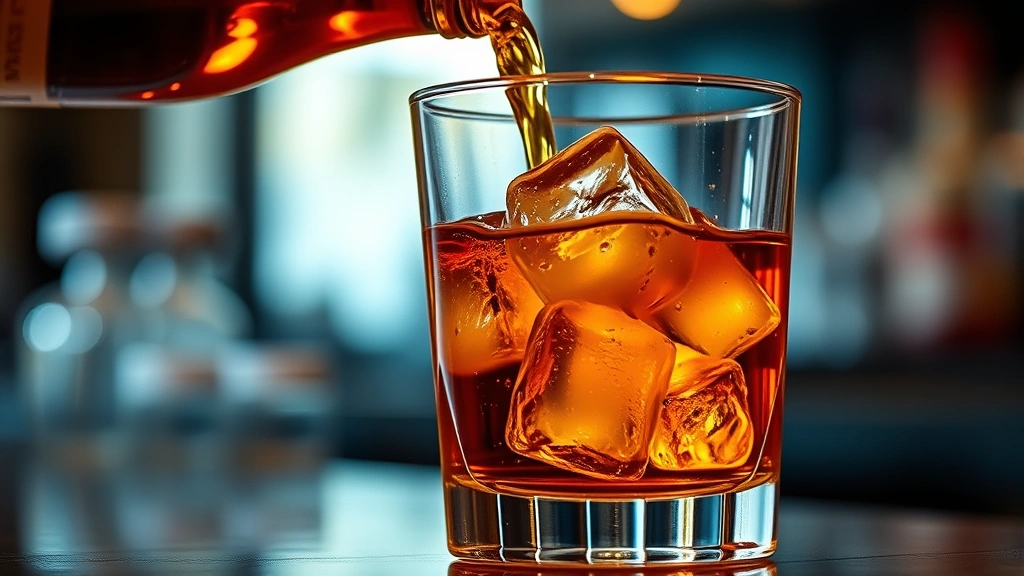
Water quality often gets overlooked but significantly impacts your final drink. Filtered water is preferable to tap water in most locations, and some professional bartenders use specific mineral contents to influence how flavors develop. Ice quality matters equally—large, clear ice cubes melt more slowly than standard ice, allowing your drink to achieve proper dilution without becoming watered down.
Finally, consider your garnish ingredients. Fresh citrus—preferably organic—ensures your twists carry no pesticide residues. Luxardo maraschino cherries have become the standard for quality cocktails, offering a tart complexity that complements the maple syrup old fashioned’s flavor profile far better than artificially colored alternatives.
Step-by-Step Preparation Techniques
Proper technique transforms good ingredients into an exceptional cocktail. Begin by chilling your glass—place it in the freezer for at least five minutes or fill it with ice water while you prepare the drink. A cold glass maintains your cocktail’s temperature longer and enhances the overall drinking experience. Some bartenders prefer using rocks glasses specifically designed for spirit-forward cocktails, which showcase the drink’s color and allow the aroma to develop properly.
Pour approximately one-quarter ounce of pure maple syrup into your mixing glass. The exact amount depends on your preferences and the syrup’s intensity, but this serves as an excellent starting point. Add two to two and one-half ounces of your chosen whiskey—use a jigger for precision, as eyeballing measurements leads to inconsistency. The higher ratio of spirits to sweetener defines an old fashioned, distinguishing it from sweeter cocktail variations.
Add two or three dashes of quality bitters directly to the mixing glass. These bitters integrate better when added before ice, allowing them to distribute throughout the mixture. Some bartenders prefer adding bitters after ice, claiming it creates better integration—experiment to discover your preferred method. Add a small splash of water—roughly one-quarter ounce—to help dissolve the maple syrup and begin the dilution process.
Fill your mixing glass with large ice cubes, filling it approximately three-quarters full. Using a bar spoon, stir the mixture continuously for about thirty seconds. You’re aiming for proper dilution and temperature reduction without over-stirring, which can cause excessive ice melting. The drink should become noticeably colder, and you should hear a subtle change in sound as the ice begins to melt slightly.
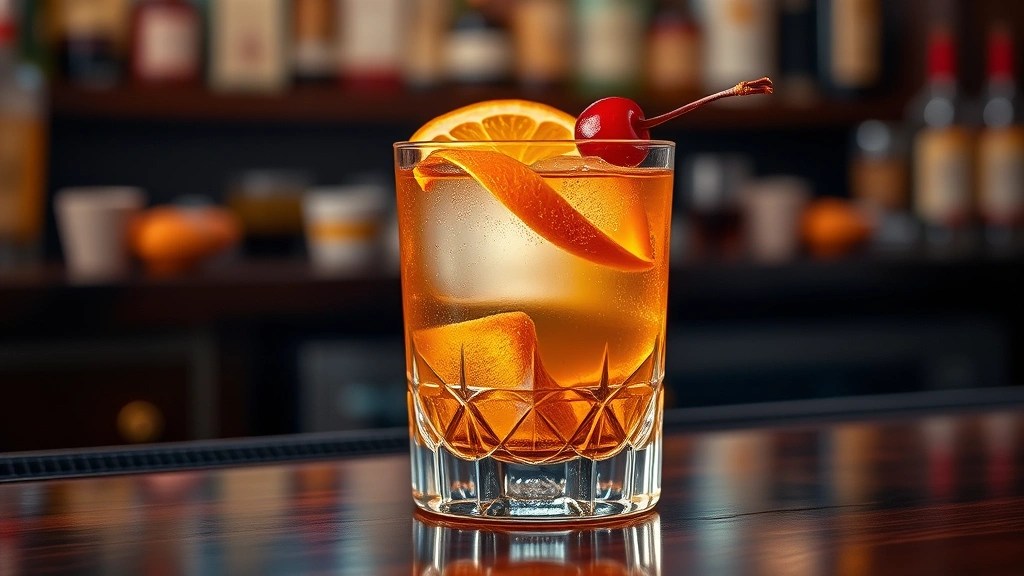
Strain your cocktail into the prepared glass filled with fresh large ice. The ice in your serving glass should be different from the ice in your mixing glass—this prevents dilution from melted ice already present in the glass. Express a citrus twist over the drink by twisting it sharply over the surface, allowing essential oils to spray across the cocktail’s surface and rim. This final aromatic element significantly enhances the drinking experience.
Place the expressed twist into the glass, allowing it to rest against the ice. Some bartenders prefer adding a cherry, while others consider it optional. If using a cherry, select one of exceptional quality that won’t overpower the drink’s delicate balance. The final presentation should look elegant but unpretentious, allowing the cocktail’s beautiful amber color to shine.
Spirit Selection and Pairing
Your whiskey choice fundamentally shapes your maple syrup old fashioned’s character. Premium bourbon selections like Buffalo Trace, Woodford Reserve, or Four Roses offer excellent starting points for those new to this cocktail. These bourbons provide sufficient age and complexity to stand up to maple syrup while remaining accessible and reasonably priced. As your palate develops, explore small-batch and single-barrel offerings that provide unique flavor profiles.
Rye whiskey enthusiasts will discover that rye’s characteristic spiciness creates fascinating interplay with maple’s sweetness. Brands like Sazerac, Rittenhouse, or Old Overholt provide traditional rye character at various price points. The botanical spice notes in quality rye add complexity that some bartenders believe elevates the maple syrup old fashioned beyond bourbon versions. Consider your guests’ preferences when selecting between bourbon and rye—some will prefer bourbon’s approachability, while others will appreciate rye’s distinctive character.
Canadian whisky represents an often-overlooked option that pairs beautifully with maple syrup. The smoothness and subtle sweetness of quality Canadian whisky allows maple flavors to emerge prominently without the drink becoming overly sweet. Crown Royal, while a mainstream option, actually performs admirably in this application. More serious cocktail enthusiasts might explore craft Canadian distilleries producing exceptional whisky at reasonable prices.
Scotch whisky rarely appears in traditional old fashioneds, but some experimental bartenders find that peated or lightly peated Scotch creates intriguing smoke-and-maple combinations. This pairing works best for adventurous drinkers and should be approached cautiously, as the combination can overwhelm rather than complement. However, non-peated Scotches with honey or vanilla notes can create sophisticated maple syrup old fashioneds that appeal to Scotch enthusiasts.
Consider the spirit’s age when making your selection. Younger whiskeys (two to four years) offer vibrant, fruity characteristics that can feel bright with maple syrup. Older whiskeys (six years and beyond) provide deeper oak and caramel notes that create more complex, contemplative drinks. Neither approach is superior—they simply create different experiences suited to different occasions and preferences.
Many bartenders recommend tasting your chosen spirit neat before incorporating it into cocktails. Understanding the whiskey’s inherent flavor profile helps you predict how it will interact with maple syrup and bitters. This tasting practice also develops your palate, making you a more knowledgeable bartender capable of explaining your choices to curious customers.
Garnishing for Maximum Impact
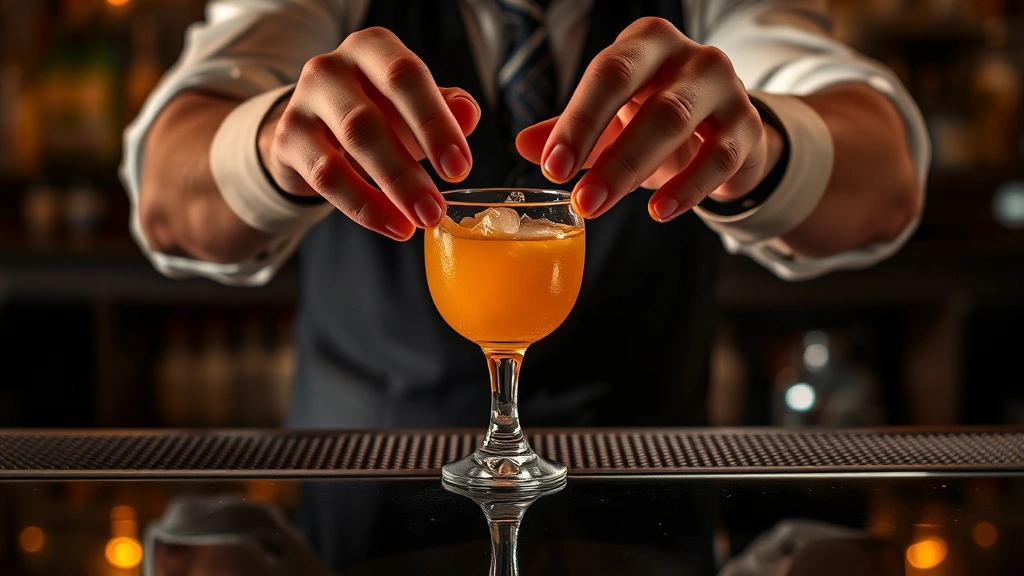
Garnishing represents the final opportunity to influence your drinker’s experience, and the maple syrup old fashioned’s presentation deserves careful attention. The citrus twist serves multiple purposes—it adds visual appeal, provides aromatic enhancement, and contributes subtle flavor through essential oils. Express your twist with confidence, allowing the oils to create a fine mist across the drink’s surface. This theatrical moment becomes part of the drinking experience, signaling that you’ve prepared something special.
Choose between lemon and orange twists based on your whiskey selection and personal preference. Lemon twists provide brightness and acidity that can cut through richness, making them excellent with bourbon. Orange twists offer warmth and subtle sweetness that complements maple beautifully, creating a harmonious flavor experience. Some bartenders express both twists, creating more complex aromatics that enhance the overall impression.
The cherry selection matters more than many realize. Traditional maraschino cherries—particularly Luxardo brand—provide tart complexity that balances the drink’s sweetness. Avoid bright red, artificially colored cherries that taste primarily of sugar and food coloring. Some craft bartenders prepare house-made cherries preserved in spirits, creating unique flavor profiles that distinguish their version of the maple syrup old fashioned.
Consider unconventional garnishes that might elevate your presentation. A cinnamon stick stirrer adds warmth and spice that complements both maple and whiskey. A sprig of fresh thyme or rosemary introduces herbal notes that create sophisticated complexity. A single crystal of maple sugar on the rim provides visual interest and a subtle sweet element that dissolves as guests sip. These creative touches should enhance rather than distract from the drink’s essential character.
The ice itself serves as both functional and aesthetic garnish. Large, clear ice cubes look substantially more elegant than standard ice and perform better functionally. If your establishment has access to specialty ice from craft ice suppliers, the visual impact of perfectly clear cubes elevates the entire presentation. This attention to detail communicates professionalism and respect for your craft.
Variations and Creative Twists
Once you’ve mastered the classic maple syrup old fashioned, exploring variations allows you to express creativity while maintaining the drink’s essential character. The different flavor styles you can create range from subtle refinements to bold reimaginings. Some bartenders infuse their maple syrup with spices like cinnamon, nutmeg, or cardamom, creating compound syrups that add dimensional complexity. Others incorporate smoke by briefly passing the glass through smoke before adding the cocktail, creating an aromatic experience that transforms the drink.
Spiced maple old fashioneds incorporate warming spices that evoke seasonal comfort without overwhelming the drink’s essential character. A quarter teaspoon of cinnamon, a pinch of nutmeg, and a hint of clove create a fall-inspired variation that appeals to guests seeking something familiar yet distinctive. These spiced versions work beautifully during autumn and winter months, becoming signature house cocktails that customers specifically request.
The maple pecan old fashioned adds one-half ounce of pecan liqueur or pecan-infused spirits to the base recipe, creating a nutty richness that complements maple beautifully. This variation appeals to those seeking bolder flavors and works particularly well with rye whiskey. The pecan element adds texture through a slightly heavier mouthfeel and creates flavor combinations reminiscent of pecan pie—a nostalgic reference that resonates with many drinkers.
Smoked maple old fashioneds employ various smoking techniques to add complexity. Some bartenders smoke the glass before adding the cocktail, while others smoke the ice or even the whiskey itself before mixing. These techniques require practice and proper equipment, but the results—a drink with layered aromatic complexity—justify the effort. Smoking pairs particularly well with peated Scotch variations, creating drinks that appeal to adventurous cocktail enthusiasts.
The maple bourbon old fashioned with bacon infusion represents a more experimental approach that appeals to brunch-oriented establishments. Infusing bourbon with bacon fat and then straining it creates a savory-sweet cocktail that works beautifully with morning or afternoon service. While unconventional, this variation has found passionate advocates among bartenders seeking to challenge cocktail conventions.
Maple old fashioneds with house-made bitters allow bartenders to express ultimate creativity. Creating custom bitters that complement maple flavors—perhaps incorporating ingredients like maple bark, walnut, or cocoa—creates signature cocktails that differentiate your establishment from competitors. This level of craftsmanship appeals to serious cocktail enthusiasts and generates word-of-mouth marketing through guests sharing their unique experiences.
Professional Bartender Tips and Tricks
Professional bartenders who excel at making maple syrup old fashioneds understand that consistency matters as much as quality. Developing a standard recipe with precise measurements ensures that every customer receives an identical, excellent experience. Write your recipe down and train staff to follow it exactly—variations should be intentional and approved, not accidental results of inconsistent technique. This approach builds customer trust and ensures your maple syrup old fashioned maintains its reputation.
Temperature control represents one of the most overlooked aspects of cocktail preparation. The latest bartending insights emphasize that proper chilling—both of glassware and mixing vessels—significantly impacts the final drink. Some professionals chill their mixing glasses in the freezer before service begins, ensuring optimal temperature from the first cocktail. Others use ice to chill glasses while preparing earlier orders, never allowing a glass to reach room temperature.
Dilution control separates excellent cocktails from mediocre ones. The maple syrup old fashioned requires approximately half an ounce of dilution to achieve optimal flavor balance and texture. Stirring for the correct duration—typically thirty to forty seconds—achieves this dilution while maintaining proper temperature. Some bartenders count their stirs, aiming for exactly forty rotations. Others develop an intuitive sense of when the drink reaches proper dilution through experience.
Batch preparation allows bartenders to serve maple syrup old fashioneds efficiently during busy service. Combining multiple servings of whiskey, maple syrup, water, and bitters in a large mixing vessel and then stirring with ice creates consistent cocktails that can be rapidly served. This technique works beautifully for special events where many guests request the same drink, allowing bartenders to focus on presentation rather than mixing individual cocktails.
Building relationships with spirit suppliers provides access to limited editions and exclusive products that elevate your cocktail program. Distillery representatives often provide tasting samples and education about new releases. These relationships might yield access to small-batch whiskeys perfect for your maple syrup old fashioned or exclusive maple syrups from craft producers. The investment in these relationships pays dividends through unique offerings that attract discerning customers.
Educating yourself about the history and cultural significance of maple syrup allows you to share compelling stories with customers. Explaining the differences between maple syrup grades, the traditional tapping methods, or the regional heritage of this ingredient transforms a simple cocktail into an educational experience. Customers appreciate bartenders who possess genuine knowledge about their ingredients and can articulate why they’ve made specific choices.
Maintaining detailed tasting notes about different whiskeys, maple syrup brands, and bitters combinations helps you continuously refine your craft. Recording customer feedback, noting which combinations received the most enthusiasm, and experimenting with new ingredients during slower service periods creates a culture of continuous improvement. This commitment to excellence distinguishes professional bartenders from those simply following recipes.
The personal style you develop as a bartender should extend to your maple syrup old fashioned. While respecting the drink’s traditions, developing your unique approach—whether through signature garnishes, special ingredient selections, or presentation techniques—creates a distinctive version that becomes associated with your establishment. Customers remember bartenders with distinctive styles and actively seek them out.
Frequently Asked Questions
What’s the difference between pure maple syrup and maple-flavored syrup?
Pure maple syrup comes exclusively from maple tree sap that’s been boiled down to the proper consistency. Maple-flavored syrup typically contains corn syrup, sugar, and artificial or natural maple flavoring. The difference in cocktails is dramatic—pure maple syrup adds genuine complexity and depth, while maple-flavored syrup tastes artificial and one-dimensional. Always use pure maple syrup for cocktails; the cost difference is minimal and the quality improvement is substantial.
Can I make maple syrup old fashioneds in advance?
Yes, batch preparation works beautifully for maple syrup old fashioneds. Combine spirits, maple syrup, water, and bitters in a large vessel and refrigerate. When serving, stir the batch with ice and strain into prepared glasses. This method maintains consistency and allows efficient service during events. However, individual cocktails prepared to order always taste superior because they’re chilled immediately before serving and maintain optimal temperature.
What’s the ideal serving temperature?
The maple syrup old fashioned should be served at approximately 45-50 degrees Fahrenheit. This temperature range allows flavors to emerge fully while maintaining the drink’s refreshing qualities. Proper stirring with adequate ice achieves this temperature consistently. Serving in a pre-chilled glass helps maintain this temperature throughout the drinking experience.
Should I use dark or light maple syrup?
Dark maple syrup typically works best in cocktails because it provides richer flavor and deeper caramel notes. Light maple syrup creates more delicate drinks with subtle maple character. The different types of maple syrups each have their place—experiment to discover your preference. Many bartenders prefer dark or very dark grades for their more pronounced flavor.
What garnish works best?
Orange twist remains the classic choice, expressing essential oils over the drink’s surface. Lemon twists provide brightness, while some bartenders use both. A quality cherry adds visual appeal and subtle tartness. Some professionals add a cinnamon stick or fresh herb sprig for additional complexity. The garnish should complement rather than overshadow the drink’s essential character.
Can I make this drink with bourbon alternatives?
Absolutely. While bourbon remains traditional, rye whiskey creates interesting spice-and-maple combinations, and Canadian whisky offers smooth elegance. Some bartenders use Scotch for adventurous variations. The fashion-forward approach to bartending encourages experimentation while maintaining respect for the drink’s essential character. Choose spirits that complement maple’s sweetness.
How does this differ from the original old fashioned?
The original old fashioned uses sugar (typically a sugar cube) rather than maple syrup. Maple syrup adds distinctive flavor complexity, creating a more nuanced sweetness and richer mouthfeel. The maple version remains faithful to the original’s spirit-forward philosophy while adding regional character and contemporary sophistication. Some purists prefer the original, while others believe maple represents a natural evolution.
What’s the proper ratio of ingredients?
A standard maple syrup old fashioned uses: 2-2.5 ounces whiskey, 0.25 ounces pure maple syrup, 2-3 dashes bitters, and a small splash of water. These proportions can be adjusted slightly based on personal preference and whiskey selection. Using a jigger and measuring precisely ensures consistency across all cocktails you prepare.