Chic Over 60: Fashion Tips from Experts
Fashion has no expiration date, and women over 60 are redefining style on their own terms. The modern mature woman knows that age is merely a number—what truly matters is confidence, quality pieces, and an understanding of what flatters your unique silhouette. This comprehensive guide draws from fashion industry experts and style authorities to help you build a wardrobe that celebrates your sophistication while keeping you effortlessly on-trend.
Whether you’re refreshing your closet or discovering new style directions, the key to looking chic at 60 and beyond lies in understanding timeless principles combined with contemporary touches. We’ve curated expert advice that respects your personal style journey while introducing you to modern fashion concepts that work beautifully for mature women.
Understanding Your Personal Style Foundation
Before diving into specific pieces and trends, developing your fashion sense requires honest self-assessment. Fashion experts at Vogue consistently emphasize that the most stylish women of any age understand their body type, lifestyle needs, and personal preferences. This foundation prevents impulse purchases and creates a cohesive wardrobe.
Start by examining what makes you feel confident. Do you gravitate toward structured silhouettes or flowing fabrics? Are you a minimalist or do you love pattern and texture? Your answers reveal your authentic style DNA. Women over 60 who embrace their true preferences rather than chasing trends invariably look more polished and put-together than those following every fashion whim.
Consider creating a mood board with images that resonate with you—whether from magazines, social media, or street style photography. Look for patterns in colors, silhouettes, and overall aesthetics. This visual reference becomes invaluable when shopping and helps you stay true to your established style direction while exploring new pieces.
Essential Wardrobe Staples Every Woman Over 60 Needs
A sophisticated mature wardrobe begins with quality basics that serve as building blocks for countless outfits. These fundamental fashion types transcend seasonal trends and provide the foundation upon which you’ll build your personal style.
- White Button-Down Shirt: Opt for premium cotton or silk blend in a tailored fit. This piece works with everything from tailored trousers to casual jeans, and the quality fabric drapes beautifully over mature figures.
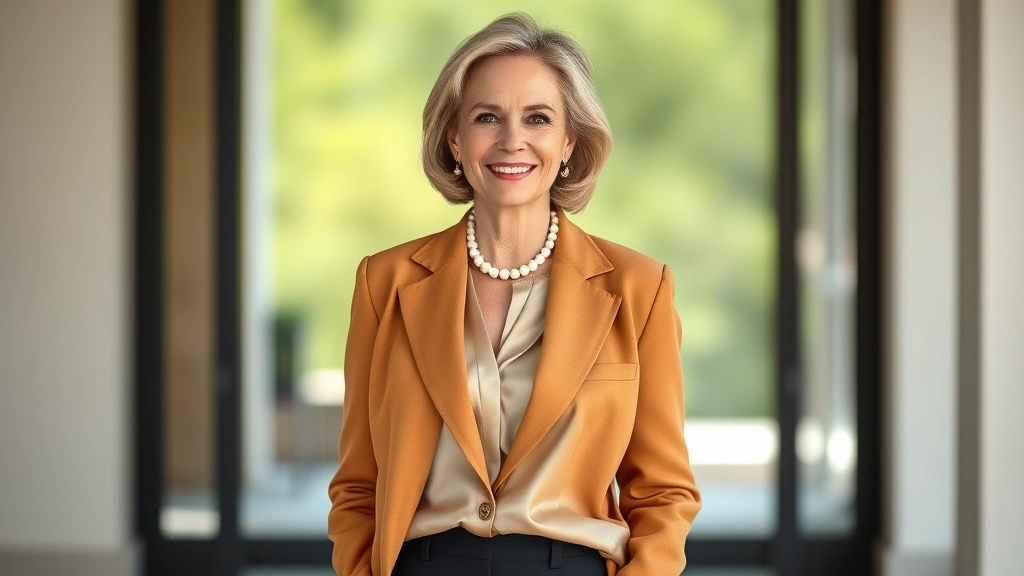
- Tailored Blazer: A well-fitted blazer instantly elevates any outfit. Choose neutral colors like navy, camel, or charcoal gray. The structured shoulder line provides flattering definition while the proper length—hitting at your hip bone—creates an elongated silhouette.
- Dark Denim: High-quality, dark-wash jeans with a slight stretch create a polished foundation. Dark colors are slimming and more versatile for pairing with various tops and accessories.
- Neutral Trousers: Invest in well-tailored trousers in black, navy, and neutral tones. Proper fit is crucial—they should sit at your natural waist with a slight taper through the ankle.
- Cashmere Sweater: A timeless investment piece that feels luxurious and looks refined. Quality cashmere lasts decades and improves with age, making it genuinely economical.
- Neutral Camisoles: These layering pieces in black, white, and nude work under sheer tops and blazers, providing coverage while maintaining a streamlined appearance.
These essentials form the backbone of different fashion styles you can explore, allowing flexibility while maintaining coherence.
Color Palettes That Enhance Mature Skin
Strategic color choices dramatically impact how youthful and radiant you appear. As skin tone naturally changes with age, certain colors become more flattering while others can emphasize fine lines and uneven complexion.
Warm Undertones: If your skin has warm undertones, gravitate toward warm neutrals like camel, warm gray, and cream. Jewel tones like emerald, sapphire, and warm burgundy complement warm skin beautifully. These colors create harmony with your natural coloring rather than competing with it.
Cool Undertones: Cool-toned skin pairs exquisitely with cool neutrals like navy, cool gray, and white. Jewel tones like amethyst, cool blues, and icy pinks enhance cool undertones without washing out your complexion.
Universal Flattering Colors: Regardless of undertone, certain colors universally enhance mature skin. Deep jewel tones create richness without appearing harsh. Cream and ivory feel softer than bright white. Chocolate brown and camel provide warmth without the starkness of black.
Fashion psychologists note that color psychology also influences how you feel wearing an outfit. Colors that make you feel confident—whether that’s bold jewel tones or soft neutrals—should feature prominently in your wardrobe. Your mood and confidence show in photographs and interactions far more than any trend ever could.
Avoiding Color Pitfalls: Very pale pastels can sometimes wash out mature skin, as can overly bright neons. Mid-tone colors and saturated hues generally provide more flattering results. Experiment with different shades in natural light to discover which specific variations work best for your unique complexion.
Fit and Proportion: The Ultimate Game Changer
Experts unanimously agree: fit matters infinitely more than trend. A perfectly fitting classic piece will always look better than a trendy item that doesn’t suit your proportions. This principle becomes even more important for women over 60, where precision tailoring transforms your entire appearance.
Understanding Your Body Type: Whether you’re pear-shaped, apple-shaped, hourglass, or rectangular, dressing strategically means knowing which styles balance and flatter your proportions. Women with fuller midsections benefit from darker colors and structured fabrics in the torso area. Those with narrow shoulders look better with horizontal stripes or embellishments at chest level.
Proper Length Matters: Hem length significantly impacts how elongated and proportionate your silhouette appears. For most women over 60, midi-length skirts and pants hit at the knee or just below, creating elegant proportions. Cropped pants and shorter hemlines work beautifully if you’re tall or have excellent leg definition, but longer lengths generally provide a more refined aesthetic.
The Importance of Tailoring: Investing in professional tailoring is perhaps the single best investment you can make in your wardrobe. A $50 pair of trousers tailored to fit perfectly looks infinitely more expensive and flattering than a $200 pair worn off-the-rack. Tailors can adjust sleeve length, taper legs, take in waists, and adjust shoulder seams—transformations that make ordinary pieces extraordinary.
Layering for Dimension: Strategic layering creates visual interest while providing coverage and flexibility. A camisole under a sheer blouse, a blazer over a simple dress, or a cardigan layered with a tee creates depth and allows you to adjust warmth throughout the day while maintaining a polished appearance.
Accessorizing with Purpose and Elegance
Accessories are where your personal fashion style truly shines. The right accessories elevate basics into sophisticated outfits while revealing your personality and attention to detail.
Jewelry Strategy: Quality matters more than quantity. A few pieces of genuine gold, silver, or mixed metals worn consistently create a signature look far more elegant than costume jewelry. Pearls remain eternally sophisticated—consider pearl studs, a simple strand, or delicate pearl bracelets as investments that work with virtually everything.
Watches and Bracelets: A quality watch serves as both functional accessory and style statement. Leather or metal bands in neutral colors work with most outfits. Bracelets should be chosen thoughtfully—thin, delicate styles generally look more refined than chunky pieces, though this depends on your personal style and body frame.
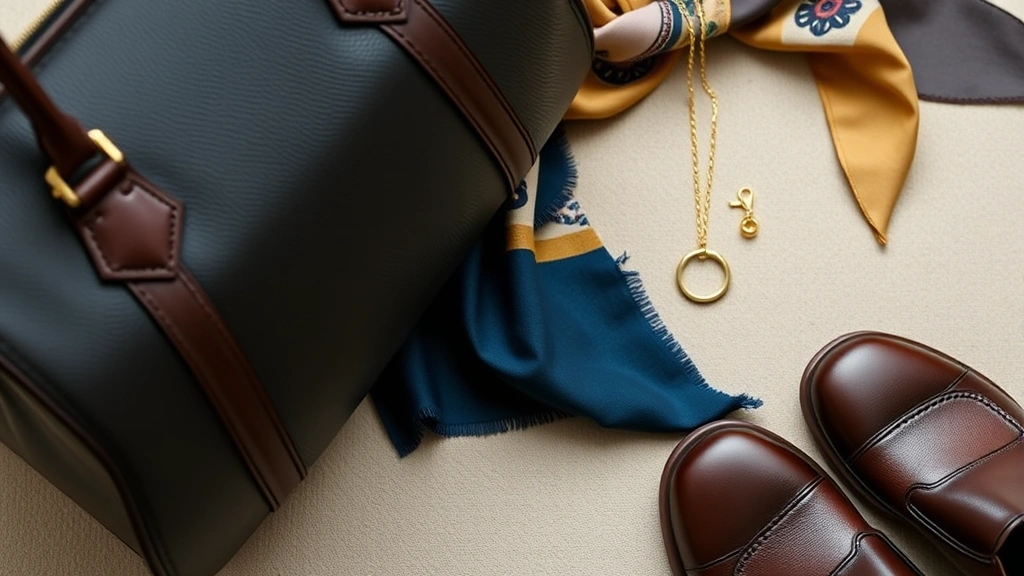
Bags as Wardrobe Architecture: A well-chosen bag anchors your entire outfit. Invest in quality leather in neutral colors—black, navy, camel, and burgundy provide versatility. A structured tote for work, a smaller crossbody for daily life, and perhaps a special occasion clutch create a functional foundation. Quality leather improves with age and develops character, making it a genuinely economical choice.
Scarves and Wraps: Scarves add color, pattern, and dimension while providing practical warmth. Silk scarves tied at the neck, draped over shoulders, or worn as headwraps offer endless styling possibilities. They’re particularly valuable for adding pattern or unexpected color to neutral outfits.
Footwear Considerations: Comfortable, well-made shoes are non-negotiable. Leather flats, tailored loafers, simple pumps, and elegant sneakers should all feature in your collection. Proper support becomes increasingly important, making quality footwear an investment in both style and health. Classic styles in neutral colors work with more outfits than trendy designs.
Fabric Choices for Comfort and Style
The fabrics you wear directly impact both how you look and how you feel. Natural fibers generally provide superior comfort and appearance for mature women, though modern blends offer practical advantages.
Natural Fiber Benefits: Cotton breathes beautifully and feels comfortable against skin. Linen provides a relaxed elegance while allowing air circulation. Silk drapes luxuriously and feels sensual against skin, plus it reflects light in ways that minimize fine lines. Wool provides structure and warmth while resisting wrinkles. These natural fibers age gracefully and typically improve with wear.
Strategic Blends: A small percentage of elastane or spandex in cotton or linen provides stretch and recovery, making garments more comfortable and longer-lasting. These blends resist wrinkles better than pure natural fibers while maintaining their breathability and appearance.
Avoiding Problematic Fabrics: Cheap synthetics can feel plasticky, trap heat, and pill easily. Shiny polyester can look inexpensive and emphasize every body contour unflattering. Thin, clingy fabrics highlight problem areas rather than creating elegant lines. Invest in quality fabrics that feel good against skin and drape beautifully.
Texture Sophistication: Incorporating varied textures—smooth silk with nubby linen, matte cotton with subtle sheen—creates visual interest and prevents outfits from appearing flat. Texture also provides dimension that can minimize the appearance of fine lines and imperfect skin.
Dressing for Different Occasions
Sophisticated dressing means having appropriate options for various life situations. Building versatile outfits from your core wardrobe saves money while ensuring you always look polished.
Professional Settings: Tailored blazers paired with quality trousers or midi skirts create authority and polish. Add a silk blouse and quality accessories for instant professionalism. Neutral colors with one accent piece maintain focus on your competence rather than your outfit.
Casual Daily Wear: Quality jeans with a cashmere sweater and blazer create effortlessly chic everyday style. Add flat shoes and a quality bag for completeness. This formula works across countless variations while maintaining a polished appearance.
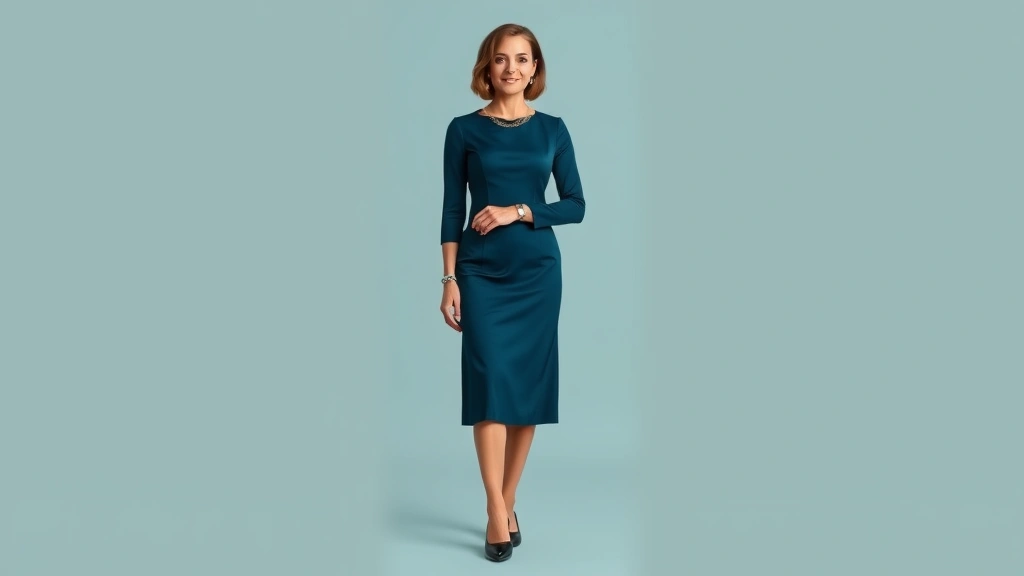
Special Occasions: Elegant dresses in jewel tones or sophisticated neutrals, paired with statement jewelry and special occasion shoes, create memorable looks. Consider midi-length dresses that provide elegance without requiring extensive tailoring. Wraps or shawls add sophistication while providing practical warmth.
Weekend Entertaining: Well-fitting trousers or an elegant midi skirt with an interesting top, finished with jewelry and a quality bag, creates a refined casual aesthetic. This formula balances approachability with polish, making it ideal for hosting or social gatherings.
Modern Trends Adapted for Mature Fashion
Staying fashion-forward doesn’t mean abandoning sophistication or chasing trends unsuitable for your age. Instead, it means thoughtfully adapting contemporary ideas to your personal style and body.
Wide-Leg Trousers: Modern silhouettes with wider legs create elegant proportions when paired with proper tailoring. The key is ensuring the length hits correctly and the waistband sits at your natural waist, creating elongated lines rather than a frumpy appearance.
Statement Sleeves: Modest puffed sleeves, flutter sleeves, or interesting sleeve details add contemporary flair without appearing juvenile. These work beautifully in structured fabrics that maintain their shape.
Midi Skirts and Dresses: This contemporary length suits mature women beautifully, providing coverage while allowing personality through color and pattern. Pair with simple tops for balanced proportions.
Sustainable Fashion Choices: Modern fashion increasingly embraces sustainability. Investing in quality pieces that last, shopping secondhand for designer items, and choosing brands with ethical practices aligns with contemporary values while often providing better quality.
Incorporating Color and Pattern: While neutral basics form your foundation, strategic color and pattern additions keep your look current. A patterned scarf, a jewel-toned cardigan, or coordinating printed pieces add contemporary interest without overwhelming.
Fashion authority Harper’s Bazaar regularly features sophisticated mature women in fashion editorials, demonstrating that style evolution continues throughout life. The most stylish women embrace their age while remaining engaged with fashion in ways that feel authentic.
Building a Cohesive Wardrobe Strategy
Rather than random shopping, approach your wardrobe strategically by establishing a color palette and selecting pieces that work together. This method maximizes outfit combinations while maintaining coherence.
The Capsule Wardrobe Concept: A capsule wardrobe contains approximately 30-40 pieces that all coordinate. When every piece works with most others, you create dozens of outfits from relatively few items. This approach saves money, reduces decision fatigue, and ensures you always have something appropriate to wear.
Shopping Intentionally: Before purchasing, ask whether the piece coordinates with at least five items already in your wardrobe. This discipline prevents impulse buys and ensures your purchases actually serve your life.
Seasonal Rotation: Maintain core pieces year-round while rotating seasonal items. Lightweight sweaters and linen pieces in summer, heavier knits and layering pieces in winter create flexibility while preventing excessive wardrobe bloat.
The Style Loom Daily Blog offers regular insights into building cohesive wardrobes, while The Fashion Spot provides trend analysis and expert styling advice that respects mature audiences.
Confidence: The Ultimate Accessory
Ultimately, the most important element of looking chic at 60 and beyond transcends clothing entirely. Confidence transforms any outfit into something beautiful. When you wear clothes that fit properly, flatter your body, reflect your personality, and align with your values, confidence naturally follows.
Women over 60 possess something younger women cannot yet access: the confidence that comes from experience, self-knowledge, and the freedom from external validation. Harness this advantage by choosing pieces you genuinely love rather than those you think you should wear. Your authentic style, expressed through quality pieces worn with conviction, will always outshine trend-chasing.
The fashion industry is increasingly recognizing the power and influence of mature women. Fashion Institute experts now regularly feature women over 60 in campaigns and editorials, celebrating their style sophistication and influence. You’re not working against fashion at 60—you’re working within an increasingly inclusive landscape that values your perspective and style.
FAQ
What are the most flattering necklines for women over 60?
V-necks elongate the neck and draw attention upward, making them universally flattering. Boat necks and scoop necks also work beautifully. Avoid very high turtlenecks or overly gathered necklines that can emphasize neck texture. Layering a camisole under sheer necklines provides coverage while maintaining elegance.
How important is tailoring for mature women’s fashion?
Tailoring is absolutely essential. Proper fit transforms your appearance more dramatically than any other factor. Invest in a good tailor and budget for regular alterations. The difference between off-the-rack and tailored pieces is profound, making tailoring genuinely economical when you consider how much better you’ll look and feel.
Should women over 60 wear patterns?
Absolutely. Strategic pattern use adds personality and visual interest. Choose patterns in colors that flatter your complexion and use them in pieces that aren’t overly body-hugging. A patterned scarf, cardigan, or blouse works beautifully when paired with solid basics.
What shoe styles work best for mature women?
Classic styles in quality materials age beautifully. Well-made leather flats, simple pumps with modest heels, loafers, and elegant sneakers provide options for various occasions. Comfort becomes increasingly important, making quality construction and proper support essential. Neutral colors work with more outfits than trendy styles.
How can I update my wardrobe without starting over?
Begin by assessing what you already love wearing. Add strategic pieces that coordinate with existing items—perhaps a new color of basic tee or a quality blazer in a neutral shade. Invest in one or two quality statement pieces annually rather than overhaul everything at once. This gradual approach allows your style to evolve authentically.
Is it appropriate to wear trendy pieces at 60?
Yes, when adapted thoughtfully. The key is choosing trends that align with your personal style and body type rather than wearing trend-driven pieces that feel inauthentic. A contemporary silhouette in a flattering color that works with your existing wardrobe integrates trends beautifully without appearing fashion-desperate.
How do I know if something is age-appropriate?
Age-appropriate fashion is less about rules and more about what makes you feel confident and comfortable. If a piece fits well, flatters your body, aligns with your style, and makes you feel good, it’s appropriate. Fashion should be joyful and expressive, not restrictive.