
Korean Hair Trends: Expert Insights
Korean hair fashion has transcended borders to become a global phenomenon, captivating beauty enthusiasts worldwide with its innovative cuts, vibrant colors, and meticulous styling techniques. From the streets of Seoul to international runways, Korean hair trends represent a perfect fusion of artistry, technology, and cultural identity. The Korean beauty industry’s commitment to excellence has established new standards in hair care and styling that influence how millions of people approach their personal appearance.
What makes Korean hair fashion particularly compelling is its emphasis on individuality within harmony. Unlike trend cycles that demand conformity, Korean stylists celebrate personal expression while maintaining an underlying aesthetic sophistication. This philosophy has created a distinctive movement that prioritizes texture, movement, and adaptability to different face shapes and lifestyle needs. Whether you’re exploring how to find your personal style or simply curious about contemporary beauty movements, understanding Korean hair trends offers valuable insights into modern fashion culture.
The influence of Korean entertainment, particularly K-pop and Korean cinema, has amplified these trends exponentially. Celebrity stylists working with major entertainment companies have become tastemakers, essentially dictating what millions consider fashionable. This democratization of beauty standards through digital platforms has made Korean hair fashion accessible and aspirational for diverse audiences globally.
The Evolution of Korean Hair Fashion
Korean hair fashion didn’t emerge overnight; it represents decades of cultural evolution, technological advancement, and creative experimentation. During the early 2000s, Korean beauty standards were heavily influenced by Japanese aesthetics, featuring straighter hair and more muted tones. However, as the Korean Wave gained momentum through entertainment exports, hair fashion underwent a dramatic transformation. The industry began prioritizing innovation over imitation, creating distinctly Korean approaches to hair styling that reflected modern sensibilities.
The turning point came with the rise of Korean dramas and K-pop groups in the international market. Stylists began experimenting with textures, layers, and dimensional coloring to create more dynamic, camera-friendly looks. This period introduced the world to concepts like the chok chok (dewy) hair aesthetic, which emphasizes moisture, shine, and healthy-looking texture. The philosophy shifted from achieving perfect straightness to celebrating natural movement and individual hair characteristics.
Today’s Korean hair fashion landscape reflects a mature industry that respects technical excellence while embracing experimentation. Major hair salons in Seoul invest in cutting-edge technology, advanced coloring systems, and continuous staff training. This commitment to quality has made Korean salons destinations for tourists seeking transformative hair experiences. Understanding fashion style principles helps contextualize how hair trends fit within broader aesthetic movements.
Signature Korean Hair Cuts and Styles
The wolf cut represents one of the most revolutionary Korean hair innovations of recent years. This hybrid style combines the volume and texture of a mullet with the layering sophistication of contemporary cuts. The wolf cut features shorter, choppy layers on top creating dramatic volume, while longer layers at the back provide movement and dimension. What distinguishes this style is its adaptability—stylists customize wolf cuts based on individual hair texture, face shape, and personal preferences, making it universally flattering.
The curtain bangs phenomenon originated from Korean styling culture and has become a global staple. These soft, face-framing bangs sweep away from the center, creating a nostalgic yet modern aesthetic. Korean stylists perfected this technique by adjusting length and texture to complement different face shapes. The beauty of curtain bangs lies in their versatility; they work with virtually any hairstyle, from sleek bobs to long, layered cuts.
Another signature style is the Korean bob, which differs significantly from Western interpretations. The Korean bob typically features blunt ends, subtle internal layers, and a length that falls just below the chin. Stylists emphasize symmetry and clean lines while incorporating minimal texture. This cut requires precise execution and regular maintenance, reflecting Korean beauty culture’s dedication to polished perfection.
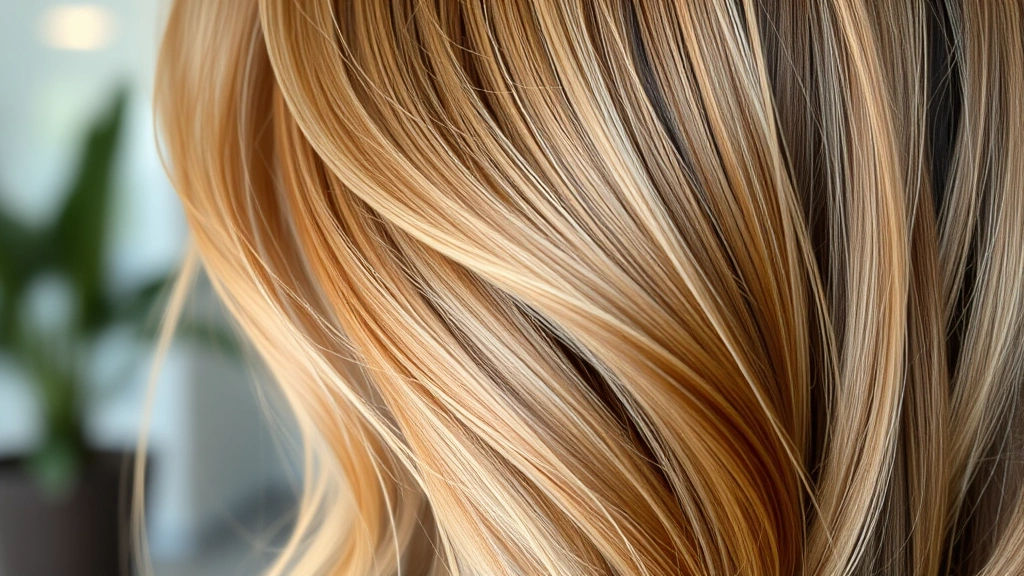
The honey butter hair trend combines specific coloring with textured styling. This approach uses warm, golden-brown tones that evoke sweetness and warmth, paired with soft waves or curls. The trend emphasizes the importance of color and texture working harmoniously, creating dimension through multiple techniques rather than relying on single-process coloring.
For those exploring types of fashion and how they extend to beauty, Korean hair cuts demonstrate how fashion principles apply to personal grooming. Each style represents a design philosophy that considers proportion, balance, movement, and individual expression.
Color Trends Dominating Korean Hair Fashion
Korean hair coloring philosophy emphasizes harmony between skin tone and hair color, often using multiple tones within a single style. The balayage technique gained prominence in Korean salons as stylists recognized its ability to create natural-looking dimension while minimizing damage. Unlike traditional highlighting, balayage allows for artistic placement of lighter tones, creating a sun-kissed effect that appears effortless.
The ash tone movement represents a significant departure from warm, golden colors. Ash blonde, ash brown, and ash grey tones have become incredibly popular, particularly among younger demographics. These cooler tones require sophisticated color theory knowledge and quality hair care to maintain, as they show brassy undertones without proper maintenance. Korean colorists have become renowned for their ability to neutralize unwanted warmth and achieve complex ash tones.
Pastel colors have also gained traction in Korean hair fashion, with soft pink, lavender, and mint tones appearing on both celebrities and everyday style enthusiasts. These colors require significant preparation, often involving multiple bleaching sessions and professional-grade toning systems. Korean beauty brands have developed specialized color-depositing shampoos and conditioners to help maintain these delicate hues.
The rosy brown trend combines warm and cool undertones, creating a sophisticated color that flatters diverse skin tones. This shade gained prominence through K-pop styling and has become a go-to choice for those seeking something between traditional browns and trendy ash tones. The versatility of rosy brown makes it accessible for various face shapes and personal styles.
Natural-looking dimension and highlights remain central to Korean hair coloring philosophy. Rather than solid colors, Korean stylists prefer creating depth through strategic placement of lighter and darker tones. This approach creates movement and visual interest while maintaining a polished, intentional appearance. Consulting StyleLoom Daily Blog can provide additional insights into how color trends intersect with overall fashion movements.
Hair Care Rituals and Maintenance
Korean hair fashion extends beyond styling into comprehensive hair care philosophy. The 10-step hair care routine concept, inspired by Korean skincare methodology, has gained international attention. This approach involves cleansing, conditioning, deep treatment, and specialized serums designed to maintain hair health and vibrancy. Each product targets specific concerns, from moisture and shine to damage repair and scalp health.
The scalp care movement represents a fundamental shift in how Koreans approach hair health. Rather than focusing exclusively on hair strands, Korean beauty culture emphasizes scalp wellness through specialized shampoos, scalp scrubs, and massage techniques. This holistic approach recognizes that healthy hair begins with a healthy scalp environment. Many Korean salons now offer professional scalp treatments as part of their services.
Protein treatments and keratin therapies have become essential maintenance components for those sporting Korean-style hair. These intensive treatments restore strength, shine, and elasticity to hair damaged by coloring or heat styling. Korean brands have developed advanced formulations that provide visible results after single applications, making professional treatments more accessible and effective.
The concept of hair fasting has emerged within Korean beauty circles, encouraging periodic breaks from heat styling and chemical treatments. This philosophy aligns with broader wellness movements emphasizing balance and recovery. Practitioners reduce heat styling frequency, minimize coloring, and focus on nourishing treatments to restore hair vitality.
Regular hair trimming schedules form the foundation of Korean hair maintenance culture. Rather than cutting hair only when necessary, Koreans typically visit salons every 4-6 weeks for trims. This frequent maintenance prevents split ends, maintains shape, and ensures styles look intentional and polished. This commitment to regular care distinguishes Korean hair culture from approaches that prioritize length over health.
Korean Hair Styling Techniques
The air dry method has become increasingly popular in Korean styling culture, particularly among younger demographics. Rather than achieving perfect waves through heat styling, this technique embraces natural texture and movement. Stylists recommend specific products and techniques that enhance natural waves without excessive heat manipulation. This approach aligns with broader wellness and sustainability movements.
Korean stylists excel at texture creation through both cutting and styling techniques. The S-wave method, which creates gentle waves through specific blow-dry and curling iron techniques, has become a Korean signature style. These waves appear effortless and natural while requiring specific technical skill to achieve. The technique involves understanding hair texture, moisture content, and heat application timing.
The glass skin hair aesthetic emphasizes smooth, shiny, reflective surfaces. This styling approach combines specific products, heat tools, and finishing techniques to create luminous, polished hair. The goal is achieving hair that appears as smooth and flawless as glass, reflecting light beautifully. This requires high-quality styling products, professional-grade tools, and precise technique execution.
Incorporating hair accessories creatively represents another Korean styling innovation. Rather than simple decorative additions, Korean stylists use clips, ribbons, and accessories as design elements that enhance overall aesthetic. This approach extends hair fashion beyond purely stylistic concerns into broader fashion and personal expression territory. Learning to discover your personal style includes understanding how accessories and styling choices communicate identity.
Celebrity Influence and Trendsetting
K-pop idols function as primary drivers of Korean hair fashion trends. When major group members debut new hairstyles, these looks often become viral sensations within days. The idol hair influence phenomenon demonstrates how entertainment industry styling creates aspirational beauty standards. Fans frequently visit salons requesting their favorite idol’s hairstyle, essentially creating a feedback loop that amplifies trend adoption.
Korean actors and actresses also significantly influence hair fashion through drama productions. The drama effect describes how hairstyles worn by main characters in popular Korean dramas inspire widespread imitation. When a drama becomes internationally successful, its styling influence extends beyond Korea, reaching global audiences. This phenomenon has made Korean hair stylists international celebrities in their own right.
Professional stylists working with entertainment companies have become recognized tastemakers and fashion authorities. Many have published books, created online tutorials, and established their own product lines. These stylists’ expertise and vision shape not only Korean hair fashion but increasingly influence global beauty standards. Their understanding of what photographs well, photographs authentically, and suits diverse individuals has elevated Korean hair fashion to technical and artistic heights.
The celebrity-to-consumer pipeline operates efficiently in Korean beauty culture. Salons quickly offer services mimicking celebrity styles, beauty brands develop products supporting new trends, and social media amplifies visibility. This rapid response system ensures trends move from celebrity to mainstream faster than in many other cultural contexts.
Adapting Korean Hair Trends to Your Look
Understanding your face shape represents the first step in adapting Korean hair trends to your individual appearance. Korean stylists consider oval, round, square, heart, and oblong face shapes when recommending styles. The wolf cut, for example, works beautifully for round faces through volume placement, while curtain bangs flatter square faces through soft framing. This personalization approach ensures trends enhance rather than clash with natural features.
Your hair texture significantly impacts which Korean trends suit your hair. Fine, thin hair might struggle with extremely layered cuts that require styling expertise, while thick, curly hair offers excellent canvas for textured Korean styles. Understanding your hair’s natural characteristics allows you to choose trends that work with rather than against your hair’s inherent properties. Quality fashion design schools teach similar principles about understanding materials and working within their properties.
Lifestyle considerations matter when choosing Korean hair trends. Trends requiring frequent salon visits, regular heat styling, or intensive daily maintenance might not suit busy schedules. The low-maintenance Korean aesthetic has emerged for those wanting Korean-inspired looks without high daily styling demands. Air-dry methods, minimal heat styling, and simpler cuts offer Korean fashion sensibility with practical applicability.
Your skin tone influences which color trends will appear most flattering. Korean colorists consider undertone, depth, and saturation when recommending shades. Warm undertones typically complement honey, caramel, and warm brown tones, while cool undertones suit ash, platinum, and cool brown shades. Understanding your undertone helps you choose colors that enhance rather than clash with your complexion.
Exploring fashion history timeline provides context for understanding how current trends evolved and where they might be heading. Korean hair fashion represents contemporary style philosophy, but knowing historical context helps you make informed choices about which trends feel authentically aligned with your personal aesthetic.

FAQ
What defines authentic Korean hair fashion?
Authentic Korean hair fashion emphasizes technical excellence, individual adaptation, healthy hair appearance, and trendy sophistication. Rather than following rules rigidly, Korean stylists prioritize creating looks that enhance individual features while maintaining contemporary relevance. The focus on quality, precision, and personal expression distinguishes Korean hair fashion from other cultural approaches.
How often should I visit a salon to maintain Korean hair trends?
Most Korean hair trends require salon visits every 4-6 weeks for maintenance trims and touch-ups. Color maintenance varies depending on technique and desired appearance; balayage and highlights might need 6-8 week intervals, while solid colors require more frequent attention. This commitment to regular maintenance reflects Korean beauty culture’s emphasis on polished perfection.
Can I achieve Korean hair trends at home?
While basic styling can be done at home with proper tools and products, professional execution is recommended for cuts and color. Korean hair trends often require specific technical skills, specialized equipment, and color theory knowledge that professional stylists possess. At-home maintenance through quality products and proper care extends professional results between salon visits.
Which Korean hair trend suits beginners?
Curtain bangs and honey butter coloring represent beginner-friendly trends requiring less frequent maintenance than other options. These styles work with various hair textures and face shapes, making them universally flattering. They also allow for gradual style adjustments as you become comfortable with Korean hair fashion concepts.
How do I find a stylist experienced in Korean hair fashion?
Research stylists through social media portfolios, salon websites, and client reviews. Many stylists now specialize specifically in Korean hair trends and advertise this expertise. Consulting with stylists about their training, experience with specific techniques, and understanding of Korean styling philosophy helps ensure quality results.
Are Korean hair trends expensive?
Korean hair trends range from budget-friendly to luxury pricing depending on salon location, stylist experience, and specific services. Korean salons are known for offering quality services at reasonable prices compared to Western salons. However, premium colorwork and specialized treatments command higher costs reflecting technical expertise and product quality.