
Italian Fashion Must-Haves: Designer Insights
Italian fashion represents the pinnacle of elegance, craftsmanship, and timeless style that has captivated the world for generations. From the cobblestone streets of Milan to the romantic canals of Venice, Italy has established itself as the undisputed epicenter of haute couture and luxury design. The Italian approach to fashion transcends mere clothing—it embodies a philosophy of life that celebrates quality, artistry, and an unwavering commitment to perfection.
The allure of Italian fashion lies in its ability to balance tradition with innovation, creating pieces that are simultaneously classic and contemporary. When designers speak of their craft, they often reference the Italian concept of la dolce vita—the sweet life—which permeates every stitch and seam. Whether you’re exploring different fashion styles or investing in wardrobe essentials, understanding Italian fashion principles is essential for developing a sophisticated personal aesthetic.
The Foundation: Classic Italian Essentials
Every discerning fashion enthusiast must understand the cornerstone pieces that define Italian style. The Italian wardrobe is built upon a philosophy of minimalism and quality over quantity, where each piece serves multiple purposes and withstands the test of time. The classic white button-down shirt, known as the camicia bianca, is perhaps the most fundamental element. This isn’t merely a casual piece—it’s a canvas for personal expression, capable of being dressed up for evening events or styled casually for weekend outings.
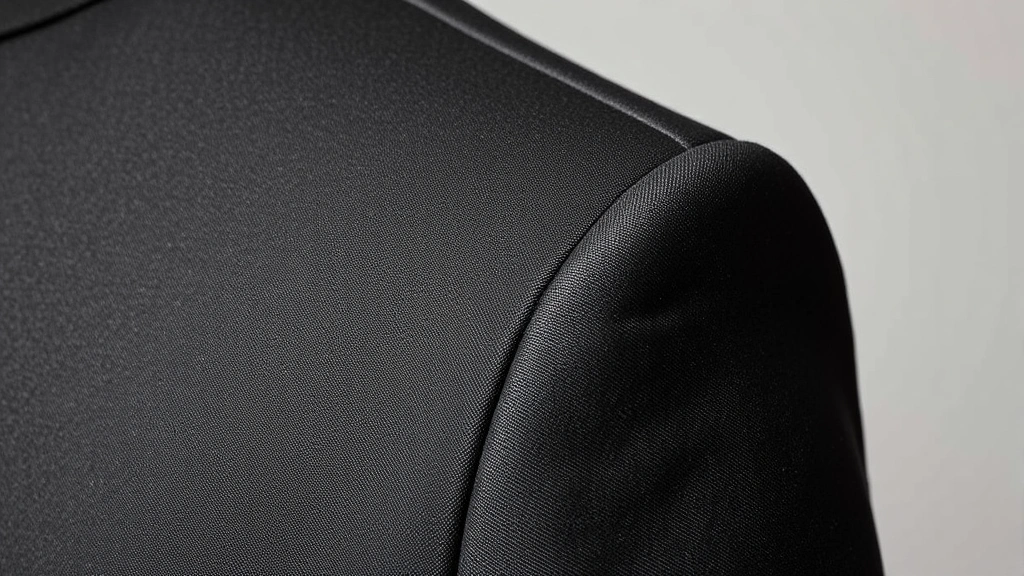
The tailored blazer represents another indispensable element of Italian fashion. Unlike structured American blazers, Italian tailoring emphasizes a softer silhouette that follows the body’s natural contours. The jacket should fit impeccably at the shoulders, nip subtly at the waist, and create an elongated line through the torso. When exploring how to find your personal style, consider how Italian tailoring can elevate your everyday aesthetic.
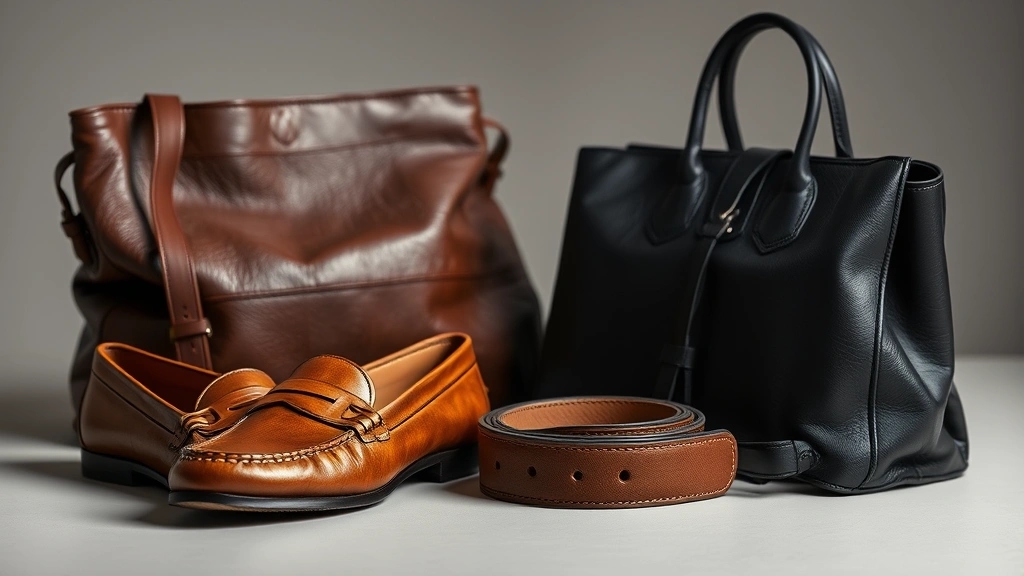
Premium denim holds a significant place in the Italian fashion lexicon. Italian denim manufacturers have perfected the art of creating jeans that combine comfort with sophisticated styling. The fit should be precise, with a subtle taper that works seamlessly with both casual sneakers and elegant loafers. Italian leather goods—including belts, shoes, and handbags—represent another essential category. The craftsmanship involved in Italian leather production is legendary, with artisans spending years perfecting their technique.
The classic trench coat, inspired by Italian interpretations of British tailoring, provides versatility and timeless appeal. A well-constructed trench in camel, navy, or black can transition seamlessly from professional settings to casual weekend wear. Additionally, the simple sweater—whether a fine-knit cashmere or high-quality cotton—serves as a foundational piece that can be layered and styled in countless ways.
Luxury Brands That Define Italian Excellence
When discussing Italian fashion, one cannot overlook the iconic brands that have shaped global luxury standards. Gucci, founded in Florence in 1921, revolutionized fashion with its distinctive aesthetic and innovative approach to design. Under the creative direction of Vogue’s coverage of luxury fashion, Gucci continues to push boundaries while honoring its heritage. The brand’s interlocking G logo has become synonymous with Italian luxury and aspirational style.
Prada, established by Mario Prada in Milan, represents intellectual sophistication and understated elegance. The brand’s commitment to quality materials and innovative design has established it as a favorite among fashion purists. Prada’s minimalist aesthetic has influenced countless designers and remains a benchmark for contemporary Italian design philosophy. The brand’s leather goods, particularly their nylon backpacks and structured handbags, have achieved iconic status.
Versace brings dramatic flair and bold creativity to the Italian fashion landscape. Gianni Versace’s revolutionary approach to color, pattern, and sensuality transformed fashion in the 1980s and 1990s. The brand’s use of rich jewel tones, intricate prints, and luxurious fabrics created a distinctive aesthetic that remains instantly recognizable. Versace’s legacy continues to influence modern luxury fashion.
Armani, led by Giorgio Armani, epitomizes the concept of sprezzatura—the art of making something difficult appear effortless. Armani’s tailoring revolutionized menswear and subsequently influenced womenswear globally. The brand’s neutral color palette, fluid silhouettes, and emphasis on quality have made it a cornerstone of Italian fashion.
Other significant contributors to Italian fashion excellence include Valentino, known for romantic femininity and exquisite embroidery; Fendi, celebrated for innovative leather goods and bold prints; and Bottega Veneta, renowned for understated luxury and exceptional craftsmanship. Each brand brings distinct qualities while maintaining the fundamental Italian commitment to quality and design integrity.
The Art of Italian Tailoring
Italian tailoring represents centuries of refined technique and artistic expression. The foundation of Italian tailoring lies in understanding the human form and creating garments that enhance rather than obscure the body’s natural lines. Unlike rigid, structured tailoring traditions found in other countries, Italian tailoring emphasizes fluidity and movement.
The construction process begins with selecting the finest fabrics and understanding their inherent qualities. Italian tailors work with the fabric’s natural drape, creating pieces that move with the wearer rather than against them. The shoulder construction is particularly important—Italian tailors create softer, more sloped shoulders that appear more natural and contemporary than heavily padded alternatives.
Hand-stitching remains a crucial element of authentic Italian tailoring. While modern production techniques have accelerated the process, premium Italian garments still feature significant hand-finishing. The lapels, buttonholes, and internal seams are often completed by skilled artisans who bring decades of experience to their work. This attention to detail ensures that garments not only look exceptional but also develop character and patina over time.
The concept of sartoria—the art of tailoring—emphasizes customization and personal fit. Many Italian tailors offer bespoke services, creating garments specifically designed for individual clients. This tradition maintains the belief that fashion should serve the individual rather than forcing the individual into predetermined sizes and styles. Understanding fashion history provides context for appreciating these time-honored techniques.
Color Palettes and Fabric Selection
Italian fashion demonstrates a sophisticated understanding of color theory and its psychological impact. The classic Italian palette emphasizes neutral tones—blacks, whites, grays, and navies—which serve as the foundation for any wardrobe. These neutrals provide versatility and allow for subtle color combinations that create visual interest without overwhelming the senses.
Within this neutral framework, Italians incorporate rich accent colors with remarkable restraint. Deep burgundy, forest green, camel, and warm chocolate brown are frequently employed to add depth and sophistication. These colors work harmoniously with the neutral base, creating elegant combinations that age gracefully and remain relevant across seasons.
The Italian approach to color extends to understanding undertones and how different shades interact with individual skin tones. Rather than following rigid color rules, Italian stylists develop an intuitive sense of which colors complement their clients’ natural coloring. This personalized approach ensures that recommended pieces become wardrobe staples rather than forgotten purchases.
Fabric selection in Italian fashion reflects an unwavering commitment to natural materials and exceptional quality. Silk represents the gold standard for Italian luxury, prized for its lustrous appearance and luxurious feel. Cashmere from the finest mills provides unparalleled softness and warmth. Wool, particularly from Italian mills, offers durability and sophisticated texture. Linen and cotton round out the natural fiber palette, each selected for specific applications and seasonal considerations.
The weight and weave of fabrics receive careful consideration. Italian designers often choose heavier fabrics that drape beautifully and maintain their shape, rather than lightweight alternatives that may wrinkle or lose their form. This attention to fabric quality ensures that garments maintain their aesthetic appeal throughout their lifespan.
Building Your Italian-Inspired Wardrobe
Creating a wardrobe inspired by Italian fashion principles requires a strategic approach and commitment to quality over quantity. Begin by investing in foundational pieces—the white button-down shirt, tailored blazer, and well-fitting dark denim. These core items should be constructed from premium materials and fit impeccably. The investment may seem substantial initially, but these pieces will provide years of reliable service and style.
Next, add versatile layering pieces including cashmere sweaters, lightweight cardigans, and quality t-shirts in neutral tones. These items expand the possibilities of your foundational pieces, allowing you to create multiple outfits from a limited number of garments. The Italian philosophy of capsule wardrobing emphasizes this approach—carefully curated pieces that work together seamlessly.
Footwear deserves particular attention in an Italian-inspired wardrobe. Invest in quality leather shoes that will develop a beautiful patina over time. Classic options include loafers, simple pumps, elegant flats, and versatile sneakers. Each shoe should be crafted from premium leather and constructed using traditional methods that ensure durability and comfort. When exploring fashion trends across age groups, Italian shoe design consistently ranks among the most timeless and flattering options.
Accessories provide opportunities to express personality while maintaining Italian sophistication. A quality leather belt, structured handbag, and simple jewelry pieces complete the wardrobe. Italian accessories are often understated, allowing the craftsmanship and quality to speak for themselves rather than relying on prominent branding or elaborate ornamentation.
When selecting new pieces, consider how they integrate with existing items. Each addition should enhance multiple outfits and expand your styling possibilities. This deliberate approach prevents impulse purchases and ensures that your wardrobe evolves cohesively. Quality over quantity remains the guiding principle—one exceptional blazer provides more value than ten mediocre alternatives.
Designer Insights and Philosophy
Contemporary Italian designers continue to shape global fashion while honoring traditional craftsmanship. When interviewing leading Italian fashion professionals, certain themes emerge consistently. First, they emphasize that fashion should enhance the wearer’s confidence and authenticity rather than obscuring their personality. This philosophy contrasts sharply with trend-driven approaches that prioritize seasonal changes over timeless style.
Italian designers stress the importance of understanding one’s body and selecting garments that flatter individual proportions. Rather than adhering to rigid fashion rules, they advocate for developing personal style through exploration and self-awareness. This approach aligns with broader concepts of fashion design education, where understanding the fundamentals enables creative individual expression.
Sustainability and longevity represent crucial considerations in modern Italian fashion design. Designers increasingly focus on creating pieces intended to last decades rather than seasons. This philosophy reflects both environmental consciousness and the understanding that truly stylish pieces transcend temporary trends. Many Italian designers have adopted circular fashion principles, designing for durability and eventual recycling or repurposing.
The relationship between tradition and innovation characterizes Italian design philosophy. Rather than abandoning heritage techniques, contemporary designers find innovative ways to honor traditional craftsmanship while incorporating modern materials and construction methods. This balance ensures that Italian fashion remains relevant without sacrificing the quality and elegance that define the tradition.
Italian designers also emphasize the importance of understanding one’s lifestyle and designing accordingly. A piece that looks beautiful in a magazine may prove impractical for daily wear. Authentic Italian design considers functionality alongside aesthetics, creating garments that work beautifully within the wearer’s actual life rather than existing as unwearable art objects.
The concept of la bella figura—making a good impression—guides Italian design philosophy. This doesn’t mean appearing ostentatious or overdressed; rather, it means presenting yourself with intentionality and respect for your surroundings. This principle encourages thoughtful dressing that balances personal expression with social awareness.
FAQ
What defines authentic Italian fashion?
Authentic Italian fashion emphasizes quality materials, exceptional craftsmanship, timeless design, and personal fit. It prioritizes pieces that work across multiple seasons and occasions rather than trend-driven items. The focus remains on enhancing the wearer’s natural beauty and confidence through well-constructed garments in sophisticated color palettes.
How can I incorporate Italian style into my existing wardrobe?
Begin by investing in foundational pieces—a quality white shirt, tailored blazer, and well-fitting dark denim. Add neutral sweaters and quality footwear. Focus on neutral colors with occasional rich accent tones. Prioritize quality over quantity, and select pieces that coordinate with existing items. Consider visiting StyleLoom Daily Blog for additional style guidance.
Why are Italian leather goods so highly valued?
Italian leather production benefits from centuries of refined technique and access to exceptional raw materials. Italian artisans employ traditional methods that create leather with superior durability, appearance, and aging characteristics. The craftsmanship involved ensures that leather goods develop beautiful patina and actually improve with age and use.
What is the difference between Italian and French fashion?
While both traditions emphasize quality and elegance, French fashion tends toward minimalism and intellectual restraint, whereas Italian fashion embraces sensuality and artistic expression. Italian design often features bolder colors, more intricate details, and more pronounced feminine elements, while French style prioritizes simplicity and understatement.
How do I find my Italian fashion aesthetic?
Begin by exploring Vogue’s fashion editorial content and observing which Italian-inspired outfits resonate with you. Consider your lifestyle, body type, and personal preferences. Invest gradually in quality pieces that reflect your authentic style rather than attempting to recreate looks that don’t align with your personality. Remember that true Italian style emerges from confidence and self-knowledge.
Are Italian fashion pieces worth the investment?
Yes, quality Italian pieces represent sound investments. When constructed from premium materials using traditional techniques, these garments develop character over time and provide years of reliable service. The cost-per-wear of a well-constructed Italian blazer worn hundreds of times over a decade is significantly lower than cheaper alternatives requiring frequent replacement.
Which Italian designers are best for beginners?
Giorgio Armani offers accessible entry points to Italian luxury with clean lines and versatile pieces. Bottega Veneta provides understated elegance without prominent branding. Jil Sander, while not exclusively Italian, represents Italian design philosophy. Additionally, contemporary Italian brands like Max Mara offer excellent quality at more approachable price points than ultra-luxury houses.