Become a Fashion Designer: Expert Insights and Career Guidance
The fashion industry stands as one of the most dynamic and creative sectors in the global economy, attracting millions of aspiring designers who dream of creating collections that define entire seasons. Becoming a fashion designer requires far more than a passion for beautiful clothes—it demands technical skill, artistic vision, business acumen, and an unwavering commitment to continuous learning. Whether you’re drawn to haute couture, ready-to-wear, sustainable fashion, or avant-garde design, understanding the multifaceted journey toward this career is essential for success.
This comprehensive guide explores the essential steps, skills, educational pathways, and industry insights that will help you navigate your journey to becoming a successful fashion designer. From understanding the foundational design principles to building your portfolio and establishing yourself in a competitive market, we’ll cover everything you need to know to launch and sustain a thriving fashion design career.
Understanding the Fashion Design Industry
Before embarking on your journey to become a fashion designer, it’s crucial to develop a deep understanding of the industry landscape. The fashion world is remarkably diverse, encompassing numerous specializations, market segments, and career paths. From luxury fashion houses that serve elite clientele to fast-fashion retailers producing trends at unprecedented speed, each sector operates with distinct philosophies, timelines, and design requirements.
The industry is currently experiencing a significant transformation driven by sustainability concerns, technological innovation, and shifting consumer values. According to Vogue, one of the world’s most influential fashion publications, designers today must balance creative expression with environmental responsibility. Understanding these industry dynamics will help you position yourself strategically and anticipate future opportunities.
Fashion design careers span multiple specializations: apparel design, accessories design, footwear design, textile design, and costume design. Each requires specific knowledge and skill sets. Additionally, designers work across different market levels—haute couture (high fashion), prêt-à-porter (ready-to-wear), contemporary, and mass market. Exploring these various segments will help you identify where your interests and strengths align best.
The business side of fashion is equally important as the creative aspects. Successful designers understand production costs, supply chain management, retail dynamics, and consumer psychology. Many fashion schools now emphasize business education alongside design training, recognizing that technical design skills alone aren’t sufficient for long-term success in this competitive field.
Essential Skills and Talents for Success
Becoming a fashion designer requires a comprehensive skill set that blends artistic talent with technical proficiency and business acumen. While natural creativity is important, the most successful designers cultivate a diverse range of competencies throughout their careers.
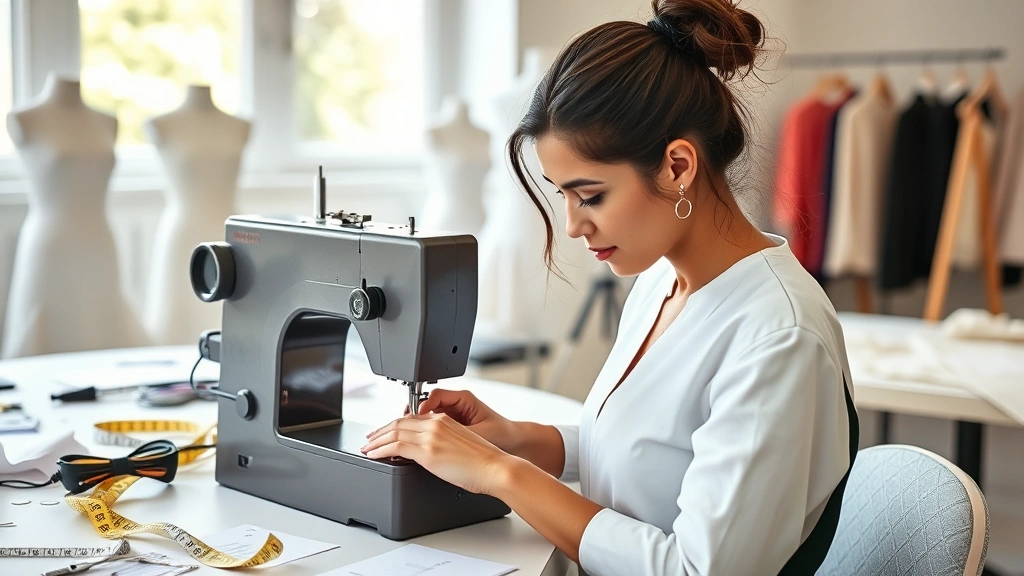
Technical Design Skills: Proficiency in garment construction, pattern-making, and draping is fundamental. You must understand how fabric behaves, how seams hold, and how proportions affect the overall silhouette. These technical skills form the foundation upon which all creative ideas are built. Learning to draft patterns, create technical flats, and construct samples by hand is essential before relying entirely on computer technology.
Digital Proficiency: Modern fashion design heavily relies on digital tools. Computer-aided design (CAD) software like Adobe Illustrator, Photoshop, and specialized fashion design programs such as CLO 3D and Lectra are industry standards. Understanding how to visualize your designs digitally, create mood boards, and present concepts professionally is non-negotiable in today’s fashion industry.
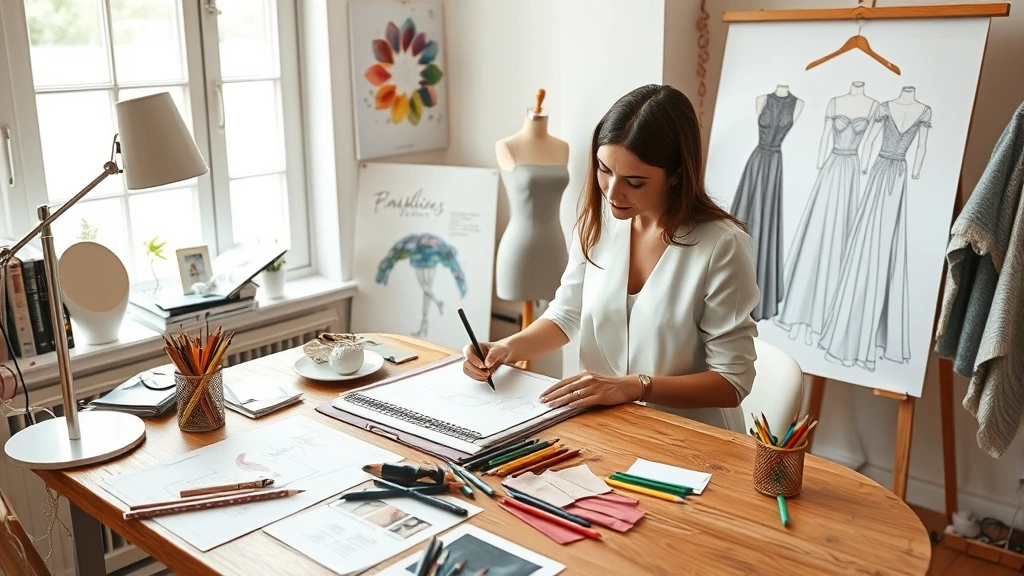
Artistic Vision: Your ability to conceptualize original ideas, understand color theory, composition, and visual hierarchy sets you apart. Artistic talent encompasses drawing skills, an eye for proportion and balance, and the ability to translate inspiration into wearable garments. Many designers keep inspiration journals, sketch daily, and constantly study design across disciplines.
Communication and Collaboration: Fashion design is inherently collaborative. You’ll work with pattern makers, seamstresses, manufacturers, marketing teams, and business partners. Strong communication skills—both verbal and visual—are essential for translating your vision accurately to others.
Business and Marketing Knowledge: Understanding budgets, production timelines, pricing strategies, and market positioning is crucial. Many aspiring designers underestimate the business aspects, but these skills directly impact your ability to launch and sustain your own brand or advance within established companies.
Trend Forecasting and Research: Successful designers stay ahead of trends while also setting them. This requires constant research, cultural awareness, and the ability to synthesize inspiration from diverse sources. Developing strong research skills helps you understand consumer preferences and anticipate market shifts.
Educational Pathways and Formal Training
While formal education isn’t absolutely required to become a fashion designer, pursuing a fashion design degree provides invaluable training, industry connections, and credentials that significantly enhance career prospects. The educational landscape offers multiple pathways suited to different learning styles and circumstances.
Bachelor’s Degree Programs: A four-year bachelor’s degree in fashion design from an accredited institution provides comprehensive training in design principles, garment construction, CAD, textile science, and business fundamentals. Top-tier programs like those at the Parsons School of Design, Fashion Institute of Technology (FIT), and Central Saint Martins in London are highly respected and open doors to prestigious internships and employment opportunities.
Associate Degree and Certificate Programs: For those seeking faster entry into the industry, two-year associate degrees and specialized certificate programs offer focused training in specific areas like pattern-making, draping, or digital design. These programs can be excellent stepping stones toward building a portfolio and gaining initial industry experience.
Specialized Courses and Workshops: Beyond traditional degree programs, numerous specialized courses focus on specific skills: advanced pattern-making, sustainable fashion design, digital illustration, and business development. These targeted programs allow you to strengthen particular competencies or explore niche specializations.
Self-Directed Learning: While unconventional, some successful designers are self-taught through intensive practice, online resources, and mentorship. This path requires exceptional discipline, resourcefulness, and often takes longer to build credibility. However, it can work for those with strong natural talent and entrepreneurial drive, particularly when supplemented with online courses from reputable sources.
When choosing an educational program, consider factors like faculty expertise, industry connections, facilities and technology, internship opportunities, and alumni success. Research which programs have strong reputations in your desired specialization—whether that’s sustainable fashion, luxury design, or contemporary streetwear.
Building Your Design Portfolio
Your portfolio is your most powerful marketing tool as a designer. It’s a visual representation of your creativity, technical skills, and design philosophy. Building a compelling portfolio requires strategic curation and thoughtful presentation of your best work.
Portfolio Contents: Include your strongest designs—typically 10-15 pieces that showcase range and technical proficiency. Each piece should tell a story: include sketches, mood boards, fabric swatches, construction details, and finished garment photos. Document your design process, showing how you moved from inspiration to final product. This narrative approach helps viewers understand your methodology and creative thinking.
Quality Over Quantity: A portfolio with five exceptional, well-documented designs is far more impressive than twenty mediocre ones. Each piece should demonstrate mastery of fit, proportion, construction, and design innovation. Include both commercial-viable designs and more experimental, boundary-pushing work to showcase your range.
Digital and Physical Presentations: Create a professional website showcasing your portfolio with high-quality photography. Invest in professional photos of your finished pieces—poor photography can undermine even excellent designs. Additionally, maintain a physical portfolio book for in-person interviews and meetings. This tangible representation allows potential employers or collaborators to feel fabrics and examine construction details.
Evolution and Updates: Continuously update your portfolio as you create new work and develop your skills. Remove weaker pieces as your abilities improve. Your portfolio should reflect your current skill level and design direction, not your entire design history. Regular updates demonstrate growth and commitment to your craft.
Specialization Focus: Consider whether your portfolio emphasizes a particular aesthetic or market segment. Some designers showcase versatility across multiple styles, while others build strong reputations by developing a distinctive point of view. Both approaches can be successful—choose the strategy that aligns with your goals and strengths.
Gaining Industry Experience
Hands-on industry experience is invaluable for developing practical skills, building professional networks, and understanding how the fashion business actually operates. Most successful designers have worked their way up through various positions before launching independent careers or reaching senior design roles.
Internships: Internships are often the gateway to fashion careers. Seek positions at established fashion houses, design studios, or retail companies. Internships provide real-world experience, industry connections, and resume credentials that make you competitive for entry-level positions. Even unpaid internships can be worthwhile if they offer genuine learning and professional development.
Assistant and Junior Designer Roles: These entry-level positions involve supporting senior designers by creating design concepts, rendering technical drawings, sourcing fabrics, and assisting with sample development. These roles build technical skills and provide mentorship from experienced professionals.
Pattern Maker and Sample Development: Working in technical roles helps you understand construction possibilities and limitations. Many accomplished designers began in these technical positions, developing deep knowledge of how garments are actually constructed.
Retail and Brand Experience: Working in retail or for established brands provides insight into consumer preferences, sales trends, and market positioning. This perspective is invaluable when developing your own collections, as you understand what actually sells and resonates with customers.
As you gain experience, seek opportunities to expand your responsibilities, take on design projects, and gradually build a reputation as a talented, reliable professional. The relationships you develop during these early career stages often become crucial collaborators, mentors, and supporters throughout your design career.
Launching Your Fashion Brand
Many aspiring designers dream of launching their own brand. Whether you’re developing a full luxury collection or starting with a focused capsule line, launching your own fashion brand requires careful planning, financial resources, and strategic execution.
Define Your Brand Identity: Before launching, clarify your design philosophy, target customer, price point, and market positioning. Are you creating sustainable luxury pieces, contemporary streetwear, or avant-garde experimental fashion? Your brand identity should be distinctive and authentic, reflecting your unique design perspective while addressing a genuine market need.
Financial Planning: Starting a fashion brand requires significant capital for sampling, production, marketing, and operations. Develop detailed financial projections and secure funding through personal savings, investors, crowdfunding, or business loans. Understand your production costs thoroughly to price your pieces appropriately while maintaining profit margins.
Production and Manufacturing: Decide whether you’ll produce locally, work with overseas manufacturers, or use a hybrid approach. Build relationships with reliable manufacturers who understand your quality standards and can deliver consistently. Start small—producing limited quantities allows you to test the market, gather customer feedback, and refine your designs before scaling production.
Marketing and Distribution: Develop a comprehensive marketing strategy that reaches your target audience. This might include social media presence, influencer partnerships, fashion show presentations, or direct-to-consumer sales through your website. Consider multiple distribution channels: your own e-commerce site, boutique partnerships, pop-up shops, or online marketplaces.
Building Brand Narrative: In today’s fashion landscape, storytelling is crucial. Develop a compelling brand narrative that explains your design philosophy, production methods, and values. Consumers increasingly want to understand the story behind the brands they support, particularly regarding sustainability and ethical production practices.
Staying Current with Fashion Trends
Fashion is perpetually evolving, driven by cultural shifts, technology, and creative innovation. Successful designers maintain constant awareness of emerging trends while developing the judgment to determine which trends are worth incorporating into their work. Understanding how to stay current with fashion history and evolving styles helps you contextualize contemporary trends.
Fashion Publications and Blogs: Follow major fashion publications, trend forecasting services, and style blogs. Resources like WGSN provide professional trend forecasting, while blogs and Instagram accounts offer real-time style inspiration. The StyleLoom Daily Blog offers regular fashion news and trend analysis to keep you informed.
Fashion Weeks and Shows: Attend fashion weeks—both in-person and through live-streamed presentations—to see what designers are showing. Fashion weeks in New York, Paris, Milan, and London set the tone for seasonal trends. Studying runway presentations helps you understand where the industry is heading.
Street Style and Consumer Behavior: Pay attention to what people are actually wearing on the streets versus what appears on runways. Street style often indicates how trends translate into real-world fashion and provides insight into consumer preferences. This understanding is particularly valuable if you’re designing for contemporary or mass-market segments.
Cultural and Social Trends: Fashion reflects broader cultural movements. Stay aware of social issues, technological developments, and cultural conversations that influence design. For example, the growing emphasis on sustainability has fundamentally shifted how many designers approach their work. Understanding these larger contexts helps you anticipate and shape future trends rather than simply reacting to them.
Inspiration from Multiple Sources: Look beyond fashion for inspiration. Architecture, art, nature, music, and cinema all influence design. The most innovative designers synthesize inspiration from diverse sources, creating fresh perspectives that feel both current and timeless. Maintain inspiration files, visit museums, explore different cultures, and engage with various art forms to continuously expand your creative reference library.
Developing strong trend analysis skills—understanding which trends have longevity and which are fleeting—helps you create designs that feel contemporary without becoming dated quickly. This balance between trend-awareness and timeless design is a hallmark of accomplished designers.
Developing Your Personal Design Aesthetic
While staying informed about trends is important, developing a distinctive personal design aesthetic is equally crucial. The most successful designers have recognizable points of view—you can identify their work instantly. This distinctive aesthetic develops through years of practice, experimentation, and refinement.
Consider exploring how to develop personal style principles, which parallel developing your design aesthetic. Your signature might involve particular silhouettes, color palettes, construction techniques, or thematic elements. Some designers become known for impeccable tailoring, others for innovative draping, and still others for sustainable material experimentation.
Your aesthetic should authentically reflect your values and perspective. Designers who try to force themselves into aesthetics that don’t align with their genuine interests often produce uninspiring work. Give yourself permission to explore, experiment, and evolve. Your aesthetic will likely shift throughout your career as you grow and experience new influences.
Networking and Professional Development
Success in fashion design depends significantly on professional relationships. Building a strong network of industry contacts—designers, manufacturers, buyers, journalists, and fellow creatives—opens doors to opportunities and provides invaluable support throughout your career.
Attend industry events, fashion shows, and networking mixers. Join professional organizations and online communities where designers gather. Cultivate genuine relationships with people you meet—the fashion industry, while global, operates through personal connections and reputation. Be generous with your knowledge, supportive of other designers, and professional in all interactions. The person you dismiss today might become an important collaborator or client tomorrow.
Consider finding mentors who can guide your development and provide perspective based on their experience. Many established designers are willing to mentor emerging talent, particularly if you demonstrate genuine commitment and potential. These mentoring relationships can accelerate your growth and help you avoid common pitfalls.
FAQ
Do I need a fashion design degree to become a fashion designer?
While formal education significantly enhances career prospects and provides valuable training, it’s not absolutely required. Some successful designers are self-taught or learned through apprenticeships. However, a degree provides credentials, industry connections, and comprehensive training that most employers value. If you choose not to pursue formal education, you’ll need exceptional talent, strong self-discipline, and a robust portfolio to compete effectively.
How long does it take to become a fashion designer?
Timeline varies significantly depending on your educational path and career goals. A four-year degree provides foundational training, but most designers spend 5-10 years in entry-level and intermediate positions before establishing themselves as recognized designers. Launching your own successful brand may take several additional years. The most important factor is continuous learning and skill development rather than reaching a specific timeline.
What’s the average salary for fashion designers?
Fashion designer salaries vary widely based on location, experience level, specialization, and employment type. Entry-level positions typically pay $30,000-$45,000 annually, while experienced designers at established companies earn $60,000-$150,000 or more. Designers with their own successful brands have unlimited earning potential but also face business risks. Freelance designers’ income fluctuates based on project availability.
What skills matter most for fashion design success?
Technical drawing and garment construction skills are fundamental, but equally important are creative vision, business understanding, communication abilities, and adaptability. In today’s fashion industry, digital proficiency is essential. However, soft skills like collaboration, resilience, and willingness to continuously learn often determine long-term success more than any single technical skill.
How do I build a fashion design portfolio with no experience?
Start by creating designs and constructing samples, even if you’re working independently. Document your design process thoroughly. Take classes or online courses to develop technical skills. Seek internships or entry-level positions where you can work on actual projects. Collaborate with other creatives—photographers, models, stylists—to create professional-looking portfolio pieces. Quality matters far more than quantity.
What’s the difference between fashion design and fashion merchandising?
Fashion design focuses on creating garments—conceptualizing designs, developing patterns, and overseeing production. Fashion merchandising involves selecting, promoting, and selling fashion products. While related, these are distinct career paths requiring different skills. Designers focus on creation; merchandisers focus on market positioning and sales strategy.
Should I specialize in a particular fashion segment?
Specialization can be advantageous, allowing you to develop deep expertise and build a distinctive reputation. However, early in your career, broad experience in different segments helps you discover where your interests and strengths align. Many designers eventually develop specializations naturally as they gain experience and clarify their design philosophy.
How important is sustainability in modern fashion design?
Sustainability has shifted from a niche concern to a mainstream industry imperative. Consumers increasingly demand environmentally and socially responsible fashion. Understanding sustainable production practices, ethical sourcing, and circular fashion principles is now essential for designers at all market levels. Incorporating sustainability into your design philosophy isn’t just ethically important—it’s increasingly expected by the industry and consumers.
Can I become a fashion designer without drawing talent?
While strong drawing skills are valuable, they’re not absolutely essential. Technical design skills, 3D visualization abilities, and conceptual thinking can sometimes compensate. Many contemporary designers rely heavily on digital tools rather than hand-drawing. That said, developing at least basic drawing skills helps you communicate ideas visually and develop your creative thinking.