Grace Kelly’s Timeless Style Secrets: Expert Insights
Grace Kelly remains one of the most influential style icons of the twentieth century, whose elegant aesthetic continues to inspire fashion enthusiasts and designers worldwide. From her breakthrough roles in Hollywood to her transformation into Princess of Monaco, Kelly’s wardrobe choices reflected a sophisticated understanding of tailoring, proportion, and timeless elegance. Her approach to fashion transcended trends, establishing principles of style that remain relevant decades after her iconic appearances on screen and at royal events.
What made Grace Kelly’s style revolutionary wasn’t her adoption of fleeting trends, but rather her mastery of fundamental fashion principles. She understood that true elegance emerges from quality fabrics, impeccable fit, and understated sophistication. This philosophy stands in stark contrast to contemporary fast-fashion culture, yet her legacy proves that investment pieces and classic silhouettes create enduring personal style. By examining her sartorial choices, we uncover timeless wisdom applicable to modern wardrobes, regardless of occasion or lifestyle.
The Foundation of Grace Kelly’s Aesthetic Philosophy
Grace Kelly’s approach to fashion was rooted in European sophistication mixed with American practicality. Growing up in Philadelphia and studying at prestigious institutions exposed her to refined taste, while her early theater work taught her the importance of visual communication through clothing. Unlike many Hollywood actresses of her era who embraced dramatic excess, Kelly recognized that true glamour whispers rather than shouts.
Her philosophy centered on several core principles: quality over quantity, simplicity over ornamentation, and timelessness over novelty. Kelly believed that clothing should enhance the wearer’s natural beauty rather than overwhelm it. This belief system transformed her into a style authority whose influence extends into contemporary fashion discourse. When exploring fashion trends and inspirational quotes, Kelly’s name consistently appears among the most cited style philosophers.
The actress worked closely with Hollywood’s most talented costume designers, including Edith Head, who became her collaborator and mentor. This partnership proved instrumental in developing Kelly’s signature aesthetic. She studied how different silhouettes moved on camera, understanding that fashion serves both visual and functional purposes. Her willingness to learn from experts established her as a serious student of style rather than merely a beautiful face in elegant clothing.

Signature Silhouettes and Tailoring Mastery
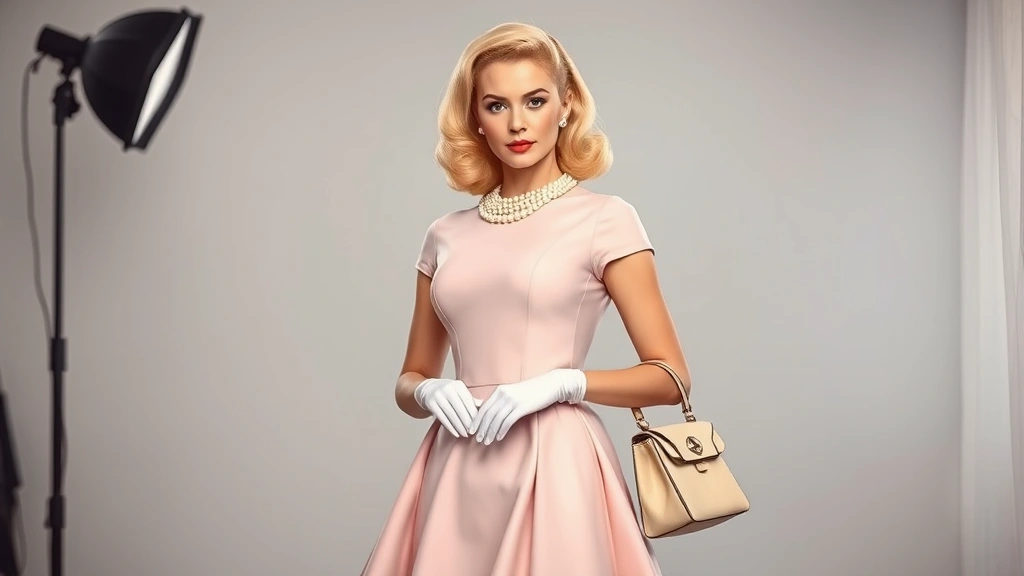
Grace Kelly’s wardrobe featured specific silhouettes that became synonymous with her name. The fitted bodice with full skirt, exemplified in her iconic yellow gown from “To Catch a Thief,” became her signature. This silhouette balanced femininity with sophistication, emphasizing the waist while providing elegant volume below. The proportions were meticulously calculated to create an hourglass figure without relying on excessive ornamentation.
Her preference for structured garments reflected her understanding of tailoring’s transformative power. Kelly invested in pieces crafted by master tailors who understood how fabric behaves on the body. Seams were placed strategically to create flattering lines, darts were positioned to enhance natural curves, and hems were precisely measured for optimal visual impact. This attention to construction detail distinguished her wardrobe from mass-produced alternatives.
The princess favored A-line silhouettes, wrap dresses, and fitted sheaths that adapted to various occasions while maintaining consistent elegance. She understood that clothing architecture matters more than fabric patterns or embellishments. Visit our StyleLoom Daily Blog for contemporary interpretations of classic silhouettes inspired by Kelly’s legacy.
Kelly’s jackets and coats featured clean lines and impeccable tailoring, often paired with simple dresses or skirts. She rarely wore oversized or poorly fitted garments, recognizing that proper proportions create visual harmony. Her approach to layering demonstrated sophisticated understanding of how pieces interact, creating cohesive outfits rather than collections of individual items. This principle remains fundamental to developing personal style that transcends seasonal trends.
Color Palette and Fabric Selection
Grace Kelly’s color preferences leaned toward pastels, neutrals, and jewel tones, creating a cohesive aesthetic that appeared effortless yet carefully considered. She famously favored soft pinks, pale blues, creams, and whites, colors that complemented her fair complexion and blonde hair. These choices weren’t accidental; they reflected understanding of how colors interact with skin tone, creating luminous, youthful appearances.
Her occasional use of bold colors—such as the vibrant yellow gown or emerald evening wear—was always strategic. These statement pieces were reserved for special occasions and paired with neutral accessories, preventing visual chaos. This restraint in color usage teaches contemporary fashionistas that bold choices gain impact through selective application rather than constant experimentation.
Regarding fabric selection, Kelly preferred natural materials: silk, cotton, wool, and linen. She understood that natural fibers drape beautifully, breathe comfortably, and age gracefully. Synthetic materials, though available during her era, rarely appeared in her personal wardrobe. This preference reflected her belief that quality fabrics justify higher investment and deliver superior results in both appearance and longevity.
The princess paid particular attention to fabric weight and texture. She selected heavier silks for structured evening gowns, lightweight cottons for daytime wear, and fine wools for tailored jackets. This knowledge ensured that each garment performed its intended function while maintaining aesthetic excellence. Her approach to quality fashion investment pieces demonstrates why timeless style requires understanding material properties.
Lace appeared frequently in her wardrobe, always applied with restraint and paired with solid colors. She favored delicate patterns over bold prints, recognizing that subtle texture adds visual interest without creating visual fatigue. This principle remains valid in contemporary styling, where minimalist elegance frequently outshines maximalist approaches in achieving lasting impact.
Accessories: The Art of Restraint
Grace Kelly’s approach to accessories exemplified the principle that less truly means more. Rather than layering multiple statement pieces, she selected one or two carefully chosen items that complemented her outfit without competing for attention. Her jewelry was typically understated: pearl necklaces, diamond studs, and delicate bracelets that enhanced rather than dominated her appearance.
The princess understood that accessories should serve functional purposes while contributing to overall aesthetic cohesion. Her handbags were invariably structured, elegant, and proportionate to her frame. The famous Kelly bag, created by Hermès and named in her honor, exemplifies her influence on accessory design. This piece combines functionality with timeless elegance, remaining coveted decades after its introduction.
Footwear received careful consideration in Kelly’s styling approach. She favored classic pumps in neutral colors, recognizing that shoes anchor outfits and influence overall visual balance. Her heel heights were consistently moderate, allowing comfortable movement while maintaining elegant proportions. This practical approach to footwear contradicted contemporary trends favoring extreme heel heights, yet her style endured while those trends faded.
Hats and gloves completed many of her ensembles, particularly for daytime occasions. These accessories reflected her era’s formality standards while demonstrating how finishing touches elevate basic outfits. Modern fashion enthusiasts can apply this principle by incorporating thoughtfully selected accessories that enhance personal style without overwhelming individual pieces.
Her jewelry selection prioritized quality over quantity, with preference for classic designs unencumbered by trendy flourishes. Diamond and pearl pieces appeared repeatedly, suggesting that she invested in versatile jewelry capable of complementing diverse outfits. This strategy maximizes wardrobe functionality while maintaining sophisticated appearance.
Everyday Elegance and Off-Duty Style
Beyond formal appearances and film roles, Grace Kelly demonstrated exceptional style in casual contexts. Photographs capturing her off-duty moments reveal an approach to everyday dressing that maintained elegance without excessive effort. She wore well-fitted jeans, simple blouses, and classic sweaters paired with quality accessories, proving that sophisticated style transcends formal occasions.
Her casual wardrobe featured neutral colors, comfortable yet structured silhouettes, and minimal embellishment. She understood that everyday style requires different considerations than formal wear: comfort becomes paramount, movement must be unrestricted, and visual impact derives from proportion rather than ornamentation. This balance between comfort and elegance remains challenging for contemporary dressers navigating increasingly casual professional environments.
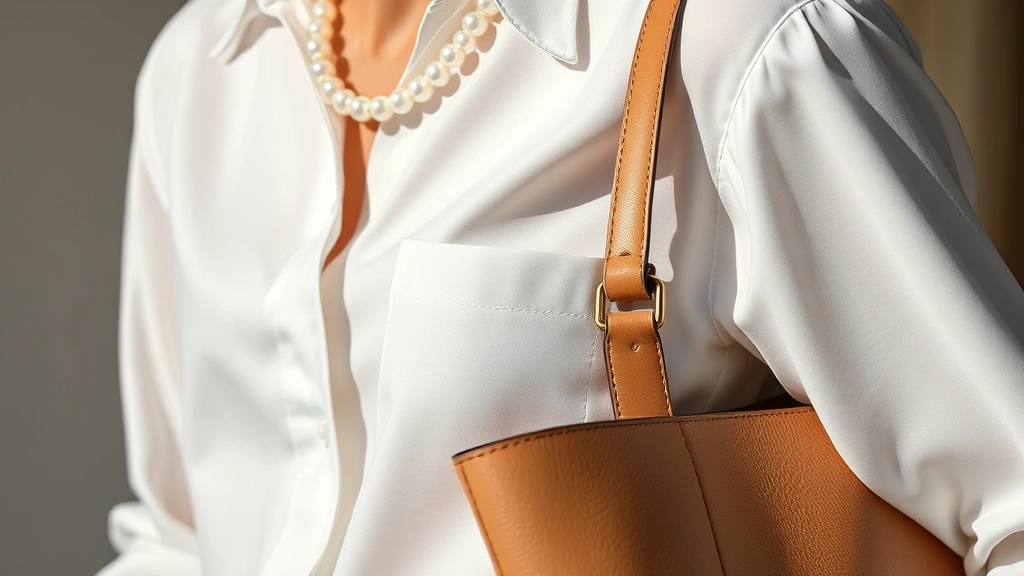
Kelly’s approach to casual elegance included investing in quality basics: white button-down shirts, navy sweaters, and tailored trousers. These foundational pieces formed the basis of countless outfits, demonstrating that wardrobe efficiency increases through strategic investment in versatile items. Her example suggests that developing personal style requires fewer garments than fast-fashion culture promotes, provided each piece is carefully selected for quality and versatility.
Her weekend style often featured simple cotton dresses, lightweight cardigans, and practical accessories suited to various activities. Photographs reveal a woman who dressed appropriately for specific contexts while maintaining consistent elegance. This contextual awareness—understanding that style must adapt to activity and environment—distinguishes sophisticated dressers from those who force identical aesthetics across all situations.
Formal Wear and Red Carpet Brilliance
Grace Kelly’s formal wear selections established standards for elegance that contemporary red carpet attendees still reference. Her evening gowns, designed by renowned costume designers and tailors, represented the pinnacle of sophisticated fashion. The famous yellow Hitchcock gown, pale pink Oscar dress, and wedding gown all demonstrated masterful understanding of how to create visually stunning garments that enhance rather than overshadow the wearer.
Her formal aesthetic favored floor-length silhouettes, often featuring intricate beadwork or delicate embroidery applied with remarkable restraint. Unlike many contemporary formal wear options drowning in excessive ornamentation, Kelly’s gowns achieved impact through exceptional tailoring and carefully considered embellishment placement. The bodices were invariably fitted, demonstrating her insistence on proper construction and flattering proportions.
The princess understood that formal wear serves specific purposes: creating visual impact, conveying respect through appropriate dress, and expressing personal style within context-appropriate boundaries. Her gown selections never appeared costume-like or overly theatrical, instead achieving elegant sophistication suitable for prestigious events. This approach to formal dressing remains instructive for contemporary attendees of galas, weddings, and formal celebrations.
Her wedding gown, designed by Helen Rose, represents perhaps her most iconic fashion moment. The gown featured Belgian lace, a fitted bodice, and a magnificent train, creating an ethereal yet structured silhouette. The headpiece and veil complemented rather than overwhelmed the gown’s design, and accessories remained minimal to allow the dress to command attention. This bridal approach contradicts contemporary trends toward increasingly elaborate wedding fashion, yet photographs prove Kelly’s choice achieved timeless elegance.
Modern Application of Grace Kelly’s Principles
Contemporary fashion enthusiasts can apply Grace Kelly’s style principles to develop personal aesthetics that transcend seasonal trends. Begin by establishing a color palette reflecting your skin tone and personal preferences, selecting three to five primary colors supplemented by neutrals. This foundational step prevents impulsive purchases of garments that don’t coordinate with existing pieces.
Invest in quality basics featuring excellent tailoring: white button-down shirts, neutral sweaters, tailored trousers, and simple dresses. These foundational pieces should fit impeccably, with seams positioned to flatter your specific body type. Unlike fast-fashion alternatives, quality basics justify higher investment through superior durability and consistent aesthetic excellence.
Select classic silhouettes over trendy cuts, recognizing that A-line skirts, fitted bodices, and structured jackets remain elegant across decades. Avoid garments featuring excessive ornamentation, oversized proportions, or novelty details that will appear dated within seasons. This principle applies whether shopping at luxury boutiques or accessible retailers; quality construction matters more than price point.
Develop a thoughtful accessory strategy emphasizing versatile pieces capable of complementing multiple outfits. Invest in quality handbags, shoes, and jewelry featuring timeless designs rather than trend-driven styles. A structured leather handbag, classic pumps, and pearl jewelry provide greater long-term value than numerous trendy alternatives replaced seasonally.
Understand your body type and dress to enhance your natural proportions rather than fighting them. Kelly’s tailoring emphasized her strengths while minimizing areas she wished to de-emphasize, a principle applicable to all body types. Modern tailors can adjust garments to fit individual bodies perfectly, transforming adequate pieces into exceptional ones.
Finally, recognize that sophisticated style requires fewer garments than contemporary consumer culture suggests. Kelly maintained elegance through careful curation of high-quality pieces rather than excessive quantity. This approach benefits both personal finances and environmental sustainability, aligning fashion choices with responsible consumption principles. Explore current vintage style approaches to understand how timeless fashion transcends era.
For those interested in contemporary fashion careers, understanding classic style principles like Kelly’s provides valuable foundation. Explore available fashion designer positions where knowledge of timeless aesthetics creates competitive advantage in an industry often dominated by fleeting trends.
FAQ
What were Grace Kelly’s favorite designers?
Grace Kelly collaborated extensively with Edith Head during her Hollywood career, developing her signature aesthetic through their partnership. For formal wear, she worked with renowned costume designers and European tailors who understood her vision for elegant simplicity. Her preference for quality construction over designer labels influenced her selections throughout her career.
How can I replicate Grace Kelly’s style on a budget?
Focus on quality basics in neutral colors rather than designer labels. Invest in well-tailored pieces even if they cost more initially, as superior construction ensures longevity. Thrift quality vintage pieces from her era, which often feature superior construction compared to contemporary fast fashion. Prioritize fit above all else, using tailors to adjust garments to your body.
What colors dominated Grace Kelly’s wardrobe?
Soft pastels—pale pink, cream, pale blue—and neutral shades formed her primary palette. She occasionally incorporated jewel tones like emerald and sapphire for formal occasions, always paired with neutral accessories. These color choices complemented her fair complexion and blonde hair, creating luminous, elegant appearances.
Did Grace Kelly wear trendy clothing?
While Kelly was aware of contemporary trends, she selected pieces that aligned with her established aesthetic rather than chasing every new fashion direction. Her style philosophy emphasized timelessness over novelty, investing in pieces she could wear repeatedly across years rather than seasons.
How important were accessories in Grace Kelly’s style?
Accessories were essential to Kelly’s aesthetic but applied with remarkable restraint. She selected one or two carefully chosen pieces per outfit, avoiding visual clutter. This minimalist approach to accessories remains instructive for contemporary dressers seeking sophisticated style without excessive accessorizing.
What can modern professionals learn from Grace Kelly’s style?
Professional style benefits from Kelly’s emphasis on quality, appropriate proportions, and neutral color palettes. Investing in tailored pieces, selecting classic silhouettes, and maintaining restrained accessorizing creates professional appearances that command respect while remaining timeless. Her example proves that sophisticated style enhances career presence across decades.