Goth Fashion Dress Ideas: Designer Insights & Modern Interpretations
Gothic fashion represents one of the most compelling and enduring aesthetic movements in contemporary style. Far beyond the stereotypes perpetuated by mainstream media, goth fashion dress encompasses a sophisticated spectrum of silhouettes, color palettes, and design philosophies that continue to captivate designers and fashion enthusiasts worldwide. From Victorian-inspired corsetry to sleek cyberpunk interpretations, gothic fashion offers endless possibilities for self-expression and creative styling that transcends seasonal trends.
The resurgence of goth aesthetics in high fashion validates what dedicated followers have always known: this style represents genuine artistic vision rather than mere rebellion. Contemporary designers are reimagining traditional gothic elements with innovative fabrics, unexpected color combinations, and forward-thinking silhouettes. Whether you’re exploring goth fashion for the first time or refining your existing wardrobe, understanding the nuances of this multifaceted style will empower you to create looks that feel authentically personal and undeniably striking.
This comprehensive guide explores essential goth fashion dress ideas through the lens of professional designers, trend forecasters, and style experts who are actively shaping the future of gothic aesthetics. Discover how to build a versatile goth wardrobe that celebrates both classic traditions and contemporary innovation.
Understanding Modern Gothic Fashion
Gothic fashion has evolved significantly since its emergence in the 1980s post-punk scene. Today’s interpretation reflects a maturation of the aesthetic, incorporating elements from multiple subcultures while maintaining the distinctive dark elegance that defines the movement. Understanding this evolution is crucial for anyone seeking to develop an authentic goth wardrobe that feels current and personal.
Modern gothic fashion draws inspiration from diverse historical periods and contemporary design movements. Victorian-era silhouettes remain foundational, but contemporary designers blend them with minimalist principles, futuristic elements, and sustainable practices. This fusion creates a style that honors gothic traditions while remaining relevant to 21st-century sensibilities. According to Vogue’s trend analysis, gothic aesthetics have gained mainstream acceptance, appearing regularly on runway shows and in editorial features.
The democratization of goth fashion has made it more accessible than ever. No longer confined to specialist boutiques, high-quality goth-inspired pieces appear across mainstream retailers and luxury fashion houses. This accessibility has paradoxically strengthened the aesthetic by encouraging greater experimentation and personal interpretation. When exploring how to find your personal style, many discover that gothic elements resonate deeply with their aesthetic preferences.
Contemporary goth fashion celebrates individuality while maintaining cohesive visual principles. The key to successful gothic styling lies in understanding the underlying design elements rather than adhering to rigid rules. This philosophy encourages creative expression while maintaining the distinctive visual language that makes goth fashion instantly recognizable.
Essential Dress Silhouettes for Goth Style
The foundation of any strong goth wardrobe includes several key dress silhouettes that serve as versatile canvases for personal styling. These silhouettes have proven their longevity through decades of fashion evolution and continue to inspire contemporary designers.
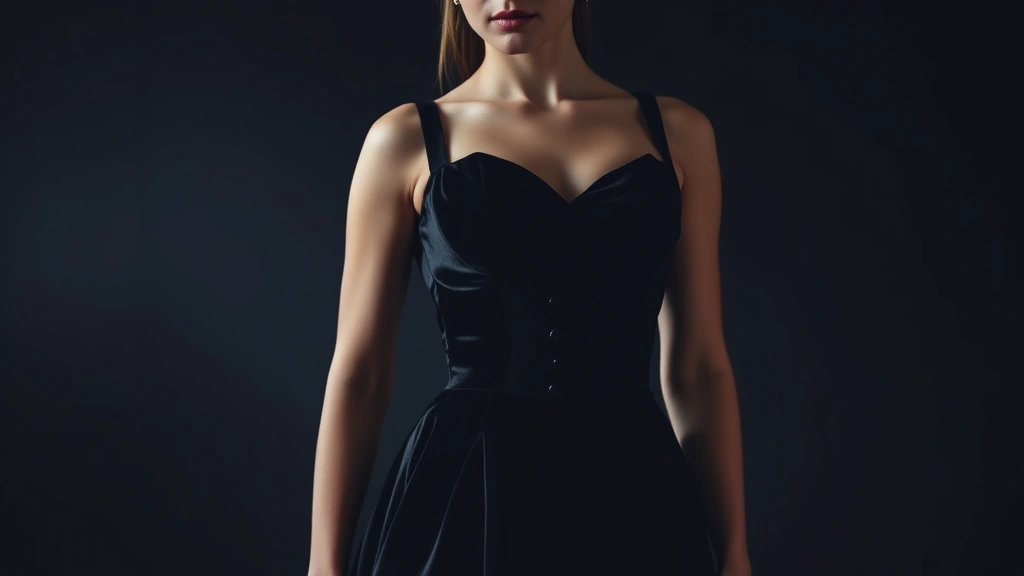
The Corset Dress remains the quintessential gothic silhouette. This structured design emphasizes waist definition through boning and corsetry, creating the dramatic hourglass figure central to gothic aesthetics. Modern corset dresses feature innovative construction techniques that provide comfort alongside visual impact. Designers are experimenting with unconventional fabrics—mesh overlays, leather panels, and metallic accents—that elevate the traditional corset dress beyond historical references.
A-Line and Fit-and-Flare Silhouettes offer more forgiving alternatives to structured corsetry while maintaining gothic elegance. These shapes flatter diverse body types and provide comfortable movement for everyday wear. Goth designers frequently incorporate dramatic hemlines, asymmetrical cuts, and layered skirts that add visual interest and movement to these classic shapes.
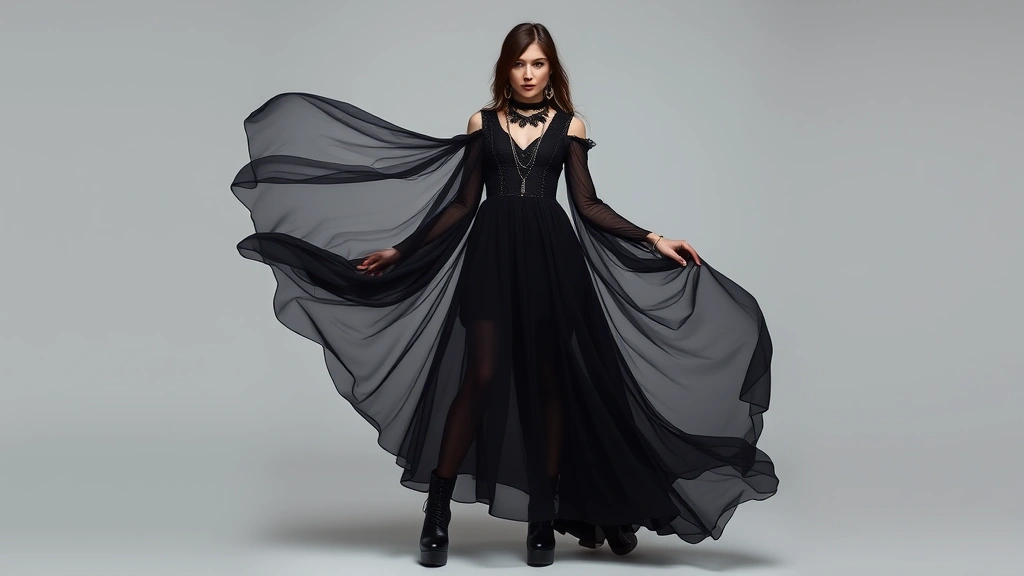
Maxi Dresses represent a staple in sophisticated goth wardrobes. Floor-length designs with flowing fabrics create ethereal, romantic interpretations of gothic style. These dresses work beautifully in layered looks and provide excellent opportunities for incorporating lace, sheer panels, and intricate details. Many contemporary designers use maxi silhouettes to explore gothic romanticism while maintaining modern proportions.
Bodycon and Sheath Dresses appeal to those preferring sleek, minimalist gothic aesthetics. These form-fitting designs showcase structured fabrics and often feature strategic cutouts, mesh panels, or architectural seaming that adds visual complexity. This silhouette particularly suits cyberpunk-influenced gothic fashion and contemporary club wear.
Wrap and Asymmetrical Dresses offer practical versatility while maintaining gothic sophistication. The adjustable nature of wrap dresses accommodates various body shapes, while asymmetrical hemlines and necklines introduce the visual drama essential to gothic aesthetics. These designs work across multiple occasions and styling contexts.
Color Theory in Gothic Fashion
While black dominates gothic fashion, contemporary designers are expanding the color vocabulary of the aesthetic. Understanding color theory within gothic contexts enables more nuanced and personal styling choices.
Black and Deep Neutrals form the traditional foundation of goth fashion. Black provides the perfect canvas for showcasing texture, silhouette, and accessory details. Deep charcoal, navy, and dark brown offer subtle alternatives that maintain gothic darkness while introducing variation. These neutral foundations allow accent colors and metallic details to become focal points.
Deep Jewel Tones have become increasingly prominent in contemporary goth fashion. Rich burgundy, deep plum, forest green, and midnight blue provide sophisticated alternatives to pure black while maintaining the dark elegance essential to gothic aesthetics. These colors work particularly well in velvet, satin, and other luxurious fabrics that enhance their depth and richness.
Metallic and Iridescent Accents add unexpected dimension to goth looks. Silver, gunmetal, and holographic finishes appear in accessories, trimmings, and strategic design elements. Gold tones, particularly in antique or rose variations, introduce warmth without compromising gothic darkness. These metallic elements reference both historical gothic ornamentation and futuristic aesthetics.
Monochromatic Styling creates visual impact through texture variation rather than color contrast. Combining different shades and finishes of the same color—matte black with glossy black, for instance—creates sophisticated depth. This approach requires attention to fabric selection and layering but produces striking results.
Fabric Selection and Texture
Fabric choice dramatically influences both the aesthetic and wearability of goth fashion dresses. Contemporary designers prioritize innovative materials that balance visual impact with practical functionality.
Velvet represents a cornerstone fabric in gothic fashion. Its luxurious appearance, rich color absorption, and sensual drape create the romantic drama central to goth aesthetics. Modern velvet production offers various weights and finishes, from crushed velvet to sleek stretch velvet, enabling diverse design applications. Designers frequently combine velvet with contrasting fabrics to create dynamic visual interest.
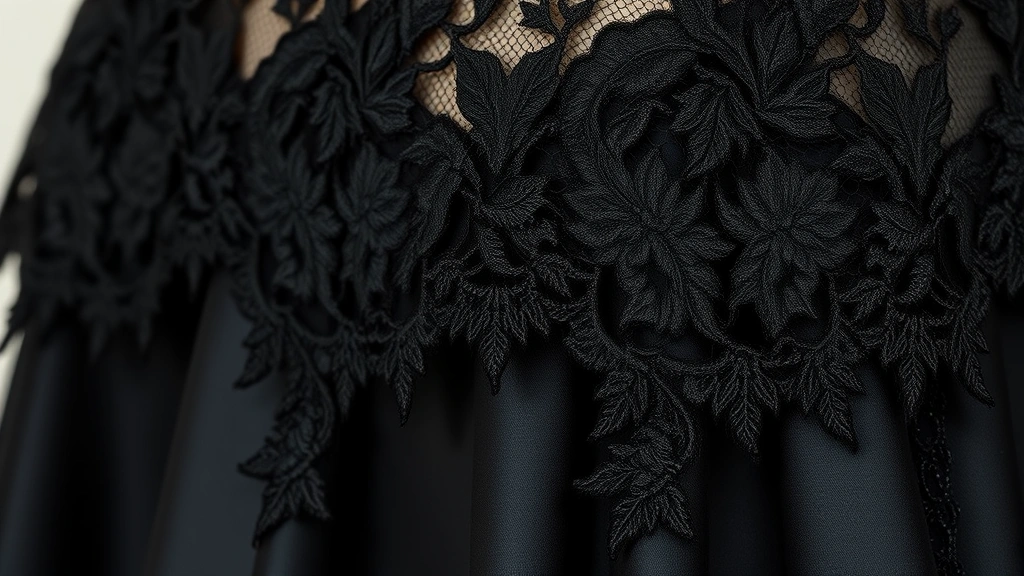
Lace and Mesh introduce delicate detail and strategic transparency. Gothic lace designs often feature intricate patterns with darker themes—skulls, roses, bats, and thorns. Mesh panels create architectural interest while maintaining the visual darkness of goth fashion. Layering lace and mesh over opaque fabrics creates depth and sophistication.
Leather and Faux Leather add edge and structure to gothic designs. These materials work particularly well in form-fitting silhouettes and provide opportunities for dramatic cutouts, hardware details, and unconventional textures. Contemporary designers increasingly use vegan leather alternatives that align with ethical fashion principles.
Satin and Silk provide elegant drape and lustrous finishes. These luxurious fabrics work beautifully in flowing silhouettes and create sophisticated alternatives to heavier materials. The light-reflective properties of satin introduce subtle visual interest while maintaining gothic darkness.
Cotton Blends and Modern Synthetics enable comfortable everyday goth fashion. High-quality cotton blends, stretchy synthetics, and performance fabrics make gothic pieces wearable for extended periods without sacrificing aesthetic impact. These practical materials democratize goth fashion by making it accessible for daily wear.
Textural Combinations create visual richness and interest. Combining smooth and textured fabrics—pairing matte with glossy finishes, or soft with structured materials—adds complexity to designs. This approach requires thoughtful planning but produces stunning results.
Designer Perspectives on Goth Trends
Leading fashion designers offer valuable insights into the current state and future direction of gothic fashion. Their perspectives reveal how goth aesthetics continue to evolve while maintaining core visual principles.
Many contemporary designers emphasize the importance of understanding different fashion styles to create informed gothic interpretations. This knowledge allows designers to draw inspiration from diverse aesthetic traditions while maintaining gothic distinctiveness. According to Designers’ Focus magazine, the most innovative goth fashion emerges when designers combine historical knowledge with contemporary design principles.
Sustainability has become central to progressive gothic fashion design. Emerging designers are sourcing ethical materials, utilizing vintage and deadstock fabrics, and creating timeless pieces designed for longevity rather than fast fashion cycles. This approach aligns with goth culture’s traditional emphasis on individuality and rejection of mainstream commercialism.
Inclusivity and size representation increasingly influence gothic fashion design. Designers recognize that goth aesthetics serve people across all body types and are creating collections that accommodate diverse sizing while maintaining visual impact. This inclusive approach strengthens gothic fashion’s cultural significance and accessibility.
Technology integration appears in contemporary goth fashion through innovative fabric treatments, digital design processes, and futuristic aesthetic elements. Some designers explore LED elements, color-changing fabrics, and interactive design features that honor cyberpunk gothic traditions while embracing modern technology.
Styling Techniques and Accessories
Masterful styling elevates goth fashion from costume to cohesive personal aesthetic. Strategic accessory choices and styling techniques create polished, intentional looks.
Layering Strategies form the foundation of sophisticated goth styling. Strategic layering creates visual depth, accommodates varying temperatures, and introduces texture variety. Consider layering sheer fabrics over opaque pieces, combining fitted garments with flowing overlays, or pairing structured pieces with soft, draping elements. This approach works across all dress silhouettes and enables creative expression.
Footwear Choices significantly influence overall aesthetic impact. Platform boots—whether stiletto or chunky—remain quintessentially gothic. Combat boots, Victorian-inspired lace-up styles, and elegant pumps offer alternatives. Shoe selection should complement dress silhouettes while maintaining gothic visual language. Many stylists recommend investing in quality footwear that provides comfort for extended wear.
Jewelry and Hardware serve as powerful focal points in gothic styling. Silver chains, ornate rings, chokers, and statement necklaces introduce metallic contrast and visual interest. Vintage-inspired pieces, skull motifs, and religious symbolism appear frequently in gothic jewelry. Contemporary designers are creating modern interpretations that honor traditional gothic jewelry aesthetics while offering contemporary appeal.
Outerwear Options extend goth fashion across seasons and occasions. Long velvet cloaks, structured leather jackets, Victorian-inspired capes, and dramatic coats create impactful silhouettes. Outerwear provides opportunities to introduce contrasting textures and dramatic proportions while maintaining cohesive styling.
Makeup and Hair complete gothic looks. Bold lip colors—deep reds, plums, and blacks—create striking focal points. Dramatic eye makeup with dark shadows, winged liner, and bold lashes emphasizes facial features. Hair styling ranges from sleek and structured to voluminous and textured, with many goths incorporating dyed elements, gothic accessories, and dramatic styling.
Building Your Goth Wardrobe
Creating a functional, versatile goth wardrobe requires strategic planning and intentional investment. This approach ensures pieces work together cohesively while accommodating diverse occasions and styling contexts.
Foundation Pieces should form your wardrobe’s base. Invest in well-made black dresses in key silhouettes—a fitted black dress, a flowing maxi, and a structured corset-style dress provide versatile foundations. These pieces should feature quality construction and timeless designs that transcend seasonal trends. Pair foundation pieces with neutral accessories for understated elegance or bold accessories for dramatic impact.
Texture Variety prevents goth wardrobes from feeling monotonous. Include pieces in various fabrics—velvet, lace, leather, satin, and cotton blends—to create visual interest through material variation. This diversity also ensures pieces suit different occasions and seasons. A well-rounded goth wardrobe includes at least one piece in each major textile category.
Accent Pieces and Statement Items allow creative expression and seasonal updates. Incorporate pieces in deep jewel tones, metallic accents, or unexpected design details. These items introduce freshness without requiring complete wardrobe overhauls. Statement dresses with dramatic silhouettes, intricate details, or bold colors energize existing basics.
Versatile Layering Pieces extend wardrobe functionality. Long-sleeved bodysuits, fitted turtlenecks, mesh tops, and structured jackets layer beautifully under dresses and create complete outfits. These pieces work across multiple seasons and styling contexts, maximizing wardrobe versatility.
When exploring fashion week dress to impress ideas, many discover that goth fashion offers sophisticated options that balance personal expression with polished professionalism. Similarly, fashion trends for women over 50 often incorporate gothic elements for their timeless elegance and flattering silhouettes.
Investment Pieces deserve careful consideration. High-quality designer goth dresses, bespoke corsetry, and luxury outerwear represent significant investments but provide lasting value through superior construction and enduring design. These pieces elevate entire outfits and often appreciate in value within fashion communities.
Seasonal Considerations influence goth wardrobe planning. Summer requires lighter fabrics and shorter silhouettes, while winter accommodates heavier materials and dramatic outerwear. Transitional seasons enable layering combinations that extend wardrobe functionality. Building seasonal variety ensures year-round wearability.
Start by assessing your lifestyle and styling preferences. Consider which goth substyles resonate most—romantic goth, cyberpunk goth, Victorian goth, or eclectic combinations. This self-knowledge guides purchasing decisions and ensures cohesive wardrobe development. Reference the complete fashion history timeline to understand how goth fashion fits within broader fashion evolution.
Quality trumps quantity in sustainable wardrobe building. Investing in fewer, higher-quality pieces that you genuinely love creates more cohesive, functional wardrobes than accumulating numerous lower-quality items. This approach aligns with both ethical fashion principles and practical wardrobe management.
FAQ
What are the main goth fashion dress styles?
Primary goth dress styles include corset dresses, Victorian-inspired maxi dresses, fit-and-flare silhouettes, bodycon designs, and asymmetrical pieces. Each style accommodates different body types, occasions, and personal aesthetic preferences while maintaining gothic visual language.
Can I wear goth fashion to professional settings?
Absolutely. Gothic fashion offers sophisticated alternatives for professional environments. Opt for well-tailored pieces in black or deep jewel tones, minimize dramatic hardware, and choose sleek silhouettes. Pairing goth dresses with structured jackets and professional accessories creates polished, work-appropriate looks.
How do I start building a goth wardrobe on a budget?
Begin with foundational pieces in classic black silhouettes, then gradually add texture variety and accent pieces. Explore vintage and thrift stores for quality pieces at reduced prices. Invest strategically in one or two higher-quality items annually rather than purchasing numerous budget pieces simultaneously.
What fabrics work best for everyday goth fashion?
Cotton blends, stretchy synthetics, and high-quality knits provide comfort for daily wear while maintaining gothic aesthetics. These practical materials work beautifully in everyday silhouettes and layer well with other pieces. Reserve heavier fabrics like velvet for special occasions or cooler seasons.
How do I incorporate goth fashion into existing wardrobes?
Start by adding goth-inspired accessories and layering pieces to existing outfits. A black lace top over a basic dress, dramatic jewelry, or gothic footwear introduces goth elements without requiring complete wardrobe overhauls. Gradually incorporate goth dresses as you develop comfort with the aesthetic.
Are there specific color alternatives to black in goth fashion?
Yes. Deep jewel tones—burgundy, plum, forest green, and midnight blue—work beautifully in gothic fashion. These colors maintain gothic darkness while introducing subtle variation. Metallic accents and strategic color blocking also add visual interest while respecting goth aesthetic principles.
How do I style goth dresses for different occasions?
Accessorize differently for various contexts. Dramatic jewelry, bold makeup, and statement footwear create evening looks, while minimal accessories and professional outerwear suit daytime wear. Layering pieces and jacket choices significantly influence overall styling and occasion appropriateness.