Top French Fashion Brands: Designer Picks for Timeless Elegance
French fashion represents the pinnacle of sophistication, elegance, and timeless style that has captivated the world for centuries. From the cobblestone streets of Paris to Milan’s runways, French designers have consistently set the standard for what it means to dress with intention and grace. The allure of French fashion lies not merely in its aesthetic appeal, but in its philosophy—a belief that true style transcends trends and speaks to the very essence of who we are.
Whether you’re exploring how to find your personal style or seeking to understand the nuances of luxury fashion, understanding the top French fashion brands is essential. These houses have shaped global fashion consciousness and continue to influence everything from haute couture to ready-to-wear collections. This comprehensive guide explores the most iconic and influential French fashion brands that every style enthusiast should know.
Iconic Heritage Houses: The Foundations of French Fashion
When discussing French fashion brands, we must begin with the legendary houses that established the very language of luxury and style. These institutions didn’t simply create clothing; they crafted entire philosophies that revolutionized how the world approaches fashion.
Chanel stands as perhaps the most transformative force in fashion history. Founded by Gabrielle Coco Chanel in 1910, this house fundamentally changed women’s fashion by introducing comfort, practicality, and understated elegance. The little black dress, costume jewelry, and the iconic quilted handbag became symbols of timeless sophistication. Under the creative direction of Karl Lagerfeld for decades, and now Virginie Viard, Chanel continues to balance heritage with innovation, maintaining its position as a global fashion authority. The brand’s philosophy—that luxury must be comfortable and accessible in spirit, if not in price—remains revolutionary.
Louis Vuitton, established in 1854, represents the marriage of craftsmanship and innovation. What began as a trunk-making business evolved into one of the world’s most recognizable luxury brands. The monogram canvas and leather goods became status symbols, yet Louis Vuitton’s genius lies in its ability to remain aspirational while continuously evolving. The brand’s ready-to-wear collections, helmed by creative directors who understand both heritage and modernity, demonstrate that French luxury extends far beyond accessories.
Dior emerged post-World War II as a symbol of optimism and femininity. Christian Dior’s revolutionary “New Look” in 1947, with its voluminous skirts and cinched waists, represented a radical departure from wartime austerity. Today, Dior continues to celebrate the beauty of femininity while embracing modern sensibilities. The brand’s haute couture collections remain benchmarks of technical excellence and artistic vision, while its ready-to-wear lines make Dior elegance accessible to a broader audience.
Hermès embodies the quintessential French concept of understated luxury. Founded in 1837 as a saddle maker, Hermès has maintained an almost philosophical commitment to craftsmanship and quality. Every piece tells a story of meticulous attention to detail. The Birkin and Kelly bags aren’t merely accessories; they’re investments in timeless design. Hermès’ approach to fashion—prioritizing quality over quantity, heritage over trends—reflects deeply held French values about what truly matters in life.

Luxury Powerhouses Leading Modern Fashion
Beyond the heritage houses, several French brands have risen to prominence as leaders in contemporary luxury fashion, each bringing distinct perspectives to the industry.
Yves Saint Laurent (YSL) revolutionized fashion by introducing power dressing and sensuality to women’s wardrobes. The brand’s iconic Le Smoking tuxedo suit challenged gender norms and became a feminist statement. Founded by Yves Saint Laurent in 1961, the house continues under creative direction that honors its legacy while pushing boundaries. YSL’s ability to balance bohemian elegance with sharp tailoring makes it perpetually relevant.
Givenchy, though currently under Italian ownership, maintains its French design heritage. The brand’s elegant minimalism and impeccable tailoring reflect core French aesthetic values. From Audrey Hepburn’s iconic Givenchy gowns to contemporary collections, the house represents a particular vision of refined, understated luxury that appeals to those who understand that true style whispers rather than shouts.
Céline exemplifies the modern luxury house that refuses to compromise on quality or vision. Under the creative direction of Hedi Slimane, Céline has become synonymous with contemporary elegance—sharp tailoring, neutral palettes, and an almost architectural approach to design. The brand appeals to fashion-forward individuals who appreciate sophistication without ostentation. Understanding types of fashion styles helps explain why Céline resonates with minimalist aesthetic enthusiasts.
Balenciaga, though Spanish in origin, has become a powerhouse under French creative direction and currently maintains significant French influence in its operations. The brand’s bold silhouettes and innovative approach to proportion have made it essential for those seeking fashion-forward pieces that still maintain elegance.
Contemporary Innovators Redefining French Style
The new generation of French fashion designers continues to push boundaries while respecting tradition, creating collections that feel both modern and timeless.
Isabel Marant represents the modern Parisian aesthetic—effortlessly chic, wearable, and accessible without sacrificing quality. Her designs capture the essence of French casual elegance, making high fashion feel natural and achievable. Marant’s pieces are beloved by fashion insiders precisely because they embody the French philosophy that style should feel unstudied and authentic.
Jacquemus brings youthful energy to French fashion while maintaining the brand’s commitment to refined design. Founder Simon Porte Jacquemus has created a house that feels distinctly contemporary while paying homage to French craftsmanship traditions. The brand’s colorful, playful collections prove that French fashion can be joyful without being frivolous.
Lemaire focuses on impeccable tailoring and luxurious materials, creating pieces that embody quiet luxury. The brand appeals to those who understand that true fashion sophistication lies in exceptional quality and timeless design rather than logos or status symbols. This approach aligns perfectly with fashion week dress to impress strategies that prioritize personal style over trends.
Understanding the complete fashion history timeline from ancient styles to modern trends provides context for how these contemporary brands evolved from centuries of French fashion excellence.
Emerging Designers Shaping the Future
The future of French fashion rests in the hands of emerging designers who studied at best fashion design schools and are now creating their own visions. These designers represent the next evolution of French fashion philosophy.
Young French designers are increasingly focused on sustainability, craftsmanship, and storytelling. They’re rejecting the fast-fashion model in favor of smaller, more intentional collections that celebrate artisanal techniques and quality materials. This movement represents a return to core French values—that fashion should be meaningful, well-made, and enduring.
Several emerging houses are gaining recognition for their innovative approaches to tailoring, fabric development, and design philosophy. These brands often prioritize direct relationships with artisans and manufacturers, ensuring that every piece meets exacting standards. They’re creating the next generation of French fashion heritage, proving that the tradition of excellence continues to thrive.
Investment Pieces Worth Every Euro
When investing in French fashion, certain pieces transcend seasonal trends and become wardrobe foundations that appreciate in value—both financial and personal.
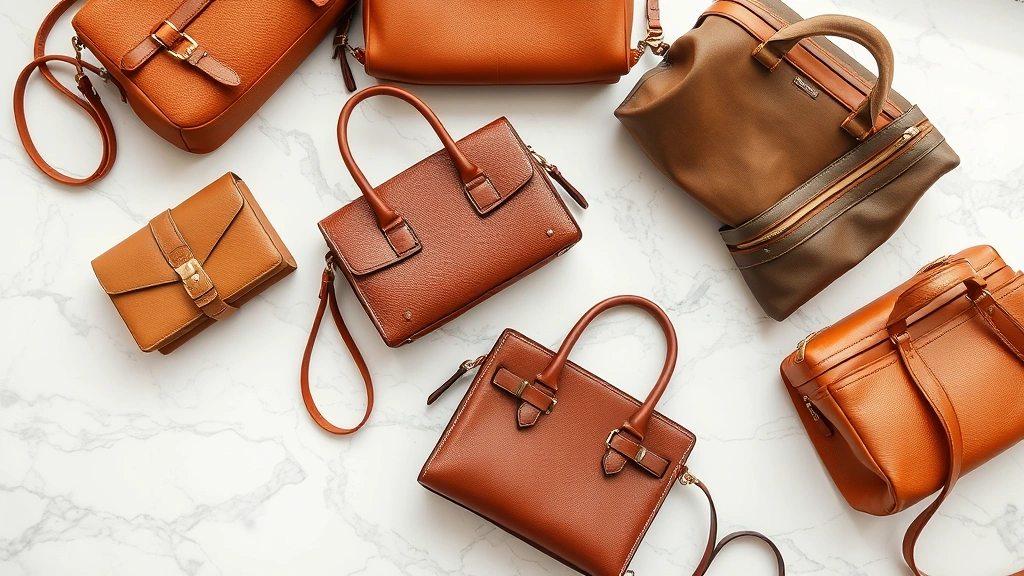
Classic Handbags: Hermès Birkin, Chanel 2.55, Louis Vuitton Speedy, and Céline Luggage totes represent investments that hold value. These aren’t merely fashion statements; they’re functional art pieces that improve with age and use.
Tailored Jackets: A perfectly tailored blazer from Chanel, Dior, or Lemaire can transform an entire wardrobe. French designers understand that impeccable tailoring creates the foundation for effortless style.
Trench Coats: Originating from military tradition but perfected by French designers, a quality trench coat is perhaps the most versatile investment piece. Brands like Burberry (with French influences) and French houses create timeless versions that work across seasons and decades.
Evening Wear: French haute couture pieces, whether haute couture gowns or sophisticated cocktail dresses, represent wearable art. Investing in quality evening pieces from established houses ensures you’ll have appropriate attire for significant occasions throughout your life.
Leather Goods: Beyond handbags, leather accessories—belts, shoes, wallets—from French brands demonstrate that luxury exists in details. Quality leather improves with time, developing character and patina that synthetic materials cannot achieve.
Shopping French Fashion: Where and How
Accessing French fashion brands requires understanding various shopping channels and strategies that maximize both value and authenticity.
Flagship Boutiques: Shopping directly at brand boutiques in Paris, other French cities, or internationally ensures authenticity and access to complete collections. Many flagship stores offer personalized services, including alterations and custom orders.
Department Stores: Luxury department stores like Galeries Lafayette and Le Bon Marché in Paris carry multiple French brands under one roof, allowing for comparative shopping and exposure to diverse collections.
Online Shopping: Established luxury e-commerce platforms like SSENSE, Farfetch, and brand websites offer authenticated merchandise with convenient return policies. Online shopping provides access to collections regardless of geographic location.
Sample Sales: Many French brands host sample sales, particularly in Paris, offering significant discounts on previous season collections. These events provide opportunities to invest in quality pieces at reduced prices.
Vintage and Pre-owned: Luxury pre-owned platforms like Vestiaire Collective and The RealReal offer authenticated vintage and gently used pieces from French brands. This approach combines sustainability with access to rare or discontinued items.
Visit Style Loom Daily Blog for additional shopping tips and fashion insights that complement your French fashion journey.
FAQ
What makes French fashion brands distinct from other luxury brands?
French fashion brands prioritize timeless elegance, impeccable craftsmanship, and understated sophistication. Rather than relying on logos or obvious status symbols, French design philosophy emphasizes quality materials, exceptional construction, and pieces that transcend seasonal trends. This approach reflects broader French cultural values about life’s aesthetic and intellectual pleasures.
Are French fashion brands worth the investment?
Quality French fashion pieces represent sound investments. Heritage brands like Hermès, Chanel, and Louis Vuitton maintain or appreciate in value, while contemporary brands offer exceptional quality that justifies higher price points through longevity and timeless design. A well-chosen French fashion piece can serve you for decades, making the per-wear cost quite reasonable.
How can I identify authentic French fashion pieces?
Authentic pieces feature impeccable construction, quality materials, proper labeling, and consistent branding. Purchase from authorized retailers, verify holograms or security features, and examine craftsmanship details. When in doubt, consult brand websites or authentication services specializing in luxury goods.
Which French fashion brands offer the best value for money?
Brands like Isabel Marant, Jacquemus, and Lemaire offer exceptional quality at lower price points than ultra-luxury houses. Secondary lines and diffusion collections from major houses also provide access to brand aesthetics at reduced prices.
How do I develop a French-inspired personal style?
Focus on quality basics in neutral colors, invest in well-tailored pieces, prioritize fit over trends, and build a cohesive wardrobe where items mix and match effortlessly. Study French style icons, emphasize accessories, and remember that true French style appears effortless—invest time in understanding what flatters your individual features and lifestyle.
What are the best French fashion brands for sustainable fashion?
Several French brands prioritize sustainability, including emerging designers and established houses like Hermès, which emphasizes durability and timelessness. Look for brands with transparent manufacturing practices, quality materials, and ethical production standards.