Dress to Impress at Fashion Week: Expert Insights
Fashion Week represents the pinnacle of style excellence, where industry professionals, celebrities, and fashion enthusiasts converge to celebrate creativity, innovation, and sartorial mastery. Whether you’re attending as a participant, industry insider, or fashion-forward observer, understanding how to dress to impress at Fashion Week requires strategic planning, confidence, and an acute awareness of current trends. This comprehensive guide explores expert insights that will elevate your Fashion Week presence and ensure you make a memorable impression on the runway of real-world style.
The art of dressing for Fashion Week extends far beyond selecting expensive garments; it’s about curating a cohesive narrative through fashion that reflects your personality, understanding of trends, and respect for the event’s cultural significance. From New York to Paris, Milan to London, each Fashion Week carries its own distinct energy and expectations. Success lies in balancing personal authenticity with professional awareness, creating an ensemble that speaks volumes before you utter a single word.
Understanding Fashion Week Culture and Expectations
Fashion Week operates within a unique ecosystem where visual communication supersedes verbal discourse. Industry insiders, from editors to influencers, photographers to designers, conduct silent assessments of attendees within microseconds. Your outfit functions as your personal brand statement, your credentials, and your introduction to the fashion community. Understanding this fundamental principle transforms your approach from casual dressing to strategic style curation.
Each Fashion Week carries distinct cultural markers. New York Fashion Week emphasizes bold individuality and experimental style choices. Paris Fashion Week demands refined elegance and timeless sophistication. Milan Fashion Week celebrates luxury and impeccable tailoring. London Fashion Week encourages creative risk-taking and avant-garde expressions. Before attending, research the specific event’s aesthetic to align your wardrobe accordingly. This preparation demonstrates respect for the event and positions you as someone who understands fashion’s nuanced landscape.
The concept of “dressing to impress” at Fashion Week isn’t about wearing the most expensive labels or the season’s trendiest pieces. Instead, it’s about demonstrating style literacy—showing that you understand proportions, color theory, fabric quality, and the art of intentional styling. Finding your personal style becomes crucial when navigating Fashion Week’s complex social hierarchy.
Building Your Fashion Week Foundation: The Essentials
Every impressive Fashion Week ensemble begins with foundational pieces that serve as your styling canvas. These basics transcend trends and provide the structural integrity necessary for creating sophisticated, cohesive outfits throughout the event.
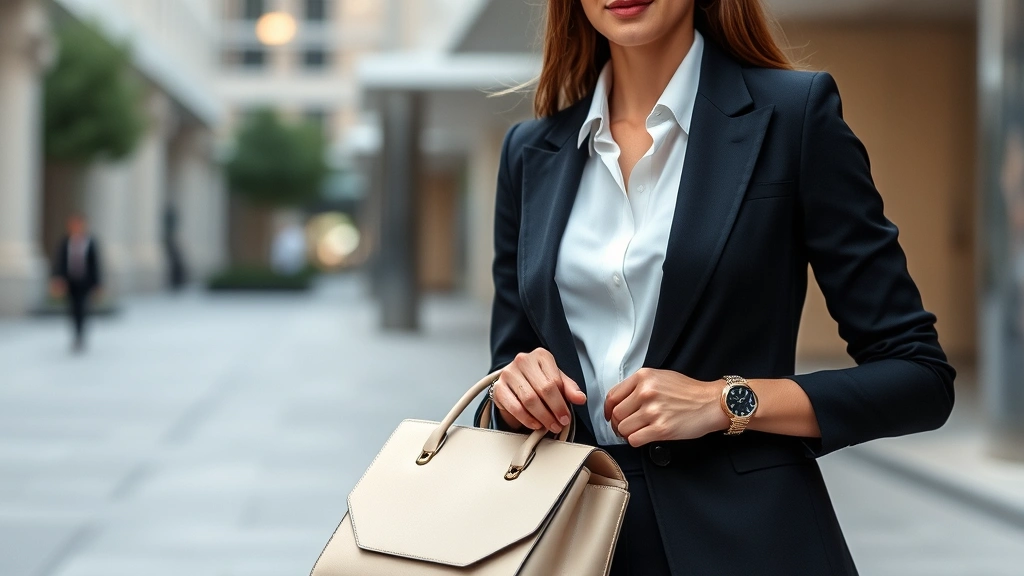
- Tailored Blazers: A well-fitted blazer in black, navy, or neutral tones serves as your professional armor. Choose structured fabrics with impeccable seaming and consider investing in pieces from established tailoring houses.
- Neutral Trousers: High-waisted, perfectly proportioned trousers in black, gray, or cream provide versatility and polish. Ensure the inseam hits precisely at your shoe’s heel.
- Minimalist White Shirts: The ultimate Fashion Week staple, a crisp white button-down or silk blouse works across multiple styling scenarios, from business-casual to evening elegance.
- Sophisticated Dresses: Invest in at least two elevated dresses—one for daytime events, one for evening functions. Consider clean lines, quality fabrics, and timeless silhouettes.
- Premium Denim: Dark, well-fitted denim in a luxury fabric can be elevated through styling and serves as a comfortable alternative during casual Fashion Week moments.
Understanding different types of fashion styles helps you select foundational pieces that align with your aesthetic while maintaining Fashion Week credibility. Quality matters exponentially; a single well-made piece outshines multiple fast-fashion items.
Color Psychology and Strategic Wardrobe Choices
Color selection at Fashion Week extends beyond personal preference—it communicates confidence, cultural awareness, and styling sophistication. Strategic color choices create visual impact while maintaining the refined aesthetic Fashion Week demands.
Neutral Power Palette: Black, white, gray, navy, and beige provide sophisticated foundations that allow accessories and silhouettes to shine. These colors demonstrate editorial understanding and create a blank canvas for personal expression.
Seasonal Color Trends: While maintaining neutrals, incorporating seasonal trending colors demonstrates awareness of current fashion movements. Spring/Summer might feature pastels or vibrant jewel tones, while Fall/Winter celebrates deep burgundies, forest greens, and chocolate browns.
Monochromatic Dressing: Fashion Week insiders frequently employ monochromatic outfits—dressing head-to-toe in varying shades of a single color. This technique creates visual elongation, sophistication, and a distinctly high-fashion aesthetic.
Strategic Color Blocking: When incorporating multiple colors, ensure they share similar undertones and intensity levels. Complementary color combinations should feel intentional rather than accidental.
According to Vogue, color psychology plays an integral role in how fashion professionals perceive attendees. Confidence-boosting colors like deep jewel tones and rich blacks command attention, while pastels and neutrals suggest approachability and sophistication.
Accessorizing Like a Style Authority
Accessories represent your opportunity to inject personality while maintaining Fashion Week’s professional expectations. Expert accessorizing separates competent dressers from true style authorities.
Statement Jewelry: Rather than scattered accessories, select one significant jewelry piece—architectural earrings, a sculptural bracelet, or a meaningful necklace. This approach demonstrates intentionality and editorial sophistication.
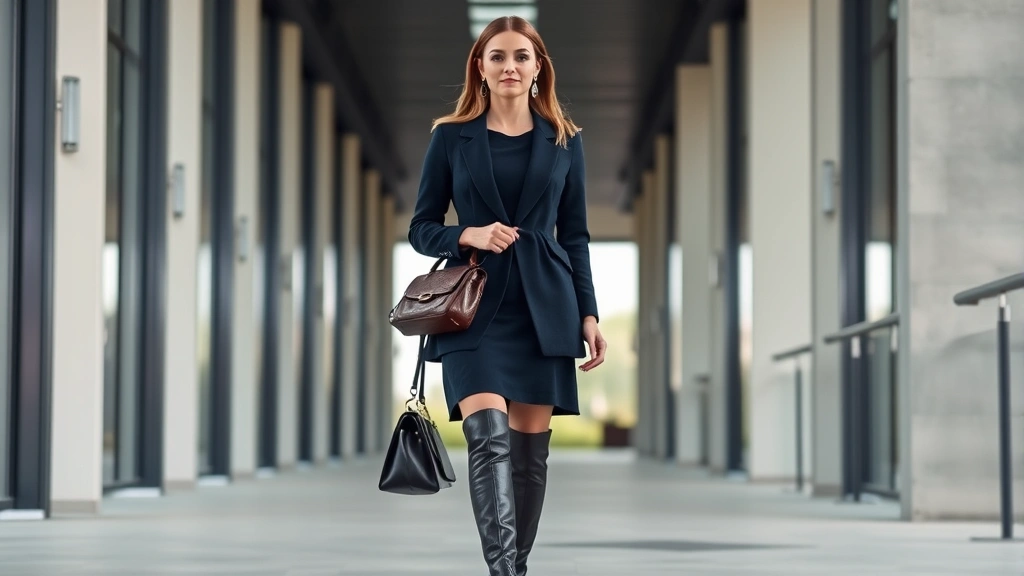
Investment Handbags: Your handbag functions as both practical necessity and style statement. Opt for structured, quality pieces in neutral colors or subtle patterns. Luxury investment pieces from established houses signal industry credibility.
Strategic Belts: A quality belt instantly elevates silhouettes and creates definition. Wide leather belts, delicate chains, or sculptural pieces transform basic outfits into polished ensembles.
Timepieces as Accessories: A refined watch serves dual purposes—practical functionality and style statement. Choose pieces with clean designs and quality construction.
The concept of fashion trends for women over 50 emphasizes that accessorizing becomes increasingly important as we age, allowing for age-appropriate style expression while maintaining contemporary relevance.
Remember the golden rule: every accessory should serve a purpose and contribute to your overall aesthetic narrative. Avoid excessive layering or competing statement pieces that create visual chaos.
Footwear: The Statement-Making Foundation
Fashion Week professionals scrutinize footwear with particular intensity. Your shoes communicate grooming standards, budget awareness, and style confidence.
Classic Leather Heels: Pointed-toe or almond-toe heels in black, neutral, or rich jewel tones provide versatile foundations for multiple outfits. Prioritize comfort—painful shoes create visible discomfort that undermines your entire presentation.
Minimalist Flats: Elegant ballet flats, loafers, or sleek pointed-toe flats offer comfortable alternatives while maintaining sophistication. Ensure impeccable condition and quality construction.
Statement Footwear: If incorporating bold shoes, ensure they align with your overall aesthetic and the specific event’s formality level. Unique textures, interesting heel shapes, or subtle embellishments can elevate basic outfits.
Boot Styling: Ankle boots, knee-high silhouettes, or over-the-knee styles provide versatile options when styled intentionally. Choose colors and styles that complement your foundational wardrobe.
Footwear condition matters immensely. Scuffed shoes, worn heels, or neglected leather immediately signal lack of attention to detail. Invest in professional shoe care and maintenance.
Hair, Makeup, and Personal Grooming Standards
Fashion Week dressing extends beyond garments to encompass complete personal presentation. Hair, makeup, and grooming communicate the same level of intentionality as your clothing choices.
Hair Styling: Whether wearing hair up or down, ensure styles appear intentional and well-maintained. Sleek, polished styles communicate editorial sophistication, while textured, effortless waves convey contemporary elegance. Avoid overly elaborate styles that distract from your outfit’s narrative.
Makeup Application: Fashion Week makeup should enhance rather than overshadow. Well-applied makeup in neutral or complementary tones creates a polished appearance. Consider the event’s lighting—bold colors may photograph differently than anticipated.
Skin Care Foundation: Glowing, well-maintained skin provides the ultimate foundation for any outfit. Prioritize skincare weeks before Fashion Week to ensure your complexion radiates health and vitality.
Nail Presentation: Whether opting for classic manicures, subtle designs, or natural nails, ensure hands appear manicured and polished. Chipped polish or neglected nails undermine otherwise impeccable styling.
Fragrance Selection: Choose sophisticated, subtle fragrances that enhance rather than announce your presence. Avoid overpowering scents in professional settings.
Day Versus Evening Fashion Week Strategies
Fashion Week events span daytime presentations and evening celebrations, each requiring distinct styling approaches. Success requires understanding these differences and adjusting your wardrobe accordingly.
Daytime Fashion Week Events: Daytime shows, presentations, and industry meetings demand polished, professional aesthetics. Tailored blazers, structured dresses, quality fabrics, and refined accessories create appropriate impressions. Comfort matters—you may be sitting in presentations for extended periods. Avoid overly dramatic makeup or elaborate styling that reads as evening-appropriate for daytime contexts.
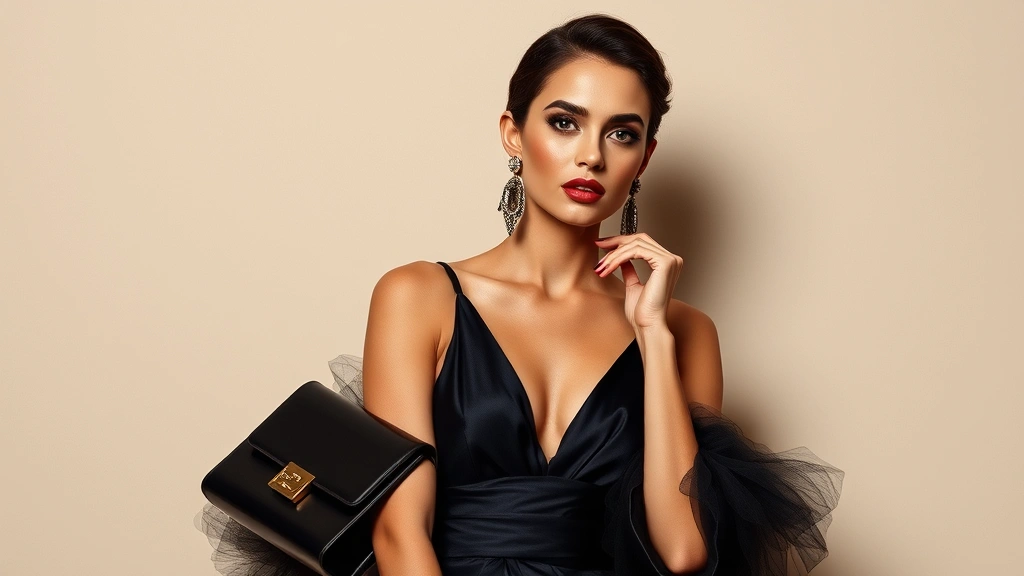
Evening Fashion Week Functions: Evening galas, after-parties, and formal presentations invite more dramatic styling. Luxurious fabrics, bolder colors, statement jewelry, and sophisticated makeup create appropriate evening presence. Consider elegant gowns, sophisticated separates, or elevated cocktail attire depending on the specific event’s formality.
Transitional Dressing: Many Fashion Week attendees move seamlessly between daytime and evening events. Develop styling strategies that allow quick transformations—swapping blazers, changing jewelry, or adjusting makeup without complete outfit changes.
Understanding the complete fashion history timeline provides context for how formal dress codes have evolved, informing contemporary Fashion Week expectations.
Regional Fashion Week Dress Codes Explained
Fashion Week events across global fashion capitals carry distinct aesthetic expectations. Understanding these regional differences ensures appropriate styling for specific events.
New York Fashion Week: Celebrated for embracing experimental style and bold individuality, New York Fashion Week welcomes creative risk-taking. Fashion-forward pieces, unexpected combinations, and statement-making accessories align with this event’s ethos. However, maintain underlying sophistication and intentionality—deliberate boldness differs from haphazard styling.
Paris Fashion Week: The fashion world’s most prestigious event demands refined elegance and timeless sophistication. Classic tailoring, neutral palettes, quality fabrics, and understated luxury characterize appropriate Paris Fashion Week styling. Avoid trendy pieces that may appear dated within seasons; instead, invest in investment pieces with enduring appeal.
Milan Fashion Week: Celebrating luxury and impeccable craftsmanship, Milan Fashion Week expectations emphasize quality construction and sophisticated styling. Investment pieces from established luxury houses, perfectly tailored silhouettes, and refined accessories communicate respect for this event’s legacy.
London Fashion Week: Known for encouraging creative expression and avant-garde styling, London Fashion Week welcomes innovative approaches to fashion. Unique pieces, unexpected color combinations, and fashion-forward accessories align with this event’s experimental spirit while maintaining overall coherence.
Research specific style resources dedicated to your target Fashion Week for deeper insights into regional expectations.
According to fashion industry experts at Business of Fashion, understanding regional nuances prevents cultural fashion faux pas and positions attendees as knowledgeable industry participants rather than uninformed observers.
FAQ
What budget should I allocate for a Fashion Week wardrobe?
Quality over quantity matters more than total expenditure. Invest in several high-quality foundational pieces (blazers, trousers, quality basics) rather than numerous inexpensive items. A well-curated wardrobe of five to seven pieces styled multiple ways outperforms a larger collection of lesser-quality items. Budget ranges vary significantly based on your location and specific Fashion Week event, but prioritizing investment pieces yields better long-term returns.
Can I wear trends at Fashion Week, or should I stick to classics?
The ideal approach combines both. Build your foundation with timeless classics, then incorporate trending pieces strategically through accessories, colors, or silhouettes. This balance demonstrates fashion literacy—you understand trends without being enslaved by them. Trending pieces should enhance rather than dominate your overall aesthetic.
How important is brand recognition at Fashion Week?
Brand recognition matters less than styling sophistication and personal presentation. A well-styled outfit from emerging designers often impresses more than poorly styled luxury pieces. Industry professionals evaluate how you wear garments, your understanding of proportions and color, and your overall aesthetic coherence rather than simply identifying designer logos.
What if I’m attending Fashion Week on a limited budget?
Strategic shopping from contemporary retailers, quality vintage pieces, and thoughtful styling create impressive Fashion Week looks without excessive spending. Focus on foundational basics in quality fabrics, then style them creatively. Impeccable grooming, confident presentation, and intentional styling elevate even modest pieces. Remember that Fashion Week success depends on how you present yourself, not the price tags of your garments.
Should I follow current Fashion Week street style trends?
Street style inspiration provides valuable guidance, but avoid directly copying looks. Instead, identify underlying principles—color combinations, proportion choices, styling techniques—and adapt them to your personal aesthetic. Fashion Week values originality; directly replicating trends reads as uninspired rather than fashion-forward.
How do I maintain my appearance throughout Fashion Week?
Pack essential grooming items—touch-up makeup, stain removal products, comfortable shoes for breaks, and portable lint rollers. Wear moisture-wicking undergarments to manage perspiration in crowded venues. Schedule strategic breaks to refresh your appearance between events. Maintain proper hydration and nutrition to ensure your energy and appearance remain optimal throughout the event’s duration.
What accessories are considered Fashion Week essentials?
A quality structured handbag, refined jewelry pieces (earrings, bracelet, or necklace), a sophisticated belt, and a timepiece constitute essential Fashion Week accessories. These pieces should work across multiple outfits and align with your overall aesthetic. Avoid excessive accessorizing; intentionality and restraint characterize Fashion Week style authority.
Explore additional The Cut fashion insights for continuing inspiration and style guidance beyond Fashion Week events.
Dressing to impress at Fashion Week ultimately reflects your respect for fashion as an art form, your understanding of style principles, and your commitment to personal excellence. By implementing these expert insights—understanding cultural expectations, curating quality foundational pieces, making strategic color choices, and maintaining impeccable grooming—you position yourself as a credible, style-confident Fashion Week participant. Remember that true style confidence emerges from intentional choices, authentic self-expression, and respect for the fashion community. Whether you’re navigating New York’s experimental energy, Paris’s refined elegance, Milan’s luxury landscape, or London’s creative spirit, these principles ensure your Fashion Week presence communicates sophistication, competence, and genuine style authority. Your wardrobe becomes your voice in the fashion conversation—make it eloquent, intentional, and unforgettably impressive.