
Master Fashion Poses: Professional Model Insights & Techniques
Mastering fashion poses is an art form that separates amateur snapshots from editorial-quality imagery. Whether you’re aspiring to become a professional model, a content creator building your portfolio, or someone who simply wants to look more confident and flattering in photographs, understanding the fundamentals of posing can transform your visual presence. The secrets behind those stunning fashion magazine covers and Instagram feeds aren’t just about having the right clothes—they’re about knowing how to position your body, angle your face, and create compelling compositions that tell a story.
Professional models spend years perfecting their craft, studying how light interacts with their features, understanding which angles are most flattering, and learning to convey emotion through subtle body movements. The good news? You don’t need to be a seasoned runway veteran to apply these techniques. With the right guidance and practice, anyone can learn to pose with confidence and grace. This comprehensive guide draws insights from fashion photographers, modeling coaches, and industry professionals to help you elevate your posing game.
The Fundamentals of Fashion Posing
At its core, fashion posing is about creating visual interest and drawing the viewer’s eye to specific areas of your outfit or your most flattering features. Professional models understand that the camera sees in two dimensions, so they must create depth and dimension through their positioning. One of the most fundamental rules in fashion photography is the “S-curve” or “contrapposto” stance, where your body creates an elegant curve rather than standing straight-on.
The foundation begins with your feet. Positioning your feet at different heights—one slightly forward and one back—creates a more dynamic silhouette. This simple adjustment instantly makes you appear taller, slimmer, and more engaged. Your weight should be distributed primarily on your back leg, allowing your front leg to extend naturally or bend slightly at the knee. This technique has been used in classical art and fashion for centuries because it simply works.
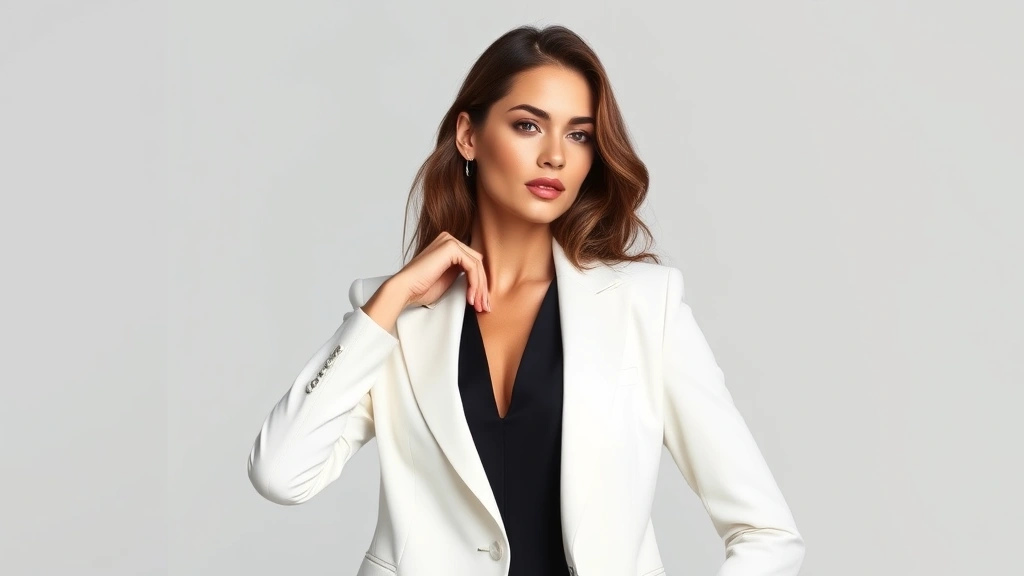
Shoulders are equally important. Rather than squaring them directly to the camera, angle them slightly away while turning your torso. This creates the illusion of narrower shoulders and a more refined profile. Many professional models rotate their shoulders about 45 degrees from the camera while keeping their face more toward the lens—this creates visual interest and flatters the frame significantly.
If you’re exploring different style aesthetics, understanding how to pose for various fashion genres is crucial. For instance, if you’re interested in contemporary trends, check out our guide on fashion trends for women over 50 which discusses how different age groups can adapt posing techniques to their unique style. Additionally, exploring Fashion Nova dresses and how to pose in them can inspire your own styling choices.
Face Angles and Expressions
Your face is often the focal point of fashion photography, so understanding which angles are most flattering is essential. The “power angle” is a technique where you tilt your chin slightly downward while turning your head about 45 degrees to one side. This angle tends to define cheekbones, elongate the neck, and create a more sophisticated appearance. The key is finding your best side—most people photograph better from one angle than the other, and professional models know their optimal side intimately.
Eye contact with the camera creates connection, but how you deliver that gaze matters tremendously. Rather than staring directly ahead, try looking slightly above or to the side of the camera lens. This creates a more editorial, aspirational quality. Many fashion photographers recommend a technique called “smizing,” popularized by supermodel Tyra Banks—smiling with your eyes while keeping your mouth neutral or only slightly curved. This creates an engaging, confident expression without appearing overly cheerful, which can undermine a polished fashion aesthetic.
The neck deserves special attention. To elongate your neck and avoid the dreaded double-chin effect, slightly extend your chin forward and down, creating tension in the neck muscles. This might feel awkward, but it photographs beautifully. Alternatively, tilting your head back slightly while maintaining a forward chin position also creates elegant neck lines. Practice these movements in front of a mirror to understand how they feel and look.
Expression is where you convey the mood of the shoot. A slight smirk communicates confidence, a softer gaze suggests sophistication, and a more intense expression conveys attitude. The StyleLoom Daily Blog frequently features editorial content that showcases how professional models use facial expressions to elevate their visual storytelling.

Body Positioning Techniques
Beyond the basic S-curve, there are numerous body positioning techniques that create flattering silhouettes. The “triangle” pose involves placing one hand on your hip and angling your body to create triangular negative space—this instantly slims your appearance and adds dimension. Your elbows should never be pressed flat against your body; instead, angle them slightly away to create space and definition in the arm area.
Hands are notoriously difficult to position naturally. Professional models know that hands should rarely hang limply at your sides. Instead, place them in pockets, on your hips, in your hair, or touching your outfit. When hands are near your face, angle them delicately—avoid flat, palm-forward positions that can look awkward. Fingers should be slightly separated and curved rather than rigid. If you’re holding an accessory or touching your clothing, these become natural hand positions that photograph beautifully.
Leg positioning varies depending on whether you’re sitting or standing. When standing, crossing one leg in front of the other creates an elongating effect and a more refined stance. When sitting, avoid positioning your legs parallel to the camera—instead, angle them to one side. Crossing your legs at the knee or ankle creates elegant lines. If you’re seated on the floor or a low surface, positioning your legs to the side in a reclined pose often photographs more gracefully than sitting upright.
The distance between your body and your arms matters significantly. Creating space between your torso and your arms prevents the “arm hug” effect that can add visual bulk. Angle your elbows slightly outward, and if you’re placing hands near your body, do so gently rather than pressing them against yourself.
Looking to refresh your wardrobe with pieces that photograph well? Explore Fashion Nova coupon codes for quality pieces that work beautifully in posed shots.
Posing for Different Outfit Styles
Different clothing styles require different posing approaches. Fitted dresses and form-fitting clothing benefit from poses that emphasize your silhouette—the S-curve stance, angled shoulders, and strategic hand placement all work beautifully. For fitted pieces, you want to show off the garment’s structure, so poses that create clean lines are ideal.
Oversized or loose clothing requires different strategies. With baggy pieces, you want to create definition and prevent the outfit from overwhelming your frame. Tucking part of the garment, cinching at the waist with a belt or your hands, or angling your body to create visible separation between you and the fabric all help. Poses that show off your silhouette despite the loose fit are essential.
For casual wear and everyday fashion, poses can be more relaxed and natural. However, even casual posing benefits from the fundamentals—angled shoulders, proper weight distribution, and intentional hand placement. Casual doesn’t mean slouchy; it simply means your expression and overall vibe can be more approachable and less editorial.
Statement pieces and bold prints benefit from poses that let the clothing shine. Sometimes stepping back slightly, using wider angles, and allowing the outfit to be the primary focus works beautifully. Your pose should complement rather than compete with dramatic pieces. If you’re exploring contemporary styles, understanding how to pose in modern silhouettes is crucial. Our guide on 90s fashion for men discusses vintage posing aesthetics that remain relevant today.
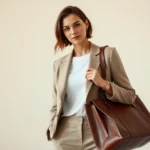
Accessories deserve consideration too. When wearing statement jewelry, scarves, or bags, position your body to showcase these pieces. A scarf draped across your body looks best when you create angles that display it fully. Jewelry is highlighted when your pose creates negative space around it rather than pressing your arms against your body.
Creating Movement and Dynamics
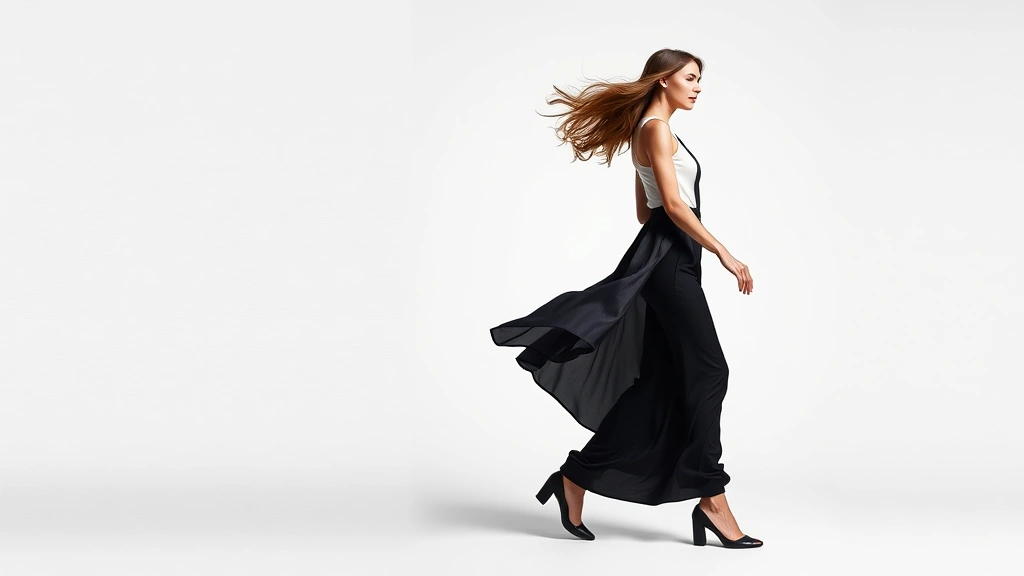
Static poses can feel stiff, but introducing movement and dynamics creates energy and authenticity. Professional models understand that the best shots often come from movement rather than holding a single pose. Walking toward or away from the camera, twirling, jumping, or moving your hair all create natural-looking, energetic images.
When incorporating movement, the key is to exaggerate slightly for the camera. A subtle hair flip might look too gentle in a still image, but a more dramatic movement photographs with energy and life. Walking poses should show intention—stride with purpose, keep your shoulders relaxed, and let your natural gait flow while being mindful of the camera.
Transitional poses—those captured between static positions—often yield the best results. Rather than holding one pose, move through several positions, and photographers will capture the in-between moments that feel most natural and engaging. This approach reduces the stiffness that sometimes comes from holding a pose too long.
Sitting poses benefit enormously from movement too. Shifting your weight, adjusting your position, or moving your hair creates dynamic energy. Never sit completely still; instead, treat sitting poses as a series of small movements that the camera captures.
Understanding fashion design principles can enhance your posing choices. Our article on fashion design degree programs explores how designers think about silhouette and movement—knowledge that directly applies to how you position yourself.
Common Posing Mistakes to Avoid
Even with good intentions, certain posing habits undermine your fashion imagery. The most common mistake is standing too straight and rigid. The human body is designed with curves and angles—embrace them rather than fighting them. Rigidity reads as tension and discomfort in photographs.
Squaring your shoulders directly to the camera is another frequent misstep. This positioning can make you appear wider and less refined. Always angle your shoulders away from the camera, even slightly, to create a more flattering line.
Dead-eyed stares or overly forced smiles undermine otherwise good poses. Your expression should feel natural and connected. Practice expressions in a mirror until they feel authentic. A genuine smile reaches your eyes, while forced smiles often appear uncomfortable in photographs.
Positioning your arms flat against your body creates bulk and eliminates definition. Always create space between your arms and torso. Even a subtle angling outward makes a significant difference.
Ignoring your legs is a mistake many people make. Your legs are part of your overall silhouette, and their positioning affects your entire appearance. Crossing legs, angling them, or creating interesting leg lines contributes to flattering poses.
Overposing—making poses that are too exaggerated or unnatural—can backfire. The goal is to appear effortlessly stylish, not contorted. Your poses should feel sustainable and authentic, even if they’re technically crafted.
Forgetting about lighting is another oversight. Even the best pose looks flat in poor lighting. Understanding how light falls on your face and body helps you position yourself to be beautifully illuminated. Side lighting creates dimension, while front lighting tends to flatten.
Practicing and Building Confidence
Mastering fashion poses requires practice and patience. Start by studying fashion photography and identifying poses you admire. What specifically appeals to you? Is it the angle, the expression, the body position, or the overall energy? Breaking down poses you love helps you understand the mechanics behind them.
Practice in front of a mirror initially. This allows you to see what you’re doing and make real-time adjustments. Take selfies or ask friends to photograph you while you experiment with different poses. Review these images critically—not harshly, but analytically. What works? What doesn’t? How does your face look from different angles?
Video is incredibly valuable for understanding movement. Record yourself moving, walking, and transitioning between poses. Video shows you things still images don’t, particularly how your body moves through space and how natural your movements appear.
Study your own face and body. Everyone has unique proportions, and what works for one person might not work identically for another. Find your best angles, understand which expressions feel most authentic, and build your personal posing signature from there.
Practice with different outfits and styles. A pose that works beautifully in a fitted dress might need adjustment in casual wear. The more you practice across different clothing styles, the more versatile and confident you’ll become.
Build confidence gradually. Start with poses that feel comfortable, then expand your range. Confidence in front of the camera comes from familiarity and practice. The more you pose, the more natural it becomes.
Consider working with photographers who understand posing. A skilled photographer guides you through positions, provides direction, and helps you feel comfortable. This collaborative process accelerates your learning significantly.
Remember that fashion is about self-expression. While technical posing skills matter, your unique personality and style are what ultimately make your images compelling. Use these techniques as a foundation, then add your authentic self.
FAQ
What is the most flattering pose for photos?
The S-curve or contrapposto stance is widely considered the most universally flattering. Position one foot forward, angle your shoulders away from the camera, and create curves with your body. This pose works across different body types and clothing styles.
How do models avoid looking stiff in photos?
Models incorporate subtle movement, practice their expressions extensively, and focus on creating natural-looking poses rather than holding one position rigidly. They also work with photographers who provide direction and make them feel comfortable.
What should I do with my hands when posing?
Hands should rarely hang at your sides. Instead, place them in pockets, on your hips, in your hair, or touching your outfit. Keep fingers slightly separated and curved rather than rigid. Movement and intentional placement look more natural than still, flat hands.
How do I find my best angle?
Most people photograph better from one side than the other. Take photos from different angles and study them objectively. Note which angles flatter your face, which positions elongate your neck, and which overall compositions feel most like you.
Should I smile or use a neutral expression?
This depends on the mood you’re creating. For fashion editorial work, a slight smirk or neutral expression often works best. For lifestyle or approachable content, a genuine smile is wonderful. Experiment with different expressions to find what feels authentic and flattering for you.
How can I look slimmer in photos?
Angle your body rather than facing the camera straight-on, create space between your arms and torso, position one leg in front of the other, and angle your shoulders away from the camera. These techniques create flattering lines and angles that photograph more slimly.
What’s the difference between amateur and professional posing?
Professional posing involves understanding camera angles, light, and how the camera translates three-dimensional movement into two-dimensional images. Professionals also practice extensively, understand their best angles, and can move fluidly between poses while maintaining intentionality.
External Resources for Further Learning:
- Vogue Magazine – Industry-leading fashion photography and styling inspiration
- The Fashion Spot – Professional modeling resources and industry insights
- Model Management Resources – Comprehensive posing and professional modeling guidance
- Fashion United – Global fashion industry news and professional development
- The Cut – Style and fashion expertise from New York Magazine