
Who Are Today’s Fashion Icons? Expert Insights
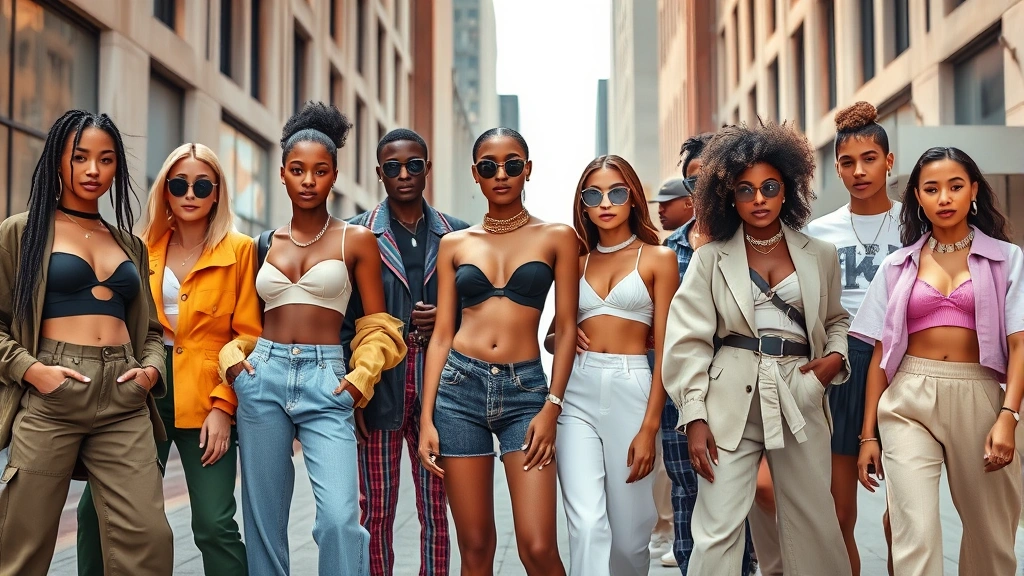
Fashion icons have always served as beacons of style inspiration, shaping how we perceive beauty, elegance, and self-expression. In 2024, the definition of a fashion icon has evolved dramatically. No longer confined to Hollywood celebrities and runway models, today’s style influencers span across diverse backgrounds, body types, ages, and cultural identities. They’re activists, athletes, musicians, and everyday fashion enthusiasts who use their platforms to challenge conventions and redefine what it means to be fashionable.
The rise of social media has democratized fashion influence in unprecedented ways. A single TikTok video or Instagram post can launch a trend globally within hours. This shift has created space for authentic voices and unique style perspectives that traditional fashion gatekeepers might have overlooked. Whether through sustainable fashion advocacy, bold color choices, or genre-blending aesthetics, contemporary fashion icons inspire millions while staying true to their individual identities.
Understanding who these modern style leaders are and what makes them influential can help you develop your personal style with greater confidence and intention. Let’s explore the fashion icons defining our current era.
The Evolution of Fashion Icons in the Digital Age
The concept of fashion icons has undergone a seismic transformation over the past decade. Historically, fashion influence concentrated in the hands of a select few: Hollywood starlets, supermodels, and royal family members. Their wardrobes were scrutinized by fashion editors, photographed by paparazzi, and discussed in glossy magazines. This top-down approach meant that fashion inspiration flowed from industry insiders downward to consumers.
Today’s landscape looks radically different. Democratization through Instagram, TikTok, YouTube, and Pinterest has created countless pathways to fashion influence. A micro-influencer with 50,000 engaged followers might have more impact on style trends than a traditional celebrity with millions of passive followers. Authenticity matters more than perfection; relatability trumps aspirational distance.
This shift reflects broader cultural changes around identity and representation. Younger generations demand to see themselves reflected in fashion narratives. They want icons who represent various body types, skin tones, abilities, gender expressions, and cultural backgrounds. They appreciate transparency about sponsored content and value creators who genuinely love fashion rather than those simply endorsing products for paychecks.
Explore fashion style fundamentals to understand how contemporary icons build their distinctive looks. The digital age has also accelerated trend cycles exponentially. What takes off on social media today might be oversaturated by next week. This rapid evolution means fashion icons must continually innovate while maintaining their core identity—a delicate balance that separates truly influential figures from fleeting sensations.
Celebrity Fashion Icons Redefining Elegance
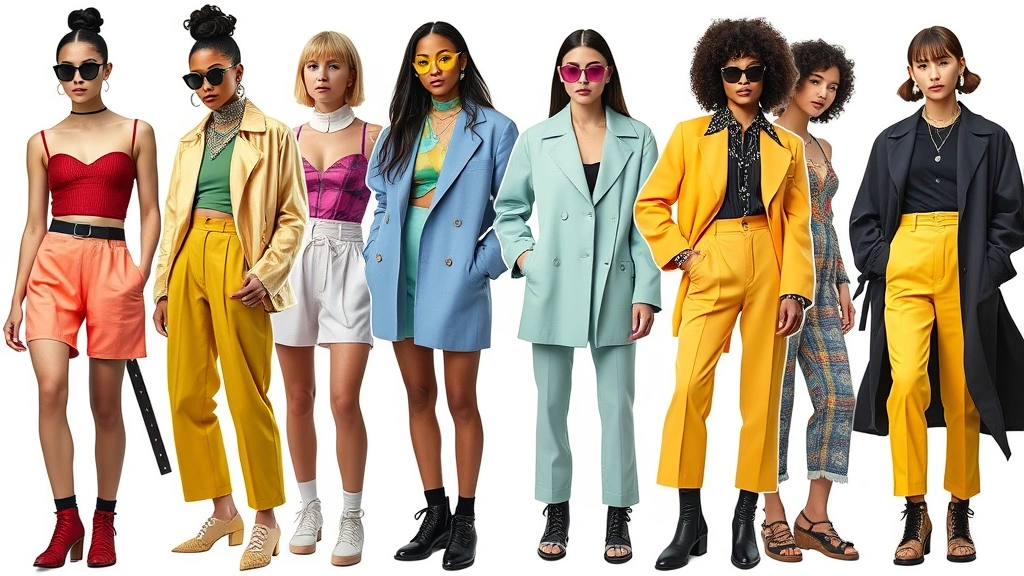
While the definition of celebrity has expanded, traditional entertainment figures still wield considerable fashion influence. However, modern celebrity icons approach style differently than their predecessors. They’re more likely to take risks, collaborate with emerging designers, and use fashion as a vehicle for social commentary.
Zendaya stands as a quintessential example of contemporary celebrity fashion influence. Her red carpet appearances consistently generate millions of social media conversations. What makes her iconic isn’t just her stunning looks—it’s her intentionality. She partners with visionary stylist Law Roach and emerging designers, choosing pieces that align with her values and current projects. She’s worn sustainable fashion on major platforms, championed Black designers, and used her wardrobe to make political statements.
Timothée Chalamet has emerged as a male fashion icon challenging traditional masculinity in style. His androgynous fashion choices, including skirts, painted nails, and unconventional silhouettes, have influenced how men approach fashion. He demonstrates that fashion icons don’t need to conform to gender-based style rules.
Rihanna revolutionized how we think about fashion risk-taking. From her early career reinventions to her bold maternity fashion choices, she’s proven that true style icons set trends rather than follow them. Her Fenty brand has further solidified her influence by creating inclusive fashion that celebrates diverse bodies and aesthetics.
Harry Styles has become a beacon for gender-fluid fashion. His fearless approach to clothing—mixing traditionally feminine and masculine pieces—has given permission to millions to experiment with their own style boundaries. He’s demonstrated that fashion icons can be influential precisely because they’re authentically themselves, regardless of conventional expectations.
Social Media Influencers Shaping Style Trends
Instagram and TikTok have created a new category of fashion icons who bypassed traditional entertainment industry gatekeepers entirely. These creators often have more direct relationships with their audiences than celebrities, creating a sense of genuine connection and accessibility.
Emma Chamberlain represents the relatable influencer archetype. She built her fashion influence through authenticity and humor, often showing unflattering angles and admitting when she doesn’t feel confident. Her willingness to be vulnerable has made her more influential than creators who present only polished, perfect images.
Addison Rae demonstrates how TikTok can launch fashion influence. Her style evolution from casual Gen-Z aesthetics to red carpet sophistication shows how creators can grow and develop their fashion perspective while maintaining their core audience connection.
The rise of fashion TikTok has created entirely new style categories and micro-trends. Creators like Charli D’Amelio, Dixie D’Amelio, and countless others shape how young people think about clothing, accessories, and self-presentation. They make fashion accessible by showing how to style pieces in multiple ways and demonstrating that fashion doesn’t require expensive designer items.
These influencers often have superior engagement rates compared to celebrity accounts because they interact authentically with followers. They respond to comments, take style suggestions, and treat their audience as collaborators rather than passive consumers. This participatory approach makes their followers feel invested in their fashion journey.
Learn about different fashion style categories that influencers are currently popularizing across social platforms.
Sustainable Fashion Icons Leading Change
As environmental and ethical concerns gain prominence, a new category of fashion icons has emerged: those leading the sustainability movement. These individuals use their platforms to challenge fast fashion and advocate for responsible consumption.
Emma Watson has become synonymous with sustainable fashion activism. Her commitment to wearing only ethical designers to major events and her vocal advocacy for the fashion industry’s environmental impact have made her a symbol of conscious consumption. She proves that high-profile fashion moments can align with values-based choices.
Stella McCartney stands as a legendary designer-icon who’s spent decades proving that luxury fashion and sustainability aren’t mutually exclusive. Her refusal to use fur or animal products while maintaining impeccable craftsmanship demonstrates that ethical choices can be fashionable.
Livia Firth, founder of Eco-Age, has positioned herself as a fashion icon through her commitment to ethical style. Her advocacy for transparency in fashion supply chains and her work promoting sustainable luxury have influenced how celebrities approach their wardrobes.
The sustainable fashion icon movement extends beyond celebrities to creators like Venetia La Manna, who documents her journey with secondhand fashion and sustainable brands. These voices are proving that being fashionable and environmentally conscious aren’t opposing forces.
Sustainable fashion icons inspire followers to think critically about consumption. They ask questions like: Where did this piece come from? Who made it? What impact does my purchase have? This mindful approach to fashion represents a fundamental shift in what it means to be stylish. Check out our comprehensive fashion blog for more sustainable style strategies.
Musicians and Performers as Style Leaders
Musicians have always held outsized influence in fashion, but contemporary music icons are pushing style boundaries in innovative ways. They use their performances, music videos, and public appearances as fashion platforms.
Billie Eilish revolutionized how young people think about fashion by rejecting conventional beauty standards. Her oversized, gender-neutral aesthetic challenged the assumption that fashion must be revealing or body-conforming. She proved that true style confidence comes from wearing what makes you feel comfortable, not what the industry expects.
Janelle Monáe has built a career on fashion as artistic expression. Her meticulously curated aesthetic—combining futurism, Afrofuturism, and avant-garde elements—demonstrates how music and fashion can create a cohesive artistic vision. She treats every public appearance as a creative statement.
Lil Nas X has become an icon for gender-fluid fashion and LGBTQ+ representation in mainstream fashion. His fearless approach to color, silhouette, and self-expression has given permission to millions to explore their own style authentically. His red carpet moments consistently generate conversations about fashion’s evolving relationship with gender.
Bad Bunny has challenged Latin American and broader global masculinity through fashion. His willingness to wear traditionally feminine colors, nail polish, and silhouettes while maintaining his masculine identity has influenced how millions of people think about gendered clothing.
These musicians understand that fashion is a language for self-expression. They use their platforms to communicate messages about identity, values, and artistic vision. Their influence extends beyond their immediate fan bases to shape broader cultural conversations about style and self-presentation.
Diverse Voices Breaking Fashion Boundaries
Contemporary fashion icons increasingly represent previously marginalized perspectives. These creators are fundamentally changing what fashion can be and who fashion is for.
Lizzo has become an icon for body positivity and confidence. Her unapologetic celebration of her body in fashion-forward clothing has challenged beauty standards and inspired millions. She demonstrates that fashion’s highest expression is wearing what makes you feel powerful, regardless of body size or shape.
Tracey Africa Ellis represents the growing movement of mature fashion icons. She’s proving that style innovation and fashion influence aren’t reserved for the young. Her bold color choices and contemporary silhouettes demonstrate that fashion evolves with us throughout our lives.
Pose cast members like Dominique Jackson and Billy Porter have become fashion icons by bringing trans and non-binary perspectives to mainstream fashion discourse. Their red carpet appearances consistently challenge conventional fashion rules and inspire conversations about inclusivity.
Grandpa Joe Classy and other older fashion influencers are redefining aging and style. They’re proving that fashion is a lifelong journey and that personal style can evolve, deepen, and become more distinctive over time.
These diverse voices share a common characteristic: they’ve stopped waiting for the fashion industry to make space for them and instead created their own platforms. They’re not trying to fit into existing fashion narratives; they’re writing entirely new ones. Their influence comes from authenticity and the courage to be unapologetically themselves.
Understanding different fashion styles helps you appreciate the range of perspectives these icons bring to contemporary fashion discourse.
How to Find Your Own Fashion Icon Inspiration
Identifying fashion icons that resonate with you is a deeply personal process. Rather than simply copying celebrity looks, the most effective approach involves understanding what makes certain icons influential and how their style philosophy aligns with your own values.
Look Beyond Surface-Level Aesthetics
Don’t just admire an icon’s clothes; understand their style philosophy. What principles guide their fashion choices? Do they prioritize sustainability? Self-expression? Comfort? Challenging norms? Understanding their underlying values helps you develop a more intentional personal style rather than simply collecting trends.
Seek Icons Who Reflect Your Identity
The most meaningful fashion inspiration comes from creators who share aspects of your identity or perspective. This might mean seeking out fashion icons who share your body type, cultural background, age, gender identity, or values. When you see someone like you thriving fashionably, it expands your sense of what’s possible for yourself.
Follow Multiple Icons Across Different Categories
Rather than following one fashion icon exclusively, consider drawing inspiration from various sources. You might admire one creator’s sustainable practices, another’s color coordination skills, and another’s ability to blend vintage and contemporary pieces. This eclectic approach helps you develop a unique personal style rather than becoming a clone of any single influencer.
Engage Critically With Content
Remember that social media presents curated versions of reality. Icons often have teams of stylists, photographers, and editors making their content polished and perfect. Appreciate their style while maintaining healthy skepticism about the production involved. The most authentic icons acknowledge this reality and sometimes show the behind-the-scenes work.
Develop Your Own Icon-Like Qualities
Ultimately, the goal isn’t to become a replica of your favorite fashion icons; it’s to develop your own style voice. Use icons as inspiration and reference points, but focus on understanding what makes you feel confident and authentic. The most influential fashion icons are those who inspire others to be more fully themselves, not to become copies of them.
Consider working through our personal style guide to develop a framework for fashion choices that reflect your unique identity.
Stay Updated on Emerging Icons
Fashion influence is constantly shifting. New creators emerge regularly, bringing fresh perspectives and challenging existing hierarchies. Stay curious about who’s emerging in fashion spaces, particularly voices from underrepresented communities. The next generation of fashion icons might be creators you haven’t discovered yet.
Explore fashion accessories that contemporary icons are using to elevate their personal style.
FAQ
What Makes Someone a Fashion Icon?
A fashion icon is someone whose style choices influence how others think about fashion and self-expression. They possess a distinctive aesthetic, consistency in their choices, and the ability to inspire trends. Modern fashion icons often combine style prowess with authentic self-expression and alignment with their values. They don’t just wear clothes beautifully; they communicate something meaningful through their fashion choices.
How Do I Choose Fashion Icons That Match My Style?
Look for creators whose aesthetic resonates with you and whose values align with yours. Consider following icons across different categories—perhaps someone for sustainable fashion inspiration, someone for color coordination, and someone for confidence and self-acceptance. The goal is to develop a diverse reference library that helps you refine your personal style rather than copying any single person.
Are Fashion Icons Only Celebrities?
Absolutely not. Today’s most influential fashion voices include social media creators, activists, musicians, designers, and everyday people who’ve built platforms through authenticity and style expertise. In many cases, micro-influencers and emerging creators have more impact on fashion trends than traditional celebrities.
How Often Do Fashion Icons Change?
Fashion influence is constantly evolving. New creators emerge regularly, and icons’ relevance can shift as cultural conversations change. It’s healthy to periodically reassess which fashion voices inspire you most. Your fashion icons might evolve as your own style matures and your values shift.
Can I Be My Own Fashion Icon?
Absolutely. The ultimate goal of studying fashion icons is to develop confidence in your own style voice. By understanding what makes icons influential—authenticity, consistency, courage to be different—you can apply those principles to your own fashion journey. The most stylish people are often those who’ve developed a strong sense of self and dress accordingly.
Where Can I Find Fashion Icons Representing My Community?
Social media platforms like Instagram and TikTok are excellent places to discover fashion creators from your community. Use hashtags related to your identity, interests, and style aesthetic. Follow fashion journalists and critics who cover diverse voices in fashion. Check out fashion publications that prioritize representation and inclusion.