
How to Dress Sharp: Men’s Fashion Expert Tips
Mastering the art of dressing sharp is one of the most powerful investments you can make in yourself. Whether you’re navigating the corporate boardroom, attending social events, or simply elevating your everyday style, knowing how to present yourself with confidence and sophistication sets you apart. Men’s fashion isn’t about following trends blindly—it’s about understanding the fundamentals, recognizing quality, and developing a personal style that reflects your personality and aspirations.
The journey to sharp dressing begins with understanding that style is a language. Every piece you wear communicates something about who you are, how you respect yourself, and how you value those around you. This comprehensive guide will walk you through the essential principles that separate the well-dressed from the ordinary, providing actionable advice from industry experts that you can implement immediately.
Understanding the Foundation of Sharp Dressing
Sharp dressing is fundamentally rooted in three core principles: fit, quality, and intentionality. Before you purchase a single garment, you must understand that no amount of expensive branding can compensate for poor fit. A designer shirt that doesn’t conform to your body shape will always look mediocre, while a well-fitted mid-range piece will command attention and respect.
The concept of dressing sharp transcends mere aesthetics—it’s about self-respect and awareness. When you dress with intention, you signal to the world that you value yourself and the spaces you occupy. This psychological aspect of fashion is backed by research showing that what you wear directly impacts your confidence, performance, and how others perceive you professionally and socially.
To begin your sharp dressing journey, explore the different fashion styles available to you. Understanding various aesthetics helps you identify which resonates with your personality. Whether you’re drawn to classic menswear, contemporary streetwear, or business casual sophistication, knowing the landscape allows you to make informed choices.
The Essential Wardrobe Basics Every Man Needs
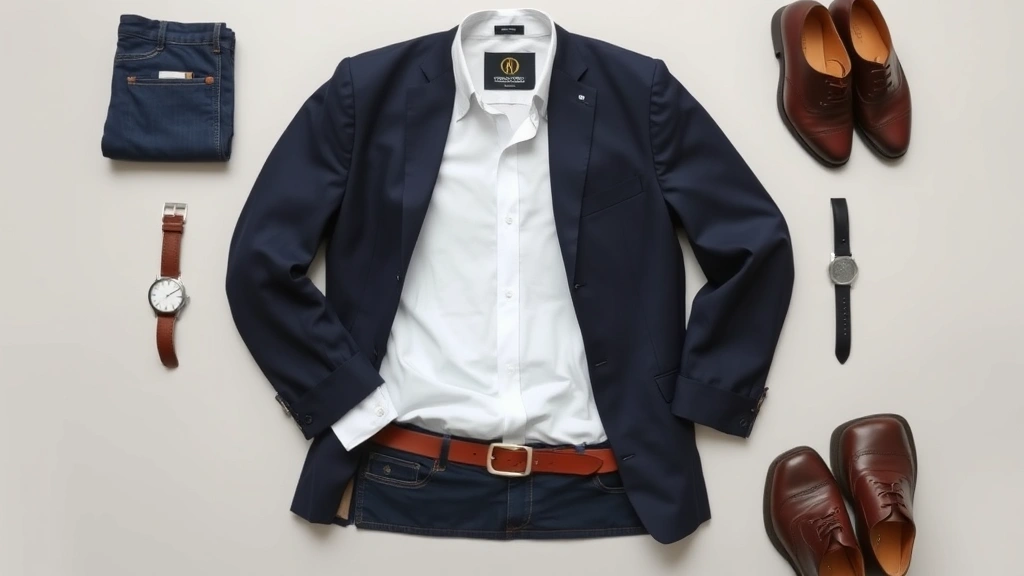
Building a sharp wardrobe doesn’t require an extensive collection. Instead, focus on investing in timeless pieces that form the foundation of countless outfits. These essentials serve as your building blocks, and when selected carefully, they create infinite combinations.
The White Dress Shirt: This is non-negotiable. A crisp white dress shirt is the foundation of sophisticated dressing. It pairs with virtually everything and works in formal and casual contexts. Invest in quality cotton, preferably with a thread count of at least 200. Look for shirts with mother-of-pearl buttons and proper construction that will withstand regular washing.
The Navy Blazer: A well-fitted navy blazer is your ticket to instant sophistication. It works over casual t-shirts for weekend outings, pairs with dress pants for professional settings, and layers beautifully in colder months. Choose a single-breasted style with notch lapels for maximum versatility.
Dark Denim: Quality dark jeans bridge the gap between casual and smart-casual. Raw or selvedge denim offers superior durability and develops character over time. A dark wash minimizes visible wear and pairs seamlessly with both casual and business-casual tops.
Neutral Trousers: Invest in well-tailored pants in charcoal, navy, and khaki. These neutral bases accommodate numerous top combinations and work across various settings. Ensure the inseam is properly hemmed and the waist fits without needing a belt.
Quality T-Shirts: Basic crew neck and henley t-shirts in neutral colors form the foundation of casual styling. Choose heavyweight cotton that maintains its shape after washing. Brands focusing on types of fashion often emphasize the importance of quality basics.
Mastering Fit: The Most Critical Element
No aspect of men’s fashion matters more than fit. Even luxury garments look poor when they don’t conform properly to your body. Understanding how clothes should sit on your frame is essential knowledge that separates sharp dressers from the rest.
Shirt Fit Guidelines: Your dress shirts should follow your body’s contours without excess fabric bunching. The shoulder seam should align with your natural shoulder point, not extending past it. Sleeves should end at your wrist bone when arms are relaxed, allowing approximately half an inch of shirt cuff to show beneath your jacket sleeve. The shirt should taper slightly at the waist without pulling across the chest.
Jacket Fit Requirements: A properly fitting jacket sits naturally on your shoulders without divots or bunching. The jacket length should end at the base of your thumbs when arms hang naturally. Sleeve length should show approximately half an inch of shirt cuff. The jacket should button comfortably without pulling, and when buttoned, you should be able to fit one finger between the jacket and your stomach.
Trouser Proportions: Pants should sit at your natural waist without requiring constant adjustment. The break—where the trouser leg meets your shoe—should be minimal (about half an inch) for contemporary style, though traditional dressing allows for a slight break. The thigh should have enough room to move without restriction, and the leg should taper gradually toward the ankle.
The Importance of Tailoring: Professional tailoring is an investment that transforms your entire wardrobe. A skilled tailor can adjust inseams, take in excess fabric, adjust sleeve length, and taper legs. Most tailors charge reasonable fees (typically $15-50 per alteration) that are well worth the improvement in appearance.
Color Theory for Men’s Fashion
Understanding color creates the foundation for cohesive, sophisticated outfits. Rather than randomly selecting colors, strategic color choices amplify your natural coloring and create visual harmony.
Neutral Base Colors: Navy, charcoal, black, and khaki form the foundation of any sharp wardrobe. These colors are infinitely versatile, work across seasons, and serve as excellent bases for experimenting with accent colors. Building primarily with neutrals ensures that most pieces in your wardrobe coordinate effortlessly.
Secondary Accent Colors: Once you’ve established neutral foundations, introduce complementary colors that enhance your skin tone. Classic options include burgundy, forest green, deep blue, and warm grays. These colors add visual interest while maintaining sophistication.
Understanding Your Undertone: Your skin’s undertone significantly impacts which colors flatter you most. Warm undertones are complemented by earthy colors like olive, caramel, and warm grays. Cool undertones benefit from jewel tones, cool grays, and blues. Determining your undertone helps you make purchases that genuinely enhance your appearance rather than clash with your natural coloring.
The Power of Monochromatic Dressing: Wearing multiple shades of the same color creates visual continuity and elongates your silhouette. Pairing a light gray shirt with charcoal pants and a navy blazer creates sophisticated depth without jarring color contrasts.
Layering Techniques for Sophisticated Style
Strategic layering elevates your style while providing practical temperature regulation. Understanding how to layer demonstrates sartorial sophistication and creates visual interest.
The Classic Three-Layer System: The foundation layer is typically a basic t-shirt or dress shirt. The middle layer adds texture and visual interest—think cardigans, sweaters, or lightweight jackets. The outer layer provides warmth and polish—blazers, overcoats, or structured jackets. This system creates depth and allows for easy adjustment as temperatures change.
Texture Combinations: Layering different textures creates visual sophistication. Combine smooth dress shirts with chunky knit sweaters, or pair cotton t-shirts with structured wool blazers. Texture variation prevents outfits from appearing flat or one-dimensional.
Color Progression in Layers: Generally, lighter colors work better as middle layers (showing beneath outer jackets), while darker shades anchor the outfit as outer layers. However, strategic color blocking—using contrasting colors intentionally—creates contemporary visual interest when executed thoughtfully.
Explore fashion accessories that complement your layering strategy. Scarves, pocket squares, and watches add final touches that demonstrate layering mastery.
Accessories That Elevate Your Appearance
Accessories are the punctuation marks of fashion, adding personality and polish to your outfits. Strategic accessorizing separates sharp dressers from ordinary ones.
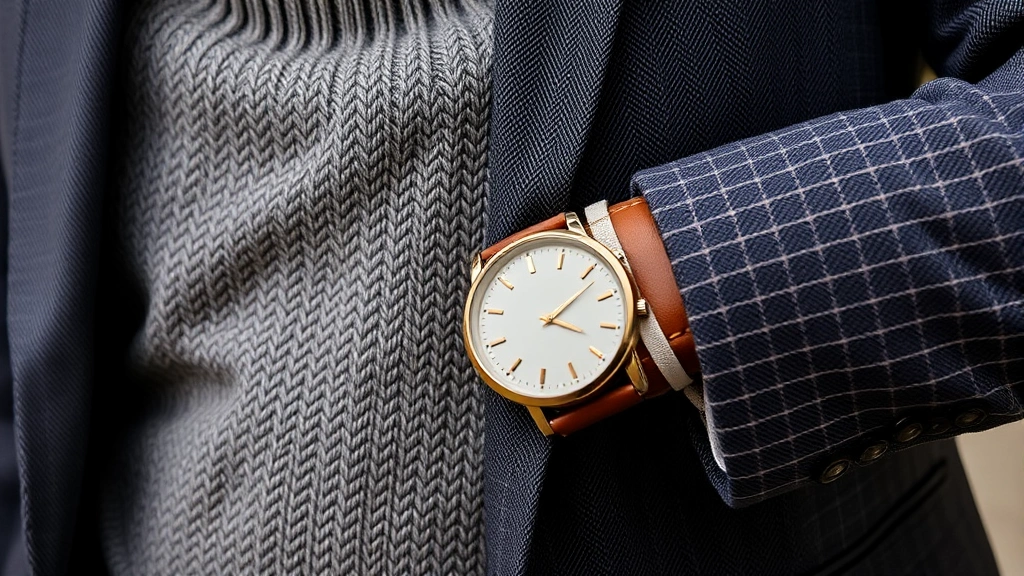
The Watch: A quality watch serves as both functional timepiece and sophisticated statement. A classic stainless steel watch with a leather strap works across casual and formal settings. Avoid overly large watches or novelty styles that distract from your overall presentation.
Leather Belts: Quality leather belts in brown and black coordinate with most outfits. Ensure your belt matches your shoe color—brown belt with brown shoes, black belt with black shoes. The belt should fit comfortably without excess length extending past the first loop.
Shoes and Footwear: Well-maintained shoes communicate volumes about your attention to detail. Invest in quality leather dress shoes (oxfords, loafers, or brogues), clean leather sneakers, and comfortable casual shoes. Shoe maintenance—regular cleaning and occasional professional polishing—preserves their appearance and longevity.
Pocket Squares and Ties: For formal occasions, pocket squares add personality to suit jackets. Select complementary colors that coordinate without exactly matching your tie. Quality ties in silk add sophistication; aim for ties that end at your belt buckle.
Bags and Briefcases: A quality leather bag or briefcase conveys professionalism and organization. Choose neutral colors in genuine leather that will develop character over time. Ensure your bag is appropriately sized—large enough for daily necessities but not oversized.
Sunglasses: Quality sunglasses protect your eyes and add style. Choose frames that complement your face shape and coloring. Classic styles in neutral tones remain timeless.
Grooming and Personal Presentation
Sharp dressing extends beyond clothing to encompass complete personal presentation. Grooming and hygiene are foundational to appearing sharp.
Skincare Routine: Healthy skin provides the canvas for sharp appearance. Develop a consistent routine including cleansing, moisturizing, and sunscreen application. Address specific concerns like acne or dryness with appropriate products.
Hair Care and Styling: A clean, well-maintained hairstyle significantly impacts overall appearance. Regular haircuts (typically every 3-4 weeks) maintain your style. Invest in quality shampoo and conditioner appropriate for your hair type. A skilled barber can recommend styles that complement your face shape.
Facial Hair Maintenance: Whether you prefer clean-shaven or bearded, maintenance is essential. Beards require regular trimming, conditioning, and shaping. Clean-shaven looks demand consistent grooming to maintain smoothness.
Nail Care: Clean, well-maintained nails are often overlooked but highly visible. Regular trimming and occasional manicures demonstrate attention to detail.
Body Maintenance: Regular exercise contributes to confident posture and overall health that radiates through your appearance. Physical fitness enhances how clothing fits and how you carry yourself.
Building Your Personal Style Identity
The ultimate goal of sharp dressing is developing a personal style that authentically represents you while maintaining sophistication. This requires understanding yourself and making intentional choices aligned with your values and lifestyle.
Defining Your Style Philosophy: Consider your daily environment, lifestyle, and personal preferences. Are you primarily in professional settings? Do you prefer casual comfort? Understanding your context helps you make purchases that actually serve your life rather than aspirational pieces you rarely wear.
Creating a Cohesive Wardrobe: Build your wardrobe strategically around a consistent color palette. This ensures maximum outfit combinations from minimum pieces. When new purchases coordinate with existing items, your wardrobe becomes more functional and versatile.
The 80/20 Rule: Dedicate 80% of your wardrobe budget to timeless, versatile classics that will serve you for years. Reserve 20% for contemporary pieces and trend-forward items that add interest without dominating your style.
Developing Signature Pieces: Sharp dressers often develop signature elements that become distinctly theirs. This might be a particular style of watch, a preference for pocket squares, or a consistent accessorizing approach. These signatures create recognition and demonstrate intentional style development.
Review the fashion style guide to understand how different style elements combine cohesively. Understanding broader StyleLoom Daily Blog resources provides ongoing inspiration and education.
The Investment Perspective: View sharp dressing as an investment in yourself rather than an expense. Quality pieces cost more initially but provide superior longevity and appearance. A $150 shirt worn 100 times costs $1.50 per wear, while a $50 shirt worn 20 times costs $2.50 per wear. Calculate cost-per-wear to justify quality investments.
FAQ
What’s the most important factor in dressing sharp?
Fit is absolutely paramount. Even luxury items look poor if they don’t fit properly. Before considering color, style, or brand, ensure everything fits your body correctly. Proper fit creates the foundation for sharp appearance.
How much should I spend on a quality wardrobe?
You don’t need unlimited funds to dress sharp. Focus on investing in quality basics first—well-fitting neutral clothing in durable fabrics. Start with 5-7 essential pieces and expand gradually. Quality matters more than quantity.
Can I dress sharp on a limited budget?
Absolutely. Smart shopping at sales, outlet stores, and online retailers provides quality pieces at reduced prices. Thrift stores and consignment shops offer designer pieces at significant discounts. Prioritize fit and quality over brand names.
How often should I update my wardrobe?
Rather than seasonal overhauls, gradually introduce new pieces that coordinate with existing items. Quality classics remain relevant for years, while 20% of your wardrobe can accommodate trend-forward pieces that you update seasonally.
What shoes should every man own?
Essential shoes include: one pair of quality leather dress shoes (oxfords or loafers), one pair of clean leather sneakers, and one pair of comfortable casual shoes. These cover virtually all occasions and contexts.
Is it acceptable to wear jeans in professional settings?
Context matters significantly. Casual Fridays or creative industries often embrace quality dark jeans paired with blazers. However, traditional corporate environments typically require dress pants. When in doubt, choose dress pants to err on the side of formality.
How can I develop better fashion sense?
Study fashion through magazines, blogs, and social media accounts focused on men’s style. Observe well-dressed men in your environment and identify elements you admire. Experiment with combinations and pay attention to feedback. Fashion sense develops through consistent exposure and intentional practice.
What’s the difference between looking sharp and looking trendy?
Sharp dressing emphasizes timeless principles and quality fundamentals that transcend trends. Trendy dressing follows current fashions that may quickly become dated. Sharp dressers use trends selectively while maintaining a foundation of classic pieces that remain relevant regardless of current trends.