Recreate Edwardian Style: Expert Insights on Era Fashion
The Edwardian era, spanning from 1901 to 1910, represents one of fashion’s most elegant and transformative periods. Characterized by refined silhouettes, luxurious fabrics, and meticulous attention to detail, Edwardian fashion continues to captivate modern style enthusiasts and designers alike. This golden age of elegance emerged during King Edward VII’s reign, a time of optimism, prosperity, and cultural sophistication that profoundly influenced how people dressed and presented themselves to society.
Today’s fashion landscape increasingly draws inspiration from this opulent period, with contemporary designers and style influencers reimagining Edwardian elements for modern wardrobes. Whether you’re seeking to incorporate subtle vintage touches or fully embrace the era’s aesthetic, understanding the core principles of Edwardian fashion is essential. Expert stylists, fashion historians, and designers have shared invaluable insights into how to authentically recreate this timeless look while maintaining contemporary relevance and personal comfort.
Understanding the Edwardian Silhouette
The Edwardian silhouette represents a dramatic departure from the Victorian era’s exaggerated proportions, yet it maintains an equally structured and intentional aesthetic. The most iconic element of this period is the S-bend corset, which created a distinctive curved line by pushing the bust forward and the hips backward. This corset design, while restrictive by modern standards, was considered the height of elegance and femininity during the early 1900s. Fashion historians note that understanding this foundational element is crucial for anyone attempting to recreate authentic Edwardian style.
The overall silhouette emphasized a prominent bosom, a dramatically cinched waist, and a graceful, elongated torso. Women’s clothing featured high necklines, often reaching the collarbone, with sleeves that extended to the wrist. The skirt portion of dresses was characteristically full and flowing, typically featuring a trained hem for formal occasions. Men’s fashion during this period showcased tailored suits with high-buttoned waistcoats, starched white shirts, and precisely knotted neckties. The structured nature of both men’s and women’s clothing reflected the era’s emphasis on formality, propriety, and social distinction.
Modern fashion experts emphasize that while the extreme corseting of the Edwardian era isn’t necessary for contemporary styling, understanding the silhouette’s fundamental proportions is essential. Finding your personal style while incorporating Edwardian elements requires balancing historical authenticity with modern comfort and practicality. Fashion educators suggest that achieving the characteristic S-curve can be accomplished through strategic layering, properly fitted garments, and the selective use of modern shapewear designed for comfort rather than extreme restriction.
Essential Clothing Pieces for Authentic Recreation
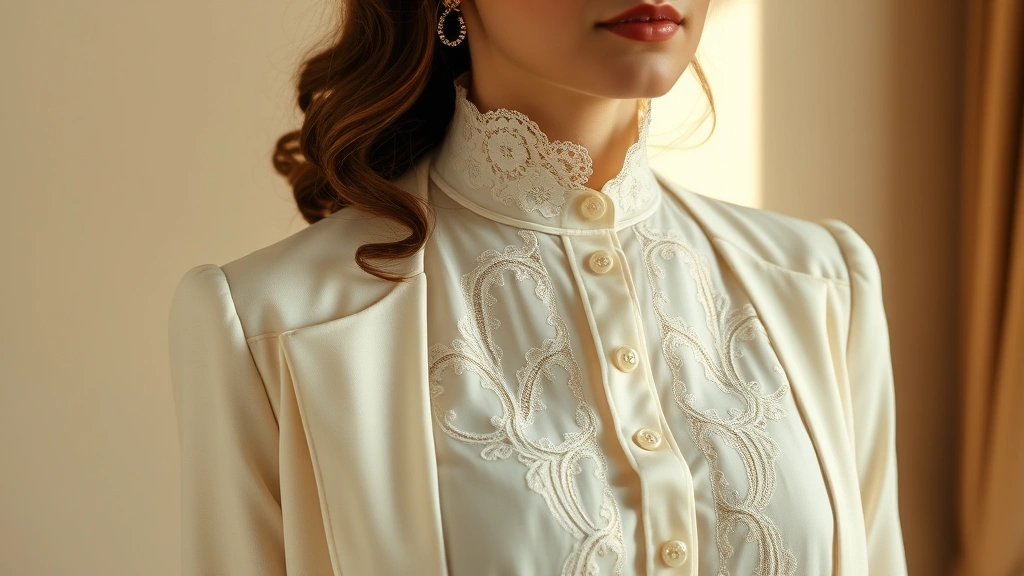
Creating an authentic Edwardian wardrobe requires understanding the essential garments that defined the era. For women, the foundation begins with the Gibson Girl aesthetic—a look popularized by illustrator Charles Dana Gibson that epitomized Edwardian feminine ideals. Key pieces include high-necked blouses featuring elaborate lace insertions, ruffles, and pin-tucks. These blouses were typically worn with long skirts that featured complex construction, including pleats, godets (triangular fabric inserts), and sometimes subtle trains.
The tailored jacket or shirtwaist was another crucial component, often featuring a precisely fitted bodice and peplum waist detail. Afternoon dresses represented a significant investment in an Edwardian woman’s wardrobe, typically featuring elaborate embellishments, beading, and intricate embroidery. Evening gowns were even more dramatic, with low necklines (in contrast to daywear), elaborate decolletage treatments, and sumptuous fabrics like silk, satin, and velvet. Different types of fashion from this era each served specific social purposes, from tea dresses to walking suits to ball gowns.
For men, the essential wardrobe included tailored morning coats for daytime formal occasions, evening tailcoats for social events, and well-fitted lounge suits for business and leisure. Waistcoats were prominently displayed and often featured decorative elements. Shirts featured high, stiff collars and were accessorized with waistcoat chains and watch fobs. Understanding these foundational pieces is essential for anyone seeking to explore fashion trends through StyleLoom Daily Blog and discover how to integrate Edwardian elements into contemporary style.
Experts recommend beginning with one key piece—perhaps a high-necked blouse or a tailored jacket—and building from there. This approach allows you to develop an authentic Edwardian aesthetic without overwhelming your existing wardrobe. Many contemporary brands now offer modern interpretations of these classic silhouettes, making it easier than ever to access authentic-looking pieces without sacrificing comfort or requiring extensive tailoring.
Fabrics, Textures, and Color Palettes
The Edwardian era celebrated luxury through fabric selection, with natural fibers dominating fashion choices. Silk, wool, cotton, and linen were the primary materials, chosen for their quality, drape, and durability. Silk was particularly prized for evening wear, while cotton and linen served everyday purposes. Wool was essential for suits and structured garments, providing the structure necessary for the era’s precisely tailored silhouettes. Lace represented perhaps the most quintessentially Edwardian material, featured extensively on blouses, undergarments, and dress overlays.
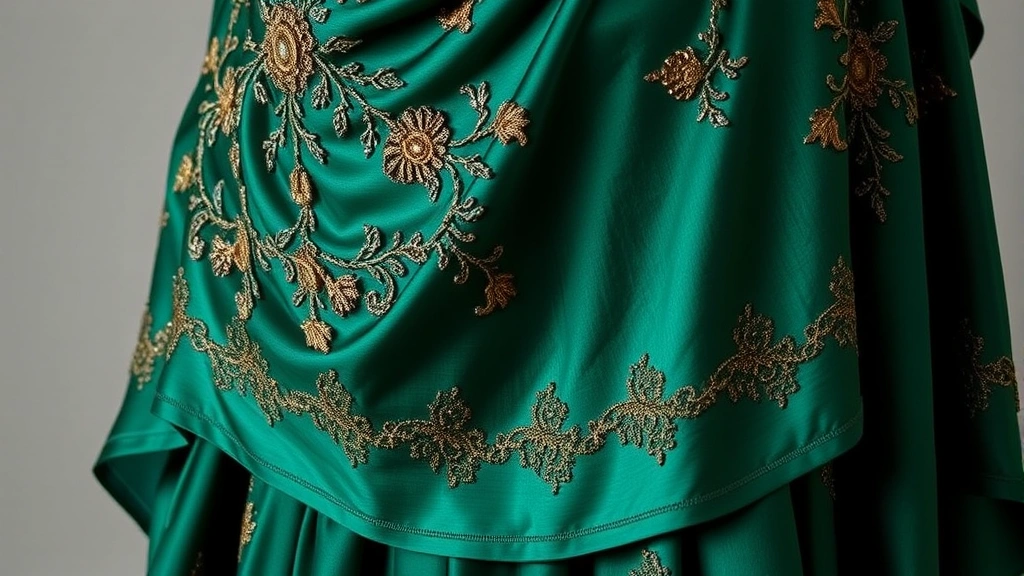
Textural elements added visual interest and complexity to garments. Pin-tucks created delicate linear patterns on fabric, while appliqués and embroidery provided dimensional embellishment. Beading and sequins adorned evening wear, creating shimmer and movement. Pleats, both knife-pleats and box-pleats, added volume and structure to skirts. Ruffles, flounces, and tiers created cascading effects on skirts and bodices. Understanding how to layer textures and materials is essential for authentically recreating the Edwardian aesthetic.
The color palette of the Edwardian era reflected the period’s optimism and prosperity. Soft, muted tones dominated daywear, including pale pinks, creams, lavenders, soft blues, and warm grays. Jewel tones—deep emerald, sapphire, ruby, and amethyst—appeared in evening wear and for women of higher social standing. Black remained essential for formal occasions and mourning wear, while white symbolized purity and was prominent in bridal and debutante attire. Men typically wore darker colors in their suits, with navy, charcoal, and black being most common, accented by light-colored shirts and decorative waistcoats.
Modern stylists suggest selecting a color palette that resonates with your personal preferences while maintaining historical authenticity. Soft, sophisticated hues work particularly well for daywear recreations, while richer tones suit evening occasions. Understanding fashion accessories and how they coordinate with these color palettes is crucial for creating a cohesive, polished look. Contemporary fabric innovations now offer similar drape and appearance to historical materials while providing enhanced durability and care options.
Accessories That Complete the Look
Accessories held paramount importance in Edwardian fashion, serving both practical and aesthetic functions. For women, the hat was perhaps the most significant accessory, often featuring elaborate decoration including feathers, flowers, ribbons, and beading. These weren’t simple additions—they were substantial architectural elements, sometimes spanning twelve inches or more in width and featuring complex construction. Hats were essential for any public appearance and served as status symbols, with finer materials and more elaborate designs indicating higher social standing.
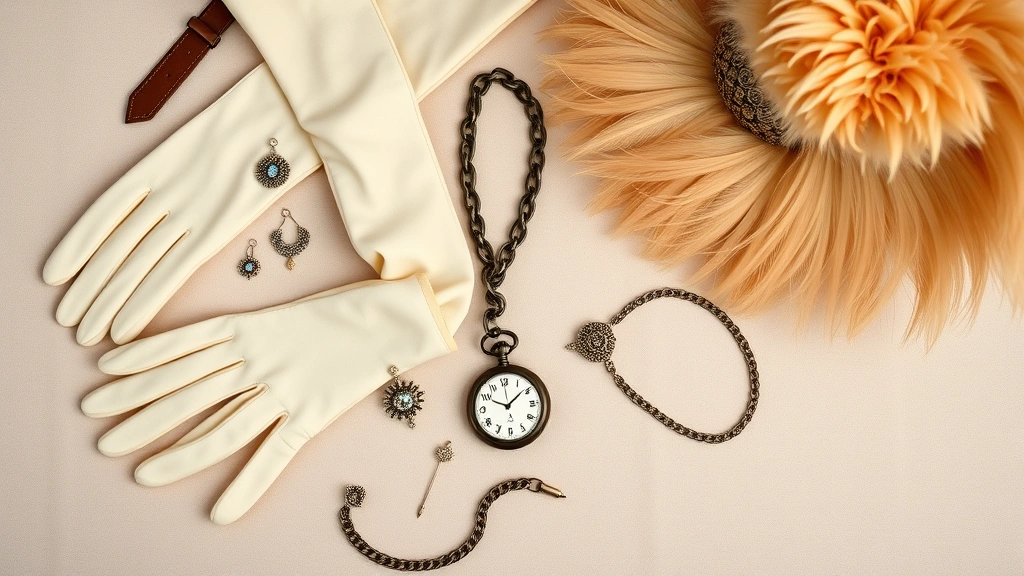
Gloves were absolutely essential, typically reaching the elbow for formal occasions and the wrist for everyday wear. Long gloves created an elegant line and were considered improper to omit in public settings. Jewelry featured prominently, with diamond tiaras, pearl necklaces, and ornate brooches adorning formal attire. Cameo jewelry, lockets, and filigree pieces reflected the era’s appreciation for intricate craftsmanship. Watches and watch chains were crucial accessories for men, displayed prominently across the chest via waistcoat chains.
Footwear deserves special attention, as shoes significantly influenced the silhouette and overall aesthetic. Women wore high-heeled shoes, typically featuring two to three inches of heel and a pointed toe. Ankle boots, often laced and featuring decorative elements, were popular for everyday wear. Men wore formal black shoes with evening wear and polished leather shoes with their suits. Handbags, though smaller than modern versions, were essential accessories, typically featuring metal frames and elaborate closures.
Additional accessories included parasols for sun protection and fashion statement, fans for formal occasions, and elaborate belts that emphasized the waist. Hair ornaments, including combs, pins, and decorative clips, were essential for the era’s elaborate hairstyles. When exploring the complete fashion history timeline, you’ll discover how Edwardian accessories influenced subsequent decades. Modern recreations of these accessories are readily available, allowing contemporary style enthusiasts to complete their Edwardian looks authentically.
Modern Adaptations and Contemporary Styling
Successfully recreating Edwardian style in the modern era requires thoughtful adaptation rather than strict historical replication. Fashion experts emphasize that the goal isn’t to dress as though you’ve traveled back in time, but rather to incorporate the era’s most flattering and timeless elements into a contemporary wardrobe. This approach allows you to celebrate Edwardian elegance while maintaining comfort, practicality, and personal authenticity.
One popular approach involves mixing Edwardian pieces with modern basics. A vintage-inspired high-necked blouse paired with contemporary denim creates an interesting juxtaposition that feels both historical and current. Edwardian-style skirts can be worn with modern sweaters or fitted tees, creating a balanced silhouette that references the era without overwhelming the outfit. Tailored jackets with period-appropriate details pair beautifully with modern trousers or contemporary skirts, creating professional looks that feel sophisticated and timeless.
Fashion bloggers and style influencers have pioneered numerous ways to integrate Edwardian elements into everyday wear. Layering becomes particularly important, as modern fashion allows for more strategic use of structured pieces rather than extreme corseting. A fitted slip dress worn under a sheer Edwardian-inspired blouse creates the characteristic silhouette without requiring restrictive undergarments. Cardigans and structured jackets can replace corsetry while maintaining the desired proportions and silhouette.
Hairstyling offers another avenue for modern Edwardian recreation. The era’s characteristic Gibson Girl waves and elaborate updos can be achieved with modern styling techniques and products. Loose waves, pinned-up styles, and decorative hair accessories evoke the period without requiring the time-intensive setting techniques of the original era. Modern hair tools make achieving these looks practical for everyday wear, allowing contemporary style enthusiasts to embrace the aesthetic without excessive effort.
Makeup presents an opportunity for subtle period reference. The Edwardian era favored fair complexions, defined eyes with subtle kohl, and lips in muted rose or coral tones. Contemporary makeup techniques can achieve this look while maintaining modern sensibilities regarding natural beauty and individual expression. The key is selecting complementary colors and techniques that enhance your features while referencing the era’s aesthetic preferences.
Where to Find Edwardian-Inspired Pieces
Finding authentic Edwardian pieces or high-quality reproductions requires knowing where to look and understanding what constitutes quality craftsmanship. Vintage and antique markets offer genuine historical pieces, though these require careful examination for condition, proper sizing, and authenticity. Online platforms specializing in vintage fashion have made accessing Edwardian pieces significantly easier, with detailed photographs and descriptions helping buyers make informed decisions. Auction houses occasionally feature significant Edwardian garments, particularly designer pieces or items with notable provenance.
Contemporary designers increasingly draw inspiration from the Edwardian era, creating modern interpretations that capture the aesthetic while incorporating contemporary construction techniques and comfort considerations. Brands specializing in vintage-inspired fashion often feature Edwardian-influenced collections, offering well-made pieces that balance historical accuracy with modern practicality. These designer pieces typically feature superior construction, quality fabrics, and thoughtful details that justify their investment.
Sewing enthusiasts can explore reproduction patterns from specialty companies dedicated to historical fashion. These patterns, often created by fashion historians and experienced seamstresses, provide accurate historical silhouettes with modern sewing techniques and notations. This approach allows creative individuals to craft truly personalized Edwardian pieces that fit their measurements and reflect their style preferences. Online communities dedicated to historical clothing recreation offer invaluable guidance, inspiration, and problem-solving support.
Department stores and contemporary fashion retailers increasingly stock pieces that reference Edwardian aesthetics, from high-necked blouses to structured jackets to elegant skirts. These pieces often provide accessible entry points for those exploring the style without requiring significant financial investment. Thrift stores and consignment shops occasionally yield surprising finds—authentic vintage pieces or modern items that work well for Edwardian-inspired styling.
Fashion consultants and stylists specializing in vintage or historical aesthetics can provide personalized guidance for building an Edwardian-inspired wardrobe. These professionals understand how to source quality pieces, ensure proper fit and proportions, and integrate historical elements into contemporary lifestyle contexts. Their expertise proves particularly valuable for those seeking to develop a cohesive, personally authentic Edwardian style rather than a costume or theatrical interpretation.
FAQ
What is the most important element of Edwardian fashion to recreate?
The S-bend silhouette and high neckline represent the most iconic Edwardian elements. However, experts emphasize that achieving the characteristic proportions through modern tailoring and strategic layering is more practical than extreme corseting. Focus on garments with proper structure and fitted bodices to capture the era’s essential aesthetic.
Can men recreate Edwardian style authentically?
Absolutely. Men’s Edwardian fashion, characterized by tailored suits, high collars, and visible waistcoats, remains highly relevant to contemporary menswear. Vintage-inspired tailoring, quality fabrics, and attention to details like pocket watches and decorative pins create an authentic Edwardian look for modern men.
Is Edwardian fashion uncomfortable by modern standards?
Historical Edwardian fashion, particularly for women, involved significant corseting and restrictive elements. Modern recreations prioritize comfort through contemporary construction techniques, quality fabrics with superior drape, and strategic use of modern shapewear designed for comfort rather than extreme restriction.
What’s the difference between Edwardian and Victorian fashion?
While overlapping, Victorian fashion (1837-1901) featured more exaggerated proportions, bustles, and dramatic silhouettes. Edwardian fashion (1901-1910) streamlined these elements, creating a more elegant, elongated silhouette with emphasis on the S-bend corset and refined details rather than extreme volume.
How can I start building an Edwardian-inspired wardrobe affordably?
Begin with one foundational piece—a high-necked blouse, tailored jacket, or structured skirt—and build gradually. Thrift stores, online vintage retailers, and contemporary brands offering vintage-inspired pieces provide affordable options. Learning basic sewing skills allows you to alter contemporary pieces or create custom garments using reproduction patterns.
Are there any Edwardian fashion elements that work well in professional settings?
Absolutely. Tailored jackets with period-appropriate details, high-necked blouses, and structured skirts create sophisticated professional looks. These pieces maintain the era’s elegance while fitting seamlessly into contemporary workplace contexts, particularly in creative industries or professional environments that value distinctive personal style.