Dystopia Fashion Trends: Expert Insights into the Future of Style
Dystopian fashion has transcended its origins in science fiction films and literature to become a genuine cultural movement influencing runways, street style, and consumer choices worldwide. This provocative aesthetic—characterized by dark silhouettes, utilitarian elements, and a sense of controlled chaos—reflects our collective anxieties about technology, environmental collapse, and social upheaval. Fashion designers and trend forecasters increasingly draw inspiration from dystopian narratives, creating garments that challenge conventional beauty standards while offering commentary on contemporary society. Understanding dystopia fashion trends requires examining how designers reimagine functionality, fabric innovation, and silhouettes to mirror a world both terrifying and undeniably compelling.
The appeal of dystopian fashion extends beyond mere aesthetics; it represents a psychological shift in how we approach personal style and identity expression. As we navigate unprecedented global challenges, consumers gravitating toward dystopian aesthetics are making bold statements about resilience, individualism, and nonconformity. This comprehensive exploration delves into expert perspectives on dystopia fashion, examining its origins, current manifestations, and projected evolution in the coming years.
Understanding Dystopian Fashion Aesthetic
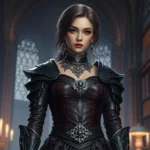
Dystopian fashion emerges from a complex intersection of speculative fiction, cyberpunk culture, and contemporary social commentary. Unlike traditional fashion movements rooted in nostalgia or romantic idealism, dystopia fashion deliberately embraces darkness, industrial elements, and an almost apocalyptic sensibility. This aesthetic gained significant momentum following the release of influential films like Blade Runner 2049 and Dune, which showcased futuristic clothing that balanced functionality with striking visual impact.
The core philosophy underlying dystopian fashion rejects the notion that clothing should merely beautify or conform to societal expectations. Instead, it prioritizes authenticity, protective elements, and visual rebellion. Designers working within this space draw inspiration from military wear, protective gear, and industrial uniforms—garments created for survival rather than aesthetics. Yet through innovative tailoring and material manipulation, these utilitarian foundations transform into haute couture statements.
Fashion experts from Vogue have documented how dystopian aesthetics challenge traditional gender expressions in fashion. The silhouettes often feature oversized proportions, exaggerated shoulders, and asymmetrical cuts that deconstruct conventional femininity and masculinity. This democratization of style allows individuals across gender spectrums to engage with fashion as a form of personal armor and identity assertion rather than conformity.
Understanding different fashion styles requires acknowledging how dystopian fashion represents a deliberate rejection of mainstream trends. Where contemporary fast fashion emphasizes accessibility and trend cycles, dystopian aesthetics champion individuality and longevity. Pieces are designed to transcend seasonal changes, maintaining relevance through their conceptual depth and technical execution.
Key Design Elements and Characteristics
Dystopian fashion distinguishes itself through immediately recognizable design features that work cohesively to create an immersive aesthetic experience. Understanding these elements enables fashion enthusiasts to identify dystopian pieces and construct authentic interpretations of the style.
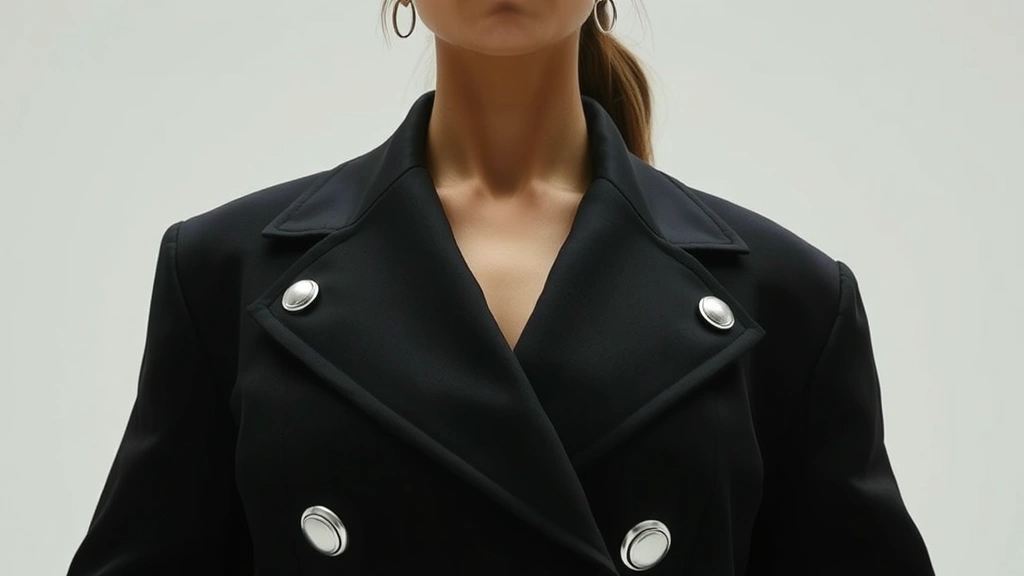
Silhouette and Structure: The silhouettes characteristic of dystopia fashion prioritize dramatic proportions and deconstructed forms. Oversized shoulders create an imposing silhouette suggesting armor or protection. Cropped elements juxtaposed against elongated proportions create visual tension and unpredictability. Many dystopian pieces feature irregular hemlines, strategic cutouts, and asymmetrical construction that suggests both fragmentation and intentional design.
Functional Details: Pockets become architectural features rather than afterthoughts. Straps, buckles, zippers, and hardware placement serve both practical and aesthetic functions. Dystopian designers often incorporate multiple closure systems, suggesting garments designed for rapid adjustment or removal. Cargo pockets, utility belts, and strategic fastening systems reference military and protective wear while maintaining high-fashion sensibilities.
Texture and Material Contrast: Layering disparate materials creates visual interest and tactile complexity. Leather, technical fabrics, mesh, and matte synthetics appear in single garments, creating juxtapositions that mirror the chaos of dystopian narratives. These material combinations challenge conventional notions of cohesion and harmony in design.
Transparency and Exposure: Strategic use of sheer fabrics, mesh inserts, and cutout details introduce vulnerability into otherwise protective aesthetics. This contradiction—creating both armor and exposure—embodies the psychological complexity underlying dystopian fashion. Sheer panels often appear unexpectedly, disrupting the visual continuity of garments.
The fashion style guide emphasizes how dystopian elements can be recognized through their intentional disruption of conventional design harmony. Where traditional fashion seeks balance and proportion, dystopian pieces celebrate asymmetry and visual discord as intentional artistic statements.
Influential Designers Shaping the Movement
Several visionary designers have become synonymous with advancing dystopian fashion into mainstream consciousness. Their work demonstrates how conceptual depth and technical innovation create commercially viable yet artistically uncompromising collections.
Rick Owens stands as perhaps the most influential figure in contemporary dystopian fashion. His architectural approach to tailoring, emphasis on draping, and use of unconventional silhouettes have defined the aesthetic for nearly two decades. Owens’ work consistently explores themes of human vulnerability and protection through exaggerated proportions and dramatic color choices. His designs suggest both fragility and strength simultaneously.
Yohji Yamamoto has long engaged with dystopian sensibilities through his deconstructed approach to tailoring and preference for black monochromatic palettes. His garments often appear incomplete or deliberately fractured, suggesting stories of transformation and adaptation. Yamamoto’s influence on contemporary dystopian fashion cannot be overstated, as he established many foundational principles the movement continues exploring.
Iris van Herpen represents the intersection of dystopian fashion and technological innovation. Her use of 3D printing, laser cutting, and biomimetic design creates garments that appear simultaneously futuristic and otherworldly. Her collections consistently explore themes of nature and technology in tension, creating visual narratives that align perfectly with dystopian aesthetics.
Demna Gvasalia of Balenciaga has brought dystopian sensibilities to luxury fashion on an unprecedented scale. His oversized silhouettes, strategic cutouts, and bold use of proportional distortion have made dystopian aesthetics accessible to broader audiences while maintaining conceptual integrity. Gvasalia’s work demonstrates how dystopian fashion can function as both artistic expression and commercial success.
These designers represent just the vanguard of a movement expanding across luxury, contemporary, and emerging fashion sectors. Their influence shapes how aspiring designers approach finding your personal style within dystopian frameworks.

Fabric Innovation and Sustainable Dystopia
The evolution of dystopian fashion increasingly intersects with sustainability concerns and fabric innovation. This convergence creates opportunities for designers to create garments that are simultaneously visually striking and environmentally responsible.
Technical Fabrics: Dystopian designers frequently employ performance fabrics originally developed for athletic wear or protective applications. Neoprene, technical nylon, polyester blends, and synthetic leather create the industrial aesthetic central to dystopian fashion while offering durability and functionality. These materials can withstand the demands of contemporary life while maintaining visual impact across multiple seasons.
Upcycled and Recycled Materials: Progressive dystopian designers increasingly incorporate recycled fabrics, deadstock materials, and upcycled components into their designs. This approach aligns dystopian aesthetics—which often emphasize fragmentation and reconstruction—with circular fashion principles. Using reclaimed materials creates literal narratives of transformation and rebirth embedded within garment construction.
Vegan Leather and Bio-Fabrics: As dystopian fashion emphasizes protective elements often traditionally constructed from leather, designers have pioneered innovative vegan alternatives. Mushroom leather, cactus-based materials, and lab-created alternatives offer the visual and tactile properties of traditional leather while eliminating animal product dependence. These innovations allow dystopian aesthetics to align with ethical consumption values.
Smart Textiles: The integration of responsive and interactive fabrics represents the future of dystopian fashion. Fabrics that change color with temperature, incorporate embedded technology, or respond to environmental conditions create literal embodiments of human-technology integration central to dystopian narratives. These innovations move dystopian fashion from purely aesthetic territory into functional speculation.
Fashion institutions like the Parsons School of Design have established research initiatives exploring sustainable dystopian fashion. These programs demonstrate how conceptual depth and environmental responsibility can coexist within contemporary design practice.
Dystopian Fashion in Streetwear Culture
Dystopian aesthetics have profoundly influenced contemporary streetwear, creating a hybrid category that merges high fashion concepts with accessible styling practices. This democratization has made dystopian fashion increasingly visible in everyday contexts.
Silhouette Integration: Streetwear brands have adopted dystopian proportions—oversized fits, strategic cropping, and asymmetrical construction—without requiring the investment of luxury fashion. This accessibility has allowed dystopian aesthetics to proliferate across diverse communities and demographics. Young consumers particularly embrace dystopian streetwear as a form of identity expression and cultural participation.
Graphic and Visual Communication: Streetwear traditionally relies on graphic design and visual messaging. Dystopian streetwear incorporates bold typography, fragmented imagery, and apocalyptic symbolism into graphic compositions. These visual elements communicate dystopian philosophy while maintaining the accessibility and immediate impact characteristic of streetwear culture.
Collaborative Collections: Partnerships between established streetwear brands and dystopian-focused designers have created limited edition collections that bridge accessibility and conceptual depth. These collaborations introduce dystopian aesthetics to audiences unfamiliar with avant-garde fashion while providing emerging designers with significant platforms.
DIY and Customization: Dystopian streetwear encourages personalization and modification. Customized graphics, strategic distressing, and individual adaptation transform mass-produced pieces into unique statements. This participatory approach aligns with punk and DIY ethos underlying dystopian aesthetics while creating community engagement around shared aesthetic values.
The complete fashion history timeline demonstrates how aesthetic movements typically originate in avant-garde spaces before permeating mainstream culture. Dystopian fashion follows this trajectory, with streetwear serving as a crucial intermediary.
Color Palettes and Styling Techniques
While dystopian fashion is frequently associated with black and dark neutrals, contemporary interpretations have expanded the color vocabulary significantly. Understanding how color functions within dystopian aesthetics enables more nuanced and personal styling approaches.
Monochromatic Foundation: Black remains the dominant color within dystopian fashion, symbolizing darkness, protection, and visual uniformity. However, contemporary dystopian designers increasingly employ deep charcoal, graphite, and black with blue or green undertones, creating subtle variations within ostensibly monochromatic palettes. These nuanced blacks maintain visual coherence while introducing sophistication and depth.
Accent Colors: Strategic introduction of contrasting colors—neon greens, electric blues, or metallic silvers—creates visual disruption within otherwise neutral compositions. These accent colors often appear in unexpected locations: interior linings, hardware, or small garment sections. This approach maintains dystopian darkness while introducing speculative color moments suggesting technological elements or environmental hazards.
Metallic and Reflective Elements: Silver, gunmetal, and chrome-colored materials introduce futuristic elements while maintaining dystopian darkness. Reflective fabrics and metallic finishes suggest surveillance, technological integration, and artificial environments. These materials create visual interest while reinforcing conceptual themes.
Neutral Layering: Dystopian styling frequently employs multiple neutral layers—blacks, grays, taupes, and whites—creating visual depth through tonal variation rather than color contrast. This approach maintains visual coherence while introducing complexity through texture and proportion manipulation.
Color Blocking Techniques: Some contemporary dystopian designers employ bold color blocking, creating geometric compositions that introduce visual structure to otherwise chaotic silhouettes. This technique balances dystopian fragmentation with intentional design control.
Technology Integration in Dystopian Design
The intersection of fashion and technology represents perhaps the most exciting frontier in contemporary dystopian design. Designers increasingly incorporate literal technological elements—sensors, LEDs, conductive materials—into garments, creating wearables that blur boundaries between fashion and functional technology.
LED Integration: Light-emitting elements embedded within dystopian garments create visual spectacle while referencing cyberpunk aesthetics. LED placement often emphasizes protective elements or anatomically significant locations, creating literal embodiments of technological enhancement narratives central to dystopian fiction.
Responsive Fabrics: Materials that react to environmental stimuli—temperature, light, movement—create dynamic garments that evolve throughout the day. These interactive elements transform clothing from static objects into responsive systems, embodying themes of technological integration and human-machine symbiosis.
Wearable Technology: Integration of functional technology—health monitoring sensors, communication devices, environmental detectors—creates garments that function as literal protective systems. This convergence of fashion and utility represents the ultimate expression of dystopian design philosophy.
Augmented Reality Integration: Some contemporary dystopian designers explore augmented reality applications that extend garments beyond physical materiality. Digital overlays, interactive experiences, and virtual extensions create hybrid fashion experiences that exist simultaneously in physical and digital spaces.
Biomimetic Design: Technology-informed design inspired by biological systems creates garments that appear simultaneously organic and mechanical. This aesthetic approach suggests evolutionary adaptation and technological symbiosis, core themes within dystopian narratives.
Trend forecasting institutions like Stanford Fashion Innovation Lab are actively researching how technology will shape future fashion iterations, with particular attention to dystopian applications.

The Psychology Behind Dystopian Aesthetics
Understanding why dystopian fashion resonates with contemporary consumers requires examining psychological and sociological factors underlying aesthetic preferences. Dystopian fashion appeals to individuals grappling with genuine anxieties about the future while seeking empowerment through visual expression.
Anxiety and Control: Dystopian fashion provides visual frameworks for processing contemporary anxieties about climate change, technological surveillance, and social fragmentation. By aestheticizing dystopian themes, wearers create psychological distance from genuine threats while simultaneously acknowledging their reality. This paradoxical engagement—simultaneously denying and confronting dystopian possibilities—serves important psychological functions.
Empowerment and Agency: Dystopian garments often function as protective armor, both literally and psychologically. The imposing silhouettes, strategic closures, and functional details create visual presentations of strength and preparedness. Wearing dystopian fashion communicates agency, suggesting the wearer has actively prepared for an uncertain future rather than passively accepting societal collapse.
Identity and Differentiation: In a cultural landscape increasingly dominated by algorithmic recommendations and personalization, dystopian fashion provides frameworks for deliberate differentiation. The aesthetic’s inherent rejection of mainstream trends allows wearers to assert individuality and nonconformity. This identity function becomes increasingly important as consumers seek authentic self-expression amid homogenizing commercial forces.
Community and Belonging: Despite its dark aesthetic, dystopian fashion creates community among wearers who share values of authenticity, innovation, and resistance to conventional beauty standards. These communities provide belonging and validation, functions that become increasingly important amid social fragmentation and digital isolation.
Speculative Engagement: Dystopian fashion enables speculative thinking about potential futures. By embodying dystopian scenarios through clothing, wearers engage imaginatively with alternative possibilities, creating space for critical reflection about contemporary trajectories. This speculative dimension transforms fashion from mere aesthetic choice into philosophical practice.
How to Incorporate Dystopia Fashion Into Your Wardrobe
Building a dystopian fashion wardrobe need not require wholesale replacement of existing pieces. Strategic additions and styling approaches allow gradual integration of dystopian elements into diverse personal aesthetics.
Foundation Pieces: Begin with tailored black basics featuring dystopian elements: oversized blazers with exaggerated shoulders, cropped black pants with strategic seaming, and fitted black turtlenecks. These foundation pieces serve as neutral bases accepting dystopian styling while remaining versatile for various contexts.
Statement Outerwear: Invest in structured outerwear featuring dystopian characteristics: long coats with asymmetrical cuts, technical jackets with visible hardware, or puffer coats with unexpected proportions. Statement outerwear immediately communicates dystopian aesthetic while providing functional protection.
Accessory Layering: Harnesses, utility belts, and strategic layering of accessories create dystopian visual impact without requiring complete outfit reconstruction. These elements can be added to existing wardrobes, gradually introducing dystopian sensibilities through strategic accessorization.
Footwear Selection: Combat boots, chunky technical sneakers, and protective-looking shoes ground dystopian outfits while providing practical stability. Footwear choices significantly impact overall aesthetic coherence, making shoe selection crucial for successful dystopian styling.
Fabric Experimentation: Gradually introduce technical fabrics, metallic elements, and unexpected material combinations. Experimenting with texture and material contrast builds comfort with dystopian aesthetics while discovering personal preferences within the broader movement.
Proportion Play: Begin incorporating asymmetrical proportions and oversized silhouettes through strategic piece selection. Understanding how proportional distortion functions within your personal aesthetic allows authentic integration rather than costume-like application.
Color Variation: While maintaining a predominantly neutral palette, experiment with accent colors that resonate personally. Testing neon accents, metallic details, or unexpected color placements allows discovery of personal dystopian color preferences.
Understanding fashion trends for women over 50 demonstrates how dystopian aesthetics transcend age limitations. The movement’s emphasis on individual expression and authentic styling creates space for diverse age groups to engage with dystopian fashion meaningfully.
The StyleLoom Daily Blog regularly features dystopian fashion inspiration and styling guidance, providing ongoing resources for individuals developing their dystopian aesthetic.
FAQ
What exactly defines dystopian fashion?
Dystopian fashion encompasses an aesthetic rooted in speculative fiction and cyberpunk culture, characterized by dark silhouettes, functional elements, asymmetrical construction, and materials suggesting technological integration or protective armor. The movement deliberately rejects conventional beauty standards in favor of authentic, conceptually-driven design emphasizing individuality and visual rebellion.
Can dystopian fashion work for everyday wear?
Absolutely. While dystopian fashion originated in avant-garde contexts, contemporary streetwear and accessible brands have democratized the aesthetic. Strategic incorporation of dystopian elements—oversized proportions, technical fabrics, functional details—can be integrated into everyday wardrobes through foundational pieces and thoughtful accessorization without requiring completely unconventional styling.
Is dystopian fashion only for younger people?
Dystopian fashion’s emphasis on authenticity and individual expression creates space for diverse age groups. The aesthetic’s focus on quality, conceptual depth, and personal agency resonates across demographics. Many mature consumers appreciate dystopian fashion’s rejection of age-specific style restrictions and embrace of powerful silhouettes and confident styling.
How do I style dystopian fashion without appearing costume-like?
Authenticity emerges through understanding the conceptual foundations underlying dystopian aesthetics rather than superficially combining dramatic pieces. Begin with foundational basics featuring subtle dystopian elements, gradually introducing more pronounced features as comfort develops. Consistency in color palettes, deliberate proportion choices, and cohesive accessorization create integrated looks rather than costume presentations.
What are essential dystopian fashion pieces for beginners?
Essential starter pieces include black tailored pants with interesting seaming, oversized black blazers, technical jackets with visible hardware, combat boots, and neutral-colored basics. These foundations accept dystopian styling through accessorization and layering while remaining functional for diverse contexts. Strategic addition of harnesses, utility belts, and metallic accents gradually introduces dystopian visual language.
How does dystopian fashion relate to sustainability?
Contemporary dystopian fashion increasingly incorporates sustainable practices through recycled materials, upcycled components, vegan leather alternatives, and durable construction prioritizing longevity. The aesthetic’s emphasis on functionality and rejection of trend cycles naturally aligns with circular fashion principles. Many dystopian designers deliberately choose sustainable practices as philosophical expressions of their work.
Can I combine dystopian fashion with other aesthetic movements?
Dystopian fashion’s flexibility allows integration with other aesthetics including minimalism, grunge, avant-garde, and experimental fashion. The movement’s foundational emphasis on authentic expression supports hybrid approaches. Thoughtful combination of dystopian elements with complementary aesthetics creates unique personal styles rather than pure adherence to single movements.
Where can I find dystopian fashion pieces?
Luxury designers like Rick Owens, Yohji Yamamoto, and Demna Gvasalia offer explicitly dystopian collections. Contemporary brands including Iris van Herpen and emerging designers increasingly incorporate dystopian elements. Streetwear brands and online retailers offer accessible dystopian fashion. Thrifting and customization provide budget-friendly approaches to building dystopian wardrobes through modification of existing pieces.