How to Dress 60s Style: Expert Guide to Iconic Mod and Retro Fashion
The 1960s remains one of fashion’s most transformative decades, a period when hemlines rose, colors popped, and youth culture revolutionized what people wore. Whether you’re drawn to the sophisticated elegance of early-60s silhouettes or the bold, psychedelic energy of the late decade, dressing in 60s fashion is about capturing an era of optimism, rebellion, and creative expression. This comprehensive guide will walk you through every element needed to authentically channel this iconic era while making it feel fresh and modern.
The beauty of 60s style lies in its diversity. From the preppy, tailored looks of the Kennedy administration to the flower-child aesthetics of Woodstock, the decade offered something for everyone. Understanding the nuances of these different aesthetic directions will help you create a cohesive wardrobe that reflects your personal interpretation of this golden age of fashion.
The Evolution of 60s Fashion: Early vs. Late Decade
The 1960s wasn’t a monolithic fashion moment—it was a decade of dramatic transformation. Early 60s fashion, influenced by the refined taste of First Lady Jacqueline Kennedy, emphasized clean lines, structured silhouettes, and a color palette of pastels and neutrals. Think perfectly coiffed hair, tailored wool suits, and elegant A-line dresses paired with pearl accessories.
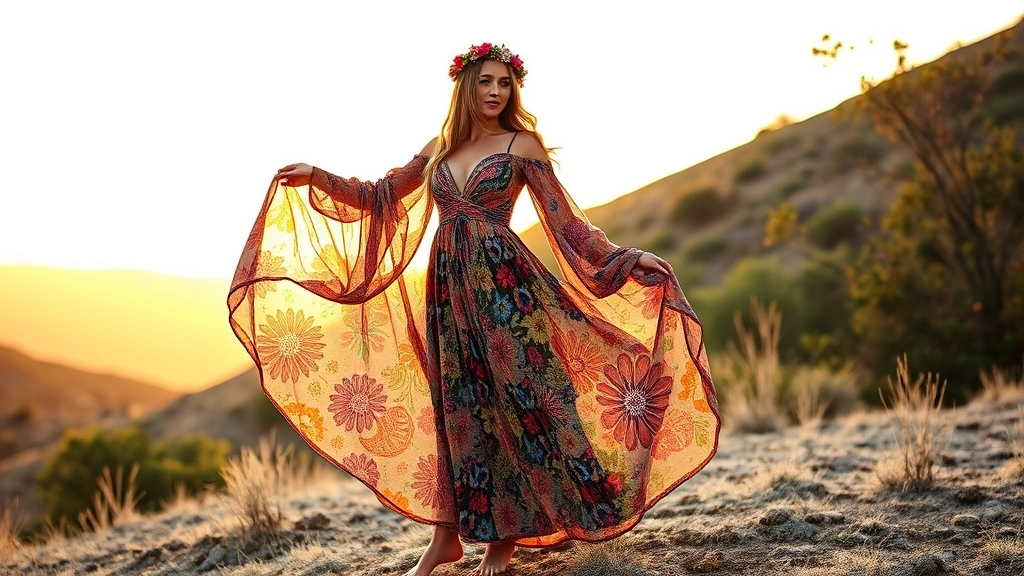
As the decade progressed, particularly from 1965 onward, fashion became increasingly experimental and youth-driven. Vogue documented the shift from conservative elegance to bold statement-making. The mod movement emerged from London, bringing geometric prints, bright colors, and mini skirts that scandalized traditionalists. By the late 60s, psychedelic prints, flowing fabrics, and bohemian influences dominated, reflecting broader cultural changes and the counterculture movement.
Understanding this evolution helps you decide which 60s aesthetic resonates with you. Are you drawn to the sophisticated, refined look of the Kennedy era? Or does the vibrant, rebellious energy of the late decade speak to your style sensibilities? Many fashion enthusiasts blend elements from throughout the decade to create their own unique 60s-inspired aesthetic.
The different fashion styles of the era each tell a story about the cultural moment they emerged from, making 60s fashion endlessly fascinating for style enthusiasts.
Essential Silhouettes and Cuts
The A-line silhouette is perhaps the most iconic 60s shape. This flattering cut—fitted at the shoulders and gradually widening toward the hem—works beautifully for dresses, skirts, and coats. It’s forgiving, feminine, and instantly recognizable as authentically 60s.
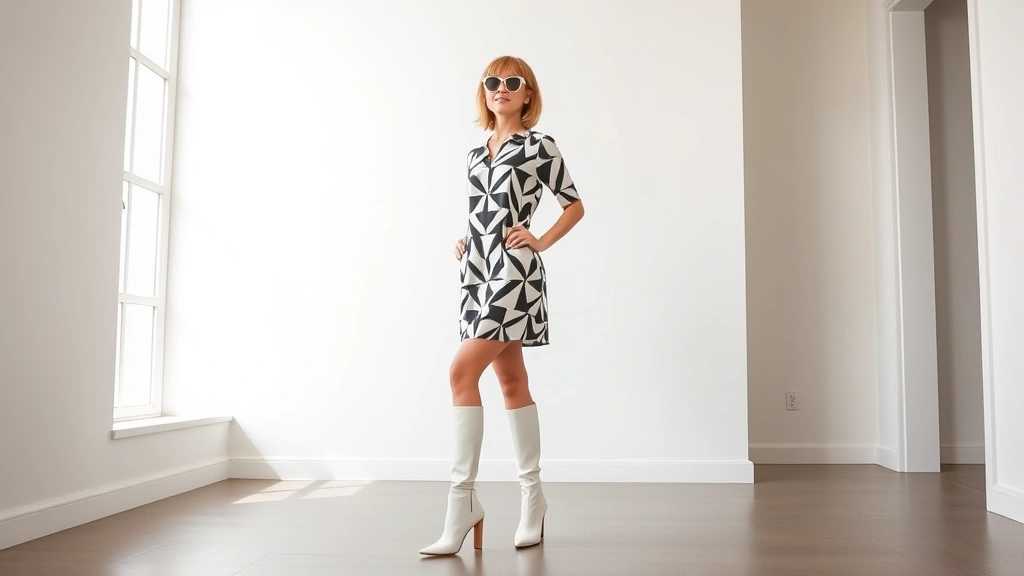
The shift dress represents another cornerstone of 60s fashion. This simple, straight-cut style hangs loosely from the shoulders, creating an effortless, youthful silhouette that dominated the decade. Shift dresses pair beautifully with bold patterns and can be dressed up or down depending on accessories and footwear.
For those interested in exploring types of fashion styles, the 60s offers masterclasses in proportion and proportion play. Empire waists—where the waistline sits just below the bust—created elegant elongation, while drop waists added a playful, childlike quality popular in mod fashion.
Mod cuts featured sharp tailoring with clean lines, often incorporating geometric shapes and asymmetrical hems. Turtlenecks and fitted long sleeves were paired with mini skirts for a distinctly British, youth-oriented look that challenged conventional notions of femininity.
The maxi skirt and dress gained popularity toward the end of the decade, offering a bohemian alternative to the decade’s earlier emphasis on showing legs. These floor-length pieces often featured flowing fabrics and ethnic-inspired patterns.
Color Palettes and Patterns
Early 60s color schemes leaned toward sophistication: soft pastels like pale pink, mint green, and baby blue, combined with neutrals like white, cream, navy, and black. These colors conveyed elegance and refinement, perfect for the tailored pieces of the era.
The mid-to-late 60s introduced bold, saturated colors that demanded attention. Bright orange, electric blue, hot pink, and lime green appeared in both solid colors and increasingly adventurous patterns. This shift reflected youthful optimism and a rejection of conservative fashion norms.
Pattern-wise, the decade progressed from simple stripes and small-scale prints to increasingly elaborate designs. Geometric patterns defined mod fashion—think bold black-and-white checks, optical illusions, and sharp geometric shapes. Harper’s Bazaar’s fashion archives showcase the evolution of these pattern trends throughout the decade.
Floral prints became increasingly psychedelic as the decade ended, featuring surreal, dreamlike imagery in vibrant color combinations. Paisley patterns, another late-60s staple, added an exotic, bohemian touch to dresses, scarves, and accessories.
Polka dots remained consistently popular throughout the decade, offering a playful, retro-feeling pattern that worked for both sophisticated and youthful styles. Stripes—both horizontal and vertical—provided clean, graphic options for creating structured looks.
Key Pieces Every 60s Wardrobe Needs
Building an authentic 60s wardrobe requires understanding the non-negotiable pieces that define the era. These foundational items will allow you to create multiple outfits while maintaining historical accuracy.
The mini skirt is perhaps the most iconic 60s garment. Popularized by British designer Mary Quant, the mini skirt represented youth rebellion and freedom. Pair it with tights, Mary Jane shoes, and a fitted top for authentic mod style.
Shift dresses in various patterns and colors should form your wardrobe backbone. These versatile pieces work for casual days and can be dressed up with jewelry and proper footwear for evening events.
Tailored blazers and suit jackets in solid colors provide structure and sophistication. A well-fitted blazer instantly elevates any 60s outfit, whether worn over a shift dress or with tailored trousers.
Turtlenecks in black, white, and jewel tones are essential for creating mod looks. Layer them under shift dresses or pair with slim trousers for clean, structured outfits.
A white button-up shirt works as a foundational piece throughout the decade. Wear it oversized for a contemporary feel, fitted for structured elegance, or tied at the waist for a playful mod aesthetic.
Go-go boots in white or black leather define the 60s silhouette. These knee-high boots with a chunky heel and rounded toe are absolutely essential for authentic styling.
Maxi dresses and skirts become increasingly important for late-60s looks. Choose pieces with flowing fabrics and bohemian patterns for authentic end-of-decade styling.
Cardigans and sweaters in bright colors or interesting patterns add layering options and period authenticity. Twin sets—coordinated cardigan and short-sleeved top combinations—reference the decade’s preppy early years.
Footwear and Accessories
Footwear makes or breaks a 60s outfit. Go-go boots in white patent leather represent the decade’s most iconic shoe. These knee-high boots with their distinctive rounded toe and moderate heel appear in virtually every 60s fashion reference. Black versions work equally well, particularly for mod outfits.
Mary Jane shoes with a low heel and rounded toe offer a preppy, schoolgirl aesthetic perfect for early-60s styling. Pair them with knee-high socks and a mini skirt for authentic mod looks.
Flat ballet flats, particularly in patent leather or metallic finishes, provide elegant alternatives. These work beautifully with shift dresses and tailored outfits.
Chunky loafers and penny loafers reference the decade’s preppy influences, particularly effective when paired with knee-high socks and tailored pieces.
Strappy sandals and dressy heels in metallic or bright colors work for evening occasions and late-60s bohemian looks.
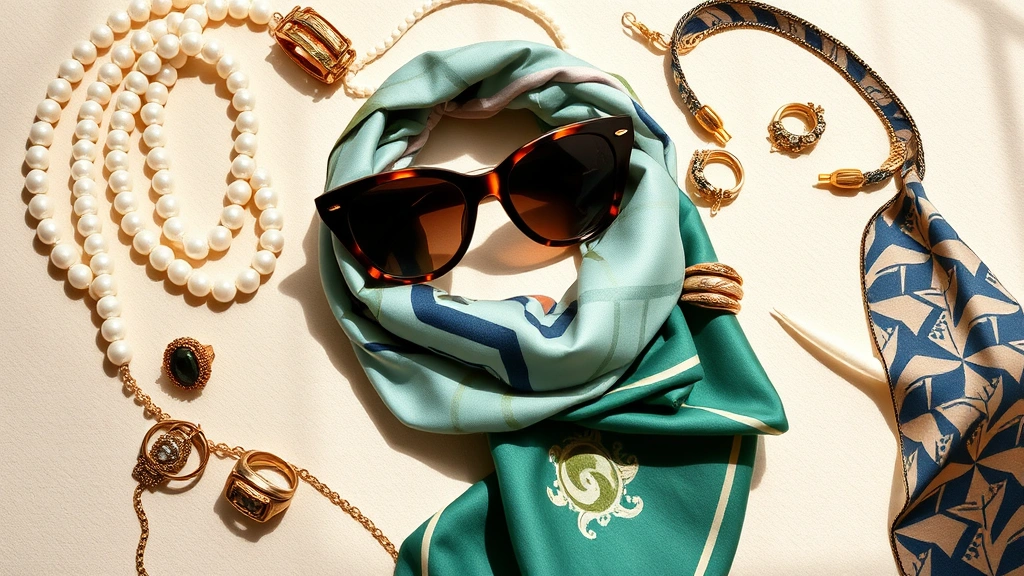
For accessories, oversized sunglasses are absolutely essential. Look for large, rounded frames or cat-eye styles in white, black, or tortoiseshell. These instantly elevate any 60s outfit and provide authentic period detail.
Pearl necklaces and earrings define early-60s elegance, while statement jewelry in bold colors and geometric shapes suits mod and late-60s aesthetics. Chunky rings, long beaded necklaces, and chandelier earrings all work beautifully.
Headbands and hair accessories add period authenticity. Thin headbands, decorative clips, and fabric-wrapped hair bands were incredibly popular throughout the decade.
Scarves serve multiple purposes—wear them as headbands, neck accessories, or woven through hair for bohemian flair. Silk scarves with geometric or floral prints work particularly well.
Belts deserve special attention. Wide belts with prominent buckles cinch shift dresses, while thin belts accentuate natural waistlines. Metallic, chain, and fabric belts all appeared throughout the decade.
Handbags ranged from structured top-handle styles in the early 60s to more relaxed, bohemian bags later in the decade. Look for boxy shapes, mod prints, or fringe details depending on which era you’re channeling.
Hairstyles and Makeup
Hair and makeup are crucial for completing a 60s look. Early-60s hairstyles featured perfectly coiffed waves and structured bobs, often achieved through weekly salon visits and pin curls. The bouffant—a voluminous, rounded style—represented the height of early-60s glamour.
By mid-decade, the Vidal Sassoon cut revolutionized 60s hair. This geometric, precisely cut bob featured sharp lines and required minimal styling, making it both modern and practical. This cut became synonymous with mod fashion and youthful rebellion.
Long, straight hair with a center part became increasingly popular as the decade progressed, particularly among younger women and those embracing bohemian aesthetics. Flower crowns and hair flowers added whimsical touches to late-60s looks.
Bangs appeared frequently throughout the decade, from blunt, heavy bangs on mod cuts to softer, feathered styles. The flip hairstyle—where the ends curl under—was incredibly popular for achieving that quintessential 60s silhouette.
For makeup, dramatic eye makeup defined the decade. Heavy black eyeliner applied in a cat-eye flick at the outer corner created an elongated, youthful appearance. Beauty experts document how white eyeshadow on the inner lids made eyes appear larger and more dramatic.
False eyelashes—often layered for maximum impact—were essential for authentic 60s eye makeup. Today, individual lashes or less dramatic options can achieve the spirit without overwhelming modern sensibilities.
Bold, bright eyeshadow in blues, greens, silvers, and even reds became increasingly popular as the decade progressed. Late-60s makeup often featured psychedelic color combinations and more experimental application.
Pale, matte lipstick in nude, pink, or white shades dominated early-to-mid 60s makeup, creating a youthful, modern contrast with dramatic eyes. Brighter lip colors and even frosted finishes appeared in late-60s looks.
Defined brows in a relatively natural shape (not overly thin or arched) completed the look. Brows were often slightly thicker than in previous decades, reflecting a move toward more natural beauty standards.
Shopping Tips and Vintage Sourcing
Finding authentic 60s pieces requires knowing where to look and what to prioritize. When shopping for 60s fashion, consider whether you want actual vintage pieces or modern reproductions that capture the era’s aesthetic.
Vintage shops and thrift stores offer authentic pieces at reasonable prices, though sizing can be unpredictable and pieces may show wear. Look for well-made items in good condition, checking seams, zippers, and fabric integrity before purchasing.
Online vintage retailers like Etsy, Vestiaire Collective, and specialized vintage fashion sites offer curated selections with detailed descriptions and measurements. These platforms typically provide authentication and return policies, making online vintage shopping safer.
Specialty vintage boutiques focusing on mid-century fashion offer expertly selected, often restored pieces. While prices are higher, quality and authenticity are generally guaranteed.
Modern brands creating 60s-inspired pieces offer new alternatives that capture the era’s aesthetic without vintage pricing or sizing challenges. Brands like Collectif, Hell Bunny, and others specialize in retro-inspired fashion.
When shopping, prioritize quality construction over quantity. A single well-made shift dress in a bold pattern is more valuable than several poorly constructed pieces. Look for natural fabrics—cotton, silk, wool—which were standard in the 1960s.
Invest in key pieces like go-go boots, shift dresses in classic patterns, and tailored blazers. Build your wardrobe around these foundational items, adding accessories and secondary pieces gradually.
Pay attention to sizing and fit. 60s sizing runs small by modern standards, and proportions differ significantly. Always check measurements carefully, especially for vintage pieces where size labels may be unreliable.
Consider your personal style when shopping. Rather than forcing yourself into every 60s trend, select pieces that genuinely appeal to you and work with your lifestyle and body type.
Modern Ways to Style 60s Fashion
While historical accuracy is fun, the most successful 60s-inspired looks blend vintage aesthetics with modern sensibilities. This approach keeps the style feeling fresh and wearable for contemporary life.
Mix vintage with modern basics. Pair a 60s shift dress with contemporary sneakers or modern jewelry for an updated look that feels intentional rather than costume-like.
Incorporate 60s pieces into everyday outfits. Wear a mod turtleneck with modern jeans, or style go-go boots with contemporary trousers. This piecemeal approach makes 60s fashion accessible for daily wear.
Play with proportions. Pair a fitted, vintage 60s top with relaxed modern trousers, or wear a 60s maxi skirt with a contemporary crop top. These proportion contrasts feel modern while honoring the era.
Update makeup and hair. You can wear 60s-inspired silhouettes while keeping your hair and makeup current. A shift dress with modern makeup feels contemporary rather than costume-like.
Layer modern pieces over vintage items. A long cardigan over a shift dress, or an oversized blazer over a mod turtleneck, creates visually interesting outfits that blend eras.
Accessorize thoughtfully. One or two strong 60s-inspired accessories—like oversized sunglasses or a statement necklace—can anchor an otherwise modern outfit in the era.
Explore the broader world of fashion style to understand how 60s aesthetics fit into your overall style narrative. The goal is creating a cohesive personal aesthetic that incorporates 60s elements authentically.
Remember that style inspiration comes from understanding not just what people wore, but why. The 60s was a decade of experimentation, youth expression, and cultural change. The most authentic way to dress in 60s style is to capture that spirit of innovation and self-expression, adapting the era’s aesthetics to your contemporary life.
Take our fashion style quiz to better understand which eras and aesthetics resonate most strongly with your personal style, helping you build a 60s wardrobe that feels genuinely authentic to you.
FAQ
What’s the most important piece for 60s styling?
While go-go boots are iconic, a well-fitting shift dress in a bold pattern or solid color is arguably more versatile. This single piece works for multiple 60s aesthetics and can be styled numerous ways with different accessories.
Can I wear 60s fashion if I’m not interested in the entire decade?
Absolutely. You might focus exclusively on early-60s preppy aesthetics, mod fashion, or late-60s bohemian looks. Each era within the decade has distinct characteristics, allowing you to choose what genuinely appeals to you.
How do I make 60s fashion look modern rather than costume-like?
Mix vintage pieces with contemporary basics, update your hair and makeup to current standards, and avoid wearing head-to-toe costume looks. Incorporating 60s elements into otherwise modern outfits keeps the style feeling intentional and wearable.
Where should I start when building a 60s wardrobe?
Begin with foundational pieces: a shift dress or two in versatile colors, a pair of go-go boots, and a tailored blazer. From this base, add accessories and secondary pieces that reflect your preferred 60s aesthetic.
Are authentic vintage pieces better than modern reproductions?
Both have merit. Authentic vintage pieces offer genuine historical value and unique quality, but may require careful sourcing and restoration. Modern reproductions offer accessibility, sizing consistency, and durability. Choose based on your budget, lifestyle, and priorities.
How do I find my size in vintage 60s clothing?
Always check measurements rather than relying on size labels. 60s sizing runs small compared to modern standards. Reputable vintage retailers provide detailed measurements; when shopping in person, try pieces on or bring measuring tools.
What if I want to wear 60s style but have a different body type than was fashionable then?
Focus on silhouettes and proportions that flatter your body rather than forcing yourself into styles that don’t work for you. A-line dresses, shift dresses, and well-fitted blazers work beautifully on various body types. Adjust hemlines and fits to suit your frame while maintaining the era’s essential aesthetic.