
Chinese Fashion Trends 2023: Expert Insights
The fashion world in 2023 witnessed a remarkable renaissance of Chinese fashion, marking a pivotal moment when Eastern aesthetics captured global attention with unprecedented momentum. From the runways of Shanghai to the streets of Beijing, designers and style influencers embraced a distinctive blend of traditional heritage and contemporary innovation that redefined modern luxury. This year proved transformative for the industry, as Chinese fashion houses elevated their presence on international stages, challenging established Western fashion hierarchies and introducing fresh perspectives on elegance, craftsmanship, and cultural expression.
What made 2023 particularly significant was the authentic integration of Chinese cultural elements into mainstream fashion discourse. Rather than superficial appropriation, designers demonstrated profound respect for traditional techniques—silk embroidery, qipao construction, and hand-dyeing methods—while reinterpreting them for contemporary wardrobes. This authentic approach resonated deeply with global consumers seeking meaningful style that transcended seasonal trends, establishing Chinese fashion as a serious contender in shaping worldwide aesthetic preferences for years to come.
The Rise of Chinese Fashion Houses
2023 marked an undeniable shift in global fashion power dynamics, with Chinese designers claiming spotlight positions previously dominated by European and American brands. Luxury conglomerates and independent boutiques alike demonstrated exceptional craftsmanship and innovative design philosophies that captured international acclaim. Brands like Shang Xia, Uma Wang, and Angel Chen showcased collections that seamlessly merged philosophical depth with visual sophistication, earning respect from fashion critics and industry professionals worldwide.
The emergence of these powerhouse labels wasn’t accidental—it reflected years of investment in design education, manufacturing excellence, and strategic positioning within luxury markets. Many Chinese fashion houses invested heavily in fashion types that emphasized quality over quantity, establishing themselves as premium alternatives to established Western houses. This strategic focus on craftsmanship and heritage storytelling attracted discerning consumers who valued authenticity and meaningful design narratives.
International fashion weeks increasingly featured Chinese designers in prime showcasing slots, with Shanghai Fashion Week and Beijing Fashion Week gaining prominence comparable to Paris, Milan, and New York. This institutional recognition validated the creative vision of Chinese fashion professionals and opened doors for emerging talents to access global distribution networks and luxury retail partnerships.
Traditional Elements Meet Modern Minimalism
The most compelling trend emerging from Chinese fashion in 2023 was the sophisticated dialogue between ancient techniques and contemporary minimalism. Designers masterfully incorporated traditional qipao silhouettes into modern tailoring, creating pieces that honored cultural heritage while appealing to minimalist sensibilities dominating current fashion discourse. The result was elegant, timeless garments that transcended seasonal trends and seasonal fashion cycles.
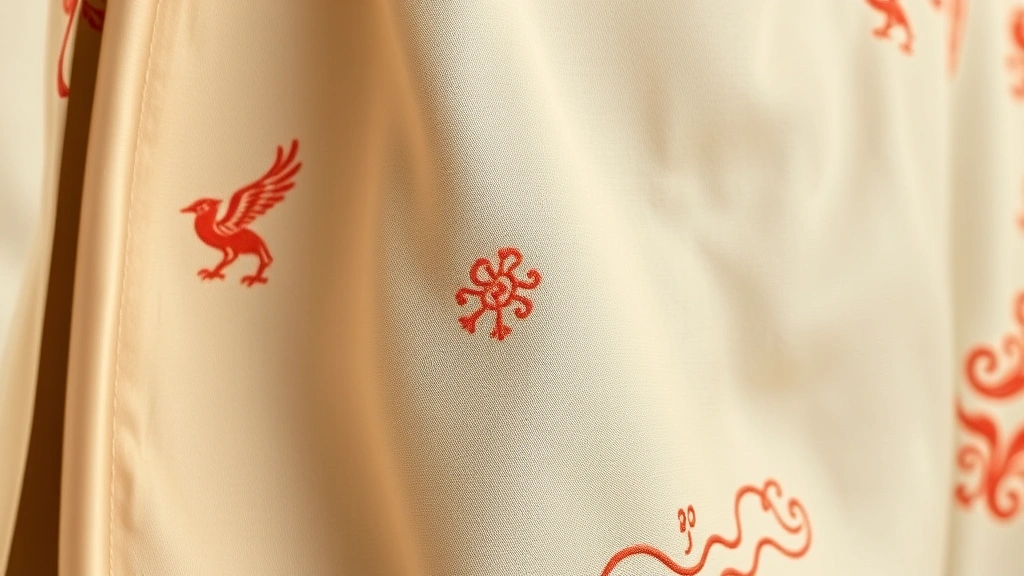
Silk embroidery—a technique refined over millennia—found fresh expression in understated pieces featuring subtle hand-stitched details on neutral-toned garments. Rather than ornate, heavily decorated pieces, designers opted for strategic placement of traditional motifs, allowing craftsmanship to shine without overwhelming the overall aesthetic. This restraint demonstrated sophisticated design maturity and deep understanding of contemporary consumer preferences for different fashion styles that balance heritage and modernity.
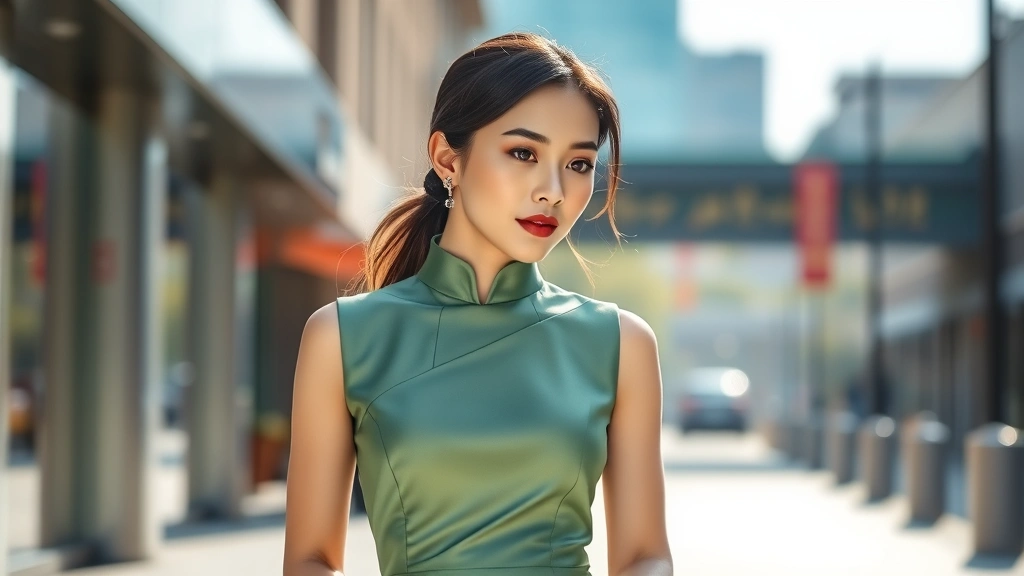
Qipao reconstructions became particularly noteworthy, with designers experimenting with asymmetrical cuts, innovative closures, and unexpected fabric combinations. Traditional high necklines evolved into contemporary interpretations, while side slits were reimagined as architectural elements defining garment silhouettes. These thoughtful reinterpretations proved that respecting tradition didn’t require literal reproduction—instead, understanding fundamental principles allowed designers to create genuinely innovative pieces with cultural resonance.
The integration of traditional Chinese philosophy into design became increasingly evident, with concepts like yin-yang balance, wu xing (five elements), and feng shui principles subtly informing color combinations, proportions, and overall composition. This intellectual approach elevated fashion beyond surface-level aesthetics, creating pieces that engaged both visual and conceptual dimensions.
Color Palettes and Textile Innovation
Chinese designers in 2023 demonstrated masterful command of color theory, moving beyond stereotypical red and gold associations to explore sophisticated, nuanced palettes reflecting contemporary sensibilities. Muted earth tones—celadon green, porcelain white, charcoal gray, and warm beige—dominated collections, creating an aesthetic both distinctly Chinese and universally appealing. These colors referenced traditional ceramics and classical painting while maintaining modern relevance and versatility.
Accent colors were introduced with precision and intentionality. Deep plum, midnight blue, and subtle gold detailing provided visual interest without compromising the overall minimalist approach. This restrained use of color demonstrated confidence and sophistication, allowing individual pieces to function as wardrobe foundations while remaining visually distinctive.
Textile innovation represented another major strength of Chinese fashion in 2023. Designers collaborated with mills to develop sustainable fabrics combining traditional silk production with modern technology. Peace silk (produced without harming silkworms) gained popularity, addressing ethical concerns while maintaining the luxurious qualities consumers expected. Technical fabrics incorporating traditional weaving patterns created unexpected textural contrasts, blending heritage craftsmanship with contemporary performance requirements.
Natural dye development became increasingly sophisticated, with designers exploring traditional Chinese dye techniques using plant-based materials. Indigo, madder root, and safflower produced rich, complex colors that evolved beautifully over time, adding temporal dimension to garments. This approach aligned perfectly with fashion and accessories trends emphasizing sustainability and longevity.
Sustainable Practices in Chinese Design
Environmental consciousness became central to Chinese fashion narratives in 2023, with designers positioning sustainability not as trend but as fundamental design philosophy. Many brands implemented circular economy principles, designing collections with longevity and adaptability in mind. Garments featured modular construction allowing components to be replaced or reconfigured, extending product lifecycles and reducing waste.
Supply chain transparency emerged as competitive advantage, with Chinese designers publicizing production details and artisan partnerships. This openness countered negative stereotypes about manufacturing while celebrating the skilled workers behind each piece. Stories of master craftspeople, family-run workshops, and traditional technique preservation became integral to brand narratives, creating emotional connections with conscious consumers.
Zero-waste pattern cutting and deadstock utilization became standard practice among leading designers. Rather than viewing fabric scraps as waste, designers integrated them into secondary pieces or accessories, creating collections with minimal environmental impact. This approach demonstrated creative problem-solving and resource efficiency reflecting broader Chinese manufacturing philosophy.
Investment in renewable energy for production facilities and commitment to water conservation in dyeing processes showed industry-wide dedication to environmental stewardship. Many Chinese fashion houses achieved carbon neutrality certifications, setting benchmarks for international competitors and proving that luxury and sustainability weren’t mutually exclusive.
Celebrity Influence and Global Recognition
Chinese celebrities and international influencers wearing local designers dramatically amplified Chinese fashion visibility in 2023. A-list actors, musicians, and cultural figures strategically selected pieces from emerging and established Chinese designers for red carpet appearances, award ceremonies, and public engagements. This visibility on global platforms introduced Chinese fashion to audiences who might never deliberately seek it out, creating organic interest and aspirational appeal.
International fashion publications increasingly featured Chinese designers in editorial spreads and trend forecasting articles. Vogue and other prestigious outlets dedicated substantial coverage to Chinese fashion innovation, legitimizing the movement within fashion establishment discourse. This media attention translated to retail partnerships with luxury department stores worldwide, making Chinese fashion accessible to global consumers.
Collaborations between Chinese designers and international celebrities created buzz-worthy moments that transcended typical fashion news. Limited-edition capsule collections and exclusive pieces worn by influential figures generated social media momentum and elevated brand prestige. These strategic partnerships positioned Chinese fashion as desirable luxury rather than alternative option.
The influence extended to how to find your personal style conversations, with fashion critics and stylists increasingly referencing Chinese designers as essential resources for building distinctive wardrobes. This positioning shifted perception from novelty to necessity, establishing Chinese fashion as legitimate category within luxury market.
Street Style Evolution
Beyond haute couture and luxury retail, Chinese street style captured global attention through social media platforms and fashion photography. Young professionals, students, and style enthusiasts in major cities developed distinctive aesthetic codes blending international influences with local sensibilities. The result was refreshingly authentic street fashion that felt neither derivative nor aggressively avant-garde.
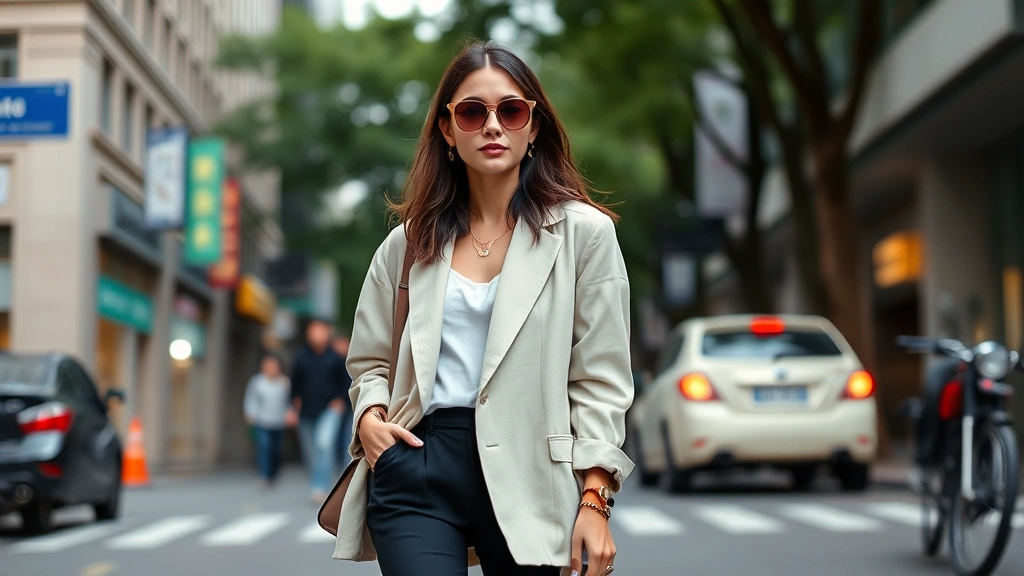
Layering became signature technique, with individuals combining unexpected garments to create visual depth and personal expression. Oversized silhouettes paired with fitted basics, traditional pieces mixed with contemporary sportswear, and vintage finds combined with new designer items created dynamic, individualistic looks. This approach to fashion style demonstrated creative confidence and rejection of prescriptive fashion rules.
Accessories played crucial role in Chinese street style evolution, with individuals investing in quality bags, jewelry, and footwear as statement pieces. Local designers created accessories that referenced traditional craftsmanship while maintaining contemporary aesthetics, allowing consumers to incorporate cultural elements subtly. The emphasis on accessories aligned with practical, sustainable approach to fashion, allowing individuals to refresh looks without constantly purchasing new clothing.
Sneaker culture intersected with traditional aesthetic sensibilities, with designers creating innovative footwear combining athletic functionality with heritage-inspired detailing. These hybrid designs appealed to younger consumers seeking comfort without sacrificing style, representing broader industry trend toward performance-oriented luxury.
Digital Fashion and E-Commerce Leadership
Chinese fashion brands demonstrated exceptional digital sophistication in 2023, leveraging technology and e-commerce platforms to reach global audiences efficiently. Live-streaming fashion shows, virtual try-on technology, and interactive social media campaigns created engaging experiences that transcended traditional retail models. This digital-first approach positioned Chinese designers ahead of many international counterparts still adapting to digital transformation.
Platforms like Douyin (TikTok’s Chinese version), Little Red Book, and WeChat became crucial for brand building and consumer engagement. Chinese designers utilized these platforms authentically, sharing behind-the-scenes content, design process documentation, and direct interaction with consumers. This transparency and accessibility built loyal communities and created organic word-of-mouth marketing more effective than traditional advertising.
Business of Fashion reported that Chinese e-commerce platforms achieved remarkable growth in luxury fashion categories, with domestic consumers increasingly purchasing from local designers. This shift reflected growing confidence in Chinese fashion quality and prestige, reducing reliance on international brands for luxury purchases.
Cross-border e-commerce initiatives expanded Chinese fashion accessibility internationally, with brands establishing direct-to-consumer channels reaching customers worldwide. This strategy eliminated intermediaries, improved profit margins, and allowed brands to control narrative and customer experience completely. Technical infrastructure and logistics capabilities gave Chinese companies competitive advantage in executing sophisticated digital strategies.
Virtual fashion shows and metaverse presentations emerged as innovative marketing channels, with Chinese designers creating immersive digital experiences introducing collections to global audiences. These forward-thinking approaches positioned Chinese fashion as industry innovators, not followers, shaping how fashion would be presented and consumed in coming years.
FAQ
What defines contemporary Chinese fashion design philosophy?
Contemporary Chinese fashion emphasizes authentic cultural integration, sustainable practices, and minimalist aesthetics. Rather than superficial heritage references, designers deeply engage with traditional techniques and philosophical principles, creating pieces that honor cultural legacy while remaining distinctly modern and globally relevant.
How are traditional techniques being incorporated into modern pieces?
Designers strategically integrate traditional embroidery, dyeing, and construction methods into contemporary silhouettes. Rather than ornate reproduction, they apply restraint and subtlety, allowing craftsmanship to enhance rather than dominate design. This approach creates pieces that appeal to both heritage-conscious and minimalist-leaning consumers.
Why is Chinese fashion gaining international recognition now?
Multiple factors converge: investment in design education and manufacturing excellence, strategic positioning in luxury markets, celebrity endorsements, and sophisticated digital marketing. Additionally, global consumers increasingly seek authentic alternatives to established Western fashion, creating market opportunity for quality Chinese designers offering distinctive perspectives.
What sustainability initiatives are Chinese designers implementing?
Leading designers employ circular economy principles, zero-waste pattern cutting, natural dye development, and transparent supply chains. Many achieve carbon neutrality certifications and invest in renewable energy, demonstrating that luxury and environmental responsibility align perfectly.
How is digital technology changing Chinese fashion distribution?
Live-streaming shows, virtual try-ons, and direct-to-consumer e-commerce platforms allow Chinese brands to reach global audiences without traditional retail intermediaries. This digital-first approach provides competitive advantage and enables authentic consumer engagement through social media platforms.
Which international platforms are featuring Chinese designers?
Vogue, Business of Fashion, and The Fashion Spot increasingly cover Chinese fashion innovation. Additionally, China Fashion Week has gained prominence comparable to Paris and Milan, attracting international press and industry professionals.
What color palettes dominate 2023 Chinese fashion?
Sophisticated earth tones—celadon green, porcelain white, charcoal gray, and warm beige—reference traditional ceramics while maintaining modern relevance. Accent colors like deep plum and midnight blue provide visual interest with restrained elegance, reflecting broader minimalist aesthetic preferences.

