

Byzantine Fashion’s Influence: Historian Insights into Timeless Style
The Byzantine Empire, spanning over a thousand years from the 4th to the 15th century, left an indelible mark on Western civilization—and fashion is no exception. Byzantine fashion represents one of history’s most sophisticated and ornate dress codes, characterized by sumptuous fabrics, intricate embroidery, and symbolic color palettes that communicated status, power, and spiritual devotion. Understanding Byzantine fashion offers modern style enthusiasts valuable insights into how clothing transcends mere utility to become a language of cultural identity and artistic expression.
Fashion historians consistently emphasize that Byzantine style wasn’t simply about looking beautiful; it was a deliberate system of visual communication. The empire’s influence on contemporary fashion remains largely underappreciated, yet its principles of luxurious layering, rich ornamentation, and color symbolism continue to inspire designers worldwide. From high-fashion runways to avant-garde collections, echoes of Byzantine aesthetics persist in modern interpretations of elegance and sophistication. This exploration reveals how ancient sartorial traditions shape our current understanding of style and luxury.
The Historical Origins and Cultural Influences
Byzantine fashion emerged from a fascinating convergence of Roman, Persian, and Eastern traditions. When Constantine established Constantinople as the capital of the Eastern Roman Empire in 330 AD, he inadvertently created a cultural melting pot that would influence fashion for centuries. The empire’s strategic position on the Silk Road facilitated the exchange of textiles, techniques, and aesthetic philosophies from across Asia and the Mediterranean. This multicultural foundation distinguishes Byzantine style from its Western European counterparts, imbuing it with an exotic sophistication that contemporary designers continue to reference.
The Byzantine court developed increasingly elaborate dress codes throughout its existence. Emperors and empresses wore garments that distinguished them not just through quality but through specific design elements and manufacturing processes available only to the imperial family. Historical records reveal that certain dyes, weaving techniques, and embellishment methods were literally forbidden to commoners. This exclusivity created a visual hierarchy so powerful that one could determine someone’s position in society at a glance. Historians studying fashion design degree programs often emphasize Byzantine court dress as a foundational case study in understanding how fashion functions as social architecture.
The influence of Persian fashion on Byzantine aesthetics cannot be overstated. Byzantine emperors frequently adopted Persian court customs, including specific garment silhouettes, decorative techniques, and color combinations. This cross-cultural exchange demonstrates that fashion has always been a vehicle for diplomatic relations and cultural prestige. The resulting Byzantine aesthetic represents a deliberate synthesis of the classical Roman tradition with Eastern luxury and ornamentation—a balance that created something entirely unique and enduringly influential.
Key Garments That Defined an Era
Several signature garments defined Byzantine fashion and became synonymous with imperial authority and aristocratic status. Understanding these pieces provides essential context for recognizing Byzantine influence in modern fashion. The Dalmatica, a long tunic with wide sleeves, served as the foundational garment for both men and women of elevated status. This garment evolved from Roman origins but became distinctly Byzantine through its elaborate embellishment and the symbolic imagery woven into its fabric.
The Chlamys, a draped cloak fastened at the shoulder with an ornate fibula (brooch), represented another essential Byzantine garment. Emperors and high-ranking officials wore versions in imperial purple, a color so restricted that unauthorized wearing could result in severe punishment. The way the Chlamys draped created elegant lines that modern fashion designers still reference when creating formal wear with classical influences. The garment’s construction required masterful tailoring and understanding of fabric weight and movement—principles that remain central to haute couture today.
Women of the Byzantine court wore the Stola, a long, flowing garment that evolved significantly during the Byzantine period. Unlike earlier Roman versions, Byzantine Stolae featured higher waistlines, more elaborate sleeves, and increasingly ornate decoration. The garment communicated feminine authority and wealth through its construction and embellishment. Examining how 90s fashion revisited classical silhouettes reveals how designers continue drawing inspiration from historical garment construction.
The Loros, a long, narrow scarf-like garment worn draped across the body, became increasingly important in Byzantine imperial fashion. Emperors wore the Loros in specific configurations that signified their divine right to rule. The garment’s complex draping required specific knowledge and was often worn with other ceremonial pieces to create a complete imperial ensemble. This layering approach—combining multiple garments to create visual impact—remains a cornerstone of contemporary high fashion.
Luxurious Fabrics and Material Innovation
Byzantine fashion’s most distinctive characteristic was its reliance on extraordinarily luxurious fabrics. The empire controlled access to silk production through closely guarded secrets brought from China along the Silk Road. Silk represented the ultimate luxury textile, and Byzantine weavers became renowned throughout the medieval world for their ability to create increasingly complex silk fabrics with intricate patterns.
The most prized Byzantine textiles featured silk damask with elaborate woven patterns. These fabrics required exceptional skill to produce, with patterns often depicting imperial symbols, religious imagery, or abstract geometric designs. The shimmer of silk combined with raised pattern work created garments that seemed to transform as the wearer moved. This quality of light-responsive fabric remains central to luxury fashion design, with contemporary designers investing enormous resources in developing textiles with similar visual complexity.
Byzantine craftspeople also pioneered techniques for combining silk with other materials. Gold thread, both real and wrapped around silk cores, was extensively used in Byzantine textiles. The resulting fabric possessed extraordinary richness and weight. Linen, imported from Egypt, provided a cooler alternative for summer wear among the elite. Cotton, brought through trade routes from India and Central Asia, offered another option for the wealthy, though it remained less prestigious than silk.
The dyeing techniques employed by Byzantine artisans represented cutting-edge chemistry for their era. Purple dye, extracted from murex shells, required such extensive labor that imperial purple garments represented staggering investments of time and resources. Red dyes achieved through madder root or cochineal demonstrated sophisticated understanding of color chemistry. Blues created from indigo and other sources were carefully controlled to maintain their association with imperial and religious authority. These color choices weren’t arbitrary—they communicated specific meanings understood throughout Byzantine society.
Color Symbolism and Social Hierarchy
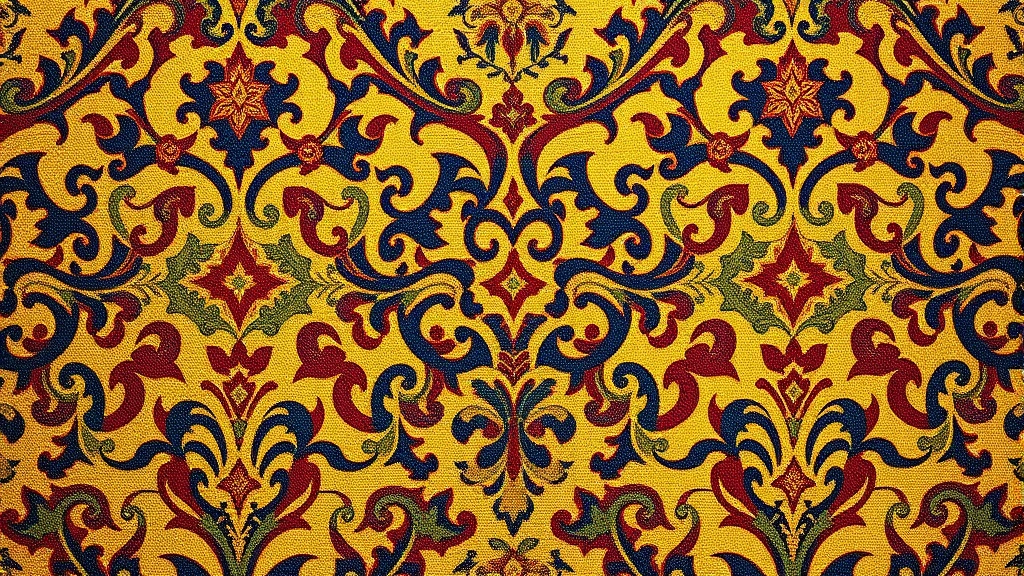
In Byzantine fashion, color functioned as a precise language of social communication. Imperial purple, derived from the murex shell, held such significance that children born to reigning emperors were called “Porphyrogennetos”—born in the purple. This color was literally forbidden to all but the imperial family and their closest associates. The restriction wasn’t merely aesthetic; it represented a fundamental belief that certain colors carried spiritual and political power that could only be wielded by those with divine sanction.
Beyond purple, other colors carried specific meanings. Gold represented divine light and heavenly authority, making it essential for religious vestments and imperial regalia. Red symbolized imperial power and military authority, appearing frequently in the garments of generals and high officials. Blue held religious significance, associated with the Virgin Mary and celestial realms. Green represented renewal and fertility, while white symbolized purity and spiritual transcendence. This systematic color vocabulary meant that Byzantine observers could read the spiritual and political messages encoded in someone’s clothing.
The combination of colors in Byzantine garments was never random. Imperial ensembles typically combined purple with gold and red, creating a visual statement of absolute authority. Religious figures wore combinations emphasizing blue and gold, visually connecting earthly authority to divine power. Understanding these color relationships helps modern designers create historically-inspired pieces that carry similar emotional and symbolic weight. Fashion historians note that contemporary luxury brands often unconsciously echo Byzantine color combinations when seeking to communicate exclusivity and power.
Byzantine Jewelry and Ornamental Accessories
Byzantine jewelry represented the pinnacle of medieval metalworking and gemstone craftsmanship. Emperors and empresses wore elaborate diadems (crowns) adorned with pearls, gemstones, and intricate gold work. These weren’t simply decorative; they served as portable displays of wealth and divine favor. The craftsmanship required to create Byzantine jewelry required years of training and represented some of the era’s most sophisticated artistic achievement.
The fibula, or ornamental brooch, served both functional and decorative purposes. Byzantine fibulae featured elaborate designs incorporating religious imagery, imperial symbols, and intricate metalwork. These pieces held garments in place while simultaneously announcing the wearer’s status and wealth. High-ranking officials and wealthy merchants invested fortunes in acquiring exceptional fibulae, which were often inherited as treasured family heirlooms.
Byzantine women of status wore elaborate necklaces featuring chains of gold set with pearls, emeralds, rubies, and sapphires. These pieces, often suspended from the shoulders across the chest, created dramatic visual impact and required exceptional strength to wear for extended periods. The weight of Byzantine jewelry literally embodied the burden of status—wearing imperial regalia was a physically demanding enterprise that communicated the wearer’s importance through visible effort and investment.
Rings, bracelets, and anklets completed Byzantine ensembles, with each piece contributing to the overall narrative of status and spiritual affiliation. The use of specific gemstones carried meaning—emeralds represented eternal life, rubies symbolized imperial power, and sapphires connected the wearer to heavenly realms. This gemstone vocabulary, like the color symbolism in fabrics, created a multilayered communication system that informed every aspect of Byzantine social interaction.
Religious and Spiritual Dimensions
Byzantine fashion cannot be separated from the empire’s deeply religious character. The Orthodox Christian Church profoundly influenced what people wore, how they wore it, and what meanings their clothing carried. Religious vestments represented some of the most elaborate garments produced during the Byzantine era, with priests and bishops wearing garments that rivaled imperial dress in complexity and cost.
The Imperial Regalia itself carried explicit religious significance. Emperors were understood as God’s representatives on earth, and their clothing visually expressed this sacred role. The purple they wore wasn’t simply a royal color; it represented divine light and heavenly authority. The gold embroidery covering imperial garments depicted religious scenes and symbols that reinforced the emperor’s spiritual legitimacy. This fusion of political and religious authority through fashion created garments that functioned simultaneously as political statements and spiritual declarations.
Modesty requirements influenced by Christian theology shaped Byzantine fashion in important ways. While garments were luxurious and ornate, they generally covered the body completely, reflecting religious values about proper comportment and spiritual focus. Women’s garments, in particular, emphasized coverage and modest silhouettes despite their elaborate ornamentation. This balance between visual richness and modest coverage created a distinctive aesthetic that influenced European fashion for centuries following the Byzantine period.
Religious processions and ceremonies generated demand for increasingly elaborate vestments and ceremonial garments. The Church became one of the primary patrons of Byzantine textile artists and craftspeople, commissioning works that combined spiritual meaning with artistic excellence. These pieces influenced secular fashion as wealthy aristocrats sought to emulate the visual authority of religious vestments in their own wardrobes.
Contemporary Fashion’s Byzantine Revival
Contemporary fashion designers regularly draw inspiration from Byzantine aesthetics, recognizing in this historical tradition principles of luxury, craftsmanship, and meaningful ornamentation that resonate with modern consumers. The revival of personal style development frequently involves understanding historical references, and Byzantine fashion provides rich material for style exploration.
High-fashion houses frequently reference Byzantine silhouettes, color combinations, and embellishment techniques. Dolce & Gabbana has extensively drawn from Byzantine aesthetics, creating collections featuring ornate gold embroidery, rich jewel tones, and layered garments that echo Byzantine court dress. Versace’s use of bold colors, intricate patterning, and luxurious materials reflects clear Byzantine influences. These designers understand that Byzantine fashion communicated power, exclusivity, and spiritual significance—qualities that contemporary luxury consumers actively seek.
The rise of maximalist fashion in recent years represents a direct return to Byzantine principles. After decades of minimalism dominating high fashion, designers and consumers increasingly embrace ornamentation, rich colors, and layered complexity. Byzantine fashion, with its unapologetic celebration of luxury and embellishment, provides historical validation for this aesthetic shift. Contemporary fashion’s Byzantine revival isn’t nostalgic; it represents a deliberate rejection of restraint in favor of expressive, meaningful ornamentation.
Fashion students and emerging designers study Byzantine textiles, construction techniques, and symbolic systems to develop their own design vocabularies. Fashion documentaries exploring historical influences frequently feature Byzantine fashion as a foundational case study. Understanding how Byzantine designers communicated meaning through fabric, color, and construction provides contemporary designers with frameworks for creating clothing that functions as cultural statement rather than simple covering.
The Designer’s Perspective on Historical Influence
Contemporary fashion designers consistently emphasize that understanding historical traditions like Byzantine fashion provides essential grounding for innovative work. The principles underlying Byzantine design—the importance of craftsmanship, the meaningful use of color and ornamentation, the integration of spiritual and aesthetic concerns—remain relevant to modern luxury fashion.
Fashion theorists note that Byzantine design philosophy offers an alternative to purely commercial approaches to fashion. In the Byzantine era, garments were created with intention, with every element serving communicative purposes. The time invested in hand embroidery, the careful selection of materials, and the sophisticated understanding of color and symbolism all contributed to garments that transcended fashion trends to become timeless expressions of cultural values. This approach resonates strongly with contemporary consumers increasingly skeptical of fast fashion and seeking clothing with meaning and permanence.
The concept of slow fashion that has gained prominence in recent years echoes Byzantine production values. Just as Byzantine artisans spent months or years creating a single imperial garment, contemporary slow fashion advocates emphasize quality, durability, and meaningful craftsmanship over rapid consumption. Byzantine fashion demonstrates that investment in exceptional materials and skilled labor creates clothing that remains beautiful and relevant across centuries—a powerful argument for contemporary fashion consumers considering their purchasing decisions.
Designers also recognize that Byzantine fashion offers lessons in creating visual hierarchy and communicating status through clothing. In an era of democratized fashion where luxury items are more accessible than ever, the Byzantine approach to using specific materials, techniques, and design elements to create exclusivity and distinction remains strategically valuable. Understanding how Byzantine designers created visual authority through silk, gold embroidery, and specific color combinations provides contemporary designers with sophisticated tools for differentiation in crowded markets.
Vogue’s fashion coverage frequently features designer interviews discussing historical inspiration, with Byzantine fashion appearing regularly as a reference point for understanding luxury aesthetics. Fashion editors and critics consistently note that the strongest contemporary collections demonstrate clear engagement with historical tradition. Byzantine fashion, with its sophisticated integration of meaning, craft, and beauty, provides particularly rich material for designers seeking to create work that transcends temporary trends.
The relationship between historical fashion study and contemporary design practice has become increasingly formalized. Fashion schools emphasize historical knowledge as essential to innovative design work. Students examining contemporary dress design benefit enormously from understanding how historical traditions like Byzantine fashion continue influencing modern aesthetics. This educational emphasis reflects a broader recognition that fashion literacy requires historical understanding.
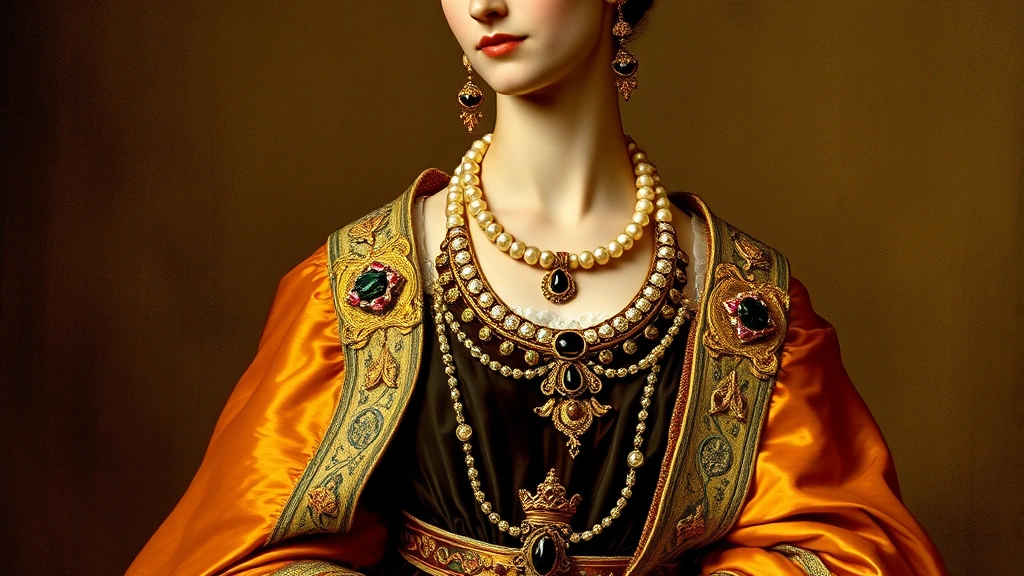
Exploring Byzantine fashion’s influence on contemporary style reveals that true innovation in fashion requires deep engagement with historical tradition. The designers creating the most compelling contemporary work consistently demonstrate sophisticated understanding of fashion history, recognizing in historical traditions like Byzantine dress principles that remain eternally relevant: the power of craftsmanship, the importance of meaningful ornamentation, the communicative function of color and material, and the spiritual dimensions of adornment.
Byzantine fashion endures not as a historical curiosity but as a living influence on contemporary design practice. When modern designers select rich jewel tones, invest in intricate embroidery, and create layered silhouettes, they’re drawing from principles developed over a thousand years ago in Constantinople. When contemporary consumers seek clothing that communicates their values and identity rather than simply covering their bodies, they’re responding to the same impulses that drove Byzantine fashion. Understanding this historical influence enriches our appreciation of contemporary fashion while demonstrating that the most powerful design innovations often involve the most sophisticated engagement with the past.
FAQ
What made Byzantine fashion so influential?
Byzantine fashion’s influence stemmed from its sophisticated integration of aesthetic, spiritual, and political meanings. The empire’s strategic position on trade routes provided access to the world’s finest materials, while court traditions of elaborate ornamentation and symbolic color use created a comprehensive design system. This systematic approach to fashion—where every element communicated specific meanings—established principles that influenced European fashion for centuries and continue inspiring contemporary designers.
Which Byzantine garments most influenced modern fashion?
The Dalmatica’s silhouette and construction influenced the development of formal tunics and robes. The Chlamys’s draped aesthetic appears regularly in contemporary formal wear and evening garments. The Loros’s complex draping techniques influenced how modern designers approach layering and scarves. Perhaps most significantly, Byzantine principles of color symbolism and ornamental richness continue shaping luxury fashion across multiple categories.
How did Byzantine designers achieve such elaborate embroidery?
Byzantine embroidery techniques involved hand-stitching gold thread, silk thread, and precious materials into complex patterns on fabric. Artisans developed specialized skills passed through apprenticeship systems, often spending years perfecting their craft. The imperial workshops maintained the highest standards, employing master craftspeople whose work was considered among the world’s finest. This commitment to technical excellence created textiles of such quality that surviving examples remain visually stunning over a thousand years later.
Why was purple so important in Byzantine fashion?
Imperial purple, derived from murex shells, required extraordinary labor to produce—approximately 12,000 shells yielded enough dye for a single garment. This scarcity made purple the ultimate luxury material, reserved exclusively for imperial use. Beyond practical rarity, purple held spiritual significance, believed to represent divine light. The color’s restriction to imperial use reinforced the emperor’s sacred status and made purple garments visual statements of absolute power and divine favor.
How can I incorporate Byzantine influences into my personal style?
Start by exploring how to find your personal style through historical references. Incorporate rich jewel tones, invest in pieces with intricate embroidery or embellishment, and explore layered silhouettes. Choose natural luxury materials like silk and linen. Consider how you combine colors—Byzantine fashion teaches that thoughtful color combinations create more powerful visual statements than random selection. Most importantly, select pieces with intention, valuing craftsmanship and meaningful design over quantity.
Where can I learn more about Byzantine fashion history?
Academic fashion history resources provide excellent foundational knowledge. Museum collections including the Metropolitan Museum of Art feature Byzantine textiles with detailed documentation. The Fashion History Timeline at FIT offers accessible overviews of Byzantine fashion’s development. Reading scholarly fashion history books and exploring fashion articles and guides provides ongoing learning opportunities.