
Bratz Passion 4 Fashion: Iconic Style Insights from the Diamondz Movie
The Bratz franchise has long been a cultural phenomenon in the fashion world, captivating audiences with its bold aesthetic, diverse characters, and trend-setting style narratives. Among its most celebrated installments, Bratz: Passion 4 Fashion Diamondz stands as a testament to the franchise’s commitment to celebrating individual expression through fashion. This movie doesn’t just showcase clothing—it embodies the philosophy that fashion is a powerful form of self-discovery and creative rebellion against conformity. The film brilliantly captures the essence of what makes the Bratz universe so compelling: the intersection of friendship, ambition, and uncompromising style.
For fashion enthusiasts and aspiring designers alike, the Diamondz movie offers invaluable lessons about personal branding, color coordination, and the courage it takes to stand apart in a world obsessed with fitting in. The characters’ journeys through the competitive fashion world mirror real challenges faced by emerging designers and style influencers today. From runway presentations to design competitions, every scene pulses with creative energy and demonstrates how fashion serves as both a mirror to our personalities and a window into our aspirations.
The Cultural Impact of Bratz Fashion
Since their debut in 2001, Bratz dolls revolutionized the fashion doll market by presenting an alternative to traditional beauty standards. Unlike their predecessors, Bratz embraced individuality, diversity, and bold fashion choices that celebrated difference rather than conformity. The franchise’s philosophy directly challenged the homogenized aesthetic that had dominated the toy industry for decades. Each character brought distinct style sensibilities: Chloe’s sophisticated elegance, Sasha’s urban edge, Jade’s artistic flair, and Yasmin’s bohemian charm created a spectrum of fashion expressions that resonated with young people seeking role models who celebrated authenticity.
The Passion 4 Fashion Diamondz installment amplified this cultural significance by placing fashion design at the narrative’s core. Rather than treating fashion as mere decoration, the movie positioned it as a legitimate art form worthy of serious competition and recognition. This elevation of fashion design parallels real-world shifts in how we view the industry—no longer just about clothes, but about cultural commentary, sustainability, and personal empowerment. The film demonstrated that how to become a fashion designer requires not just technical skill but also unwavering confidence in your vision.
From a merchandising perspective, the Diamondz collection represented a strategic expansion of the Bratz brand into premium positioning. The diamond-encrusted aesthetics, luxury color palettes, and high-fashion silhouettes signaled a maturation of the brand that appealed to both longtime fans and new audiences. This evolution mirrors how successful fashion houses develop sub-collections that cater to different market segments while maintaining core brand identity.
Understanding the Diamondz Movie Narrative
The Diamondz movie centers on a prestigious fashion competition where aspiring designers must prove their creative prowess and design philosophy. The stakes feel genuinely high—this isn’t just about winning; it’s about validating one’s artistic vision and earning a place at the table of established fashion professionals. The narrative structure brilliantly interweaves character development with fashion education, showing viewers how designers conceptualize collections, source materials, manage budgets, and handle creative differences.
What makes this story particularly resonant is how it portrays the fashion industry’s competitive landscape without losing sight of friendship and collaboration. The Bratz characters face genuine obstacles: creative blocks, resource limitations, and the pressure to compromise their vision for commercial appeal. These challenges mirror what real designers encounter when navigating the balance between artistic integrity and market viability. The movie suggests that the most successful designs emerge when creators stay true to their aesthetic while remaining open to growth and evolution.
The competition format also introduces viewers to different design specialties and fashion niches. Some characters gravitate toward avant-garde experimentation, while others excel at wearable luxury or statement-making accessories. This diversity demonstrates that fashion accommodates multiple valid approaches and that success doesn’t require conforming to a single aesthetic standard. For aspiring designers, this message proves invaluable—your unique perspective isn’t a liability; it’s your greatest competitive advantage. The film reinforces concepts taught at best fashion schools in the world, emphasizing that creativity flourishes when individuals embrace their distinctive viewpoints.
Character Style Analysis and Fashion Philosophies
Each Bratz character in the Diamondz movie embodies a distinct design philosophy that viewers can learn from. Chloe’s approach emphasizes sophisticated color theory and tailoring precision. Her designs often feature unexpected color combinations—pairing neutrals with jewel tones, or creating ombré effects that demonstrate mastery of subtle gradation. Her aesthetic teaches that luxury doesn’t require loudness; sometimes whispered elegance speaks louder than overt statements. This philosophy aligns with minimalist luxury trends that have dominated high fashion over the past decade.
Sasha’s urban-influenced designs incorporate street style elements into high-fashion contexts. She draws inspiration from architecture, graffiti, and urban geometry, translating these raw elements into refined silhouettes. Her work demonstrates how designers can elevate everyday inspiration into museum-worthy pieces. This approach reflects how contemporary fashion increasingly draws from diverse cultural sources and street-level creativity rather than solely from traditional fashion capitals.
Jade’s artistic sensibility brings painterly qualities to fashion design. She treats garments as wearable canvases, using prints, textures, and unconventional materials to create pieces that function as art installations. Her philosophy suggests that fashion design requires the same conceptual rigor and artistic vision as fine art. This perspective has gained significant traction in contemporary fashion, where designers like Vogue-featured designers increasingly position themselves as artists first and commercial designers second.
Yasmin’s bohemian-inspired creations celebrate texture, layering, and natural materials. Her designs often incorporate sustainable elements and celebrate cultural heritage through thoughtful pattern integration. Her philosophy emphasizes that fashion can be both beautiful and responsible, demonstrating early alignment with the sustainability movement that now dominates industry conversations. This approach proves particularly relevant as fashion history timeline increasingly documents the shift toward ethical and sustainable practices.
Design Elements and Aesthetic Innovations
The Diamondz collection showcases specific design techniques that merit deeper analysis. Color palette mastery emerges as a recurring strength throughout the film. The designers work with sophisticated color combinations that break conventional rules while maintaining visual harmony. Rather than relying on safe, traditional pairings, they experiment with complementary colors, triadic schemes, and unexpected neutrals. This approach teaches viewers that color theory matters as much in fashion as in fine art.
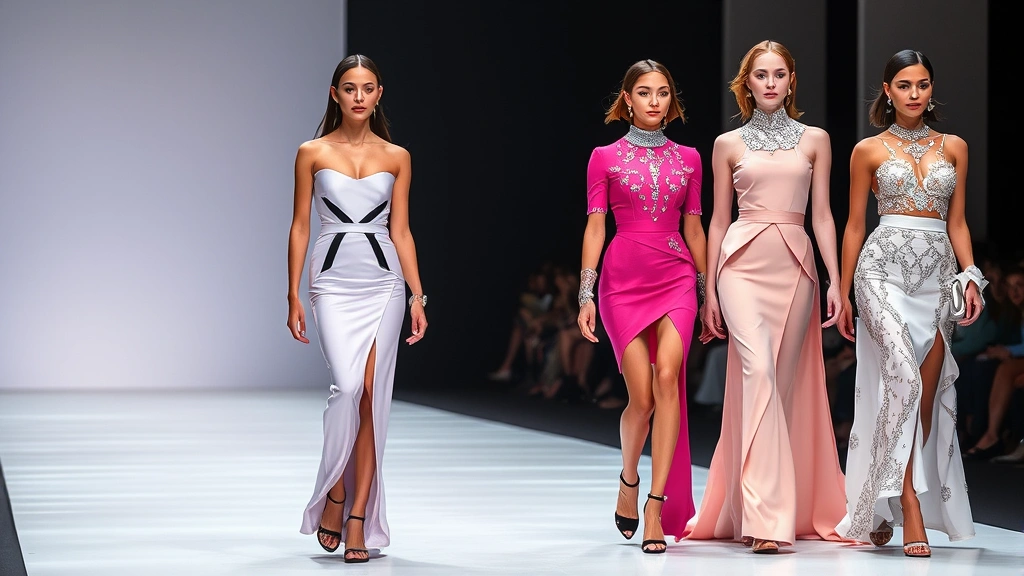
Silhouette innovation represents another key design element celebrated throughout the movie. The characters refuse to recycle tired shapes; instead, they reimagine proportions, play with volume and structure, and create pieces that feel both contemporary and timeless. Their designs often feature unexpected cutouts, asymmetrical hemlines, and architectural construction methods that require technical precision. These innovations demonstrate that silhouette development deserves the same creative attention as fabric selection or color work.
Material experimentation plays a crucial role in character differentiation. Some characters work with luxurious traditional fabrics—silk, satin, fine wool—while others incorporate unconventional materials like metallics, structured synthetics, or mixed-media elements. This diversity teaches that material choice fundamentally shapes design outcome and that innovative designers often discover breakthrough aesthetics through material experimentation. The film suggests that understanding fabric properties, drape characteristics, and construction requirements constitutes essential designer knowledge.
Accessory integration receives particular emphasis in the Diamondz narrative. Rather than treating accessories as afterthoughts, the characters develop cohesive accessory stories that enhance their garment designs. Shoes, jewelry, headpieces, and bags receive the same conceptual development as clothing pieces. This holistic approach reflects professional practice at luxury fashion houses where accessories often account for significant revenue while contributing disproportionately to brand identity.
The diamond-themed aesthetic that threads throughout the collection serves as visual metaphor for the characters’ aspiration and excellence. Diamonds symbolize durability, brilliance, and value—qualities these designers embody through their commitment to quality and their refusal to compromise creative vision. The strategic incorporation of diamond elements into designs demonstrates how conceptual themes can unify collections and create memorable brand narratives.
Lessons for Modern Fashion Enthusiasts
For anyone interested in pursuing fashion professionally, the Diamondz movie offers practical and philosophical guidance. First, embrace your unique perspective. The film repeatedly demonstrates that designers who win competitions are those who bring distinctive viewpoints rather than imitate established trends. Your personal experiences, cultural background, and individual aesthetic sensibilities constitute your greatest design assets. This principle proves especially relevant for aspiring designers considering fashion design degree programs, where developing a distinctive design voice matters as much as learning technical skills.
Second, invest in foundational skills. The Diamondz competition showcases that technical excellence matters. Characters who excel demonstrate mastery of pattern-making, garment construction, and finishing techniques. These skills form the foundation upon which creative vision builds. Without technical competence, even brilliant ideas falter in execution. The film suggests that aspiring designers should prioritize learning construction fundamentals before pursuing avant-garde experimentation.
Third, understand your consumer. Throughout the film, successful designers consider who will wear their creations and how garments will function in real life. This market awareness doesn’t diminish artistic integrity; rather, it ensures that vision translates into wearable reality. Designers who ignore practical considerations—durability, comfort, functionality—create pieces that remain unworn regardless of conceptual brilliance.
Fourth, develop a cohesive brand identity. The Bratz characters each maintain distinctive aesthetic signatures that make their work immediately recognizable. This consistency builds brand value and allows designers to command premium pricing. Developing signature elements—whether through color preferences, silhouette choices, or material selections—creates memorable brands that transcend individual collections.
Fifth, cultivate collaborative relationships. The Diamondz movie emphasizes that fashion design rarely occurs in isolation. Successful designers maintain relationships with manufacturers, pattern-makers, seamstresses, and other professionals who execute their visions. Building a reliable team of collaborators who understand and respect your design philosophy proves essential for professional success. This collaborative approach applies equally to those exploring fashion careers NYC or any other major fashion hub.
Sixth, remain open to evolution. While the film celebrates distinctive perspectives, it also shows characters growing and adapting their design philosophies. The most compelling designers in the movie aren’t those rigidly adhering to initial concepts but those willing to refine their vision based on feedback and new inspiration. This balance between conviction and flexibility enables sustainable career development.
The Legacy of Bratz in Contemporary Fashion
The Bratz franchise’s influence on contemporary fashion extends far beyond doll sales and merchandise. By celebrating diverse body types, skin tones, and style expressions, Bratz established a counter-narrative to homogenized beauty standards that had dominated consumer culture for decades. This diversity messaging proved prophetic—contemporary fashion increasingly emphasizes inclusion, representation, and the celebration of individual difference. Major fashion houses now recognize that profit and principle align when brands authentically celebrate diversity rather than tokenizing it.
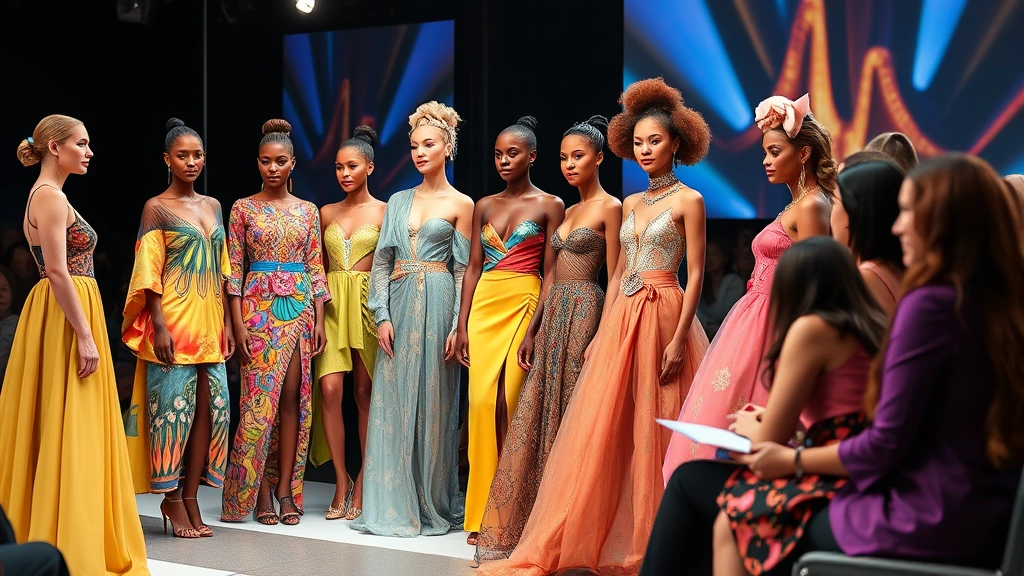
The Diamondz movie specifically positioned fashion design as an accessible aspiration for young people from diverse backgrounds. By showing characters of color leading a fashion competition, the film challenged industry narratives that positioned fashion design as an exclusive domain. This representation matters enormously—research consistently demonstrates that young people pursue careers they can envision themselves succeeding in. By showing diverse characters excelling at design, the franchise opens professional possibilities for audiences who might otherwise dismiss fashion careers as unwelcoming.
The film’s emphasis on passion and creativity over conformity aligns with contemporary movements toward authenticity in fashion. In an era of influencer marketing and social media saturation, audiences increasingly gravitate toward brands and designers who demonstrate genuine creative conviction rather than chasing trends. The Bratz philosophy—that your differences constitute your strength—resonates powerfully with generations seeking alternatives to mass-market homogeneity. This authenticity-focused approach has become central to successful fashion marketing and brand building.
The Diamondz aesthetic itself influenced subsequent fashion trends. The emphasis on luxury details, sophisticated color work, and statement-making design elements appeared throughout fashion in the years following the film’s release. Designers increasingly incorporated playful luxury elements and celebrated the kind of bold self-expression that Bratz had championed. The franchise demonstrated that youth-oriented fashion need not be disposable or trend-driven; instead, it could embody serious design principles and artistic merit.
Looking at contemporary style loom daily blog discussions and fashion commentary, the Bratz influence persists in how young designers approach their work. The emphasis on personal branding, distinctive aesthetic development, and the celebration of difference that Bratz pioneered has become industry standard. Young designers today frequently cite the franchise as formative influence on their creative development and career choices.
The franchise also demonstrated the commercial viability of fashion-forward content targeting young audiences. By treating fashion seriously—showcasing design processes, celebrating technical skill, and positioning fashion careers as legitimate aspirations—Bratz proved that youth audiences would engage with substantive fashion content. This insight influenced how fashion media subsequently approached young audiences, leading to increased investment in fashion education and career guidance content.
FAQ
What makes the Bratz Passion 4 Fashion Diamondz movie significant in fashion culture?
The Diamondz movie elevated fashion design from background narrative element to central focus, treating it with the seriousness and artistic respect typically reserved for fine art. By showcasing diverse characters excelling at design and celebrating individual creative vision, the film positioned fashion as an accessible aspiration while demonstrating that commercial success and artistic integrity need not conflict.
How do the character design philosophies in Diamondz apply to real fashion design?
Each character embodies legitimate design approaches used by professional designers: sophisticated color theory and tailoring (Chloe), street-style elevation (Sasha), fine art integration (Jade), and sustainable luxury (Yasmin). These philosophies demonstrate that successful fashion design accommodates multiple valid approaches and that distinctive perspectives constitute competitive advantages rather than liabilities.
What design techniques are highlighted throughout the Diamondz collection?
The film emphasizes color palette mastery, silhouette innovation, material experimentation, and accessory integration. These elements demonstrate that comprehensive design excellence requires attention to multiple factors simultaneously and that breakthrough designs often emerge through systematic exploration of each component.
How has Bratz influenced contemporary fashion industry practices?
Bratz pioneered the celebration of diversity, individual expression, and authenticity in fashion culture—values that have become central to contemporary practice. The franchise demonstrated that authenticity and commercial success align, influencing how brands approach marketing, representation, and creative development.
What career lessons can aspiring designers extract from the Diamondz movie?
Key lessons include: embrace your unique perspective, invest in foundational technical skills, understand your consumer, develop cohesive brand identity, cultivate collaborative relationships, and remain open to evolution. These principles apply across fashion design specializations and market segments.
How does the Diamondz aesthetic reflect broader fashion trends?
The emphasis on sophisticated color work, luxury details, and bold self-expression reflected emerging trends toward authenticity, sustainability, and individual expression in fashion. The collection anticipated and influenced subsequent fashion directions, demonstrating the franchise’s cultural significance beyond toy merchandising.