
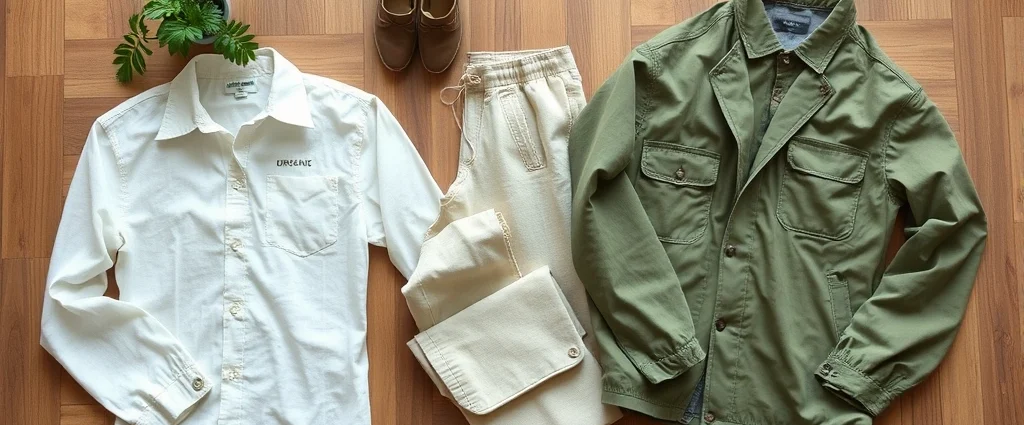
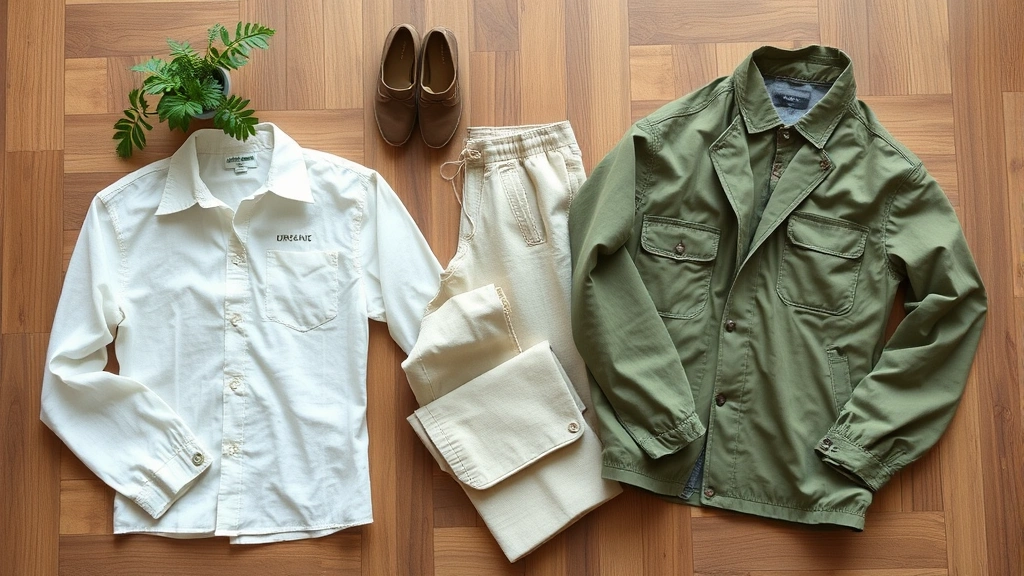
Sustainable Brands to Know: Expert Picks for Conscious Fashion
The fashion industry stands at a pivotal crossroads. While fast fashion dominates retail landscapes with its promise of trend-driven, affordable clothing, a growing movement of brands that are not fast fashion is reshaping how we think about style, quality, and responsibility. These sustainable fashion pioneers are proving that ethical production, premium materials, and timeless design don’t have to come with astronomical price tags or environmental guilt.
If you’re tired of disposable wardrobes and ready to invest in pieces that align with your values, this comprehensive guide explores the most innovative sustainable brands that industry experts are championing. From heritage labels reinventing themselves to emerging designers leading the charge, discover why conscious fashion is becoming the ultimate status symbol for style-savvy consumers worldwide.
What Defines True Sustainable Fashion
Before diving into specific brand recommendations, it’s essential to understand what separates genuine sustainable fashion from greenwashing. True sustainability encompasses environmental responsibility, fair labor practices, transparent supply chains, and commitment to longevity. Brands that are not fast fashion prioritize quality over quantity, investing in materials that withstand seasons of wear rather than weeks.
According to Vogue’s sustainability guide, authentic sustainable brands typically share several characteristics: they maintain smaller production runs, invest in ethical manufacturing partnerships, use organic or recycled materials, and maintain transparent communication about their environmental impact. These companies view clothing as investments rather than disposable commodities.
The contrast with fast fashion couldn’t be starker. While conventional retailers churn out new collections weekly, sustainable brands thoughtfully release seasonal pieces designed to complement existing wardrobes. This approach aligns perfectly with the philosophy of how to find your personal style, which emphasizes building a cohesive, meaningful wardrobe rather than chasing fleeting trends.
Heritage Brands Leading the Change
Several established luxury houses have committed significant resources to transforming their operations into sustainability leaders. Patagonia stands as the gold standard, having pioneered sustainable practices decades before they became fashionable. The outdoor apparel company uses recycled materials, supports environmental activism, and maintains complete supply chain transparency—setting benchmarks that newer brands aspire to match.
Stella McCartney revolutionized luxury fashion by eliminating animal products without sacrificing sophistication. Her eponymous label demonstrates that cruelty-free doesn’t mean compromise; instead, innovative alternatives to leather, fur, and wool showcase how creative problem-solving elevates sustainable design. McCartney’s work proves that brands that are not fast fashion can command premium positioning while maintaining ethical integrity.
Burberry has undergone remarkable transformation, committing to carbon neutrality by 2040 and eliminating fur from all collections. The British heritage house now invests heavily in regenerative agriculture and sustainable material sourcing. Similarly, Gucci’s Equilibrium Initiative demonstrates how legacy brands leverage their resources to drive industry-wide change, from responsible sourcing to circular economy initiatives.
These heritage brands possess advantages that smaller competitors lack: established distribution networks, financial resources for innovation, and brand prestige that attracts talent. Yet they also face unique challenges in transforming existing supply chains and meeting investor expectations while prioritizing sustainability. Their commitment matters because their influence shapes industry standards that smaller brands can eventually access.
Emerging Sustainable Labels to Watch
While heritage brands command attention, emerging sustainable labels are where innovation truly flourishes. Reformation has captured millennial and Gen Z consciousness by combining trendy designs with radical transparency. The Los Angeles-based brand publishes detailed environmental impact reports for each garment, allowing consumers to make informed decisions. Their success proves that sustainability and contemporary style aren’t mutually exclusive.
Everlane built its entire brand identity around radical transparency, revealing the true cost of production for every item. By cutting out middlemen and manufacturing directly, Everlane offers quality basics at accessible prices while maintaining ethical standards. This model demonstrates how innovative business structures can challenge fast fashion’s dominance without requiring luxury price points.
Veja revolutionized sneaker culture by creating high-performance footwear from sustainable materials like organic cotton and wild rubber. The Brazilian-French collaboration shows how collaboration across borders strengthens sustainability efforts while supporting diverse communities. Their aesthetic appeal to fashion-forward consumers proves that eco-consciousness attracts style-savvy buyers.
Other noteworthy emerging brands include Organic Basics, which specializes in sustainable essentials; Reformation’s sister brand Outdoor Voices, focusing on performance wear; and Allbirds, which champions materials like eucalyptus and sugarcane. These companies share a common philosophy: sustainability isn’t a premium feature but the foundation of their entire business model.
Eco-Conscious Material Innovation
Perhaps the most exciting frontier in sustainable fashion involves material science. The Ellen MacArthur Foundation’s fashion initiative highlights how innovative materials are transforming production possibilities. Lab-grown leather, mycelium-based alternatives, and regenerated fabrics from agricultural waste represent genuine breakthroughs rather than marketing gimmicks.
Deadstock fabric utilization has become increasingly sophisticated, with designers like Gabriela Hearst sourcing pre-consumer textile waste to create luxury pieces. This approach eliminates waste at the source while maintaining premium quality. Similarly, brands investing in deadstock denim—using remnants from larger production runs—prove that sustainability can enhance rather than limit creative expression.
Organic cotton cultivation, while requiring more careful farming practices, eliminates synthetic pesticides and supports farmer health. Linen and hemp, ancient fibers experiencing renaissance, require minimal chemical inputs and thrive in diverse climates. Recycled synthetics, particularly regenerated nylon from fishing nets, address ocean pollution while creating functional, beautiful textiles.
The most forward-thinking brands combine multiple sustainable materials within single garments, optimizing each component’s environmental profile. This sophisticated approach requires deeper knowledge than fast fashion’s mass-production model allows, but it’s precisely this complexity that creates competitive advantage for conscious brands. Understanding material innovation helps you make informed choices when building your wardrobe, much like developing your personal style foundation.
Building Your Sustainable Wardrobe
Transitioning to sustainable fashion doesn’t require abandoning your existing closet or breaking the bank. Instead, approach it strategically by replacing basics and frequently-worn items first. When your favorite jeans wear out, invest in a pair from a sustainable brand. When your work blazer needs replacing, choose from ethical manufacturers. This gradual transition allows your wardrobe to evolve sustainably while respecting your budget.
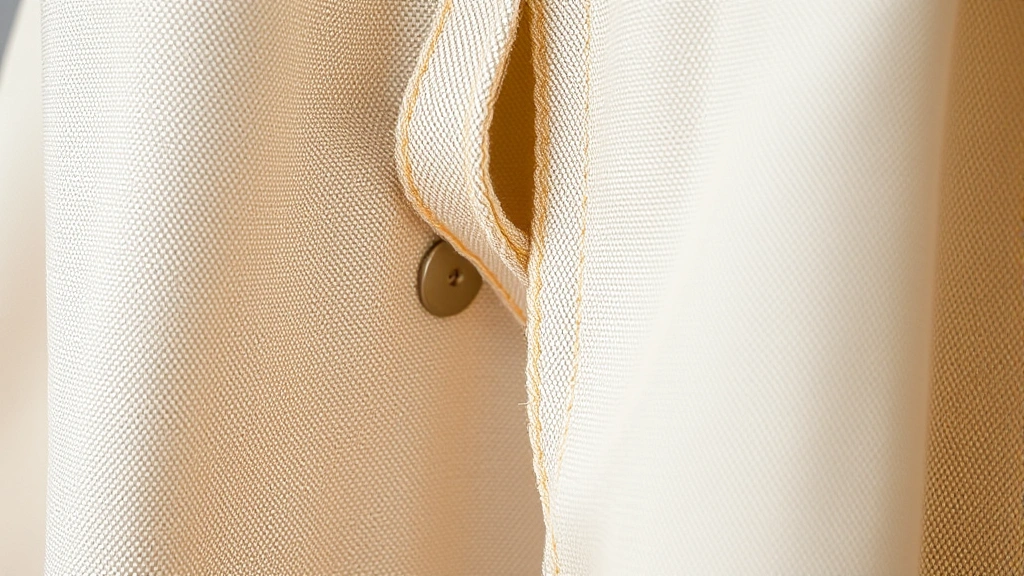
Quality assessment becomes crucial when shopping sustainable brands. Examine seam construction, fabric weight, and finishing details. Brands that are not fast fashion typically invest in superior craftsmanship visible in every stitch. A slightly higher initial cost becomes economical when a garment lasts five years instead of five months. Consider cost-per-wear calculations: a $200 organic cotton shirt worn 100 times costs $2 per wear, while a $20 synthetic shirt worn five times costs $4 per wear.
Explore StyleLoom Daily Blog for comprehensive wardrobe-building strategies and styling inspiration. Additionally, research each brand’s transparency initiatives. Legitimate sustainable companies publish environmental reports, disclose manufacturing locations, and engage in third-party certifications. Certifications like Fair Trade, GOTS (Global Organic Textile Standard), and B-Corp status provide independent verification of sustainability claims.
Consider your lifestyle and actual needs before purchasing. Sustainable fashion emphasizes intentional consumption—buying what you’ll genuinely wear rather than impulse purchases. This mindful approach aligns beautifully with discovering your authentic style preferences and building a cohesive wardrobe of pieces that work together seamlessly.
The Economics of Ethical Fashion
One persistent myth claims sustainable fashion is exclusively luxury territory. While premium brands certainly exist, numerous accessible options prove sustainability works across price points. Uniqlo’s commitment to sustainable materials, H&M’s Conscious Collection, and Zara’s Join Life initiative demonstrate that mainstream retailers increasingly embrace eco-responsibility. However, these initiatives vary in depth and authenticity, requiring careful evaluation.
The true economic advantage of sustainable brands emerges through durability and versatility. When building a wardrobe following sustainable principles, pieces are designed to coordinate across seasons and styles. This creates fewer total garments needed while maximizing outfit combinations. A capsule wardrobe approach—discussed extensively in developing personal style—naturally aligns with sustainable consumption patterns.
Supporting sustainable brands also creates positive economic ripples. Fair wages for garment workers mean better living conditions for vulnerable populations. Investment in sustainable agriculture supports farming communities. Commitment to local manufacturing strengthens regional economies. When you purchase from ethical brands, your money directly supports these positive outcomes rather than subsidizing exploitative systems.
Fashion industry experts, including those cited by Fashion United, increasingly emphasize that sustainable fashion represents smart economics rather than altruistic sacrifice. Brands investing in sustainability experience stronger customer loyalty, reduced regulatory risk, and enhanced brand prestige. This convergence of values and business sense suggests sustainable fashion will continue expanding as the dominant market force.
The resale and rental markets further enhance sustainable fashion economics. Platforms enabling secondhand luxury purchases and designer rental services allow access to premium pieces without new production. This circular economy approach maximizes garment utility while minimizing environmental impact. Many sustainable brands now operate their own resale platforms, recognizing that extending garment lifecycles aligns with their core mission.
FAQ
Are sustainable brands more expensive than fast fashion?
While initial prices may be higher, sustainable brands offer superior longevity and quality. Calculate cost-per-wear over a garment’s lifetime, and sustainable options frequently prove more economical. Additionally, numerous accessible sustainable brands compete with fast fashion pricing while maintaining ethical standards.
How can I verify a brand’s sustainability claims?
Look for third-party certifications like Fair Trade, GOTS, and B-Corp status. Research the brand’s published environmental reports, manufacturing transparency, and supply chain disclosure. Legitimate sustainable companies welcome scrutiny and provide detailed information about their practices.
What’s the difference between sustainable and ethical fashion?
Sustainable fashion emphasizes environmental responsibility—materials, production processes, and waste management. Ethical fashion prioritizes fair labor practices and worker welfare. The best brands address both dimensions simultaneously, recognizing that true responsibility encompasses environmental and human concerns.
Can I find sustainable fashion in mainstream retail?
Yes, increasingly major retailers offer sustainable collections. However, evaluate these offerings carefully. A single sustainable line doesn’t make an entire brand sustainable if other collections rely on exploitative practices. Look for company-wide commitment rather than limited collections.
How do I transition my wardrobe to sustainable fashion gradually?
Replace items as they wear out, prioritizing frequently-used basics. Research brands aligned with your values and style preferences. Build your sustainable wardrobe intentionally, focusing on pieces that coordinate with existing items. This gradual approach respects your budget while supporting positive change.
What should I do with my existing fast fashion items?
Donate gently-worn items to thrift stores, consignment shops, or clothing swaps. Repair damaged pieces to extend their lifespan. Only dispose of truly unwearable items responsibly. This approach maximizes your existing wardrobe’s value while reducing waste.
Are sustainable brands available in all sizes?
Many sustainable brands have expanded size ranges, though availability varies. Emerging brands particularly focus on inclusive sizing, recognizing that sustainability benefits all body types. Research specific brands’ offerings, and support those committed to genuine inclusivity.