Top Vintage Fashion Sites: Expert Picks for Curated Luxury & Timeless Pieces
The vintage fashion market has exploded into a sophisticated ecosystem where discerning style enthusiasts discover rare designer pieces, investment-worthy classics, and sustainable alternatives to fast fashion. Whether you’re hunting for a pristine Hermès bag from the 1990s or a showstopping Chanel jacket that screams timeless elegance, knowing where to shop is half the battle. Today’s best vintage fashion sites combine expert curation, authentication guarantees, and user-friendly interfaces to create shopping experiences that rival luxury department stores.
The resale luxury market has matured dramatically, with platforms like Farfetch, Vestiaire Collective, and TheRealReal leading the charge in transforming how fashion lovers access pre-owned designer goods. These platforms have democratized luxury shopping while championing sustainability—a win-win for your wardrobe and the planet. In this comprehensive guide, we’ll explore the most trusted vintage fashion sources, breaking down what makes each platform special and how to navigate them strategically.
Farfetch: The Luxury Marketplace Pioneer
Farfetch stands as one of the most comprehensive luxury fashion marketplaces, seamlessly blending contemporary designer pieces with an impressive vintage and pre-owned selection. What distinguishes Farfetch in the vintage space is its ability to curate selections from boutique sellers while maintaining the stringent quality standards expected from a luxury retailer. The platform has become a go-to destination for fashion professionals, stylists, and collectors seeking authenticated designer pieces with verified provenance.
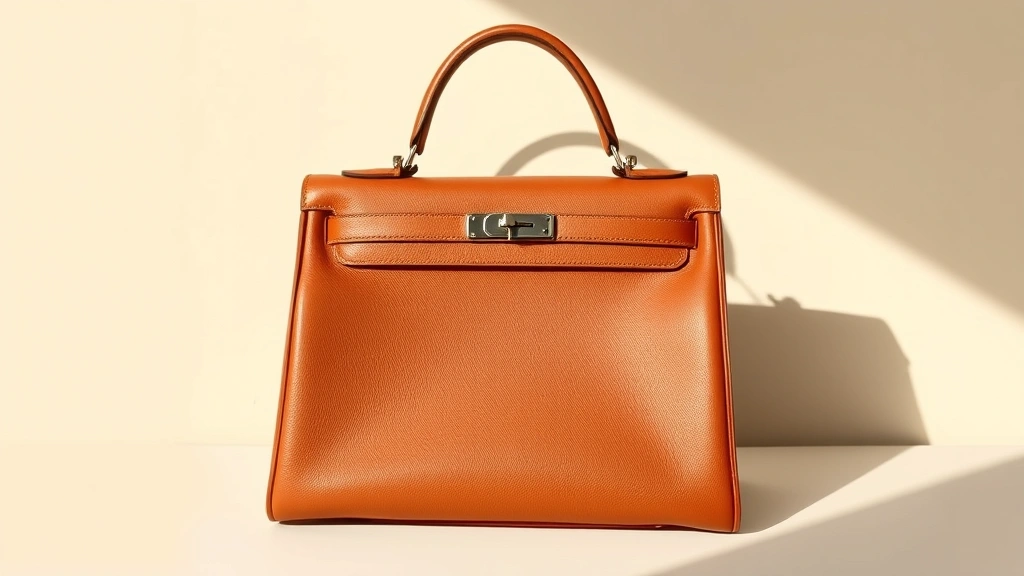
The Farfetch vintage section features an extraordinary range of categories—from iconic Hermès Birkins and Kelly bags to vintage Chanel costume jewelry and rare runway pieces. Their authentication process, handled by expert teams, ensures that every pre-owned item meets their exacting standards. Prices reflect the luxury positioning, but the investment value justifies the cost for serious collectors. The platform’s fashion style filters make it easy to browse by era, designer, and condition, creating a curated shopping experience rather than a chaotic secondhand scramble.
One major advantage is Farfetch’s integration with boutique partners worldwide, giving you access to inventory you simply won’t find elsewhere. Their detailed product photography, condition reports, and authentication certificates provide transparency that builds confidence in your purchase. The platform also offers competitive pricing compared to specialized luxury resellers, particularly for contemporary vintage pieces from the 2010s-2020s.
Vestiaire Collective: Community-Driven Vintage Fashion
Vestiaire Collective has revolutionized the vintage fashion landscape by creating a peer-to-peer marketplace that empowers individual sellers while maintaining professional standards. With over 60 million members globally, this Paris-based platform functions as a fashion social network where sellers curate their own shops, creating distinct aesthetic universes. The community aspect means you’re not just buying vintage pieces—you’re discovering fashion from the people who understand styling intimately.
What makes Vestiaire exceptional is its authentication guarantee. Items worth over €200 are inspected by trained professionals before reaching buyers, creating a safety net for high-value purchases. The platform excels in vintage designer clothing, accessories, and shoes, with particularly strong selections from European boutiques. Browsing Vestiaire feels like exploring a global network of vintage boutiques, each with its own personality and curation philosophy.
The platform’s search functionality is remarkably sophisticated, allowing you to filter by size, condition, decade, and price range. You can follow favorite sellers, get notifications when they list new items, and even negotiate prices directly. The personal style diversity on Vestiaire is unparalleled—from avant-garde Japanese designers to quintessential French classics. The community actively engages through styling tips, fashion discussions, and trend forecasting, making it more than just a marketplace.
Pricing tends to be more accessible than Farfetch, reflecting the peer-to-peer model where individual sellers set prices. This means you can negotiate on certain items, particularly if you’re purchasing multiple pieces. The international shipping options and buyer protection policies make it safe for global shoppers, though you’ll want to review seller ratings carefully.
TheRealReal: Authentication & Premium Curation
TheRealReal positions itself as the luxury consignment platform for the discerning collector, emphasizing authentication, expertise, and editorial curation. Founded in 2011, the company has established itself as the gold standard for luxury vintage and pre-owned fashion, with physical locations in major fashion capitals complementing their robust online presence. Their approach combines the trust of a high-end consignment shop with the convenience of e-commerce.
Every item on TheRealReal undergoes rigorous authentication by specialists with deep fashion expertise. For handbags, watches, and jewelry, this means detailed condition assessments, serial number verification, and expert evaluation of materials and craftsmanship. The platform publishes detailed condition reports for each item, complete with high-resolution photography showing any signs of wear. This transparency builds confidence, particularly for significant investments.
TheRealReal excels in curated collections and editorial content. Their style guides, trend reports, and expert-authored articles elevate the platform beyond a simple marketplace into a fashion resource. The fashion articles and guides regularly feature styling inspiration, investment pieces, and trend analysis. The platform also offers personal shopping services for high-value clients, bringing luxury retail expertise to the online experience.
Pricing reflects the premium positioning and rigorous authentication process. However, the investment value is exceptional—TheRealReal pieces hold their value remarkably well, and many items appreciate over time. The platform’s loyalty program rewards frequent buyers with credits and early access to coveted collections, making it worthwhile for serious collectors.
Grailed: Menswear & Streetwear Excellence
While women’s vintage fashion dominates mainstream discussions, Grailed has carved out a dominant position in menswear and streetwear vintage shopping. This Brooklyn-based platform combines the aesthetic sensibility of streetwear culture with the curation standards of luxury retail, creating a unique marketplace for discerning male fashion enthusiasts. From vintage Japanese denim to rare Supreme collaborations and classic menswear archives, Grailed offers unparalleled selection.
The platform’s strength lies in its community of knowledgeable sellers and buyers who understand quality, provenance, and value. Grailed’s marketplace features everything from vintage Levi’s 501s and Raf Simons archive pieces to rare sneakers and designer streetwear. The authentication process for high-value items provides security, while the community feedback system encourages honest transactions.
Grailed also publishes exceptional editorial content focused on men’s style, vintage trends, and fashion history. Their articles and guides help collectors understand value, authenticity markers, and styling approaches. The platform’s search functionality allows detailed filtering by brand, size, condition, and price, making it easy to find exactly what you’re seeking.
Depop: Mobile-First Vintage Discovery
Depop has transformed vintage shopping by prioritizing mobile commerce, social engagement, and visual discovery. This London-based platform functions as a social shopping app where individual sellers create storefronts showcasing their curated vintage collections. With over 30 million users, predominantly Gen Z and millennial fashion enthusiasts, Depop has become the primary vintage discovery platform for younger style-conscious consumers.
The Depop experience centers on visual storytelling. Sellers photograph items in styled contexts, create mood boards, and share their fashion philosophies through their shop aesthetic. This approach transforms vintage shopping into a discovery experience rather than a utilitarian transaction. You’re browsing through digital boutiques curated by passionate vintage enthusiasts, each with distinct style perspectives.
Pricing on Depop is highly accessible, reflecting the peer-to-peer model and younger demographic. You’ll find incredible vintage steals—authentic designer pieces at a fraction of retail prices. The platform’s social features, including the ability to follow sellers and receive notifications about new listings, create community engagement that encourages repeat browsing.
One consideration is that Depop’s authentication process is less rigorous than platforms like TheRealReal, relying more on seller ratings and buyer feedback. However, the community polices itself effectively, and Depop provides buyer protection policies. For vintage fashion enthusiasts who enjoy the hunt and have some authentication knowledge, Depop offers exceptional value and discovery potential.
Rebag & Fashionphile: Handbag Specialists
For luxury handbag enthusiasts, specialized platforms like Rebag and Fashionphile offer focused expertise that general marketplaces can’t match. These platforms dedicate their entire operation to luxury handbags, resulting in deep knowledge, exceptional curation, and specialized authentication processes. If you’re seeking a specific designer bag or building a handbag collection, these specialists deliver unmatched expertise.
Rebag functions as both a marketplace and a direct reseller, offering transparent pricing and detailed condition descriptions for thousands of luxury handbags. Their authentication process for high-value items is exceptionally thorough, and their customer service team provides expert guidance on everything from condition assessment to styling recommendations. The platform’s pricing transparency—showing comparable sales and market trends—helps buyers understand value.
Fashionphile emphasizes luxury curation and editorial content alongside their marketplace platform. They publish trend reports, styling guides, and expert articles on luxury handbag investment. The platform’s focus on authentication and condition transparency makes it ideal for significant handbag purchases. Both platforms offer buy-back programs, allowing you to upgrade your collection over time.
Expert Tips for Successful Vintage Shopping
Understanding how to navigate these platforms strategically transforms your vintage shopping experience from occasional browsing to successful collecting. Start by exploring different fashion styles to clarify what aesthetic resonates with your personal preferences. This foundation helps you evaluate pieces critically rather than becoming seduced by brand names alone.
Develop authentication knowledge by studying designer details, construction techniques, and materials. Follow luxury fashion education resources, watch authentication tutorials, and learn the specific markers that distinguish authentic pieces from counterfeits. This knowledge protects your investments and helps you identify exceptional value.
Build relationships with trusted sellers across platforms. Follow their shops, review their authentication standards, and note which sellers align with your taste level. Reputable sellers often provide detailed condition descriptions, transparent photography, and responsive communication—qualities worth prioritizing over lower prices from uncertain sources.
Understand condition terminology used across platforms. “Excellent” condition means minimal wear, while “good” condition indicates visible signs of use. Request additional photographs if descriptions seem vague. Don’t hesitate to message sellers with specific questions about damage, repairs, or authenticity markers.
Consider investment value when making significant purchases. Classic designer pieces—Hermès bags, Chanel jackets, vintage Dior—tend to hold value exceptionally well. Research comparable sales on platforms like Vestiaire to understand pricing trends. Some pieces appreciate over time, particularly limited editions or pieces from celebrated designers.
Start with smaller purchases to establish confidence with platforms and sellers. Once you understand authentication markers and condition expectations, you’ll feel comfortable investing in higher-value pieces. Use types of fashion guides to understand how vintage pieces integrate into contemporary wardrobes.
Review return policies carefully before purchasing. Most platforms offer buyer protection, but understanding specific policies protects you if a piece doesn’t meet expectations. Some platforms offer authentication guarantees; others rely on seller ratings. Prioritize platforms with transparent policies and responsive customer service.
Explore fashion history timelines to understand era-specific design elements, materials, and construction techniques. This knowledge helps you appreciate vintage pieces contextually and identify exceptional examples from specific periods. A 1950s Chanel suit carries different value than a 1990s version, and understanding why helps you make informed decisions.
Follow fashion trend forecasters and style experts for perspective on emerging vintage trends. Vogue‘s trend reporting, The Fashion Spot‘s trend analysis, and Business of Fashion‘s industry insights help you understand which vintage pieces are gaining collector interest. This awareness helps you identify emerging opportunities before prices increase.
FAQ
Is it safe to buy vintage fashion online?
Yes, when you shop on established platforms with authentication guarantees and buyer protection policies. Farfetch, Vestiaire Collective, TheRealReal, and other major platforms invest heavily in security and authentication. Start with platforms that offer detailed condition descriptions, transparent photography, and responsive seller communication. Avoid deals that seem too good to be true, as they often are.
How do I authenticate vintage designer pieces?
Learn designer-specific details including serial numbers, construction techniques, materials, and hardware quality. Study authentication resources from luxury retailers, watch expert videos, and review comparable pieces on established platforms. For significant purchases, consider professional authentication services. Most reputable platforms employ expert authenticators, providing certificates of authenticity for high-value items.
What vintage fashion pieces hold value best?
Classic designer handbags, particularly Hermès and Chanel, appreciate significantly over time. Vintage Chanel tweed jackets, designer shoes from established houses, and limited-edition pieces from celebrated designers hold value exceptionally well. Pieces in excellent condition from iconic eras—the 1950s, 1990s, and early 2000s—tend to attract collector interest and maintain or increase in value.
How do I find my personal style when shopping vintage?
Start by analyzing what you naturally gravitate toward—colors, silhouettes, eras, and designers. Review your existing wardrobe to identify patterns. Browse vintage platforms without purchasing, noting pieces that consistently appeal to you. Follow style influencers and fashion accounts that resonate with your aesthetic. Understanding your personal style prevents impulse purchases and helps you build a cohesive, investment-worthy collection.
What’s the difference between vintage and pre-owned?
Vintage typically refers to pieces from previous decades, often 20+ years old, carrying historical significance and era-specific design elements. Pre-owned simply means previously owned, which could be recent pieces or older items. Most platforms use these terms interchangeably, but understanding the distinction helps you search effectively. Vintage pieces often command premium prices due to rarity and historical value.
Should I negotiate prices on vintage platforms?
On peer-to-peer platforms like Vestiaire Collective and Depop, negotiation is often welcome, particularly for multiple purchases. Professional platforms like TheRealReal and Farfetch typically have fixed pricing reflecting their authentication and curation services. Review platform policies and seller feedback before making offers. Respectful negotiation often succeeds, especially if you’re a serious buyer.
How do I assess vintage condition accurately?
Request detailed photographs showing any wear, stains, or damage. Review condition descriptions carefully—platforms use standardized terminology. Don’t hesitate to message sellers with specific questions. Compare condition across similar pieces on multiple platforms to understand pricing. Remember that vintage pieces naturally show wear; the question is whether the wear affects wearability or value.