Where to Buy Vintage Fashion? Expert Picks for Curated Treasures
The allure of vintage fashion lies in its authenticity, craftsmanship, and the stories woven into every seam. Whether you’re hunting for a pristine 1950s Chanel jacket, a rare designer handbag from the 1980s, or timeless pieces that transcend fleeting trends, knowing where to source authentic vintage fashion is an art form itself. The vintage market has exploded in recent years, transforming from dusty thrift stores and estate sales into a sophisticated ecosystem of online platforms, boutique dealers, and luxury marketplaces that cater to discerning fashion enthusiasts worldwide.
In this comprehensive guide, we’ll unveil the best sources for vintage fashion, from established luxury platforms to emerging digital marketplaces. Whether you’re a seasoned collector or embarking on your first vintage shopping adventure, these expert-vetted destinations will help you navigate the thriving world of pre-owned luxury and timeless pieces. Understanding the nuances of each platform—from authentication processes to pricing structures—is essential for making informed purchases that align with your aesthetic sensibilities and budget.
Luxury Resale Platforms: The Gold Standard
Vestiaire Collective stands as one of the most comprehensive vintage and pre-owned fashion marketplaces globally, with millions of listings spanning multiple decades and designers. This Paris-based platform has revolutionized how fashion enthusiasts buy and sell authenticated luxury pieces. Their rigorous authentication process ensures that every item meets stringent quality standards, providing peace of mind for buyers investing in high-value pieces. The platform features everything from contemporary designer bags to rare vintage haute couture, making it an essential destination for serious collectors.
TheRealReal has emerged as the luxury resale leader in North America, offering a curated selection of authenticated vintage and contemporary designer items. What sets TheRealReal apart is their meticulous authentication process conducted by expert appraisers, combined with a seamless user experience and competitive pricing. Their physical locations across major cities allow for in-person browsing, while their digital platform provides detailed photography and expert descriptions. The company’s commitment to sustainability aligns perfectly with the values of conscious fashion consumers who appreciate vintage’s environmental benefits.
Farfetch, while primarily known as a contemporary luxury retailer, has significantly expanded its vintage section in recent years. Their curated vintage selection partners with independent boutiques and authenticated dealers, creating a diverse marketplace that combines the convenience of a major platform with the expertise of specialized vintage merchants. Farfetch’s integration with their main luxury inventory allows shoppers to discover vintage pieces alongside new collections, making it ideal for those seeking a comprehensive luxury shopping experience.
Grailed caters specifically to men’s vintage fashion enthusiasts, offering an impressive array of streetwear, heritage brands, and designer pieces. This community-driven platform has cultivated a devoted following among style-conscious men seeking rare and discontinued items. The platform’s authentication services and seller ratings provide transparency, while the vibrant community forum offers styling advice and product knowledge from passionate collectors.
Explore our comprehensive guide on types of fashion to better understand how vintage fits into the broader fashion landscape and influences contemporary style movements.
Specialized Vintage Boutiques Online
Etsy’s Vintage Category has transformed into a treasure trove for vintage fashion seekers, with thousands of independent sellers offering curated collections. While quality varies among sellers, the platform’s review system and buyer protection policies provide security. Many Etsy vintage shops specialize in specific eras—1920s flapper dresses, 1970s bohemian wear, or 1990s minimalism—allowing collectors to focus their searches. The platform’s relatively lower price points compared to luxury resale sites make it perfect for budget-conscious vintage shoppers.
Depop has revolutionized vintage fashion shopping, particularly among Gen Z and millennial consumers. This mobile-first platform emphasizes community, with sellers often providing styling tips and personal narratives about their items. Depop’s social features—like following sellers, liking items, and direct messaging—create an engaging shopping experience that transcends traditional e-commerce. The platform excels in streetwear, Y2K fashion, and contemporary vintage pieces that appeal to younger fashion enthusiasts.
Vestiaire Collective’s Boutique Partners include some of the world’s most respected vintage dealers who maintain independent shops while leveraging the platform’s infrastructure. These partnerships bring institutional expertise to online shopping, ensuring authenticity and quality. Many boutique partners specialize in particular eras or designer houses, offering deep curation that appeals to serious collectors.
Dover Street Market Online has curated a thoughtful vintage section featuring pieces from their physical locations and partner boutiques. Known for their sophisticated eye and trend-setting approach, Dover Street Market’s vintage selection reflects the same editorial sensibility that has made their physical stores iconic. Prices reflect the prestige of the brand, but the quality and rarity of pieces justify the investment.
Understanding different fashion styles helps you identify vintage pieces that complement your personal aesthetic and elevate your overall wardrobe composition.

Auction Houses and Estate Sales
Christie’s and Sotheby’s Fashion Auctions represent the pinnacle of vintage fashion acquisition, offering museum-quality pieces and rare designer collections. These prestigious auction houses attract serious collectors and fashion institutions, ensuring competitive bidding and authentic provenance. While prices can be astronomical, the guarantee of authenticity and the historical significance of pieces make these venues invaluable for building serious collections. Both houses now offer online bidding, making participation accessible to international collectors.
Invaluable provides access to thousands of auction houses worldwide, including specialized vintage fashion sales. This aggregation platform allows collectors to discover regional auctions that might otherwise remain unknown, often yielding exceptional finds at competitive prices. The platform’s authentication standards vary by auction house, so due diligence is essential.
Local Estate Sales and Auctions remain goldmines for vintage fashion discovery, particularly in affluent neighborhoods and historic cities. Estate liquidators often undervalue fashion items, creating opportunities for knowledgeable shoppers. Attending previews allows for hands-on inspection, and building relationships with local auctioneers can provide advance notice of exceptional collections. This approach requires patience and local knowledge but often yields the most rewarding finds.
Auction.com Fashion Sections feature vintage pieces from various sellers, combining the auction format with broader accessibility. The competitive bidding environment ensures fair pricing, while detailed lot descriptions and photography provide transparency. Registering with auction platforms ahead of time streamlines the purchasing process.
Social Commerce and Emerging Marketplaces
Instagram Shopping and Vintage Fashion Influencers have created a new paradigm for vintage discovery. Many established vintage dealers and individual collectors maintain Instagram shops showcasing their latest acquisitions. Following these accounts provides real-time access to inventory while supporting independent merchants. The visual nature of Instagram makes it ideal for fashion discovery, and direct messaging allows for personalized service and custom searches.
TikTok Vintage Fashion Community has emerged as a powerful discovery engine, with content creators showcasing styling ideas, haul videos, and vintage shopping tips. While purchasing directly through TikTok remains limited, the platform drives traffic to established marketplaces and independent shops. Engaging with this community provides inspiration and education about vintage fashion trends and values.
Facebook Marketplace and Buy/Sell Groups offer local vintage fashion opportunities with reduced shipping costs and the ability to inspect items before purchase. While lacking the authentication guarantees of major platforms, these venues often feature exceptional deals from sellers unfamiliar with market values. Building relationships with local sellers can provide exclusive access to collections before public listing.
Rebag and Vestiaire Collective for Handbags specialize in luxury handbag authentication and resale, offering dedicated platforms for those passionate about designer bags. These specialized marketplaces provide expert appraisals, detailed condition reports, and authentication certificates that appeal to serious handbag collectors. The focused inventory allows for deeper expertise and more transparent pricing.
To develop a cohesive vintage wardrobe, understanding how to find your personal style ensures that vintage pieces enhance your overall aesthetic rather than feeling disconnected from your contemporary wardrobe.
Tips for Successful Vintage Shopping
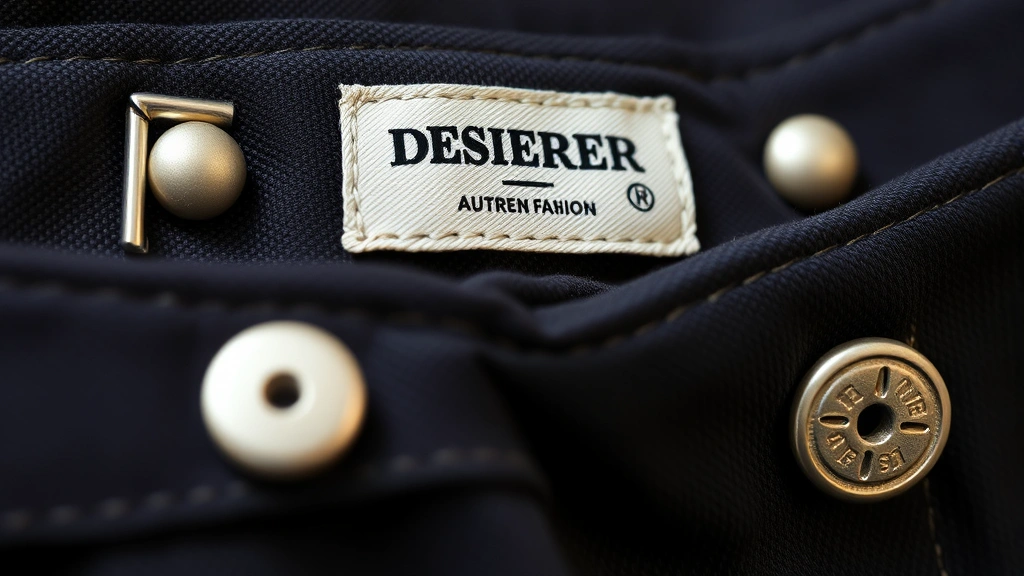
Authentication and Verification represent the cornerstone of successful vintage purchasing. Familiarize yourself with authentication markers for your preferred designers—stitching quality, hardware weight, fabric composition, and label variations. Request detailed photographs from sellers, particularly of tags, linings, and any flaws. Reputable platforms provide authentication services; utilize these guarantees to protect your investment. When purchasing from independent sellers, don’t hesitate to request additional information or decline items that lack sufficient documentation.
Understanding Condition Grading is essential for managing expectations. Vintage fashion employs standardized condition terminology: pristine, excellent, very good, good, and fair. Each category carries specific implications for wearability and value. A “good” condition vintage Hermès scarf may feature slight color variation or minimal wear, while “excellent” suggests minimal signs of use. Understanding these distinctions prevents disappointment and ensures appropriate pricing expectations.
Building Relationships with Sellers often yields superior results and opportunities. Engaging with boutique owners, auctioneers, and individual collectors creates access to pieces before public listing. Providing constructive feedback, returning as a repeat customer, and respecting sellers’ expertise builds trust that translates into better service and pricing. Many established dealers maintain waiting lists for specific items or eras when they know a collector’s preferences.
Seasonal Shopping Strategies can significantly impact acquisition costs. End-of-season sales on vintage platforms often feature price reductions on items that didn’t sell quickly. Conversely, immediately before seasonal transitions, sellers may undervalue pieces they’re eager to move. Monitoring price trends on specific items you desire allows strategic purchasing when values dip.
Documentation and Provenance matter increasingly in the vintage market. Pieces accompanied by original receipts, authentication certificates, or documented celebrity ownership command premium prices. As you build your collection, maintain detailed records of purchases, including photographs, condition assessments, and seller information. This documentation protects your investment and facilitates future resale.
Explore the fashion style guide to understand how vintage pieces can anchor contemporary looks and create timeless personal style statements that transcend fleeting trends.
Size and Fit Considerations require special attention when shopping vintage. Sizing standards have shifted dramatically over decades; a vintage size 8 may fit very differently than contemporary sizing. Request detailed measurements from sellers rather than relying on labeled sizes. Understanding your measurements in inches or centimeters ensures accurate fit assessment. Many vintage pieces feature adjustable elements—hemmed pants can be let down, fitted garments can be tailored—but alterations add cost and may compromise the piece’s integrity.
Sustainability and Ethical Shopping represent core motivations for many vintage fashion enthusiasts. Choosing vintage over new reduces textile waste, minimizes water consumption, and decreases carbon emissions associated with manufacturing and shipping. Supporting independent vintage dealers and smaller platforms often provides more direct environmental and social impact than purchasing from fast fashion retailers. The longevity of well-made vintage pieces—often outlasting contemporary garments by decades—amplifies these sustainability benefits.
Investment Potential and Resale Value merit consideration for significant purchases. Certain designers, eras, and styles appreciate over time, particularly limited-edition pieces from influential designers. Researching comparable sales across platforms provides insight into market values and appreciation trends. While not all vintage purchases should be viewed as investments, understanding value trajectories helps make informed decisions about premium pieces.
FAQ
What’s the difference between vintage, retro, and pre-owned fashion?
Vintage typically refers to clothing at least 20-30 years old, representing specific eras with historical significance. Retro describes contemporary pieces inspired by vintage aesthetics without being actual vintage items. Pre-owned encompasses any previously owned items regardless of age, including recent designer pieces. Understanding these distinctions helps shoppers find exactly what they’re seeking and manage pricing expectations.
How can I verify authenticity when buying vintage online?
Request multiple high-resolution photographs including tags, linings, hardware, and any identifying marks. Research authentication guides specific to your desired designer. Utilize platforms offering authentication guarantees and services. When significant value is involved, consider professional authentication services. Building relationships with reputable sellers and reading detailed reviews provides additional confidence in authenticity claims.
Are luxury resale platforms like Vestiaire Collective and TheRealReal worth the premium pricing?
Yes, for significant purchases. These platforms’ authentication guarantees, buyer protection policies, and condition transparency justify premium pricing compared to unvetted marketplaces. The security and peace of mind align with investment-level purchases. For lower-value items, specialized boutiques or emerging platforms may offer better value without sacrificing quality assurance.
What era of vintage fashion offers the best value currently?
1990s and early 2000s pieces currently represent exceptional value, as these eras gain cultural relevance among younger consumers. 1980s designer pieces remain undervalued relative to their craftsmanship and quality. The most expensive vintage typically includes 1950s couture, iconic 1970s bohemian pieces, and rare designer bags from any era. Strategic collectors capitalize on undervalued eras before market corrections occur.
How do I start building a vintage wardrobe without overwhelming myself?
Begin by identifying your personal style preferences and desired eras. Purchase one or two statement pieces that genuinely excite you rather than pursuing completeness. Develop relationships with 2-3 trusted sellers whose aesthetic aligns with yours. Allow your collection to evolve organically as you discover pieces that resonate. Quality over quantity ensures your vintage pieces integrate seamlessly into your contemporary wardrobe rather than feeling like costume pieces.
For deeper understanding of how vintage fashion integrates into broader style movements, consult the complete fashion history timeline, which contextualizes vintage pieces within fashion’s evolutionary narrative and demonstrates their enduring relevance.
The world of vintage fashion shopping offers extraordinary opportunities for those willing to invest time in learning platforms, building seller relationships, and understanding authentication and value markers. Whether you’re seeking investment-grade pieces, sustainable wardrobe solutions, or simply authentic garments imbued with history and character, the platforms and strategies outlined here provide pathways to successful collecting. The most rewarding vintage finds often come from patience, curiosity, and genuine passion for fashion’s rich heritage. Start exploring today and discover the pieces that will become treasured components of your personal style narrative.