Top Bitters for Old Fashioned: Mixologist Insights & Style Guide
The Old Fashioned stands as one of cocktail culture’s most iconic drinks, and selecting the right bitters transforms it from merely good to absolutely exceptional. Just as finding your personal style requires understanding the fundamentals, mastering bitters selection demands knowledge of flavor profiles, quality ingredients, and mixology technique. Whether you’re a home bartender refining your craft or a cocktail enthusiast seeking to elevate your entertaining game, understanding which bitters work best for this timeless classic is essential.
The beauty of the Old Fashioned lies in its elegant simplicity—whiskey, sugar, water, and bitters combine to create something far greater than the sum of its parts. Yet this minimalist approach means every ingredient matters profoundly. The bitters you choose become the flavor foundation, the aromatic soul that distinguishes a forgettable drink from one that lingers in memory. As you explore the world of premium bitters, you’ll discover that this journey mirrors the process of developing a sophisticated personal aesthetic, where quality and intentionality elevate everything.
Understanding Bitters: The Essential Foundation
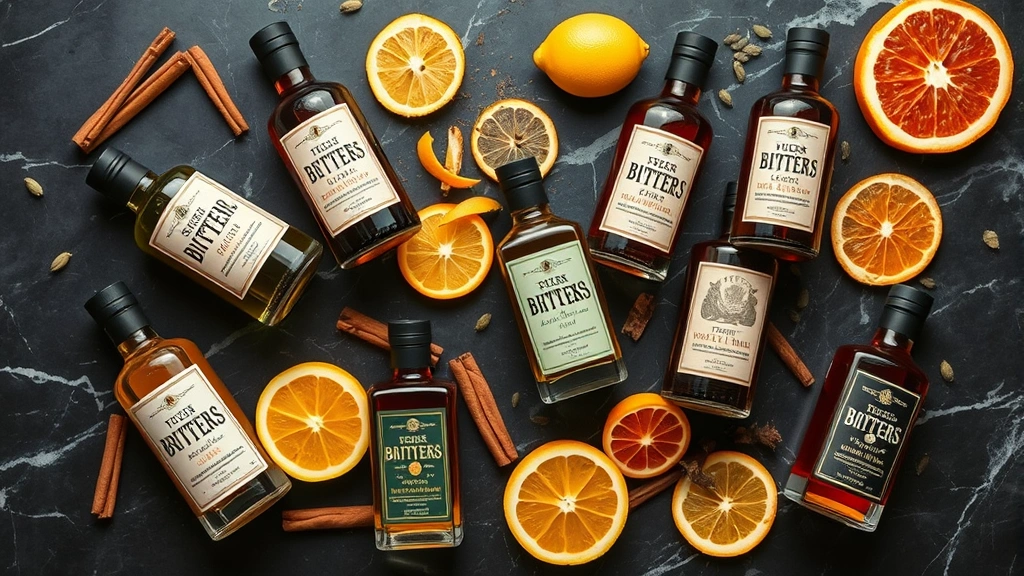
Bitters represent concentrated botanical infusions that add depth, complexity, and balance to cocktails. Created through steeping herbs, spices, bark, and roots in alcohol, these potent elixirs contain flavors ranging from aromatic and herbal to spicy and citrusy. Unlike casual bartenders, professional mixologists understand that bitters aren’t mere garnish—they’re foundational ingredients that define a drink’s character and sophistication.
The history of bitters traces back to the 19th century when pharmacists and chemists created medicinal tonics that eventually found their way into cocktails. This heritage explains why quality bitters maintain complex flavor profiles rather than simple one-note tastes. When crafting an Old Fashioned, bitters serve multiple purposes: they provide aromatic complexity, aid in sugar dissolution, and create the drink’s signature spice-forward finish that makes it so crave-worthy.
Understanding the chemistry behind bitters helps you make informed selections. Most quality bitters contain 35-45% alcohol by volume, allowing them to preserve delicate botanical essences while remaining shelf-stable indefinitely. This stability means your investment in premium bottles pays dividends across countless cocktails. The best bitters feature balanced formulations where no single flavor overwhelms, creating instead a harmonious blend that complements rather than competes with your chosen whiskey.
Classic Angostura: The Timeless Standard
When discussing the best bitters for Old Fashioned, Angostura inevitably emerges as the gold standard. This Venezuelan bitters, created in 1824, remains the most recognized and respected option worldwide. The iconic oversized label on the undersized bottle has become synonymous with classic cocktail culture, and for excellent reason—the flavor profile simply works beautifully in an Old Fashioned.
Angostura’s formula combines 19 secret ingredients including cardamom, cinnamon, clove, and other warming spices that create a complex aromatic profile. These spices naturally complement whiskey’s vanilla and caramel notes while adding the herbal undertones that make the drink memorable. The bitters’ slight bitterness and aromatic intensity mean you need only 2-4 dashes per cocktail, making a single bottle last through dozens of drinks.
The reason Angostura dominates Old Fashioned recipes relates to its perfect balance of intensity and subtlety. It doesn’t overpower the whiskey or sugar elements but rather enhances them, much like how different fashion types complement each other through thoughtful pairing. Professional bartenders appreciate Angostura’s consistency—every bottle delivers identical results, allowing them to maintain perfect drink standards across service. For home bartenders seeking reliability and proven results, Angostura remains the safest choice and rightfully earns its place as the classic option.
Exploring Premium Alternatives & Boutique Options
While Angostura reigns supreme, the modern cocktail renaissance has inspired talented producers to create innovative bitters that offer compelling alternatives. These premium options provide opportunities to customize your Old Fashioned experience and discover nuanced flavor combinations that reflect your personal taste preferences, much like exploring different fashion styles reveals your aesthetic preferences.
Peychaud’s Bitters represent the second pillar of classic American bitters. Created in New Orleans during the 1830s, Peychaud’s features anise as its dominant note, lending a subtle licorice quality that some find more elegant than Angostura’s spice-forward profile. While traditionally associated with Sazeracs, Peychaud’s creates an intriguing Old Fashioned variation that appeals to drinkers preferring lighter, more delicate botanicals.
Fee Brothers Old Fashioned Bitters were specifically formulated for this drink, containing additional vanilla and citrus elements that enhance the cocktail’s inherent sweetness. These bitters work beautifully with bourbon-based Old Fashioneds, creating rounder, more dessert-forward drinks that appeal to those preferring less austere flavor profiles. The vanilla notes particularly shine when combined with wheated bourbons.
The Bitter Truth Aromatic Bitters offer German precision and craftsmanship, featuring a balanced blend of spices without the pronounced cardamom character of Angostura. Many mixologists prefer these bitters for their cleaner finish and slightly drier profile, which works exceptionally well with high-proof rye whiskeys where you want bitters to enhance rather than dominate.
Regan’s Orange Bitters represent a category shift—citrus-forward rather than spice-dominant. While not traditional Old Fashioned bitters, adding 2-3 dashes alongside your primary bitters creates sophisticated complexity. This layering approach has become increasingly popular among craft bartenders seeking to showcase whiskey’s subtle characteristics.
Regional & Artisanal Bitters for Sophisticated Palates
The craft spirits movement has inspired countless artisanal producers creating small-batch bitters that reflect regional ingredients and personal creative visions. These boutique options allow discerning home bartenders to craft truly distinctive Old Fashioneds that reflect their individual style and preferences, embodying the same intentionality found in developing a refined fashion style.
Dashfire Old Fashioned Bitters represent a modern American approach, combining traditional spices with subtle oak and vanilla notes that bridge the gap between classic and contemporary. Created by expert mixologists, these bitters demonstrate how professional bartenders approach home bar product development, focusing on versatility and reliability alongside innovation.
Bitter End Bitters from New York offer exceptional quality and distinctive flavor profiles. Their aromatic blend features more prominent cinnamon and less cardamom than Angostura, appealing to those preferring warmer spice notes. Many cocktail enthusiasts maintain both Angostura and Bitter End in their collections, using each for different whiskey styles and personal mood preferences.
Scrappy’s Aromatic Bitters showcase California craft sensibilities with carefully selected botanicals including Seville orange peel, cardamom, and various warming spices. These bitters deliver remarkable complexity while maintaining clean, bright characteristics that let quality whiskey shine through. The brand’s commitment to small-batch production ensures consistency and freshness, with each bottle dated for optimal flavor.
Beyond established brands, visiting local craft distilleries and specialty cocktail shops often reveals hidden gems—locally-produced bitters created by passionate artisans. These discoveries add adventure to your Old Fashioned experience while supporting small businesses. Many bartenders maintain relationships with local producers, rotating seasonal or limited-edition bitters to keep their cocktail menus fresh and exciting.
Building Your Home Bar Bitters Collection
Creating a well-rounded bitters collection requires thoughtful curation based on your drinking preferences and the spirits you favor. Rather than accumulating every available option, develop a strategic collection that provides versatility while remaining manageable and focused, similar to how understanding fashion history helps you make intentional style choices.
The Essential Foundation: Begin with Angostura aromatic bitters as your cornerstone. This single bottle handles 90% of Old Fashioned scenarios, providing reliable, proven results that satisfy most palates. Its versatility across whiskey types—bourbon, rye, scotch—means you’re never making a wrong choice, though you may discover preferences as your palate develops.
The Sophisticated Second: Add either Peychaud’s or Fee Brothers Old Fashioned Bitters depending on whether you prefer the anise-forward profile or the vanilla-enhanced approach. This second option allows experimentation without overwhelming your collection. Spend time comparing these alternatives with your favorite whiskeys, noting which combinations create the most harmonious results.
The Citrus Wildcard: Include a bottle of quality orange or grapefruit bitters for occasional experimentation. Regan’s remains the gold standard, but several excellent alternatives exist. These citrus options transform your Old Fashioned into something entirely different—lighter, brighter, more refreshing—providing welcome variation during warmer months.
The Artisanal Accent: Once you’ve established your foundation, explore one premium artisanal option that appeals to your taste sensibilities. Perhaps you’re drawn to the German precision of The Bitter Truth, or the California craft ethos of Scrappy’s. This choice reflects your personal style and commitment to quality, allowing your home bar to express your individual aesthetic preferences.
Storage & Longevity: Bitters remain shelf-stable indefinitely due to their high alcohol content, but proper storage preserves their aromatic qualities. Keep bottles in cool, dark places away from direct sunlight, which can fade colors and degrade delicate botanicals. Most quality bitters remain at peak flavor for 5-10 years, though many bartenders find older bottles develop additional complexity.
Mixing Techniques & Best Practices
Selecting excellent bitters represents only half the equation; proper technique ensures you extract maximum flavor from your chosen product. Professional bartenders understand that bitters application requires the same precision and intentionality you’d apply to any craft endeavor.
The Proper Dash: Most recipes call for 2-4 dashes of bitters per Old Fashioned, but understanding what constitutes a dash matters significantly. A true dash—not a splash or shake—delivers approximately 1/8 teaspoon, or roughly 6-8 drops. Quality bitters bottles feature specially designed caps that deliver consistent dashes, making measurement straightforward. Never eyeball bitters application; the difference between 2 and 4 dashes transforms your drink’s flavor profile substantially.
Timing & Temperature: Add bitters early in the mixing process, before substantial dilution occurs. When building your drink over ice, add bitters after the whiskey but before water or ice, allowing the concentrated botanicals to distribute thoroughly. The temperature of your mixing vessel matters too—pre-chilled glassware ensures proper dilution rates and prevents excessive melting that would water down your drink.
Layering & Combination: Advanced mixologists often combine multiple bitters, using Angostura as the base while adding 1-2 dashes of a complementary option. This layering approach creates complexity that single-bitters drinks cannot achieve. Experiment with combining Angostura with orange bitters, or Fee Brothers Old Fashioned Bitters with a single dash of Peychaud’s, discovering combinations that align with your whiskey selection and personal preferences.
Whiskey Selection Synergy: Different whiskeys pair optimally with different bitters profiles. High-proof rye whiskeys shine with The Bitter Truth or other cleaner aromatic bitters that don’t compete with the whiskey’s spicy character. Wheated bourbons benefit from vanilla-forward options like Fee Brothers, which enhance the bourbon’s natural sweetness. Scotch Old Fashioneds work beautifully with Angostura or Peychaud’s, which add aromatic depth without clashing with the whiskey’s smoky notes.
Water Quality & Dilution: While bitters dominate flavor discussions, water quality significantly impacts your final product. Use filtered or bottled water rather than tap water, which may contain chlorine or mineral flavors that distract from your carefully selected bitters. The ice you use matters equally—large, clear cubes melt slowly, providing proper dilution without excessive watering down.
Garnish Coordination: Your bitters choice should inform your garnish selection. Spice-forward bitters pair beautifully with flamed orange twists, which amplify the aromatic qualities. Anise-dominant bitters work wonderfully with cherry garnishes, which complement the licorice notes. This holistic approach to drink construction—considering bitters, whiskey, water, ice, and garnish as an integrated whole—separates exceptional home bartenders from casual drinkers.
FAQ
What’s the difference between aromatic and orange bitters?
Aromatic bitters like Angostura feature complex spice and herb profiles with subtle bitterness, while orange bitters emphasize citrus flavors with gentler spice backgrounds. Aromatic bitters work as primary ingredients in Old Fashioneds, whereas orange bitters typically serve as secondary additions providing brightness and complexity. Most bartenders use aromatic bitters as their foundation and orange bitters as optional accents.
Can I make Old Fashioned bitters at home?
Yes, many enthusiasts create homemade bitters by steeping botanicals like gentian root, cardamom, cinnamon, and orange peel in high-proof spirits for several weeks. However, this requires careful ingredient sourcing, sterile technique, and experimentation to achieve professional-quality results. For most home bartenders, purchasing established brands provides superior consistency and flavor compared to homemade versions, though DIY projects offer educational value and creative satisfaction.
How many dashes of bitters should I use?
Traditional Old Fashioned recipes call for 2-4 dashes, depending on your bitters intensity and personal preference. Start with 2 dashes, taste, and adjust upward if desired. Different bitters potencies mean Angostura might require only 2 dashes while some boutique options need 3-4 for comparable flavor impact. Finding your perfect ratio takes experimentation but becomes second nature with practice.
Do bitters expire or go bad?
Bitters rarely expire due to their high alcohol content and shelf-stable nature. However, exposure to direct sunlight or extreme temperatures can degrade delicate botanicals over years. Properly stored bitters maintain peak flavor for 5-10 years, though many bartenders find older bottles develop interesting complexity. Check appearance and aroma before using aged bottles, but don’t hesitate to use bitters several years old if stored correctly.
Which bitters work best with specific whiskey types?
Bourbon pairs beautifully with Angostura or Fee Brothers Old Fashioned Bitters, which complement bourbon’s vanilla and caramel notes. Rye whiskey shines with The Bitter Truth or cleaner aromatic bitters that don’t overpower the whiskey’s spicy character. Scotch Old Fashioneds work wonderfully with Angostura or Peychaud’s, which add aromatic depth without clashing with the whiskey’s smoke and peat characteristics. Experiment to discover your preferred combinations.
Should I use the same bitters for every Old Fashioned?
While consistency provides reliability, varying your bitters selection based on the whiskey, occasion, and your mood creates interesting experimentation opportunities. Maintaining 2-3 quality options allows customization while avoiding overwhelming your collection. Many experienced bartenders rotate bitters selection intentionally, using different options for different whiskey styles or seasons, treating their home bar like a curated wardrobe.