90s Grunge Fashion Revival: Expert Insights
The 90s grunge movement wasn’t just a fashion trend—it was a cultural rebellion that fundamentally transformed how we dress and express ourselves. From Kurt Cobain’s thrifted flannel shirts to the deliberately disheveled aesthetic that dominated Seattle’s music scene, authentic 90s grunge fashion represented a rejection of excess and a celebration of raw authenticity. Today, as fashion cycles inevitably return to their roots, this iconic era is experiencing a powerful resurgence, captivating a new generation of style enthusiasts who crave the genuine, anti-establishment ethos that defined the decade.
What makes the current 90s grunge revival particularly fascinating is how it differs from previous nostalgic interpretations. Modern fashion enthusiasts aren’t simply copying vintage pieces—they’re understanding the philosophy behind grunge, embracing its core values of authenticity, sustainability, and individualism. Whether you’re a longtime devotee or newly discovering the appeal of this transformative aesthetic, understanding what makes authentic 90s grunge fashion truly special will help you navigate this exciting trend with confidence and style.
The Origins and Philosophy of 90s Grunge
Understanding authentic 90s grunge fashion requires traveling back to the early 1980s Seattle music scene, where bands like The Melvins, Green River, and eventually Nirvana were forging a new sound that would captivate the world. The fashion emerged organically from the musicians and fans themselves, not from high-fashion designers dictating trends from runway shows. This grassroots origin story is crucial to grasping what makes grunge fundamentally different from other fashion movements.
The philosophy behind grunge was inherently anti-fashion in the traditional sense. Musicians wore what was comfortable, affordable, and available—often piecing together outfits from thrift stores, hand-me-downs, and discount retailers. There was no conscious effort to create a cohesive aesthetic; rather, the look developed naturally from practical necessity and personal preference. This authenticity is what gave grunge its raw power and cultural significance. As noted by Vogue’s fashion historians, grunge represented the first major youth movement where fashion followed culture rather than the reverse.
The movement rejected the conspicuous consumption of the 1980s, with its power suits, shoulder pads, and designer logos prominently displayed. Grunge embraced the opposite: worn-in clothes, visible imperfections, and a studied indifference to luxury branding. This wasn’t poverty fashion, as critics sometimes claimed, but rather a deliberate choice to prioritize authenticity and individuality over status symbols. Understanding this philosophical foundation is essential when exploring different fashion styles and their cultural contexts.
Essential Pieces for Authentic Grunge Style
Building an authentic 90s grunge wardrobe requires understanding which pieces form the foundation of the aesthetic. Unlike many fashion movements that rely on specific, limited items, grunge actually encourages mixing and matching various pieces to create unique combinations. However, certain key items consistently appear in authentic grunge outfits.
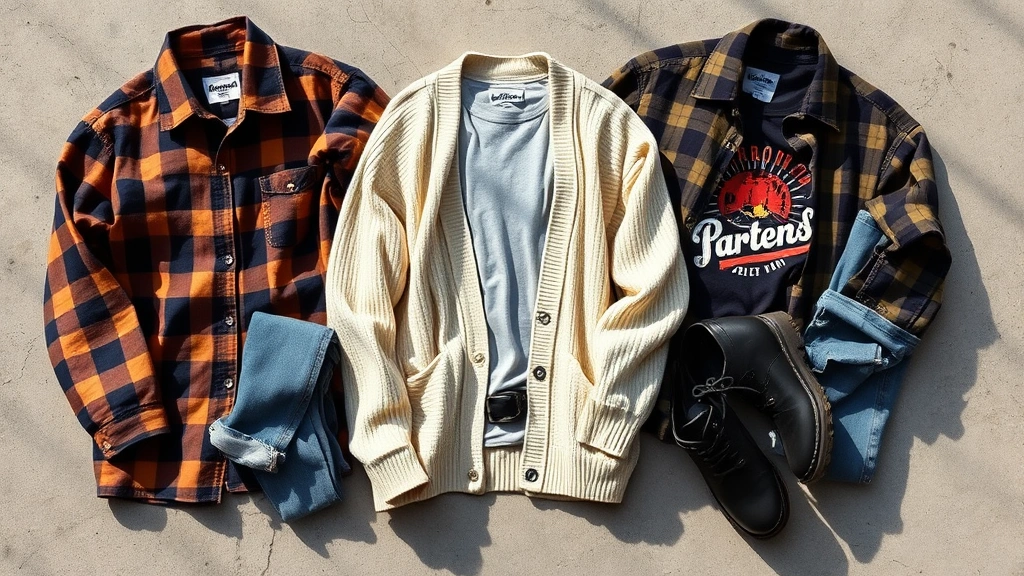
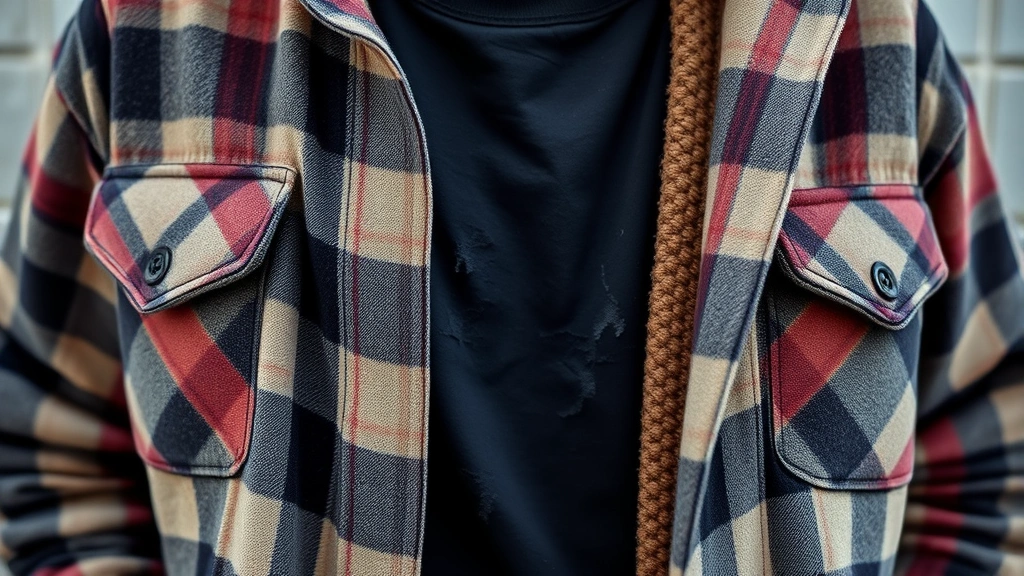
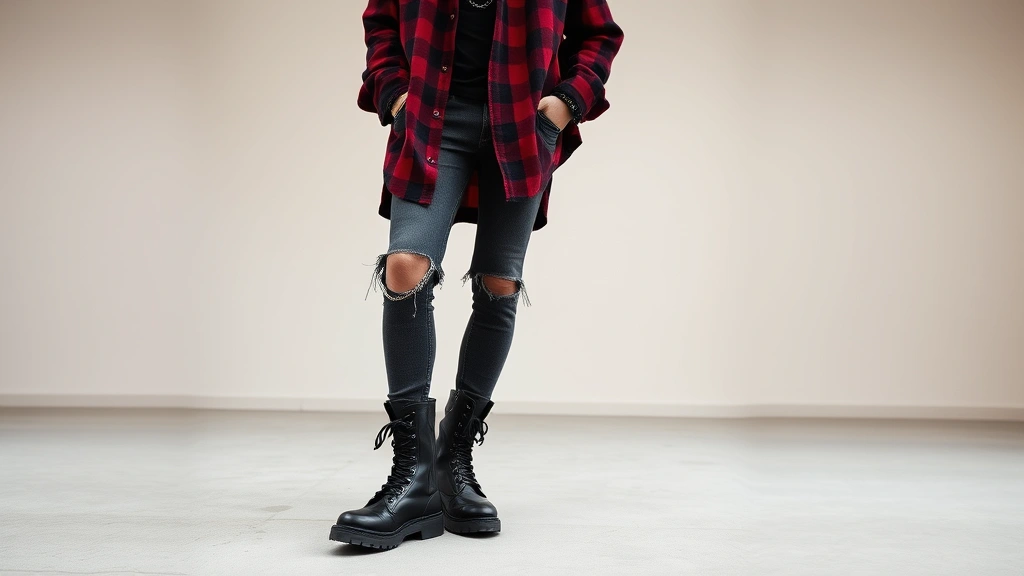
Flannel Shirts are undoubtedly the most iconic grunge piece. Oversized flannel button-ups in plaid patterns—preferably in earth tones like rust, forest green, and burgundy—were practically uniform among Seattle musicians. The key to wearing flannel authentically is choosing oversized fits and pairing them with other layers rather than wearing them as standalone statements. Look for vintage or vintage-inspired options that have that worn-in quality rather than crisp, new pieces.
Distressed Denim represents another cornerstone of grunge fashion. However, it’s important to distinguish between authentic distressing and the artificial ripping that became a fashion industry standard. Real grunge denim showed natural wear—fading from repeated washing, small tears that developed over time, and a generally lived-in appearance. Modern reproductions often overdo the distressing, creating something that looks costume-like rather than authentically worn. When selecting denim, consider vintage pieces or opt for brands that understand subtle, realistic aging.
Oversized Sweaters and Cardigans provide layering options that were essential to grunge styling. Chunky knits, cable-knit sweaters, and oversized cardigans created that deliberately disheveled silhouette. The fit should be generous and comfortable, never tailored or fitted. Neutral colors like cream, gray, black, and brown work best, though muted jewel tones occasionally appeared in authentic 90s grunge looks.
Combat Boots and Doc Martens completed the grunge aesthetic from the ground up. These heavy, utilitarian boots represented rebellion against the delicate, feminine footwear that dominated the 1980s. They paired perfectly with everything from dresses to ripped jeans, providing an edgy counterpoint to softer pieces. The heavier and more worn the boots appeared, the more authentically grunge they felt.
Band T-Shirts served as cultural markers within the grunge community, worn both ironically and as genuine expressions of musical taste. Vintage band tees—particularly from lesser-known or defunct bands—added authenticity and personal narrative to outfits. Modern reproductions work, but seeking actual vintage pieces or limited-edition prints from contemporary bands honors the original spirit of this element.
Explore how these pieces fit within broader fashion style movements and their evolution over time. Understanding the role of how to find your personal style becomes especially relevant when adapting grunge to your own aesthetic preferences.
Color Palettes and Textures That Define the Era
The color palette of authentic 90s grunge fashion was deliberately muted and earthy, reflecting both the Pacific Northwest’s gray climate and the movement’s rejection of bright, attention-grabbing aesthetics. Understanding which colors work within this framework is crucial for creating cohesive, authentic looks.
Earth Tones dominated grunge color choices: blacks, grays, browns, taupes, and deep greens. These colors weren’t chosen for their fashionability but because they were practical, timeless, and easily found in thrift stores. When multiple colors appeared in a single outfit, they typically remained muted and complementary rather than contrasting boldly.
Rust and Burgundy appeared frequently in flannel patterns and provided subtle warmth without brightness. These deeper red tones felt authentic to the era and worked beautifully in layered outfits. The key was avoiding bright reds or oranges, which would feel too vibrant for genuine grunge styling.
Cream and Off-White offered lighter alternatives within the palette, appearing in oversized sweaters and vintage band tees. Pure white was less common, as the slightly aged, cream-toned whites felt more authentically vintage and worn-in.
Regarding textures, grunge celebrated imperfection and tactile variation. Chunky knits, worn denim, soft flannel, and weathered leather created visual interest through texture rather than color variation. The goal was a cohesive, slightly rumpled appearance that suggested the wearer had assembled the outfit for comfort and personal expression rather than fashion consideration.
Styling Tips from Fashion Experts
Contemporary fashion experts offer valuable insights into translating 90s grunge sensibilities for modern wardrobes. The Fashion Spot’s styling guides emphasize that authentic grunge isn’t about perfection—it’s about appearing effortlessly put-together while maintaining an anti-fashion stance.
Layering forms the foundation of expert grunge styling. Start with a fitted base layer, add a band tee or simple shirt, then add an oversized sweater or flannel shirt. This creates visual depth and the characteristic silhouette that defined the era. The key is ensuring pieces work together in color and texture rather than appearing randomly thrown together.
Proportion Play matters significantly in authentic grunge. Pairing oversized tops with fitted or tapered bottoms creates balance. Conversely, loose-fitting bottoms work beautifully with more fitted tops. This intentional proportion mixing demonstrates understanding of the aesthetic rather than simply wearing everything oversized.
Footwear Choices can dramatically impact an outfit’s authenticity. Combat boots work with virtually any grunge ensemble, but Doc Martens, Chelsea boots, and even worn sneakers can work when styled correctly. The key is choosing shoes that feel utilitarian and slightly worn rather than pristine and new.
Accessories Minimalism characterizes authentic grunge. Rather than numerous jewelry pieces, opt for simple chains, minimal rings, or no jewelry at all. A worn leather belt, simple watch, or vintage band patch can add character without overwhelming the look. The emphasis remains on clothing rather than accessories.
Hair and Makeup complete the aesthetic. Tousled, slightly unkempt hair—whether long and wavy or short and choppy—felt authentically grunge. Makeup, when worn, was minimal: dark eyeliner, pale foundation, and muted lips created a slightly undone appearance. Modern interpretations might be slightly more polished while maintaining the core aesthetic.
” alt=”Oversized flannel shirt layered with distressed denim and combat boots, demonstrating authentic 90s grunge styling with earth-tone color palette and worn textures”/>
The Sustainability Factor in Modern Grunge
One of the most compelling aspects of the current 90s grunge revival is its natural alignment with sustainable fashion principles. The original grunge movement was inherently sustainable, built on thrifting, hand-me-downs, and purchasing secondhand pieces. This aspect becomes increasingly relevant as modern consumers seek fashion choices that minimize environmental impact.
Thrifting and Vintage Shopping remain the most authentic and sustainable way to build a grunge wardrobe. Vintage flannel shirts, worn denim, and period-appropriate pieces carry actual history and character that new reproductions cannot replicate. Shopping vintage also supports circular fashion economy principles, reducing demand for new manufacturing and its associated environmental costs.
Quality Over Quantity represents another grunge principle that aligns perfectly with sustainable fashion. Rather than purchasing numerous trendy pieces, grunge emphasizes building a smaller wardrobe of versatile, durable pieces worn repeatedly in different combinations. This approach reduces consumption and encourages deeper relationships with individual garments.
Intentional Consumption distinguishes authentic grunge from fast-fashion approximations. When building a grunge wardrobe, each piece should serve a purpose and work with existing items. This thoughtfulness contrasts sharply with trend-chasing consumption patterns, making grunge revival an opportunity to embrace more sustainable fashion habits.
Explore broader fashion philosophy through understanding various fashion types and their sustainability implications. The grunge movement demonstrates how cultural fashion movements can inherently promote environmental responsibility.
Celebrity Influences and Modern Interpretations
Contemporary celebrities and style icons have significantly influenced the current 90s grunge revival, though interpretations vary considerably. Some celebrities embrace strict authenticity, while others offer modern reinterpretations that honor the original aesthetic while incorporating contemporary elements.
Timothée Chalamet has become synonymous with modern grunge styling, frequently wearing oversized flannel shirts, distressed denim, and combat boots on red carpets and in daily life. His approach demonstrates how grunge can translate to high-fashion contexts while maintaining authenticity. His styling suggests that grunge’s anti-fashion ethos actually enhances its fashion credibility.
Bella Hadid regularly incorporates grunge elements into her style, mixing vintage band tees with contemporary pieces and accessorizing minimally. Her interpretations show how grunge serves as a foundation that can be built upon with modern elements while maintaining the core aesthetic.
Billie Eilish represents a contemporary artist whose entire visual identity draws from grunge principles. Her oversized clothing, minimal makeup, and anti-establishment aesthetic continue the original grunge philosophy while making it relevant to Gen Z audiences. Her influence has significantly contributed to grunge’s mainstream resurgence.
Harry Styles offers an interesting case study in grunge reinterpretation, blending classic grunge pieces with more experimental, fashion-forward choices. His approach shows how grunge can coexist with other aesthetic influences when done thoughtfully.
These celebrity influences demonstrate that authentic 90s grunge fashion remains relevant because it represents timeless principles rather than temporary trends. When celebrities embrace grunge authentically, they validate its enduring appeal while introducing it to new audiences. Visit Style Loom Daily Blog for more contemporary style insights and trend analysis.
How to Avoid Grunge Fashion Clichés
While 90s grunge fashion is experiencing a legitimate revival, numerous fashion brands and retailers have created exaggerated, inauthentic interpretations that miss the movement’s core values. Learning to distinguish between authentic grunge and commercialized clichés is essential for developing genuine personal style.
Avoid Overly Distressed Pieces that appear costume-like or artificially aged. Authentic grunge showed natural wear patterns, not strategic rips placed for maximum visual impact. If distressing looks intentional rather than organic, it’s likely falling into cliché territory.
Don’t Combine Too Many Grunge Elements simultaneously. Wearing a vintage flannel shirt, ripped jeans, combat boots, band tee, and choker all at once creates a costume effect rather than authentic styling. Grunge works best when a few key pieces anchor an outfit, with other elements supporting rather than overwhelming.
Skip Grunge-Branded Fashion that explicitly markets itself as grunge. The original movement rejected brand consciousness and designer labels. Purchasing pieces specifically labeled and marketed as grunge often misses the point—authentic grunge pieces are selected for quality and personal preference, not because they’re branded as such.
Avoid Perfectly Styled Grunge that appears too polished or intentional. There should be an element of studied casualness—as though you assembled the outfit without excessive planning. When grunge styling looks overly curated, it loses authenticity.
Don’t Neglect Fit and Proportion simply because grunge embraces oversized pieces. Understanding how different sized pieces work together creates intentional silhouettes rather than appearing as though you simply grabbed whatever was available. Authentic grunge shows thoughtful proportion choices, not accidental oversizing.
Resist Trend-Chasing Grunge Accessories that appear and disappear seasonally. Authentic grunge accessories are minimal and timeless: simple chains, basic rings, worn leather. Accessories that feel trendy or fashion-forward undermine the aesthetic.