Vintage Fashion Trends: Expert Insights on Archive Fashion Revival
The resurgence of vintage fashion represents far more than nostalgic sentiment—it’s a sophisticated movement reshaping how we approach personal style and sustainability. Archive fashion has evolved from thrift store discoveries into a legitimate fashion authority, with designers, stylists, and fashion enthusiasts recognizing the timeless appeal and quality inherent in pieces from bygone eras. This comprehensive exploration reveals why vintage fashion continues to dominate contemporary wardrobes and how you can authentically incorporate these treasured pieces into your modern aesthetic.
Vintage fashion transcends simple retro aesthetics; it embodies craftsmanship, individuality, and environmental consciousness. As fast fashion faces increasing scrutiny, archive fashion offers a compelling alternative—garments constructed with meticulous attention to detail, sustainable materials, and enduring style that refuses to fade. Whether you’re drawn to the structured elegance of 1950s silhouettes, the bohemian freedom of the 1970s, or the minimalist sophistication of the 1990s, vintage pieces tell stories while elevating your wardrobe with authenticity.
Understanding Vintage Fashion and Archive Pieces
Vintage fashion encompasses garments typically 20-100 years old, representing authentic pieces from specific historical periods. Archive fashion, more specifically, refers to pieces sourced directly from designer archives or authenticated vintage collections. The distinction matters: while all archive fashion is vintage, not all vintage pieces qualify as archive fashion. Archive pieces carry documented provenance, often including original tags, construction details, and historical context that authenticate their significance and value.
The terminology reflects a growing sophistication within the vintage market. Collectors and fashion aficionados now distinguish between genuine vintage pieces and reproduction items, with archive fashion commanding premium attention due to its rarity and historical importance. Understanding this classification helps you make informed purchasing decisions and appreciate the true value of what you’re acquiring. When exploring types of fashion, vintage and archive categories represent some of the most intellectually engaging and stylistically rewarding options available.
Fashion historians and curators recognize vintage fashion as essential documentation of cultural evolution. Each piece reflects the values, aesthetics, and technological capabilities of its era. A 1960s Chanel suit reveals not just design brilliance but the social context of women’s liberation and evolving workplace dynamics. This deeper appreciation transforms vintage shopping from casual browsing into meaningful cultural engagement.
The Evolution of Vintage Fashion in Modern Styling
Contemporary fashion has experienced a remarkable paradigm shift regarding vintage integration. Where vintage once occupied niche spaces, it now commands prestigious runways and luxury boutiques. Major fashion houses including Vogue-featured designers actively incorporate vintage inspiration and archive pieces into collections, legitimizing the aesthetic within high fashion discourse. This mainstream acceptance reflects broader recognition that vintage fashion offers uncompromising quality and distinctive character impossible to replicate through contemporary manufacturing.
Influencers, stylists, and fashion editors now actively champion vintage fashion as a cornerstone of sophisticated personal style. The movement toward vintage integration represents a rebellion against disposable fashion culture, positioning archive pieces as investments in enduring style rather than temporary trends. This philosophical shift has democratized access to quality vintage fashion, making it increasingly accessible to fashion-conscious individuals across economic spectrums.
The evolution reflects deeper cultural changes regarding sustainability, authenticity, and individual expression. Vintage fashion allows wearers to construct unique identities unavailable through mass-produced contemporary options. When you wear archive fashion, you’re participating in a form of sartorial storytelling—communicating values, aesthetic preferences, and historical awareness through your clothing choices.
Key Vintage Eras and Their Signature Styles
The 1940s: Wartime Elegance and Practicality
The 1940s produced some of fashion history’s most distinctive silhouettes, shaped by wartime material rationing and women’s expanding social roles. Structured shoulders, cinched waists, and practical fabrics characterize this era. Archive pieces from this period showcase exceptional tailoring and resourcefulness—designers maximized limited materials to create impactful garments. The era’s aesthetic emphasizes power dressing before the term existed, with broad-shouldered coats and fitted dresses conveying authority and capability.
The 1950s: The Golden Age of Femininity
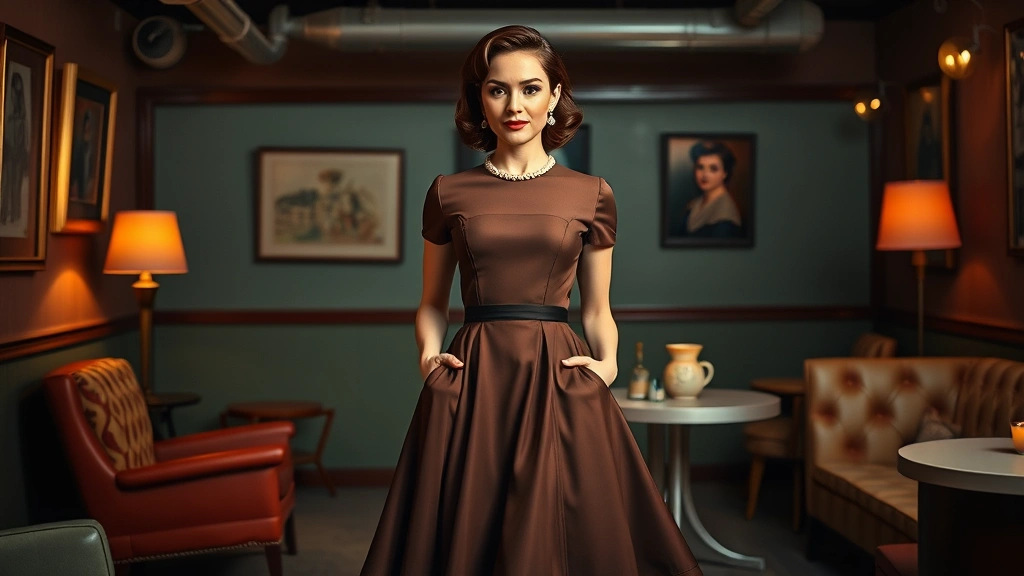
Post-war optimism exploded into the 1950s’ most iconic silhouette: the full-skirted dress with dramatically cinched waist. This era produced some of fashion’s most coveted vintage pieces—structured petticoats, cashmere cardigans, and expertly tailored day dresses. The 1950s represent vintage fashion’s most accessible era for contemporary styling, as these pieces’ timeless elegance remains perpetually relevant. Archive 1950s fashion emphasizes quality construction, with hand-stitched seams and premium fabrics demonstrating the era’s commitment to garment durability.
The 1960s: Revolutionary Modernism
The 1960s shattered previous fashion conventions through mod minimalism and psychedelic experimentation. This transformative decade produced radically different aesthetic directions—from Twiggy’s androgynous boyish silhouettes to hippie bohemianism. Vintage 1960s pieces offer remarkable diversity, allowing collectors to explore multiple stylistic directions within a single era. Archive 1960s fashion represents a pivotal moment when youth culture genuinely influenced mainstream design, creating pieces that still feel refreshingly modern.
The 1970s: Bohemian Sophistication
The 1970s celebrated flowing fabrics, earth tones, and maximalist self-expression. This era produced some of fashion’s most wearable vintage pieces—wide-leg trousers, suede jackets, and flowing dresses that accommodate diverse body types while maintaining undeniable style. The 1970s aesthetic continues dominating contemporary fashion cycles, making archive pieces from this era consistently relevant and highly sought.
The 1980s and 1990s: Attitude and Minimalism
The 1980s emphasized bold statements through power suits, statement jewelry, and saturated colors, while the 1990s swung toward minimalist sophistication and grunge authenticity. Archive fashion from these decades offers distinctive personality—whether through structured blazers or deconstructed grunge aesthetics. These eras remain psychologically recent enough that their pieces feel immediately wearable while maintaining sufficient historical distance to feel genuinely vintage.
Exploring the complete fashion history timeline provides deeper context for understanding how each era’s vintage pieces reflect broader cultural movements and design philosophies.
Building an Authentic Vintage Wardrobe
Constructing a cohesive vintage wardrobe requires intentional curation rather than indiscriminate collecting. Begin by identifying which vintage eras resonate with your aesthetic sensibilities and lifestyle requirements. Consider whether you’re drawn to structured 1950s femininity, bohemian 1970s ease, or minimalist 1990s sophistication. This foundational clarity prevents accumulating pieces that don’t genuinely serve your personal style.
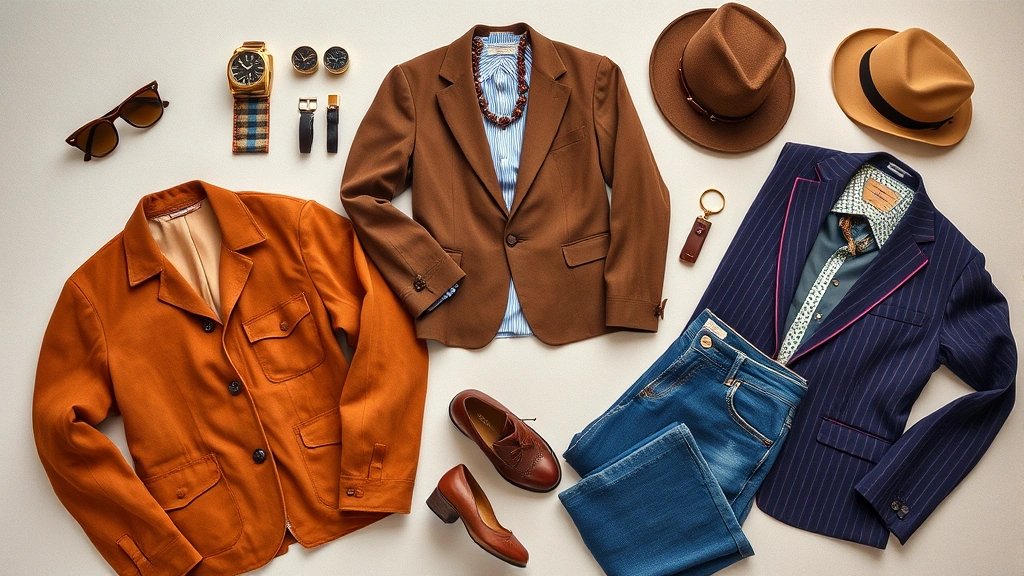
Prioritize foundational pieces—classic tailored blazers, well-fitting denim, neutral-toned basics—before pursuing statement items. Vintage blazers from the 1980s and 1990s provide timeless professional polish, while 1970s denim offers unmatched quality and character. These foundational pieces anchor your wardrobe, allowing you to build outfits around authentic vintage pieces without appearing costume-like.
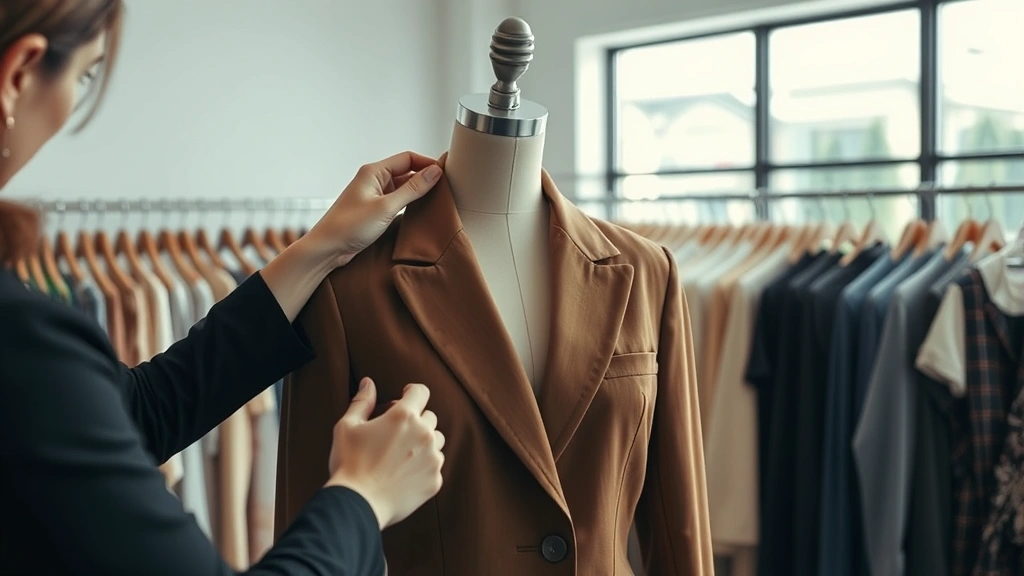
Quality assessment requires developing educated eyes for construction details. Examine seams—hand-stitched seams indicate superior craftsmanship and durability. Investigate fabric content; natural fibers like silk, wool, linen, and cotton typically age beautifully, while synthetic materials may deteriorate. Check for alterations or repairs that might compromise fit or longevity. Understanding how to find your personal style helps ensure your vintage selections authentically represent your aesthetic rather than representing trends you think you should follow.
Documentation matters significantly for archive pieces. Original tags, designer labels, and provenance information enhance both authenticity and investment value. Pieces from renowned designers command premium prices but offer documented quality and historical significance. However, exceptional vintage pieces exist from lesser-known makers—focus on construction quality and design sophistication rather than exclusively pursuing recognizable names.
Sustainability and Ethical Fashion Through Vintage
Vintage fashion represents perhaps the most sustainable clothing choice available. By purchasing archive pieces, you’re extending garment lifecycles, reducing demand for new production, and circumventing the environmental devastation associated with fast fashion manufacturing. The fashion industry generates approximately 10% of global carbon emissions and produces massive textile waste—vintage fashion offers a direct antidote to this crisis.
Archive fashion inherently embodies circular economy principles. These pieces have already justified their environmental cost through decades of wear; acquiring them represents maximizing utility from existing resources. Vintage garments typically feature superior construction enabling multiple generations of wear, fundamentally different from disposable contemporary fashion designed for limited lifespans.
The ethical dimension extends beyond environmental considerations. Vintage fashion sidesteps exploitative labor practices endemic to contemporary manufacturing. While archive pieces were produced under varied labor conditions, purchasing them removes incentives for new production under questionable circumstances. Choosing vintage fashion becomes an ethical statement supporting sustainable consumption patterns and rejecting complicity in garment industry exploitation.
This sustainable approach aligns with growing consumer consciousness regarding fashion’s environmental footprint. Fashion publications increasingly emphasize sustainability as central to contemporary style, with vintage fashion consistently highlighted as the most environmentally responsible choice available to conscious consumers.
Expert Tips for Sourcing Quality Archive Fashion
Evaluate Reputable Vintage Retailers
Professional vintage dealers invest in authentication, curation, and proper preservation. Established vintage boutiques typically provide detailed garment descriptions, condition assessments, and return policies reflecting confidence in their offerings. Online platforms specializing in authenticated vintage fashion offer broader selection while maintaining quality standards. Building relationships with knowledgeable retailers helps you access better pieces and develop expertise through their guidance.
Develop Authentication Skills
Learning to identify authentic vintage pieces protects your investments and ensures you’re acquiring genuine archive fashion. Examine construction techniques—machine stitching appeared in specific eras; hand-finished seams indicate earlier periods. Investigate fabric care labels; modern labels indicate reproduction pieces. Research designer-specific details—construction methods, label designs, and material preferences evolved over decades. Familiarize yourself with era-specific design elements preventing misidentification.
Consider Fit and Alterations
Vintage sizing differs significantly from contemporary standards. Measurements matter far more than labeled sizes; contemporary size 10 might wear quite differently from vintage size 10. Quality alterations can adjust garments, but major reconstruction compromises authenticity and value. Select pieces requiring minimal alterations, preserving their original integrity while ensuring proper fit.
Inspect Condition Thoroughly
Vintage pieces naturally show age, but condition assessment determines wearability and longevity. Examine seams for deterioration, check for stains or odors, and assess fabric integrity. Minor issues like loose seams or missing buttons represent easily remedied problems. Significant damage—extensive staining, fabric deterioration, or structural compromises—may render pieces unwearable. Understand what condition issues you can accept and which represent dealbreakers.
Research Price Ranges
Understanding fair market value prevents overpaying while identifying exceptional bargains. Factors affecting price include designer prestige, era, condition, rarity, and size. Designer archive pieces command premium prices but offer documented quality. Lesser-known makers may offer superior value for equivalent craftsmanship. Tracking prices across multiple retailers helps calibrate expectations and identify genuinely exceptional deals.
Styling Vintage Pieces for Contemporary Looks
The art of vintage styling involves balancing historical authenticity with contemporary relevance. Mixing vintage pieces with modern basics creates sophisticated looks avoiding costume aesthetics. A 1970s suede blazer pairs beautifully with contemporary jeans and minimal jewelry, creating effortless polish. 1950s dresses styled with modern footwear and updated accessories feel fresh rather than anachronistic.
Layering vintage pieces provides versatility extending their wearability across seasons and occasions. A vintage slip dress becomes a layering piece under contemporary t-shirts or oversized button-ups. Vintage cardigans layer over modern silhouettes, adding visual interest and texture. This approach maximizes outfit possibilities from individual pieces while maintaining contemporary relevance.
Proportion mixing creates visually dynamic outfits. Pair voluminous vintage pieces with fitted contemporary basics, or vice versa. A 1980s oversized blazer looks modern styled with fitted contemporary trousers. Conversely, fitted vintage pieces gain contemporary freshness through pairing with relaxed modern silhouettes. This interplay between vintage and contemporary creates sophisticated, individualized style statements.
Accessorizing significantly impacts how vintage pieces read in contemporary contexts. Modern jewelry, footwear, and bags instantly update vintage garments. A 1970s dress gains contemporary edge through pairing with current-season sneakers and minimal jewelry. Vintage accessories, conversely, should be chosen judiciously—one statement vintage accessory creates impact; multiple vintage pieces may read as costume.
Understanding your fashion preferences at any age helps determine which vintage pieces authentically serve your lifestyle. Vintage fashion works beautifully across age groups when selections reflect genuine personal style rather than age-inappropriate experimentation. The key involves choosing pieces that make you feel confident and comfortable, regardless of era.
For those pursuing fashion careers, understanding vintage fashion history and sourcing provides valuable expertise. Exploring best fashion design schools reveals programs increasingly emphasizing vintage fashion knowledge and sustainable design practices, recognizing archive fashion’s professional significance.
Return to StyleLoom Daily Blog regularly for emerging insights on vintage fashion trends and archive pieces gaining contemporary relevance.
FAQ
What’s the difference between vintage and antique fashion?
Vintage typically refers to garments 20-100 years old, while antique fashion encompasses pieces exceeding 100 years. Both represent archive fashion, though antique pieces command higher prices due to rarity. The distinction affects valuation and collectibility rather than wearability—both vintage and antique pieces can be styled for contemporary wear.
How do I authenticate designer vintage pieces?
Examine original tags, labels, and construction details specific to the designer and era. Research designer-specific label designs, which evolved over decades. Investigate construction techniques—hand-finished elements, specific stitching patterns, and material preferences. Consult authentication guides for specific designers. When significant investment is involved, professional authentication services provide documented verification.
Are vintage pieces worth the investment?
Quality vintage pieces represent excellent investments, particularly designer archive fashion. Beyond financial appreciation potential, vintage garments offer superior construction, distinctive character, and sustainability benefits unavailable through contemporary options. Even without investment appreciation, the quality-to-price ratio typically exceeds contemporary equivalents.
How should I care for vintage garments?
Gentle care extends vintage pieces’ longevity. Dry clean sparingly; hand wash delicate fabrics when possible. Store in acid-free tissue, away from direct sunlight and moisture. Use cedar or lavender for pest prevention rather than mothballs, which damage fabrics. Address stains and damage promptly through professional conservation services. Proper storage and handling preserve both condition and value.
Can I wear vintage pieces casually or only for special occasions?
Vintage fashion accommodates any occasion. Quality basics from any era work beautifully for daily wear; many people find vintage pieces more durable than contemporary alternatives. Style choices determine occasion-appropriateness—a simple 1970s denim jacket worn with jeans works perfectly for casual settings, while structured vintage dresses suit formal occasions. Vintage fashion’s versatility represents one of its greatest appeals.
Where should I start if I’m new to vintage fashion?
Begin by identifying which eras and styles genuinely appeal to you. Visit established vintage retailers, exploring different periods and designers. Start with foundational pieces—blazers, jeans, simple dresses—before pursuing statement items. Educate yourself on quality indicators and authentication basics. Build relationships with knowledgeable retailers who can guide your curation. Most importantly, select pieces you genuinely love and will actually wear regularly.