Chelsea Boots: Timeless or Trendy? Fashion Expert Insights
Chelsea boots have occupied a peculiar position in fashion for over 160 years—they’re simultaneously classic and contemporary, traditional yet perpetually reinvented. From their Victorian origins to their current status as a style staple, these ankle-hugging boots have transcended generational boundaries and fashion cycles. Whether you’re a minimalist seeking versatile basics or a trend enthusiast exploring new angles, Chelsea boots deserve a closer examination. This exploration reveals why fashion experts continue to champion them as essential wardrobe pieces while simultaneously celebrating their trendy evolutions.
The enduring appeal of Chelsea boots lies in their architectural precision and inherent sophistication. Unlike fleeting trends that fade within seasons, these boots possess a structural integrity that keeps them relevant across decades. Yet they’re also remarkably adaptable—they’ve been reimagined in bold colors, unexpected materials, and contemporary silhouettes that speak to current fashion sensibilities. Understanding the distinction between their timeless foundation and their trendy iterations helps style-conscious individuals navigate this iconic footwear with confidence.
The Historical Foundation of Chelsea Boots
Chelsea boots emerged during the Victorian era, specifically credited to the cobbler J. Sparks-Hall in 1851. Originally designed for Queen Victoria herself, these boots featured elastic side panels that allowed easy on-and-off access—revolutionary for an era when fastening numerous buttons was the norm. This practical innovation became the boot’s defining characteristic and remains its most recognizable feature today. The elastic gussets transformed footwear from a time-consuming endeavor to a swift, elegant solution.
The name “Chelsea” derives from the Chelsea district in London, where the boots gained popularity among the city’s fashionable residents during the 1950s and 1960s. British musicians and artists embraced Chelsea boots as symbols of sophisticated rebellion, integrating them into mod culture and beyond. This association with cultural movements elevated the boots from practical footwear to fashion statements. Understanding this complete fashion history context helps appreciate why Chelsea boots possess such enduring cultural significance.
The boots’ journey through the twentieth century mirrors broader fashion transformations. They appeared in 90s fashion as grunge staples, in minimalist collections as neutral basics, and in maximalist ensembles as statement pieces. This adaptability across distinct aesthetic movements demonstrates their fundamental versatility. Fashion historians recognize Chelsea boots as rare examples of footwear that genuinely transcends temporal boundaries.

Timeless Design Elements That Endure
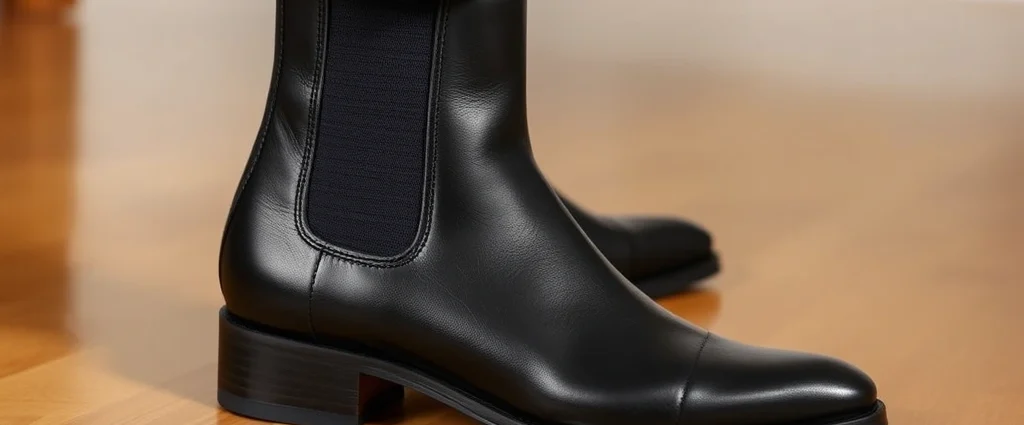
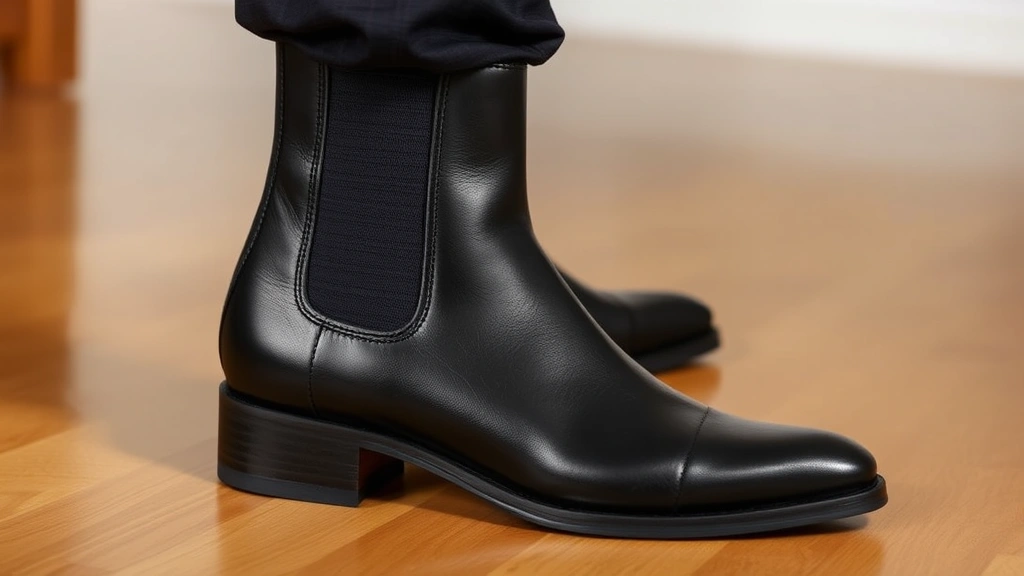
The defining timeless elements of Chelsea boots center on their architectural simplicity and functional elegance. The elastic side panels remain the most crucial feature—they’re not merely decorative but essential to the boot’s identity and wearability. This design choice has proven so effective that contemporary bootmakers rarely deviate from it. The elastic allows the boot to hug the ankle without sacrificing comfort or ease of entry, a balance that remains unmatched in footwear design.
The boot’s proportions contribute significantly to its timeless appeal. Chelsea boots typically feature a modest heel height—usually one to two inches—that balances sophistication with practicality. The shaft length generally reaches just above the ankle, creating a clean silhouette that complements most body types and clothing styles. These proportional relationships have remained remarkably consistent across decades, suggesting that they represent an optimal balance rather than arbitrary aesthetic choices.
Material choices traditionally emphasize quality over novelty. Leather, particularly in rich blacks, cognacs, and deep browns, remains the gold standard for Chelsea boots. The material’s durability ensures these boots can be worn repeatedly without deterioration, and they often improve with age as leather develops character and patina. This longevity appeals to style-conscious consumers and aligns with sustainable fashion principles. The emphasis on enduring materials over trendy fabrics reinforces the boots’ timeless positioning.
The overall silhouette maintains a refined, understated quality that prevents the boots from appearing dated or costume-like. Unlike boots with dramatic embellishments or exaggerated proportions, Chelsea boots achieve sophistication through restraint. This design philosophy—achieving maximum impact through minimal ornamentation—remains perpetually relevant in fashion.
Contemporary Trends Reshaping Chelsea Boot Aesthetics
Despite their classical foundation, Chelsea boots have become vehicles for contemporary fashion expression. Current trends explore various angles on the traditional silhouette, introducing unexpected variations that maintain the boots’ essential identity while embracing modern sensibilities. These innovations demonstrate that timeless pieces can evolve without losing their fundamental appeal.
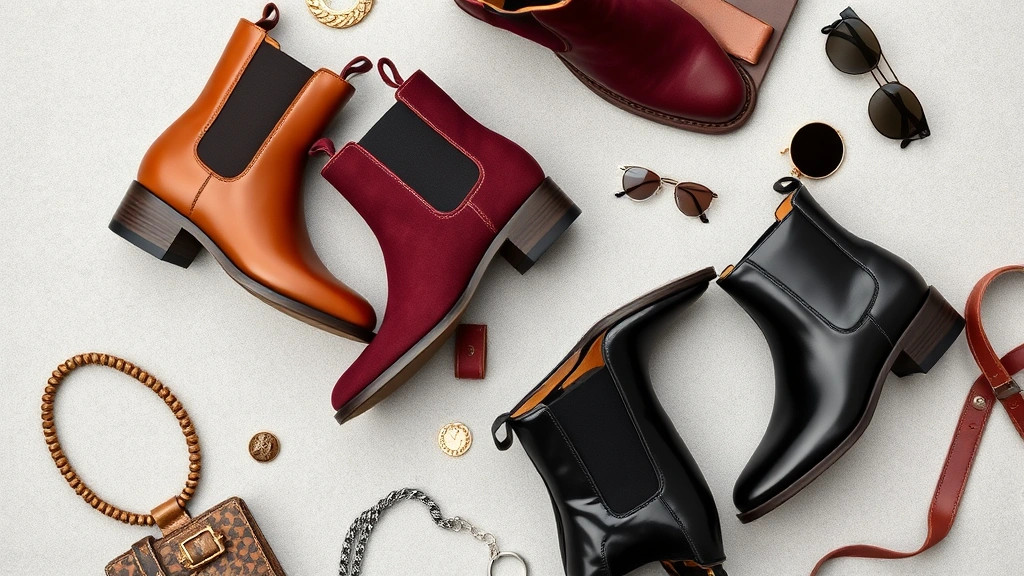
Color experimentation represents one significant trend reshaping Chelsea boots. While classic neutrals remain popular, fashion-forward consumers now embrace bold hues—burgundy, forest green, rich purple, and even vibrant red Chelsea boots have emerged as statement pieces. These colorways allow wearers to inject personality into their wardrobes while maintaining the boots’ elegant structure. The color variations don’t fundamentally alter the boot’s design but rather expand its styling possibilities.
Heel height variations introduce another contemporary angle. While traditional Chelsea boots feature modest heels, current trends include flat Chelsea boots for minimalist aesthetics and stiletto-heeled versions for evening wear. These variations cater to different occasions and style preferences, making Chelsea boots viable across more contexts than ever before. The range of heel options demonstrates how the basic silhouette can accommodate diverse fashion needs.
Material innovations have also transformed Chelsea boots for contemporary audiences. Suede Chelsea boots offer softer, more textured alternatives to leather. Vegan leather options appeal to sustainability-conscious consumers. Metallic finishes and patent leather create bold, fashion-forward interpretations. These material explorations maintain the boots’ structural integrity while offering fresh visual interest.
Oversized silhouettes represent another trending direction, with some contemporary designers offering Chelsea boots with exaggerated proportions that contrast sharply with traditional fitted versions. These bolder interpretations appeal to consumers seeking distinctive footwear that makes stronger style statements. The contrast between minimalist and maximalist Chelsea boot approaches reflects broader fashion polarization.
Styling Chelsea Boots Across Different Fashion Angles
The versatility of Chelsea boots becomes evident when examining their styling potential across distinct fashion angles. Whether you’re developing a personal style approach, these boots seamlessly integrate into numerous aesthetic frameworks. Understanding different styling angles helps maximize your Chelsea boot investment and ensures they work across multiple contexts.
The minimalist angle emphasizes Chelsea boots as essential basics. In this approach, classic black or brown leather Chelsea boots serve as neutral anchors for streamlined wardrobes. Paired with tailored trousers, simple sweaters, and monochromatic palettes, they embody understated sophistication. This styling angle appeals to individuals seeking timeless, versatile pieces that transcend seasonal trends. The minimalist approach highlights the boots’ timeless qualities.
The professional angle positions Chelsea boots as office-appropriate footwear that bridges casual and formal wear. Their sleek silhouette suits business casual and business formal environments, offering an alternative to traditional pumps or loafers. Worn with tailored blazers, pencil skirts, or dress trousers, Chelsea boots communicate competence and style simultaneously. This professional application demonstrates their functionality beyond weekend wardrobes.
The edgy angle draws inspiration from punk and rock aesthetics, pairing Chelsea boots with leather jackets, distressed denim, and statement accessories. This approach celebrates the boots’ rebellious heritage while creating bold, confident looks. The edgy styling angle proves particularly popular among younger consumers and those seeking more dramatic fashion expressions.
The romantic angle incorporates Chelsea boots into feminine, vintage-inspired ensembles. Paired with flowing skirts, delicate blouses, and feminine accessories, Chelsea boots add an unexpected edge to romantic aesthetics. This juxtaposition creates interesting visual tension and allows wearers to balance softness with sophistication.
The contemporary casual angle treats Chelsea boots as everyday footwear for relaxed settings. Worn with jeans, sweats, or casual dresses, they elevate ordinary outfits without requiring formal occasions. This approach democratizes Chelsea boots, positioning them as accessible everyday essentials rather than special occasion pieces.
Material Innovations and Modern Interpretations
Material exploration has become central to contemporary Chelsea boot design, with manufacturers investigating alternatives and innovations that challenge traditional leather construction. These material experiments reflect broader fashion industry movements toward sustainability, inclusivity, and creative expression.
Sustainable materials have gained significant traction in Chelsea boot design. Vegan leather alternatives, made from innovative plant-based materials, offer ethical options for environmentally conscious consumers. Cork, mushroom leather, and recycled plastic composites represent cutting-edge material solutions that maintain the boots’ aesthetic while reducing environmental impact. These sustainable options prove that contemporary trends can align with ecological responsibility.
Technical fabrics introduce unexpected modern elements to Chelsea boots. Water-resistant neoprene, breathable mesh, and performance textiles create Chelsea boots suited for active lifestyles and varied weather conditions. These material choices don’t sacrifice style for functionality but rather integrate both seamlessly. The technical angle appeals to consumers seeking boots that perform as well as they appear.
Textural variety expands Chelsea boot aesthetics significantly. Suede offers softness and warmth, while patent leather introduces shine and drama. Velvet creates luxurious, artistic interpretations. Crocodile embossing and other texture treatments add visual interest without fundamentally altering the silhouette. These textural explorations allow Chelsea boots to participate in seasonal trends and thematic collections.
Hybrid materials combine traditional elements with contemporary additions. Chelsea boots featuring leather uppers with rubber or recycled sole materials balance heritage construction with modern sustainability. Some designs incorporate metallic accents or contrasting material panels, creating visual complexity within the traditional silhouette. These hybrid approaches represent fashion’s movement toward thoughtful eclecticism.
Chelsea Boots in Professional and Casual Settings
Chelsea boots occupy a unique position in professional fashion, offering sophistication that surpasses many casual alternatives while remaining more relaxed than formal dress shoes. This versatility makes them particularly valuable for modern workplaces that blend professional standards with casual comfort.
In professional settings, Chelsea boots communicate competence and style simultaneously. They work particularly well in creative industries, where individual expression holds value alongside professionalism. Paired with tailored clothing, they suggest someone who takes appearance seriously without appearing overly formal or costume-like. The boots’ inherent elegance elevates casual professional dress codes.
For business casual environments, Chelsea boots bridge the gap between formal and informal dress. They work with dress trousers, chinos, and even professional denim in some contexts. The boots’ sleek silhouette prevents them from reading as too casual, while their relative comfort makes them preferable to rigid formal shoes for full workdays. This positioning makes Chelsea boots practical investments for professionals navigating evolving workplace dress codes.
In casual settings, Chelsea boots add unexpected polish to relaxed outfits. Weekend jeans paired with Chelsea boots transform from purely casual to intentionally styled. The boots’ architectural precision elevates casual clothing without requiring formal occasions. This capacity to enhance casual wear without demanding special circumstances makes Chelsea boots incredibly practical everyday investments.
The gender-neutral nature of Chelsea boots contributes to their professional versatility. Unlike some footwear styles coded specifically masculine or feminine, Chelsea boots work across gender presentations. This inclusivity appeals to diverse professionals and reflects contemporary fashion’s movement toward more flexible styling options. Explore contemporary women’s fashion perspectives to see how modern designers approach gender-inclusive footwear design.
Expert Perspectives on Future Directions
Fashion experts and trend forecasters offer compelling insights into Chelsea boots’ future trajectory. According to Vogue, Chelsea boots continue gaining prominence as consumers seek versatile pieces that transcend seasonal trends. The publication notes that contemporary designers increasingly reimagine Chelsea boots through sustainable materials and innovative silhouettes, suggesting the boots’ relevance will only deepen.
Trend forecasting platforms suggest Chelsea boots will continue evolving rather than disappearing. Fashion Institute analysts predict increased emphasis on sustainable materials and ethical production methods. They anticipate Chelsea boots will become even more prominent in minimalist wardrobes as consumers prioritize versatile, long-lasting basics over trend-dependent pieces.
Design-forward perspectives emphasize experimentation within the traditional silhouette. Contemporary designers view Chelsea boots as canvases for creative exploration, introducing unexpected colors, materials, and proportions while maintaining the boots’ essential identity. This approach suggests Chelsea boots will remain relevant by continuously evolving rather than remaining static.
Sustainability experts predict Chelsea boots will become benchmarks for responsible footwear design. Their durability and timeless appeal align with sustainable fashion principles—investing in pieces that last years rather than seasons reduces overall consumption. As environmental consciousness shapes consumer decisions, Chelsea boots’ longevity becomes a significant advantage.
Industry professionals also note Chelsea boots’ cultural significance beyond fashion. Their appearance in music, art, and popular culture ensures continued relevance. The boots’ association with influential figures and cultural movements creates narrative richness that transcends typical trend cycles. This cultural embedding suggests Chelsea boots will maintain relevance regardless of specific style trends.
Looking forward, experts suggest Chelsea boots will occupy an increasingly important position in capsule wardrobes and minimalist fashion movements. As consumers seek quality over quantity and timeless pieces over disposable trends, Chelsea boots represent ideal investments. Their versatility across styling angles and occasions makes them particularly valuable for individuals building intentional, cohesive wardrobes.
The future likely holds continued material innovation alongside design experimentation. Expect sustainable alternatives to gain prominence, technological enhancements to emerge, and color palettes to expand further. Yet the essential Chelsea boot silhouette will probably remain recognizable, maintaining the qualities that have sustained these boots for over 160 years. This balance between evolution and consistency defines Chelsea boots’ likely trajectory.
Fashion experts at Business of Fashion emphasize that Chelsea boots represent the rare intersection of timelessness and trendiness. They’re simultaneously classical pieces rooted in historical significance and contemporary items participating in current fashion conversations. This dual nature ensures their continued relevance across shifting consumer preferences and evolving style landscapes.
For style-conscious individuals navigating the timeless versus trendy question, Chelsea boots offer the best of both worlds. They provide classical sophistication for those seeking enduring basics while accommodating contemporary expression for trend enthusiasts. Whether you approach them as fashion insights and trends or as permanent wardrobe staples, Chelsea boots deserve consideration.
FAQ
Are Chelsea boots still in style in 2024?
Absolutely. Chelsea boots remain fashionable and continue appearing in contemporary collections from major designers. Their versatility and timeless appeal ensure they transcend typical trend cycles. Current styling emphasizes sustainable materials, diverse color options, and varied heel heights, demonstrating Chelsea boots’ continued evolution.
What makes Chelsea boots timeless versus trendy?
Their timeless qualities include the elastic side panel design, proportional balance, refined silhouette, and structural integrity that have remained consistent for 160 years. Their trendy aspects emerge through material innovations, color experimentation, heel variations, and contemporary styling approaches. Chelsea boots succeed because they maintain timeless foundations while accommodating trendy reinterpretations.
How should I style Chelsea boots for professional settings?
Pair Chelsea boots with tailored trousers, pencil skirts, or dress pants in neutral colors. The boots’ sleek silhouette complements professional clothing without appearing overly formal. In creative industries, Chelsea boots work with more casual professional pieces. Their inherent elegance elevates any professional outfit while maintaining comfort for full workdays.
What materials are currently popular for Chelsea boots?
Leather remains the traditional choice, but contemporary options include suede, vegan leather, patent leather, and technical fabrics. Sustainable materials like cork and mushroom leather appeal to environmentally conscious consumers. Material choice depends on your style preferences, budget, and intended use. Quality construction matters more than specific material type.
Can men and women both wear Chelsea boots?
Yes. Chelsea boots are gender-neutral footwear that works for all gender presentations. The basic silhouette adapts to different styling approaches, making them accessible and appropriate across diverse audiences. This inclusivity contributes to their widespread appeal and continued relevance.
How do I choose between classic and trendy Chelsea boots?
Consider your personal style approach and wardrobe needs. Classic leather Chelsea boots in neutral colors work for anyone seeking versatile basics. Trendy versions with bold colors, unusual materials, or exaggerated proportions suit those seeking distinctive statement pieces. You might invest in both—a classic pair for everyday wear and a trendy version for fashion expression.
Are Chelsea boots appropriate for casual wear?
Definitely. Chelsea boots elevate casual outfits without requiring special occasions. Worn with jeans, sweats, or casual dresses, they add polish and intentionality to everyday looks. This capacity to enhance casual wear makes Chelsea boots practical everyday footwear, not just special occasion pieces.
What heel height should I choose for Chelsea boots?
Traditional Chelsea boots feature one to two-inch heels offering balance between elegance and comfort. Flat Chelsea boots suit minimalist aesthetics and all-day wearability. Higher heels work for evening wear and formal occasions. Choose based on your lifestyle, comfort preferences, and intended use. Multiple heel heights allow you to build versatile collections.