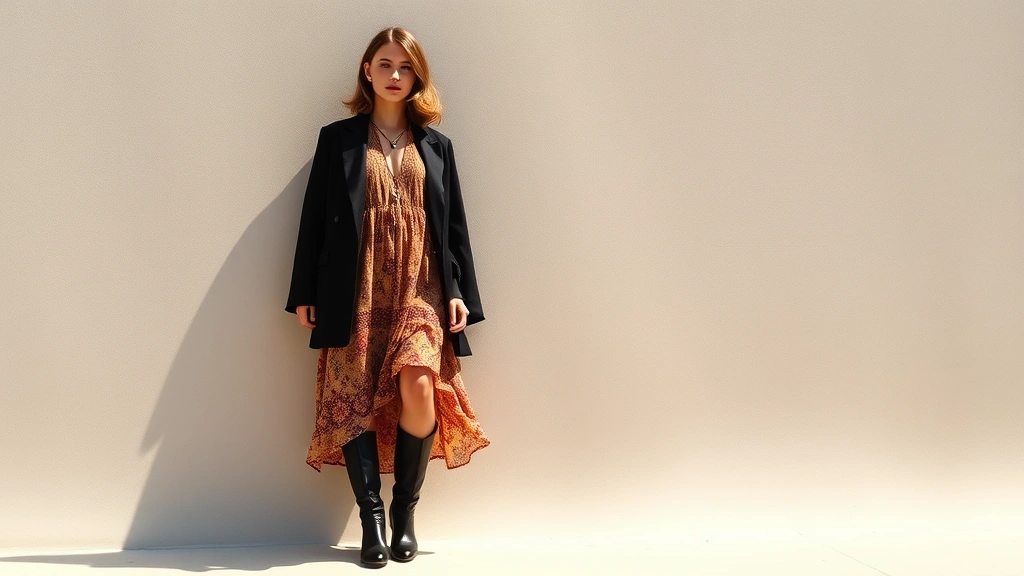
Ye Ole Fashioned: Timeless Trends, Historian Insights
Fashion has always been a living chronicle of human civilization, a textile-based narrative that speaks volumes about our values, aspirations, and cultural moments. The phrase “ye ole fashioned” evokes a sense of nostalgia and timelessness that resonates deeply in contemporary style conversations. Yet what does it truly mean to embrace vintage aesthetics while maintaining modern relevance? This exploration delves into how historical fashion movements continue to shape today’s wardrobes, offering insights from fashion historians and industry experts who understand that the past isn’t merely decorative—it’s foundational.
The resurgence of vintage and heritage-inspired fashion isn’t simply about recreating the past; it’s about understanding the DNA of style itself. When we examine fashion history timelines, we discover that every trend cycle carries wisdom from previous eras. Designers like Stella McCartney and brands such as Gucci have built empires by respecting historical references while infusing them with contemporary consciousness. This article uncovers the intersection where heritage meets innovation, where “ye ole fashioned” becomes a sophisticated statement rather than a mere throwback.
Understanding Ye Ole Fashioned Aesthetic
“Ye ole fashioned” represents more than quaint nostalgia; it’s a deliberate aesthetic choice grounded in authenticity and craftsmanship. This style philosophy celebrates the meticulous attention to detail that characterized clothing production before fast fashion industrialization. The term itself, with its deliberately archaic spelling, winks at historical periods while acknowledging our modern ironic distance from them. Fashion historians recognize this as part of a larger cultural pattern where consumers increasingly seek meaning, durability, and story in their garments.
The aesthetic encompasses multiple historical periods: Victorian-inspired corsetry, Edwardian silhouettes, 1920s Art Deco sensibilities, 1950s femininity, and 1970s bohemian freedom. What unites these diverse references is a commitment to intentionality. Each garment choice communicates something deliberate about the wearer’s values and aesthetic consciousness. When you find your personal style, you’re often drawing from these historical wellsprings without even realizing it.
Fashion institutions worldwide now recognize this shift. The Fashion Institute of Technology in New York and Central Saint Martins in London have expanded their curriculum to emphasize historical research and archival study as essential components of contemporary design. This educational pivot reflects industry understanding that innovation without historical grounding lacks substance and longevity.
Historical Fashion Movements That Define Today
To understand contemporary “ye ole fashioned” trends, we must examine the historical movements that created them. The Victorian era established silhouette consciousness—the idea that clothing shapes not just our appearance but our relationship with our bodies. Modern corset revival, seen in everything from haute couture to streetwear, traces directly to this period’s innovations in tailoring and structure.
The 1920s Jazz Age democratized fashion in revolutionary ways. Flapper dresses represented liberation from restrictive Victorian norms, introducing shorter hemlines, looser fits, and androgynous silhouettes. Contemporary designers consistently reference this era when they want to communicate modernity and rebellion. The straight-line aesthetic, dropped waistlines, and art deco geometric patterns from this period appear consistently on contemporary runways.
The 1950s established the postwar ideal of femininity through structured dresses, full skirts, and cinched waists. This era’s influence on current fashion is undeniable—from pin-up inspired styling to the ongoing popularity of vintage-inspired dresses. Brands like Unique Vintage and Hell Bunny have built entire business models around 1950s aesthetics, proving that historical inspiration translates to commercial success.
The 1970s introduced bohemian sensibilities that never fully disappeared. Flared silhouettes, earth tones, fringe, and natural fabrics established a counterculture aesthetic that resurfaces every few years with renewed intensity. Contemporary fashion sees constant references to this era’s commitment to individualism and natural beauty standards.
Understanding 90s fashion trends provides insight into how recent history continues influencing current styles. The minimalism, grunge aesthetic, and logomania of the 1990s never truly departed; they simply evolved and recombined into new forms that feel simultaneously nostalgic and innovative.
Historian Perspectives on Timeless Style
Fashion historians like Elizabeth Semmelhack, curator at the Bata Shoe Museum, emphasize that timeless style isn’t about frozen aesthetics but rather about understanding fundamental principles of proportion, balance, and appropriateness. In her research, Semmelhack demonstrates how the same silhouettes resurface across centuries because they solve perennial human questions about comfort, movement, and self-presentation.
Dr. Valerie Steele, director of the Fashion Institute of Technology, argues that truly timeless fashion operates on a principle of “classic modernism.” This means pieces that respect historical proportions while incorporating contemporary fabrication and tailoring. The white button-down shirt, for instance, dates to the 19th century yet remains utterly modern because it has continuously evolved in fit, fabric, and styling.
According to fashion historian Sarah Gordon, the current enthusiasm for vintage and heritage-inspired pieces reflects a broader cultural desire for authenticity in an increasingly digital world. When consumers purchase vintage Levi’s from the 1950s or seek out heritage brands with multi-generational histories, they’re seeking tangible connection to the past. This phenomenon represents what Gordon calls “material nostalgia”—the belief that physical objects carry historical meaning and value.
The Style Loom Daily blog frequently explores these historian perspectives, recognizing that understanding fashion history enriches contemporary style choices. Fashion museums worldwide report increasing attendance, suggesting that consumers increasingly view fashion as a legitimate historical discipline worthy of serious study.
Historians also note that examining historical fashion reveals how social movements manifest through clothing. The suffragette movement utilized white, purple, and green in strategic ways. The Civil Rights Movement saw fashion become a site of cultural pride and resistance. Understanding these histories prevents us from treating vintage fashion as mere aesthetic decoration—it’s political and social text written in fabric and form.
Incorporating Vintage Elements Into Modern Wardrobes
The art of successfully blending vintage and contemporary pieces requires understanding both historical context and modern sensibility. Fashion stylists recommend starting with foundational pieces: a well-fitted vintage blazer from the 1980s, a 1950s-inspired dress, or 1970s-cut denim. These anchor pieces provide historical reference while remaining versatile enough for contemporary outfits.
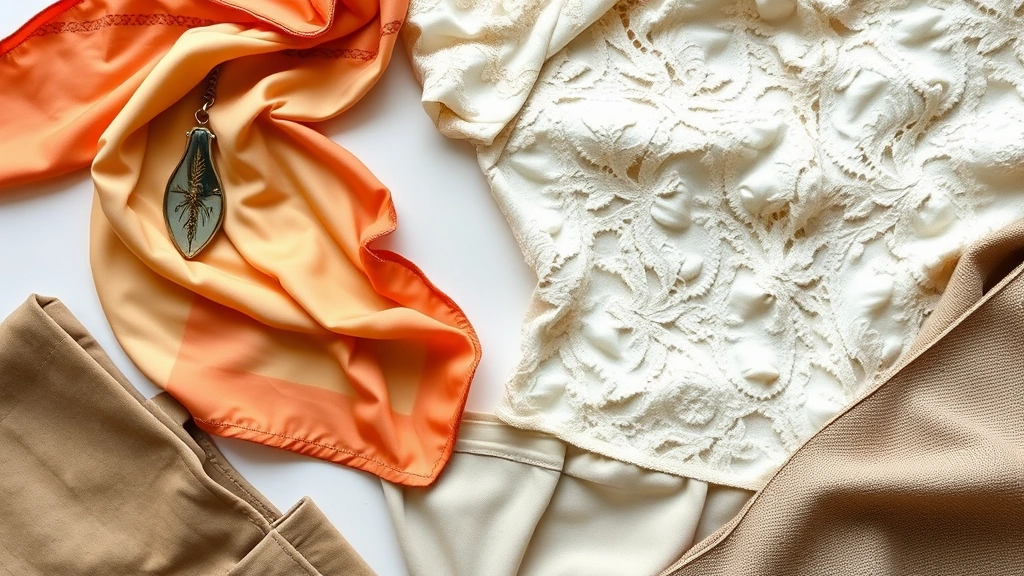
Layering offers sophisticated ways to incorporate vintage elements. A Victorian-inspired lace blouse becomes modern when paired with contemporary tailored trousers and minimalist accessories. A 1970s patterned silk scarf transforms a plain contemporary outfit into something with narrative depth. The key is intentionality—every vintage piece should feel like a deliberate choice rather than accidental thriftiness.
Color coordination between historical and contemporary pieces matters significantly. Vintage pieces often feature color palettes from their original era. Successfully integrating them requires either committing to that era’s palette entirely or choosing neutral contemporary pieces that allow the vintage item to stand out. A 1950s dress in jewel tones pairs beautifully with modern minimalist accessories in black or white.
Proportion awareness is essential when mixing eras. A oversized contemporary blazer pairs well with slim-fit vintage trousers. A fitted vintage dress balances beautifully with contemporary slouchy outerwear. Understanding silhouette relationships across decades allows you to create outfits that feel cohesive rather than confused.
For those interested in developing this skill systematically, learning how to style bomber jackets provides excellent practice in mixing historical pieces with contemporary items. Bomber jackets, originally military wear from the 1920s-30s, represent perfect examples of historical pieces that work beautifully in modern contexts.
The Psychology Behind Retro Fashion Revival
Fashion psychologists explain that retro fashion appeals to multiple psychological needs simultaneously. Nostalgia, the sentimental longing for the past, serves genuine psychological functions. It provides comfort, continuity, and a sense of identity. When we wear vintage or vintage-inspired clothing, we’re often accessing emotional memories—either personal or collective cultural memories.
The concept of “authenticity anxiety” also drives vintage fashion enthusiasm. In an era of mass production and fast fashion, vintage pieces feel more “real” because they carry genuine history. A 1960s dress wasn’t manufactured last month in a factory; it was worn, lived in, and carries actual temporal weight. This materiality creates psychological satisfaction that new clothing often cannot.
Psychologists also note that vintage fashion allows for identity experimentation. By adopting styles from different eras, we explore different versions of ourselves. A typically minimalist person might wear 1970s bohemian pieces on weekends, temporarily inhabiting a different aesthetic persona. This flexibility and experimentation feed psychological well-being.
The sustainability angle adds another psychological dimension. Wearing vintage or vintage-inspired clothing allows us to align our consumption with our values, reducing cognitive dissonance for environmentally conscious consumers. This alignment between values and behavior significantly impacts psychological satisfaction with our style choices.
Social signaling also plays a role. Vintage fashion communicates cultural literacy and historical awareness. It suggests that the wearer understands fashion deeply enough to reference and honor its history. This social dimension makes vintage fashion particularly appealing to fashion-conscious individuals seeking to communicate sophistication and intentionality.
Sustainable Fashion Through Historical Inspiration
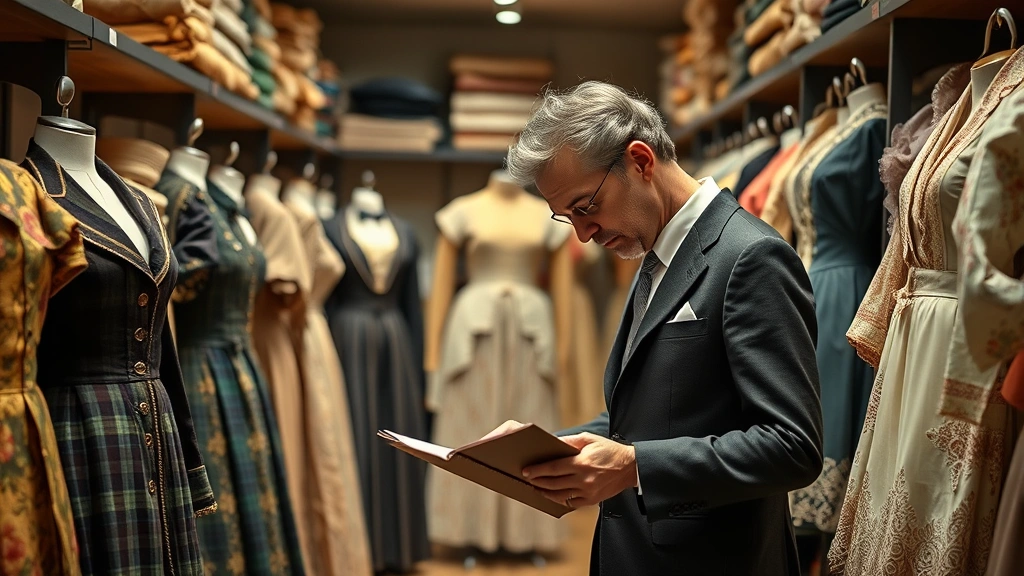
The intersection of historical fashion and sustainability represents one of the most compelling contemporary style narratives. Pre-fast fashion clothing was constructed to last—built with quality fabrics, reinforced seams, and timeless designs. By studying vintage garments and the construction methods that made them enduring, contemporary designers are revolutionizing sustainability practices.
Brands increasingly embrace “heritage craftsmanship,” deliberately evoking historical construction methods. Japanese denim brands like Momotaro and Iron Heart reference 1950s Levi’s construction techniques, creating jeans built to last decades rather than seasons. This approach honors historical knowledge while solving contemporary sustainability challenges.
The vintage secondhand market has exploded, with platforms like Depop, Vestiaire Collective, and The RealReal enabling consumers to access genuine historical pieces. This market represents a complete reversal of fast fashion logic—instead of constantly purchasing new items, consumers increasingly seek quality vintage pieces that have already proven their longevity.
Educational institutions are recognizing this shift. leading fashion design schools now incorporate sustainability and historical research into core curricula, teaching emerging designers to understand how historical construction methods can inform contemporary sustainable practices.
The concept of “slow fashion” draws directly from historical inspiration. Before industrialization, fashion operated on natural rhythms—seasonal changes, careful garment construction, and mindful consumption. Contemporary slow fashion advocates deliberately return to these historical principles, creating fewer pieces but with greater intention and quality.
Luxury brands like Hermès and Loro Piana have built their entire business models on heritage and historical continuity. By emphasizing their long histories and traditional craftsmanship, these brands command premium prices while maintaining strong sustainability credentials. Their success demonstrates that consumers increasingly value historical narrative and enduring quality over trendy novelty.
FAQ
What exactly does “ye ole fashioned” mean in contemporary style?
“Ye ole fashioned” refers to deliberately vintage or heritage-inspired aesthetic choices that honor historical fashion periods while maintaining modern relevance. It’s not about literal recreation but rather respectful reference to historical fashion principles, construction methods, and silhouettes. The deliberately archaic spelling often signals ironic awareness of the anachronism while celebrating genuine appreciation for historical design.
How can I incorporate vintage pieces without looking costumey?
The key is intentionality and proportion balance. Mix one significant vintage statement piece with contemporary basics. A 1950s dress works beautifully with modern sneakers and a contemporary jacket. Ensure your vintage piece fits well—tailoring is essential. Choose vintage pieces that feel personal rather than generic, and commit to the styling with confidence. Uncertainty reads as costume; confidence reads as style.
Are there specific historical periods that are more timeless than others?
Generally, mid-20th century fashion (1930s-1970s) offers the most accessible timeless references because these pieces were designed during periods of relative fashion stability. The 1950s in particular offers extremely wearable silhouettes and proportions that translate beautifully to contemporary contexts. However, elements from virtually every period can work when styled thoughtfully.
How do fashion historians view the current vintage fashion trend?
Most fashion historians view contemporary vintage enthusiasm positively, recognizing it as evidence of deeper fashion literacy. Rather than dismissing it as nostalgia, scholars see it as genuine engagement with fashion history. However, many emphasize the importance of understanding historical context—wearing a garment because you understand its design principles differs significantly from wearing it merely because it’s trendy.
Can sustainable fashion and vintage inspiration actually address fast fashion problems?
While vintage fashion and heritage-inspired sustainable practices cannot completely replace fast fashion, they represent meaningful alternatives for conscious consumers. The secondhand market diverts clothing from landfills, and learning historical construction methods enables contemporary designers to create more durable garments. The combination of these approaches, adopted widely, could significantly reduce fashion industry environmental impact.
Where can I learn more about fashion history to better understand style?
Fashion museums worldwide offer exhibitions and digital collections. The Metropolitan Museum of Art, Victoria & Albert Museum, and Fashion Institute of Technology all provide accessible fashion history resources. Books by fashion historians like Valerie Steele and Elizabeth Semmelhack offer comprehensive overviews. Additionally, following Style Loom Daily and other fashion history blogs provides ongoing education in digestible formats.