Vintage Invites: Timeless Style or Outdated?
In an era dominated by digital communication and instant messaging, the art of formal invitation design has undergone a fascinating transformation. Yet vintage invitation enclosures—those elegant, carefully crafted cards that once graced every formal occasion—continue to capture the hearts of style-conscious hosts and design enthusiasts worldwide. The question isn’t whether vintage invitations are outdated; rather, it’s about understanding how these timeless pieces have evolved to remain relevant in contemporary celebrations while honoring their rich historical significance.
The resurgence of interest in vintage invitation design reflects a broader cultural movement toward authenticity, craftsmanship, and meaningful communication. As we navigate an increasingly digital world, there’s something profoundly appealing about holding a beautifully designed card in your hands—a tangible representation of anticipation and celebration. This revival isn’t merely nostalgic; it’s a conscious choice to blend heritage aesthetics with modern sensibilities, creating invitations that feel both timeless and thoroughly current.
Whether you’re planning a wedding, milestone celebration, or formal gathering, understanding the enduring appeal of vintage invitations can elevate your event’s entire aesthetic. Let’s explore how these classic designs continue to define sophisticated entertaining and what makes them perpetually relevant to today’s style-forward hosts.
The Timeless Appeal of Vintage Invitation Design
Vintage invitation enclosures possess an inherent sophistication that transcends temporal boundaries. These cards represent a golden age of formal communication when every detail mattered—from the weight of the cardstock to the precise typography and carefully considered spacing. The appeal lies not in their age, but in the intentionality embedded within their design philosophy.
The craftsmanship evident in vintage invitations reflects a time when mass production hadn’t yet democratized design, making each invitation feel like a precious artifact. Today’s design-conscious hosts recognize this quality and seek to recreate it, understanding that finding your personal style extends beyond clothing into every aspect of entertaining and home design. Vintage invitations communicate something profound: that your guests matter enough to warrant thoughtful, deliberate presentation.
The psychological impact of receiving a beautifully designed vintage-style invitation cannot be overstated. In a world of digital noise, a tangible card creates an immediate sense of occasion and importance. Recipients instinctively treat physical invitations differently than digital ones, often preserving them as keepsakes. This emotional resonance explains why vintage-inspired invitations continue to dominate high-end event planning, from luxury weddings to exclusive galas.
Understanding Old Fashioned Invitation Enclosures
An old fashioned invitation enclosure refers specifically to the supplementary cards that accompanied main invitations, serving functional and decorative purposes. These enclosures historically included response cards, reception cards, direction cards, and ceremony cards—each with its own design considerations and placement protocols. Understanding their original function helps us appreciate why they remain valuable today.
Traditional invitation enclosures followed strict hierarchical systems. The main invitation card featured the primary event details in the largest, most prominent typography. Response cards were slightly smaller, establishing a clear visual hierarchy. Enclosure cards for additional information maintained consistency while remaining subordinate to the main invitation. This structured approach created visual coherence while ensuring essential information remained easily accessible.
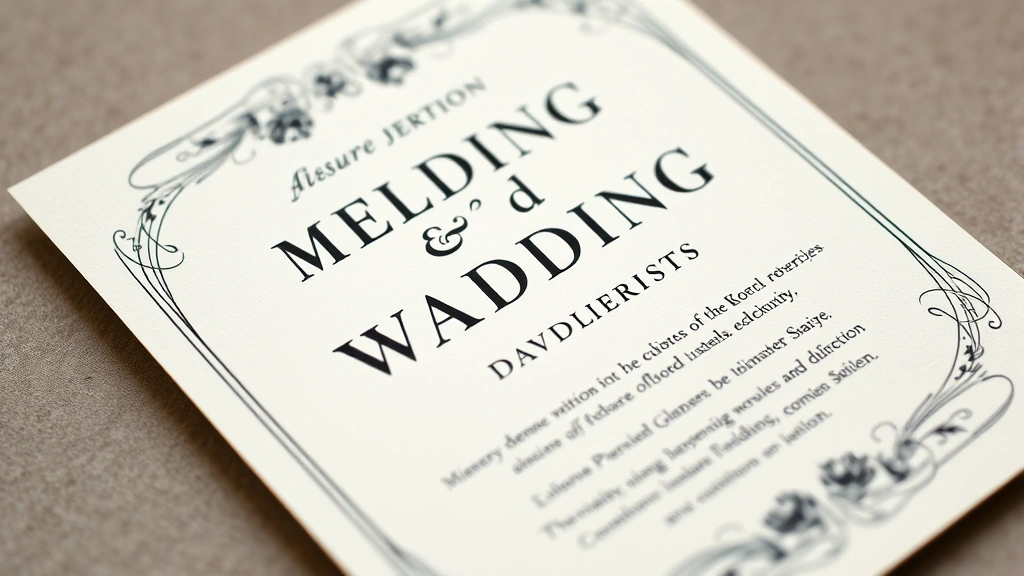
The beauty of vintage enclosure design lies in its restraint. Rather than overwhelming recipients with information, vintage designers employed negative space strategically, allowing typography and minimal ornamentation to create impact. Borders—whether simple lines, floral motifs, or decorative flourishes—framed content without competing for attention. This design principle remains fundamentally sound, which explains why studying fashion history provides valuable insights for contemporary design choices.
Vintage enclosures also established conventions around card stock selection, ink colors, and printing techniques. Cream and ivory cardstock dominated, with black ink for formal occasions and colored inks reserved for less formal celebrations. The choice of printing method—letterpress, engraving, or lithography—conveyed information about the event’s formality level and the host’s sophistication. These subtle signals remain powerful today.
Key Elements That Define Vintage Elegance
Several design elements consistently characterize vintage invitation enclosures, and understanding these components helps in both appreciating authentic vintage pieces and creating convincing modern interpretations. Typography serves as the foundation; vintage invitations typically employed serif fonts like Caslon, Garamond, or Bodoni, chosen for their formal elegance and readability. These typefaces convey tradition and refinement in ways that modern sans-serif fonts cannot replicate.
Ornamental details in vintage invitations operated under a principle of selective restraint. Rather than covering every available space, designers employed decorative elements—flourishes, botanical illustrations, geometric patterns—to highlight specific information or create visual breathing room. A simple floral vignette at the invitation’s top or bottom could transform a plain card into something memorable. Similarly, decorative borders framed content without overwhelming it.
Color palettes in vintage invitations reflected both aesthetic preferences and technical printing limitations. Monochromatic designs dominated formal occasions, with black ink on cream or white cardstock establishing timeless elegance. Two-color schemes introduced subtle sophistication, perhaps pairing black with gold or incorporating a delicate color for accent details. These conservative approaches ensured that invitations remained legible and elegant across varied lighting conditions and printing qualities.
The materiality of vintage invitations contributed significantly to their perceived value. Heavier cardstock conveyed quality and permanence. Texture—whether smooth, laid, or linen—added tactile dimension that digital invitations cannot provide. The sound and feel of opening an envelope containing a substantial card created a multisensory experience that heightened anticipation for the event.
Spacing and layout in vintage invitations demonstrated sophisticated understanding of visual design. Information was organized hierarchically, with the event type and date most prominent, followed by location and host details. Ample white space prevented the card from feeling cluttered, allowing each element to command appropriate attention. This principle of organized simplicity remains fundamental to contemporary design excellence.

Modern Interpretations of Classic Styles
Contemporary designers have embraced vintage invitation aesthetics while updating them for modern occasions and sensibilities. The most successful modern vintage-inspired invitations maintain the core design principles—hierarchy, restraint, quality materials—while incorporating contemporary elements that feel current rather than costume-like. This balance requires understanding both the historical context and present-day expectations.
Modern vintage interpretations often employ traditional typography but pair it with contemporary photography or illustration. A classic serif typeface combined with minimalist botanical watercolors creates an inviting fusion of old and new. Similarly, designers might utilize traditional printing techniques like letterpress alongside digital printing, creating layered, textured effects impossible with purely analog methods. These hybrid approaches feel authentic rather than imitative.
The resurgence of interest in 90s fashion aesthetics has also influenced invitation design, with some contemporary designers incorporating retro elements that bridge vintage elegance with recent nostalgia. Metallics, particularly rose gold and copper accents, add contemporary glamour to traditionally austere vintage designs. Subtle color gradients and modern calligraphy styles update classic invitation formats for younger, more design-forward hosts.
Digital tools have democratized vintage invitation design, allowing hosts without professional design training to create beautiful pieces. Online platforms offer vintage templates that can be customized with personal details, photographs, and color choices. While these tools sometimes produce overly trendy results, the best implementations maintain vintage design principles while leveraging modern technology’s accessibility and flexibility.
When Vintage Works: Event Types and Occasions
Vintage invitation enclosures prove particularly effective for specific event categories where formality, tradition, and elegance are paramount. Weddings represent the obvious choice; vintage invitations communicate the significance of the occasion while establishing the aesthetic tone for the entire celebration. Couples seeking timeless elegance rather than trendy modernity consistently choose vintage-inspired designs that will feel appropriate for decades to come.
Milestone celebrations—significant birthdays, anniversaries, and commemorative events—benefit tremendously from vintage invitation aesthetics. These occasions inherently emphasize history and continuity, making vintage design choices feel authentically aligned with the event’s purpose. An elegant vintage invitation for a 50th wedding anniversary or milestone birthday reinforces the significance of the celebration.
Formal galas, charity events, and exclusive social gatherings employ vintage invitation enclosures to communicate exclusivity and refined taste. The message conveyed by a beautifully designed vintage-style invitation suggests that the host possesses sophistication and attention to detail—qualities that extend to every aspect of the event. In competitive social environments, invitation design becomes a subtle but powerful status indicator.
Academic and professional events—award ceremonies, alumni celebrations, and formal dinners—utilize vintage invitation designs to establish credibility and tradition. Universities and professional organizations particularly favor vintage aesthetics, as they communicate institutional heritage and established reputation. The formality of vintage design aligns perfectly with these contexts.
However, vintage invitations don’t work equally well for all occasions. Casual gatherings, children’s parties, and trendy social events require different aesthetic approaches. Attempting to force vintage elegance onto inherently casual occasions can feel pretentious or misaligned with event expectations. The key is matching design choices to event context and audience expectations.
Blending Vintage with Contemporary Design
The most sophisticated approach to vintage invitations involves thoughtfully blending historical design principles with contemporary elements. This fusion respects vintage aesthetics while acknowledging that modern celebrations differ from their historical counterparts. Successful blending requires understanding what makes vintage design work and which contemporary elements enhance rather than undermine that aesthetic.
Color represents an accessible entry point for blending styles. While maintaining vintage typography and layout, designers might introduce contemporary color combinations—dusty rose with sage green, navy with copper, charcoal with blush—that feel current without abandoning vintage sensibility. These updated palettes honor traditional design while reflecting modern aesthetic preferences.
Photography integration offers another blending opportunity. Vintage invitations rarely featured photography, yet modern couples and hosts often wish to include images. Incorporating a single, elegantly positioned photograph in muted tones or black and white can enhance vintage aesthetics while providing contemporary visual interest. The key is restraint—a single, carefully chosen image maintains sophistication better than multiple photographs.
Typography pairing creates sophisticated blending when a traditional serif font is combined with a complementary contemporary sans-serif for supporting text. This approach maintains vintage formality while acknowledging modern design trends. The contrast between typefaces creates visual interest without feeling discordant or confused.
QR codes present an interesting case study in blending. While entirely contemporary, a QR code can be integrated into vintage invitation designs with minimal disruption if positioned thoughtfully and presented in a subtle manner. Some designers incorporate QR codes as part of decorative elements or place them on enclosure cards rather than the main invitation, maintaining primary card elegance.
The Style Loom Daily Blog regularly explores design trends that demonstrate how contemporary and vintage elements can coexist beautifully. The principle underlying successful blending involves maintaining visual hierarchy and design coherence—ensuring that new elements serve the overall composition rather than competing with it.

Sourcing Authentic Vintage Invitations
For those seeking genuine vintage invitations rather than contemporary recreations, several sourcing strategies prove effective. Antique dealers, estate sales, and online marketplaces like Etsy and specialized vintage paper retailers offer authentic vintage invitation enclosures. These genuine pieces provide valuable references for design inspiration and can occasionally be repurposed for contemporary celebrations if condition permits.
When sourcing authentic vintage invitations, condition assessment matters significantly. Cards should be stored properly—in acid-free sleeves, protected from light exposure—to preserve their integrity. Slight yellowing or minor wear adds character and authenticity; significant damage, staining, or deterioration detracts from both aesthetic appeal and usability.
Understanding printing and design conventions helps identify genuinely vintage pieces. Authentic vintage invitations display period-appropriate typography, printing techniques, and design sensibilities. Reproduction cards, while beautiful, often incorporate subtle anachronisms—modern typefaces, digital printing characteristics, or design elements inconsistent with the stated period.
Repurposing authentic vintage invitations for contemporary celebrations requires thoughtful consideration. A wedding invitation from the 1950s might serve as inspiration for modern designs rather than being used directly, unless the aesthetic aligns perfectly with contemporary expectations. Alternatively, vintage enclosures can be displayed as part of home décor or event design, creating nostalgia and conversation pieces without serving functional purposes.
Building relationships with vintage dealers and collectors provides ongoing access to quality pieces. Many dealers specialize in paper ephemera and can alert customers to significant finds matching specific aesthetic preferences or time periods. This curated sourcing often yields higher-quality pieces than general online searching.
Creating Your Own Vintage-Inspired Designs
Most contemporary hosts opt to create vintage-inspired invitations rather than source authentic pieces, combining the aesthetic appeal of vintage design with modern customization and functionality. Creating convincing vintage-inspired invitations requires attention to historical detail alongside intentional contemporary choices. Beginning with research proves invaluable; studying actual invitations from desired periods establishes authentic design parameters.
Selecting appropriate typography forms the foundation of vintage-inspired design. Serif fonts like Garamond, Caslon, Baskerville, or Didot establish immediately recognizable vintage character. These typefaces should be used generously for primary text, with supporting information in complementary sizes. Avoid mixing multiple serif fonts, which creates visual chaos; typically, one primary serif font with a single complementary font for supporting text maintains elegance.
Material selection significantly impacts the vintage authenticity of inspired designs. Cream or ivory cardstock replicates traditional choices better than bright white. Heavier cardstock (110 lb. or greater) conveys quality and permanence. Consider textured options—linen, laid, or felt finishes—that add tactile dimension. The physical experience of holding the invitation should feel substantial and intentional.
Printing technique choices affect the overall aesthetic meaningfully. Letterpress creates distinctive impressions and texture impossible with digital printing, communicating craftsmanship and luxury. Engraving produces raised, tactile lettering with historical authenticity. Digital printing offers affordability and customization flexibility, though it lacks the distinctive character of traditional methods. Many contemporary designers employ hybrid approaches, combining techniques to balance cost, authenticity, and customization.
Ornamental elements should enhance rather than overwhelm. A simple border, subtle corner flourishes, or small decorative vignettes add vintage character without creating visual clutter. Botanical illustrations, geometric patterns, or period-appropriate ornaments work well; contemporary graphics or photographic elements typically undermine vintage aesthetics unless specifically incorporated as deliberate design choices.
Information hierarchy remains crucial. Event type and date should command primary visual attention, followed by location and time details. Host information, reception details, and enclosure card information should occupy subordinate positions. This hierarchical organization prevents viewers from becoming overwhelmed and ensures essential information communicates clearly.
Consulting best fashion design schools resources and professional design publications provides ongoing inspiration and technical guidance. Professional designers often share techniques and principles applicable to invitation design, and studying their work accelerates the learning process.
Testing designs before committing to full production proves invaluable. Printing sample cards on candidate cardstock allows assessment of color accuracy, typography proportions, and overall aesthetic impact. What appears satisfactory on screen often requires adjustment when physically realized. Multiple iterations typically produce superior final results.
FAQ
Are vintage-style invitations appropriate for casual celebrations?
Vintage invitation aesthetics work best for formal occasions. Casual events—casual dinner parties, informal gatherings—typically require different design approaches. However, a simplified, less ornate vintage style might work for casual celebrations seeking understated elegance. The key is ensuring design choices align with event tone and guest expectations.
How much should vintage-inspired invitations cost?
Costs vary significantly based on printing method, customization level, and cardstock quality. Digital printing might cost $1-3 per invitation, while letterpress or engraving ranges from $3-8+ per invitation. Authentic vintage invitations vary widely depending on age, condition, rarity, and dealer pricing, from $10 to several hundred dollars for exceptional pieces.
Can I incorporate modern elements like QR codes into vintage designs?
Yes, though thoughtfully. QR codes can be integrated into vintage designs when positioned discretely—perhaps on enclosure cards rather than main invitations. Styling QR codes to complement the overall design (converting to muted colors, incorporating into decorative elements) helps maintain vintage aesthetics.
Where should I source vintage-inspired invitation designs?
Online platforms like Etsy, Minted, and Artifact Uprising offer vintage-inspired templates and custom design services. Professional stationery designers specialize in vintage aesthetics and can create fully customized designs. Local printers often possess expertise in traditional printing techniques valuable for vintage-inspired projects.
How do I ensure my vintage-inspired invitations feel authentic rather than costume-like?
Focus on historical accuracy regarding typography, color choices, and ornamental elements. Avoid mixing too many design styles or incorporating anachronistic elements. Study genuine vintage invitations from your target period to understand authentic design sensibilities. Restraint—using fewer, more intentional design elements—typically produces more authentic results than overcomplicated designs.
Can I use vintage invitations for modern celebrations like milestone birthdays?
Absolutely. Vintage invitation aesthetics work beautifully for milestone celebrations, which inherently emphasize history and continuity. The formality and elegance of vintage designs align perfectly with significant birthday celebrations, anniversaries, and commemorative events.
The enduring appeal of vintage invitation enclosures transcends mere nostalgia. These designs represent fundamental principles of sophisticated communication—clarity, hierarchy, restraint, and intentionality—that remain perpetually relevant regardless of contemporary trends. Whether you source authentic vintage pieces or commission vintage-inspired designs, these elegant cards communicate respect for your guests and commitment to meaningful celebration. In an increasingly digital world, the tactile, intentional beauty of vintage invitations provides refreshing counterpoint to ephemeral digital communication. By understanding vintage design principles and thoughtfully blending them with contemporary elements, today’s hosts can create invitations that feel both timeless and thoroughly current, establishing aesthetic tone while honoring the enduring power of beautiful, well-designed paper. The question isn’t whether vintage invitations are outdated—it’s whether you’ll embrace their timeless sophistication for your next celebration.