What is Capsule Wardrobe? Fashion Experts Explain
In today’s fast-paced world, the concept of a capsule wardrobe has revolutionized how people approach fashion and style. Rather than overflowing closets filled with unworn pieces, a capsule wardrobe focuses on curating a collection of versatile, high-quality essentials that work together seamlessly. This minimalist approach to fashion isn’t just about owning fewer clothes—it’s about making intentional choices that reflect your personal aesthetic while simplifying daily life.
Fashion experts worldwide have embraced this philosophy, recognizing that a well-designed capsule wardrobe eliminates decision fatigue, reduces waste, and creates endless outfit combinations from a limited number of pieces. Whether you’re a busy professional, a student, or someone seeking to streamline your life, understanding the principles of capsule dressing can transform your relationship with fashion and help you develop a cohesive personal style.
The beauty of a capsule wardrobe lies in its flexibility and sustainability. By investing in timeless pieces rather than chasing fleeting trends, you’re building a foundation that will serve you for years to come. This approach aligns perfectly with modern values of conscious consumption and environmental responsibility, making it both fashionable and ethical.
Understanding the Capsule Wardrobe Concept
A capsule wardrobe is a carefully curated collection of clothing essentials that can be mixed and matched to create multiple outfits. The term was popularized in the 1970s by fashion designer Susie Faux and later refined by American fashion consultant Donna Karan. The concept emphasizes quality, versatility, and personal style over quantity and trend-chasing.
The traditional capsule wardrobe typically consists of 30-40 pieces, though this number varies depending on lifestyle, climate, and personal preferences. These pieces include basics like white t-shirts, neutral-colored trousers, classic blazers, and timeless dresses that can be dressed up or down. The goal is to create a cohesive collection where almost every piece works with every other piece, maximizing outfit possibilities while minimizing the number of items you own.
Fashion experts emphasize that a capsule wardrobe is deeply personal. Unlike off-the-rack collections, your capsule should reflect your lifestyle, body type, climate, and aesthetic preferences. Someone living in a tropical climate will have different essentials than someone in a four-season environment. A corporate professional’s capsule differs from a creative freelancer’s, yet both benefit from the same organizational principles.
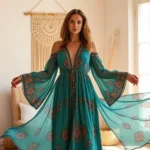
To truly understand capsule dressing, you must first find your personal style. This foundational step ensures that every piece you select genuinely resonates with you, making you more likely to wear each item repeatedly. When you understand your style preferences, building a cohesive wardrobe becomes intuitive rather than overwhelming.
[IMAGE_1]
Core Principles of Capsule Dressing
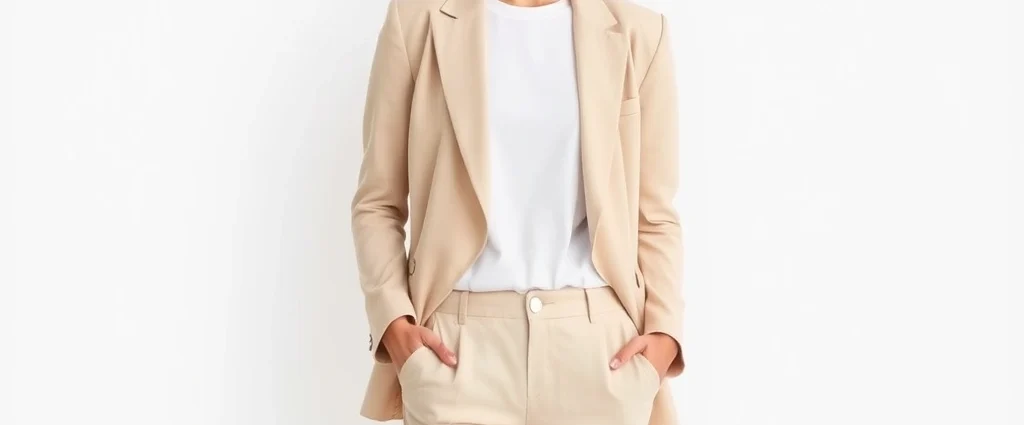
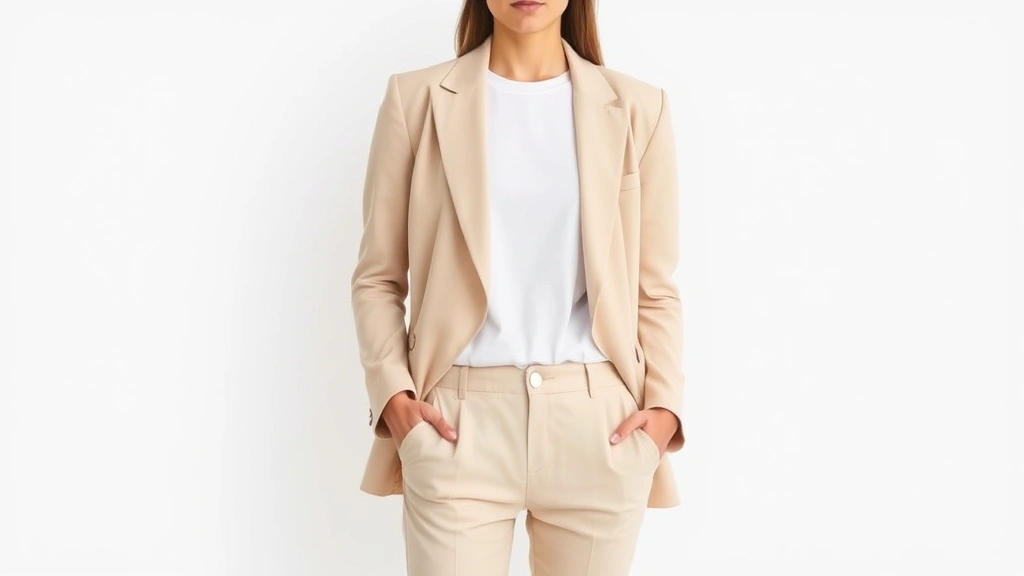
The foundation of successful capsule dressing rests on several core principles that fashion experts unanimously recommend. The first principle is versatility—every piece should work with multiple other items in your wardrobe. A neutral blazer should pair with casual jeans, professional trousers, and even skirts. This multiplier effect maximizes outfit combinations while minimizing closet space.
The second principle is timelessness. Rather than investing in trendy pieces that will feel dated within a season, capsule wardrobes prioritize classic designs that transcend seasonal fashion cycles. This doesn’t mean avoiding trends entirely; rather, it means choosing pieces with enduring appeal as your foundation and using accessories or seasonal pieces to incorporate current fashion elements.
Quality constitutes the third principle. Since you’ll be wearing each piece frequently, investing in well-made items with quality fabrics and construction is essential. A expensive garment that lasts five years is more economical and sustainable than a cheap piece worn twice. Fashion experts consistently recommend examining seams, fabric weight, and construction details before purchasing.
The fourth principle is intentionality. Every piece in your capsule wardrobe should serve a purpose and align with your lifestyle. If you work in a corporate environment, your capsule should reflect professional standards. If you’re a creative professional working from home, your pieces should balance comfort with polished aesthetics.
Finally, cohesion ties everything together. Your capsule pieces should share a unifying thread—whether through color palette, aesthetic style, or quality level. This cohesion ensures that pieces naturally complement each other without requiring extensive mental effort to coordinate outfits.
Building Your Foundation Pieces
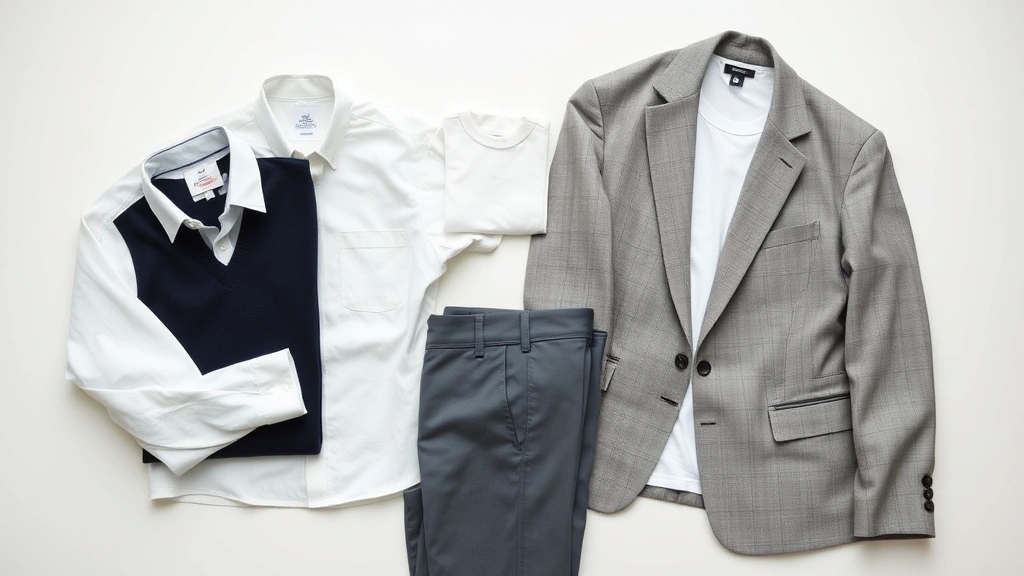
Foundation pieces form the backbone of any functional capsule wardrobe. These are the neutral, versatile basics that appear in multiple outfits throughout your week. According to style experts at Vogue, every capsule should include these essential items:
- White button-down shirt: The ultimate versatile piece that works in professional, casual, and creative contexts
- Well-fitting jeans: A classic denim style that flatters your body type in a neutral wash
- Neutral trousers: Tailored pants in black, navy, or gray for professional and elevated casual wear
- Basic t-shirts: Multiple neutral-colored tees in quality cotton for layering and casual wear
- Structured blazer: A classic blazer that instantly elevates any outfit and works across multiple contexts
- Simple sweaters: Crew neck or v-neck sweaters in neutral colors for layering and warmth
- Neutral dress: A simple, timeless dress that can be styled multiple ways
- Comfortable flats: Neutral shoes suitable for casual and professional settings
Beyond these basics, add pieces that reflect your specific lifestyle. If you attend business meetings, include tailored pencil skirts or additional professional trousers. If you enjoy outdoor activities, include quality athletic basics. The key is selecting foundation pieces that you’ll genuinely wear repeatedly, not items that simply sound like capsule wardrobe essentials.
Many fashion professionals recommend starting with a smaller capsule of 20-30 pieces and gradually expanding as you identify gaps and preferences. This approach prevents impulse purchases and allows you to understand which pieces you actually wear. You might discover that you never wear certain items, revealing important information about your authentic style preferences.
Color Palette Strategy
A cohesive color palette is perhaps the most important element of a successful capsule wardrobe. Fashion experts recommend selecting 2-3 neutral base colors and 2-3 accent colors that complement your skin tone, hair color, and personal preferences. This limited palette ensures that virtually every piece coordinates with every other piece.
Common neutral bases include black, white, navy, gray, beige, and cream. These versatile neutrals serve as the foundation for your capsule and should comprise approximately 80% of your wardrobe. They’re timeless, easy to coordinate, and work across seasons and occasions.
Accent colors add personality and visual interest to your outfits. Popular choices include jewel tones like emerald, sapphire, and burgundy, or warm tones like camel, rust, and olive. Rather than incorporating random colors, choose accent colors that harmonize with your neutral base and complement your complexion. A color consultant or personal stylist can help determine which colors flatter you most.
The strategic use of color creates visual cohesion in your wardrobe. When someone wearing a capsule wardrobe changes outfits, observers notice the different combination rather than disconnected, clashing pieces. This polished appearance stems directly from thoughtful color coordination.
Accessories provide another avenue for introducing color and pattern without overwhelming your capsule. Scarves, belts, jewelry, and bags in various colors and prints allow seasonal updates and style variations while maintaining your core color palette. This flexibility is one of the greatest advantages of capsule dressing.
Layering and Versatility
Mastering layering techniques dramatically increases the versatility of your capsule wardrobe, especially if you live in a climate with temperature variations. Layering allows single pieces to function across multiple seasons and occasions. A lightweight sweater worn alone suits summer evenings, while layered under a blazer it becomes professional attire.
Effective layering requires understanding proportions and fabric weights. Pairing a fitted base layer with a structured outer layer creates balanced silhouettes. Conversely, combining loose pieces can result in shapeless outfits. Quality basics in appropriate weights—thin tees for layering, medium-weight sweaters for standalone wear or light layering—enable sophisticated combinations.
Fashion stylists recommend including pieces specifically designed for layering. Fitted long-sleeve shirts layer beautifully under t-shirts and sweaters. Cardigans and lightweight jackets add dimension without bulk. Vests create visual interest while allowing arm movement. These layering pieces exponentially increase outfit possibilities from your core capsule items.
Seasonal layering strategies deserve special attention. In winter, incorporate heavier sweaters, structured coats, and thermal basics. Spring and fall call for lighter layers like chambray shirts, linen blazers, and cotton cardigans. Summer requires breathable base layers and lightweight covers for sun protection and air-conditioned environments. This seasonal flexibility extends your capsule’s functionality year-round.
Quality Over Quantity
The investment philosophy underlying capsule wardrobes fundamentally differs from fast fashion approaches. Rather than buying numerous cheap pieces, capsule dressing emphasizes purchasing fewer items of superior quality. This approach provides better value, greater longevity, and reduced environmental impact.
When evaluating quality, examine several factors. Fabric composition matters significantly—natural fibers like cotton, wool, linen, and silk typically outperform synthetic alternatives in durability and comfort. Check fabric weight; heavier fabrics generally last longer than lightweight versions. Construction quality reveals itself through examining seams (should be straight and secure), hems (finished neatly), and closures (zippers and buttons should operate smoothly).
Brand reputation provides useful guidance, though expensive doesn’t always mean quality. Mid-range brands often deliver excellent value compared to fast fashion or luxury extremes. Reading reviews, examining garment care requirements, and assessing return policies help ensure your investment purchases meet expectations.
Proper care extends garment lifespan significantly. Following care label instructions, washing appropriately, and storing items correctly prevents premature deterioration. Many capsule wardrobe enthusiasts find that investing in quality cleaning services for delicate items extends their wardrobes’ longevity and maintains appearance.
The financial aspect of quality investment often surprises people. While individual pieces cost more, the cost-per-wear decreases dramatically when you wear each item frequently. A $150 blazer worn 100 times costs $1.50 per wear, while a $30 fast fashion blazer worn three times costs $10 per wear. Quality investment is economically sound, especially for capsule wardrobes emphasizing repeated wear.
Seasonal Adaptations
Successful capsule wardrobes adapt seasonally while maintaining core principles. Rather than completely replacing your wardrobe each season, strategic updates allow your existing pieces to remain relevant while accommodating climate and fashion shifts. This approach balances consistency with freshness.
Seasonal capsule updates typically involve 5-10 additional pieces that work with your core wardrobe. Winter additions might include a wool coat, thermal layers, and winter boots. Summer updates could feature lightweight dresses, linen shirts, and sandals. Spring and fall pieces bridge seasons with transitional layers like cardigans and light jackets.
Many fashion experts recommend rotating pieces seasonally, storing off-season items to reduce daily closet clutter. This practice helps you see what you actually wear and identifies pieces that never leave storage—valuable information for future purchasing decisions. Proper storage in breathable containers, with moth prevention for woolens, preserves garment quality during off-season months.
Seasonal color variations add visual interest without disrupting your capsule’s cohesion. While maintaining your neutral base year-round, accent colors can shift slightly. Winter might emphasize jewel tones and deep colors, while summer could showcase lighter, brighter accents. This subtle variation keeps your wardrobe feeling current without requiring complete overhauls.
Accessories provide the easiest seasonal updates. Lightweight scarves and sandals for summer, chunky knits and boots for winter, and transitional pieces for spring and fall refresh your capsule with minimal investment. This accessory-focused approach maintains wardrobe consistency while accommodating seasonal needs.
Creating Outfit Combinations
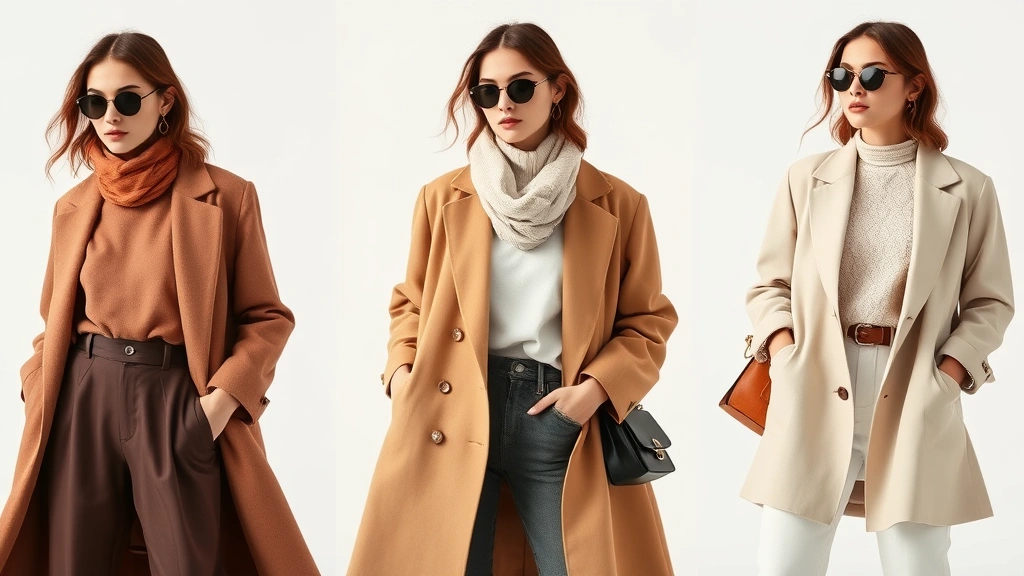
The ultimate test of a successful capsule wardrobe is outfit versatility. A well-designed capsule should create 30+ distinct outfits from 30-40 pieces. This multiplication effect stems from thoughtful piece selection and strategic color coordination. Fashion experts often demonstrate this potential by photographing various combinations from single capsules.
To maximize combinations, consider how pieces function in different contexts. A neutral blazer works professionally over a white shirt and tailored trousers, casually over jeans and a tee, and creatively with a patterned dress. This versatility multiplies outfit possibilities exponentially compared to pieces with single-purpose applications.
Building outfits from your capsule becomes intuitive once you understand your pieces’ relationships. Start with a foundation piece—perhaps tailored trousers—then add a top, layer, and accessories. The neutral base ensures pieces coordinate while accent pieces add personality. This systematic approach prevents outfit anxiety and ensures polished results.
Fashion stylists recommend documenting your capsule outfits, either through photos or outfit planning apps. This documentation serves multiple purposes: it reminds you of forgotten combinations, helps identify gaps in your wardrobe, and provides inspiration on rushed mornings. Many people discover that they wear far fewer combinations than their wardrobe size suggests, revealing purchasing patterns to modify.
Accessories deserve special attention in outfit creation. A simple outfit transforms dramatically with different jewelry, scarves, belts, or bags. This accessory flexibility allows you to create distinct looks while maintaining outfit coherence. A professional daytime outfit becomes evening-appropriate with jewelry changes. Casual weekend wear becomes polished with different footwear and bag choices.
For those seeking to explore different style directions, understanding how to incorporate fashion inspiration from different eras can inform your capsule building. Similarly, browsing contemporary style options like current fashion-forward pieces helps you identify which trends align with your capsule aesthetic versus which are fleeting.
According to Harper’s Bazaar, fashion editors increasingly recognize capsule wardrobes as essential to maintaining a polished personal image while reducing decision fatigue. Professional stylists and fashion consultants consistently recommend this approach to clients seeking wardrobe solutions.
FAQ
How many pieces should a capsule wardrobe contain?
A traditional capsule wardrobe contains 30-40 pieces, though this number varies based on lifestyle, climate, and personal preferences. Some people thrive with smaller capsules of 20-25 pieces, while others prefer 50+ pieces. The key is selecting pieces you genuinely wear and that work together cohesively. Start with 25-30 pieces and adjust based on what you discover about your actual style and lifestyle needs.
Can I have a capsule wardrobe in a warm climate?
Absolutely. Warm-climate capsules emphasize lightweight, breathable fabrics like cotton, linen, and silk. Include sleeveless and short-sleeved tops, lightweight dresses, and shorts alongside your neutral base. Layering becomes less important, but accessories like sunglasses, hats, and lightweight scarves become more essential. The foundational capsule principles apply regardless of climate; you simply adjust fabric types and sleeve lengths accordingly.
How do I start building a capsule wardrobe?
Begin by assessing your lifestyle and identifying your authentic style preferences. Examine your current wardrobe to discover which pieces you wear repeatedly and which languish unworn. Select 2-3 neutral base colors and 2-3 accent colors that complement your complexion. Start with basic foundation pieces like neutral trousers, white shirts, and simple sweaters. Gradually add pieces that reflect your lifestyle and style preferences. Quality matters more than quantity, so invest thoughtfully rather than buying numerous cheap items.
Is a capsule wardrobe expensive?
A capsule wardrobe requires higher upfront investment than fast fashion approaches, but provides better long-term value. A 30-piece capsule purchased at $100-150 per piece averages $3,000-4,500, while a similar-sized fast fashion wardrobe might cost $1,500 initially but requires frequent replacement. When calculating cost-per-wear over years of use, quality capsule pieces typically cost less overall. Additionally, you can build a capsule gradually, spreading costs across months or years rather than purchasing everything simultaneously.
Can I incorporate trends into a capsule wardrobe?
Yes, but strategically. Keep your core pieces timeless and trend-resistant. Incorporate trends through accessories, seasonal pieces, and accent items rather than foundation basics. If a trend genuinely excites you and aligns with your style, consider whether it will work with your existing pieces and whether you’ll wear it for multiple seasons. This balanced approach allows fashion enjoyment without compromising capsule principles or purchasing items you’ll outgrow quickly.
What if my lifestyle changes?
Capsule wardrobes naturally accommodate lifestyle changes. If you transition from office work to remote work, you might reduce professional pieces and add comfortable casual basics. If you begin attending more social events, incorporate dressier pieces. The capsule approach’s flexibility allows modifications without requiring complete wardrobe overhauls. This adaptability makes capsule dressing sustainable across life’s transitions.
How do I prevent my capsule from becoming boring?
Accessories prevent capsule monotony while maintaining wardrobe cohesion. Invest in varied jewelry, scarves, belts, and bags that work with your neutral base. Seasonal updates introduce fresh pieces while maintaining your color palette. Experimenting with layering, different styling approaches, and accessory combinations creates visual variety from consistent pieces. Many people find that limiting choices actually increases creativity as they discover novel combinations from familiar pieces.
Should I follow specific fashion designers when building my capsule?
While studying fashion design principles can inform your choices, your capsule should reflect your personal style rather than copying specific designers. However, studying how renowned designers like Jil Sander, Céline, and The Row approach minimalism and timelessness provides valuable inspiration. These designers emphasize quality, simplicity, and versatility—core capsule principles.
For those interested in deeper exploration of fashion philosophy, The Fashion Spot offers extensive resources on capsule dressing and sustainable fashion. Additionally, Elle regularly features expert guidance on building functional, stylish wardrobes. The Fashion Institute of Technology provides educational resources on fashion theory and personal styling.
If you’re interested in sharing your capsule wardrobe journey or fashion insights, consider exploring how to start a fashion blog. The capsule wardrobe philosophy aligns perfectly with content creation, allowing you to document your style evolution while building community around sustainable fashion practices. Visit the Style Loom Daily Blog for additional fashion and style insights that complement your capsule wardrobe journey.