
Dystopian Fashion Trends: Designer Insights and Future-Forward Style
The intersection of fashion and dystopian aesthetics has evolved from niche subculture into mainstream design philosophy. What began as edgy rebellion against conventional style has transformed into a sophisticated commentary on technology, society, and human identity. Today’s most innovative designers are drawing inspiration from dystopian narratives, creating garments that challenge our perception of beauty, function, and purpose in an increasingly complex world.
Dystopian fashion represents more than leather, chains, and dark palettes—it embodies a philosophical approach to dressing that questions status quo aesthetics and embraces unconventional materials, silhouettes, and construction methods. From high-fashion runways to street style, this trend reflects our collective anxiety about the future while simultaneously celebrating human resilience and creativity. Understanding dystopian fashion requires exploring how designers interpret technological advancement, environmental concerns, and social upheaval through wearable art.
Understanding Dystopian Fashion Philosophy
Dystopian fashion emerges from a conceptual framework that reimagines clothing as a tool for resistance, adaptation, and self-expression in imagined futures. Unlike traditional fashion cycles driven by seasonal trends, fashion forward designers approach dystopian aesthetics as a lens through which to examine contemporary issues. The philosophy acknowledges that our current moment—marked by digital surveillance, climate anxiety, and social fragmentation—naturally influences how we dress and present ourselves to the world.
The dystopian aesthetic draws heavily from science fiction literature, cyberpunk movements, and speculative design. Designers reference works like “Blade Runner,” “The Handmaid’s Tale,” and “Neuromancer” as visual and conceptual touchstones. These narratives provide a vocabulary for discussing power dynamics, identity, and survival through clothing choices. When a designer creates a garment with exposed hardware, unconventional proportions, or utilitarian elements, they’re not simply pursuing novelty—they’re engaging in a conversation about how humans adapt to and resist systemic change.
This trend also reflects genuine shifts in how we understand personal style. Rather than conforming to predetermined aesthetic categories, contemporary dressers increasingly embrace hybrid identities and mixed influences. Finding your personal style now often means synthesizing dystopian elements with other influences, creating unique expressions that feel authentic to individual narratives.

Key Design Elements and Materials Innovation
Dystopian fashion distinguishes itself through specific design vocabulary and material choices that prioritize function, visual impact, and conceptual meaning. Understanding these elements helps contextualize why certain garments resonate within this aesthetic movement.
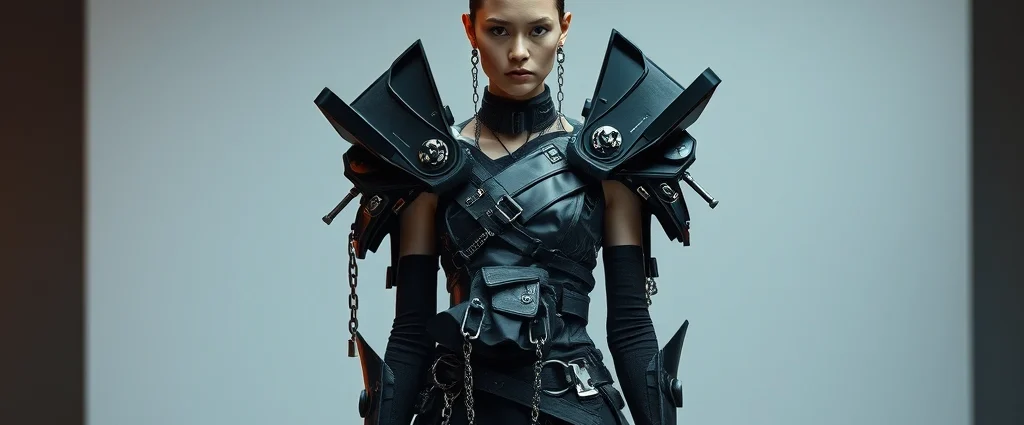
Silhouettes and Construction: Dystopian designers frequently employ exaggerated proportions, asymmetrical cuts, and unexpected structural elements. Oversized shoulders, extended sleeves, and irregular hemlines create visual tension and challenge traditional notions of flattering fit. Many pieces feature deconstructed elements—exposed seams, visible construction details, and layered fabrics—that deliberately showcase the mechanics of garment-making rather than concealing them.
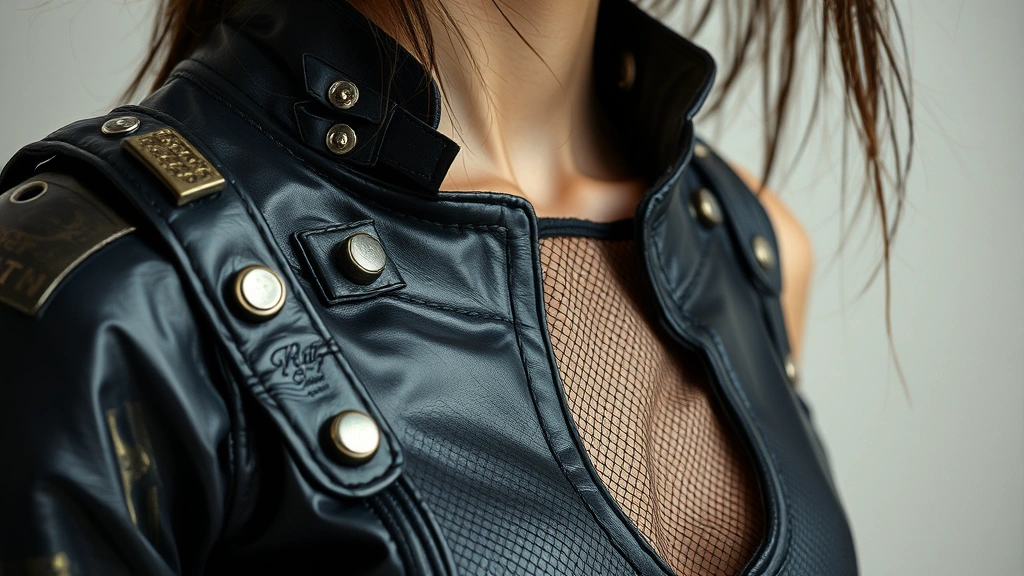
Material Innovation: Beyond traditional fabrics, dystopian fashion embraces unconventional materials including technical synthetics, industrial textiles, recycled polymers, and bio-fabricated materials. Designers experiment with vinyl, metallic coatings, mesh combinations, and even lab-grown alternatives. These material choices serve dual purposes: they create distinctive visual and tactile experiences while often addressing sustainability concerns. StyleLoom Daily Blog frequently explores how emerging materials revolutionize fashion design.
Hardware and Embellishment: Chains, buckles, straps, and industrial fasteners appear throughout dystopian pieces, but with intentional purpose rather than decorative excess. These elements often reference utilitarian fashion, military gear, and safety equipment. When deployed thoughtfully, hardware becomes structural and conceptual, suggesting restraint, protection, or modification of the body.
Color Palette: While black dominates dystopian aesthetics, contemporary designers increasingly incorporate metallic accents, neon highlights, and unexpected color combinations. These choices reflect digital interfaces and technological environments. The juxtaposition of dark neutrals with electric brights creates visual dissonance that mirrors the aesthetic’s underlying tensions.
Layering and Modular Design: Many dystopian pieces feature removable elements, adjustable components, and layering opportunities. This modularity reflects both practical adaptation and philosophical flexibility—garments that evolve with changing circumstances mirror how individuals adapt to uncertain futures.
Designer Perspectives on Future Fashion
Leading designers across the globe share insights into why dystopian aesthetics resonate in contemporary fashion culture. Their perspectives reveal how this trend transcends novelty to address genuine concerns about technology, identity, and human connection.
Vogue has documented how established fashion houses increasingly incorporate dystopian elements into collections. Designers explain that this approach allows them to explore complex themes while maintaining visual distinctiveness in crowded markets. The aesthetic provides permission to experiment with proportions, materials, and construction methods that traditional fashion gatekeepers might otherwise reject.
Independent and emerging designers often embrace dystopian fashion more radically, using the aesthetic to challenge fashion industry conventions entirely. Many view their work as explicitly political—rejecting beauty standards, questioning consumption patterns, and advocating for sustainable alternatives. These designers see dystopian fashion not as escapism, but as urgent commentary on present realities.
The philosophical dimension proves equally important. Designers discuss how dystopian fashion encourages wearers to question assumptions about normalcy, beauty, and appropriateness. A garment that appears unconventional or unsettling prompts reflection on why we hold certain aesthetic preferences and what cultural narratives shape our taste. This critical engagement transforms clothing from passive consumption into active philosophical participation.
Interestingly, many designers note that dystopian fashion attracts wearers seeking authenticity and meaning beyond trend cycles. Rather than chasing seasonal shifts, dystopian enthusiasts commit to the aesthetic because it aligns with personal values and worldviews. This creates more engaged, loyal communities around dystopian fashion brands and designers.
When exploring Fashion Nova dresses and contemporary ready-to-wear, you’ll notice dystopian influences increasingly appear alongside traditional offerings, demonstrating mainstream adoption of these once-niche elements.
Technology Integration in Dystopian Wear
The relationship between technology and dystopian fashion extends beyond aesthetic inspiration to actual integration of digital elements and smart materials into garments. This convergence represents one of the most exciting frontiers in contemporary fashion design.
Smart Fabrics and Responsive Materials: Designers experiment with fabrics that change color, texture, or properties in response to environmental stimuli or digital signals. Thermochromic materials, photochromic textiles, and LED-embedded garments create visual effects that blur boundaries between fashion and technology. These innovations appeal to dystopian aesthetics while offering practical functionality.
Wearable Technology: Rather than hiding technological components, dystopian designers often foreground them as design elements. Visible circuitry, exposed processors, and integrated devices become aesthetic features rather than shameful necessities. This approach reflects cyberpunk philosophy where human-technology integration becomes normalized and celebrated.
Digital Identity and Customization: Some designers explore how clothing might incorporate digital identity markers, customizable elements, or blockchain-authenticated pieces. These experiments raise fascinating questions about authenticity, ownership, and identity in digital environments.
Sustainability Through Technology: Advanced manufacturing technologies—3D knitting, zero-waste cutting algorithms, and on-demand production—enable designers to create dystopian pieces with reduced environmental impact. Technology becomes a tool for addressing the ethical concerns embedded in dystopian narratives.
The intersection of fashion design degree programs and technology departments increasingly produces graduates fluent in both disciplines, accelerating innovation in this space.
Sustainability and Ethical Considerations
Dystopian fashion’s relationship with sustainability proves complex and philosophically rich. Rather than promoting consumption, many designers within this movement explicitly critique fast fashion and advocate for conscious consumption patterns.
Material Ethics: Designers prioritize recycled, upcycled, and lab-grown materials that reduce environmental impact while maintaining aesthetic integrity. Dystopian fashion’s embrace of unconventional materials naturally aligns with sustainable alternatives. A designer creating pieces from recycled ocean plastic or mycelium leather isn’t compromising vision—they’re enhancing it with meaningful substance.
Longevity and Timelessness: Unlike trend-driven fashion, dystopian pieces often feature timeless qualities that transcend seasonal cycles. Investment in well-constructed dystopian garments means wearing them for years, reducing the consumption cycle that defines fast fashion.
Production Transparency: Many dystopian fashion brands prioritize transparent supply chains and ethical labor practices. The aesthetic’s association with resistance and authenticity attracts consumers who research production methods and demand accountability from brands.
Conceptual Sustainability: Beyond material and labor concerns, dystopian fashion addresses psychological sustainability. By creating garments that genuinely express identity and values, designers enable wearers to feel authentic in their clothing choices, reducing the compulsive consumption that emerges from dissatisfaction with available options.
The philosophical underpinnings of dystopian fashion naturally align with sustainability movements, making this aesthetic particularly appealing to environmentally conscious consumers. Rather than viewing sustainable fashion as compromise, dystopian designers demonstrate how ethical practices can enhance creativity and impact.
Building Your Dystopian Wardrobe
Embracing dystopian fashion doesn’t require complete wardrobe overhaul or excessive spending. Strategic choices allow you to incorporate these elements authentically while maintaining personal style and practical functionality.
Start with Foundational Pieces: Black fitted clothing provides neutral canvas for dystopian elements. Well-constructed basics in quality fabrics create professional foundation while allowing experimental layering and accessorizing. This approach proves particularly valuable if you work in environments with dress codes.
Invest in Statement Pieces: Rather than buying numerous inexpensive items, select fewer high-quality pieces that genuinely excite you. A well-designed jacket with interesting construction, unexpected proportions, or innovative materials creates impact and justifies investment. Quality construction ensures longevity, aligning with sustainability values.
Experiment with Layering: Dystopian fashion excels at creating visual complexity through strategic layering. Combine unexpected textures, lengths, and silhouettes to develop personal aesthetic language. This approach allows gradual integration of dystopian elements without dramatic style shifts.
Accessorize Intentionally: Chains, straps, bags, and footwear offer accessible entry points for dystopian aesthetics. Hardware-heavy accessories, unconventional bags, and statement boots immediately signal dystopian sensibility without requiring extensive wardrobe changes.
Source Thoughtfully: Support independent designers and brands aligned with your values. Research production methods, material sourcing, and brand philosophy. The dystopian fashion community values authenticity—choosing brands with genuine commitment to their aesthetic and ethics matters.
Thrift and Upcycle: Dystopian fashion celebrates unconventional materials and modified garments. Thrifting offers opportunities to discover unique pieces and reduce consumption. Many dystopian enthusiasts upcycle vintage clothing, adding elements or altering construction to align with personal aesthetic.
Develop Personal Interpretation: Rather than copying specific looks, develop your unique dystopian style interpretation. Consider which elements resonate—do you emphasize technological integration, sustainability, silhouette experimentation, or conceptual depth? Your personal style should feel authentic and meaningful.
FAQ
What exactly defines dystopian fashion?
Dystopian fashion encompasses clothing designed with inspiration from speculative futures, emphasizing unconventional materials, exaggerated silhouettes, technological elements, and often carrying philosophical commentary on society, technology, and human identity. It prioritizes conceptual depth alongside aesthetic innovation.
Is dystopian fashion only black and dark colors?
While black dominates the palette, contemporary dystopian fashion increasingly incorporates metallic accents, neon highlights, and unexpected colors. The emphasis remains on creating visual impact and conveying meaning rather than strict color limitations.
Can I wear dystopian fashion in professional settings?
Absolutely. Many dystopian pieces work beautifully in professional contexts when styled thoughtfully. A structured jacket with interesting proportions, quality basics, and minimal hardware creates sophisticated dystopian-influenced looks appropriate for offices and formal settings.
How is dystopian fashion different from goth or grunge aesthetics?
While dystopian fashion shares historical roots with goth and grunge movements, it differs through explicit engagement with technology, future speculation, and conceptual depth. Dystopian fashion often incorporates advanced materials and technological elements that distinguish it from primarily historical or nostalgic aesthetics.
Where can I find dystopian fashion brands?
Independent designers, emerging fashion labels, and increasingly established fashion houses incorporate dystopian elements. Online platforms, fashion publications like Vogue, and specialized fashion communities provide excellent resources for discovering brands aligned with dystopian aesthetics.
Is dystopian fashion sustainable?
Many dystopian designers prioritize sustainability through innovative materials, ethical production, and creating timeless pieces encouraging longevity. However, sustainability varies by brand—research production methods and materials to ensure alignment with your values.
How do I start incorporating dystopian elements without completely changing my style?
Begin with accessories like hardware-heavy bags or statement boots. Add layering pieces with interesting proportions. Experiment gradually, allowing your personal interpretation to develop naturally rather than forcing immediate dramatic changes.
What’s the philosophy behind dystopian fashion?
Dystopian fashion engages with contemporary anxieties about technology, environment, and social change through wearable commentary. It questions conventional aesthetic standards, encourages critical thinking about identity and presentation, and often advocates for sustainable, authentic approaches to personal style.