
Bug Fashion Trends: Entomologist Insights on Nature’s Style Revolution
When we think of fashion inspiration, nature’s smallest creatures rarely come to mind—yet insects have quietly become one of the most transformative influences in contemporary design. Entomologists studying insect biomechanics and structural coloration have unlocked secrets that fashion designers are now translating into groundbreaking collections. This bug fashion reveal turns around our entire understanding of sustainable style, proving that the tiniest organisms on Earth possess the most sophisticated aesthetic principles. From iridescent beetle shells to the geometric precision of honeycomb patterns, insects offer a masterclass in color theory, texture, and functional design that’s reshaping how we approach clothing and accessories.
The intersection of entomology and fashion represents more than a fleeting trend—it’s a fundamental shift in how designers source inspiration and create garments. Leading fashion houses are collaborating with entomologists to decode the structural properties that give insects their stunning visual appeal, resulting in fabrics that shimmer without synthetic dyes and patterns that emerge from pure mathematics. As consumers increasingly demand sustainable and innovative fashion, these insect-inspired designs are becoming the ultimate status symbol for style-forward individuals who understand that true luxury lies in the marriage of nature and innovation.
The Science Behind Insect Aesthetics
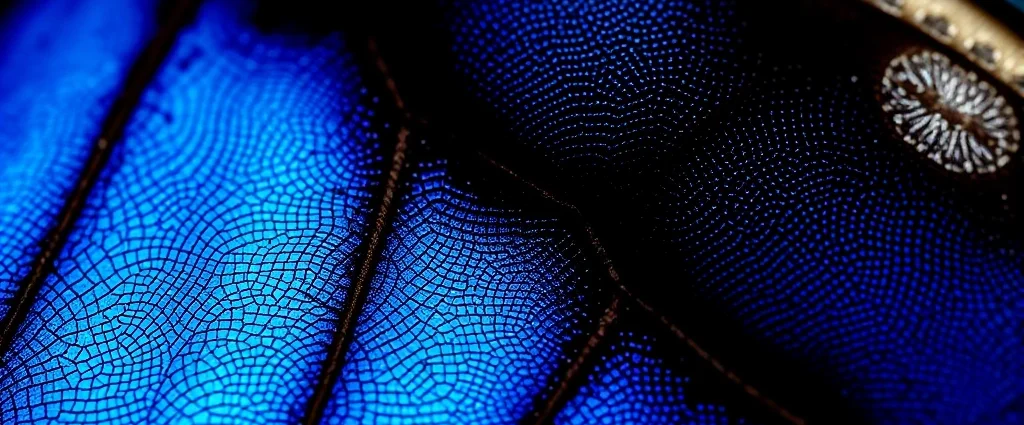
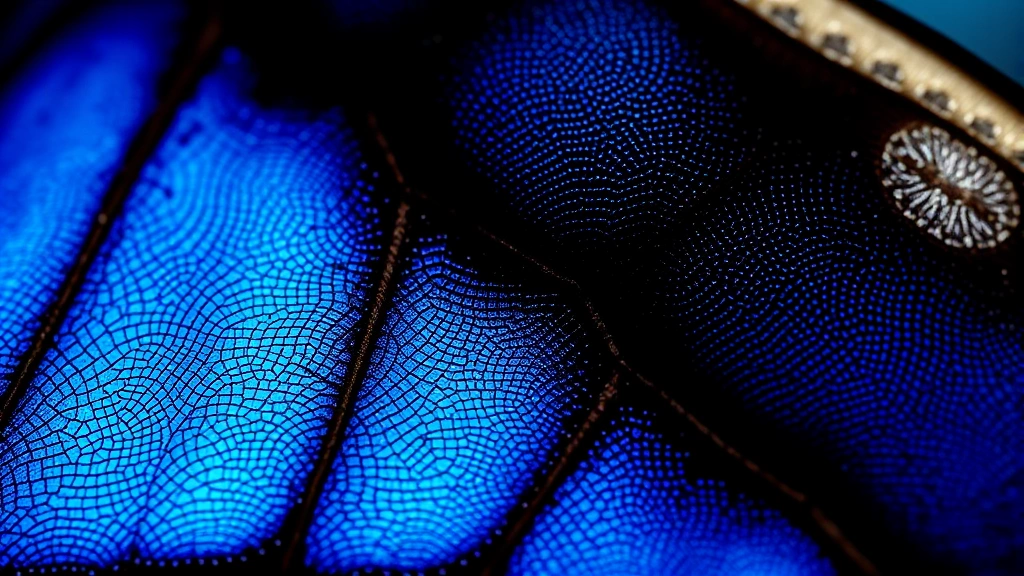
Entomologists have spent decades studying why insects possess such visually captivating appearances, and their findings are revolutionizing fashion design. Unlike mammals that rely on pigmentation for coloration, many insects employ structural coloration—a phenomenon where light interacts with microscopic structures to create brilliant hues. Morpho butterflies, for instance, display an ethereal blue that doesn’t come from blue pigment but from the precise layering of scales that refract light. This discovery has profound implications for sustainable fashion, as it suggests alternatives to chemical dyes that harm our environment.
The architectural brilliance of insects extends beyond color. Beetles display iridescence that shifts with viewing angle, creating a dynamic visual experience that static fabrics cannot replicate. Dragonfly wings feature microscopic ridges that reduce water resistance and increase aerodynamic efficiency—principles now being applied to performance fabrics. When fashion designers understand these biological systems, they can create garments that are not only visually stunning but also functionally superior. This convergence of science and style is what makes the bug fashion reveal turns around so significant for the industry.
Entomologists working with fashion brands have identified key principles: multilayer reflection creates depth and dimension, photonic structureshierarchical organizationfinding their personal style through nature-inspired fashion.
Structural Coloration in High Fashion
The translation of structural coloration from insect exoskeletons to wearable fashion represents one of the most exciting innovations in textile technology. Researchers at leading fashion institutes have developed fabrics that mimic the light-refracting properties of butterfly wings, creating garments that shimmer and shift without a single drop of synthetic dye. These breakthrough materials reduce water consumption by up to 90% compared to traditional dyeing processes, aligning fashion with environmental consciousness.
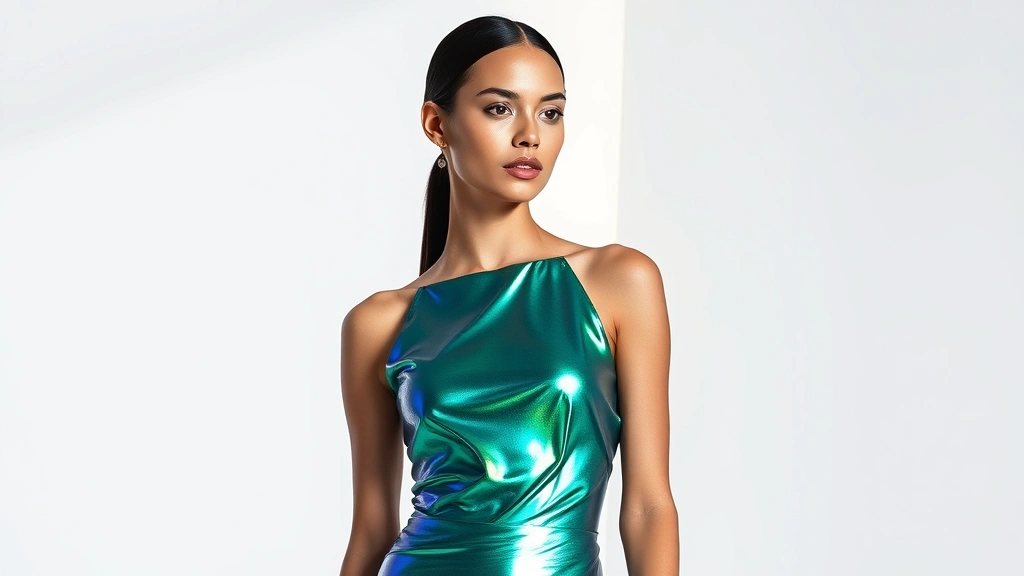
High-end designers are now featuring these structural color fabrics in their collections, with pieces that seem to glow from within. The effect is hypnotic—wearing a dress inspired by morpho butterfly coloration means your outfit changes throughout the day as lighting conditions shift. This dynamic quality gives wearers an almost supernatural presence, transforming them into living art installations. The psychology behind this appeal is rooted in our innate attraction to nature and our desire to stand out; these garments fulfill both needs simultaneously.
According to Vogue’s coverage of sustainable innovation, several luxury houses are investing heavily in structural coloration research. The technology requires precise control over fabric structure at the micrometer scale, demanding collaboration between textile engineers and fashion designers. What makes this particularly revolutionary is the permanence—these colors don’t fade because they’re not chemical dyes. A garment made with structural coloration will maintain its brilliance for decades, making it a true investment piece. For those exploring fashion history and evolution, this represents a paradigm shift as significant as the industrial revolution’s impact on textile production.
Biomimicry and Sustainable Textiles
Biomimicry—the practice of learning from and emulating nature’s strategies—has become the guiding principle for sustainable fashion innovation. Entomologists have identified specific insect characteristics that, when translated into textile design, dramatically reduce environmental impact. Spider silk, for example, is stronger than steel but biodegradable, prompting researchers to develop lab-grown alternatives that could replace synthetic fibers entirely. Similarly, the waxy coating on insect exoskeletons has inspired water-resistant fabrics that don’t require chemical treatments.
The genius of bug-inspired textiles lies in their efficiency. Insects have evolved optimal solutions to problems that fashion has struggled with for centuries: How do you create vivid color without toxins? How do you make fabric water-resistant without harmful chemicals? How do you design for durability while maintaining aesthetic appeal? Nature has already answered these questions through millions of years of evolution. Fashion designers are simply translating these biological solutions into wearable form.
Leading sustainable fashion brands are now featuring insect-inspired collections that significantly outperform conventional textiles. Fabrics inspired by lotus leaves repel water and stains naturally. Materials mimicking beetle carapaces provide superior structural integrity while remaining lightweight. These innovations aren’t just environmentally responsible—they’re superior in performance, durability, and aesthetics. For consumers interested in pursuing fashion design, understanding biomimicry has become essential knowledge. The future belongs to designers who can translate nature’s wisdom into wearable innovation.
Designer Collections Inspired by Insects
The most visionary fashion houses have embraced insect inspiration wholesale, creating entire collections that celebrate entomological aesthetics. Alexander McQueen’s legendary shows have featured garments adorned with hand-applied iridescent elements mimicking butterfly wings. Iris van Herpen, known for her avant-garde approach, has created sculptural pieces that reference the geometric precision of insect exoskeletons. These collections aren’t costume pieces—they’re sophisticated expressions of how nature’s design language can elevate contemporary fashion.
What distinguishes these collections from simple nature-themed fashion is their scientific rigor. Designers work directly with entomologists to ensure accuracy in their inspirations. A dress might feature the exact color-shifting properties of a jewel beetle, or the structural patterns of a dragonfly wing translated into laser-cut fabric. This level of detail appeals to fashion enthusiasts who appreciate both aesthetic beauty and intellectual substance. The bug fashion reveal turns around traditional notions of where design inspiration should come from, elevating insects from subjects of curiosity to sources of legitimate artistic influence.
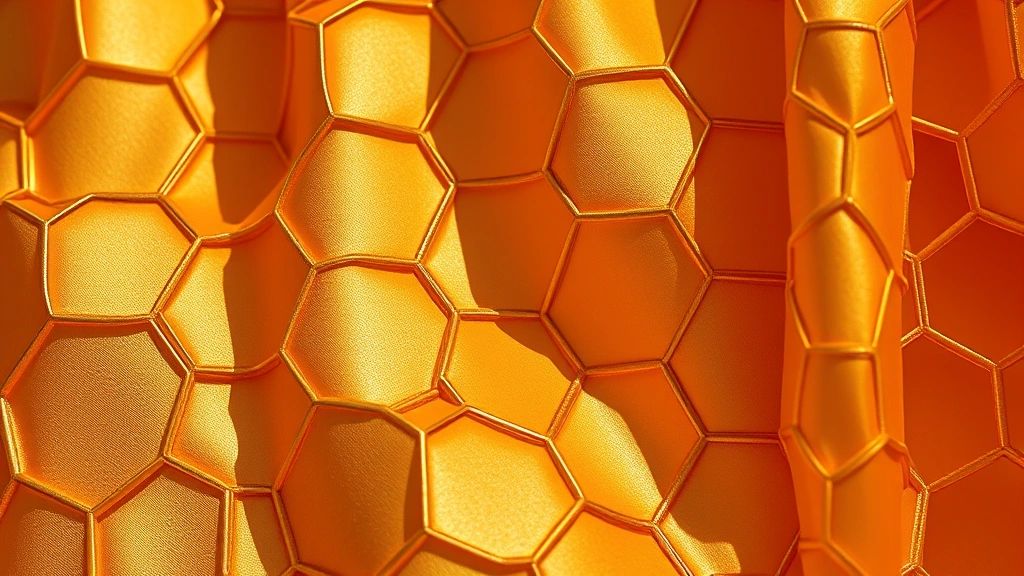
Mid-range and contemporary designers are also tapping into insect inspiration, making these trends accessible beyond luxury markets. Brands featured in our contemporary fashion selections incorporate insect-inspired prints and textures at price points that don’t require luxury budgets. Iridescent fabrics, geometric patterns inspired by honeycombs, and color palettes drawn from nature’s tiniest creatures are becoming mainstream. This democratization of insect-inspired fashion means style-forward individuals at every economic level can participate in this aesthetic revolution.
The Psychology of Bug-Inspired Fashion
Why are we so drawn to insect-inspired fashion? Psychologists suggest that our attraction to these designs taps into something primal—a recognition of nature’s perfection and our desire to connect with it. Insects represent extreme specialization and efficiency; wearing clothing inspired by them creates a psychological association with these qualities. There’s also an element of exclusivity; insect-inspired pieces signal that the wearer is knowledgeable about cutting-edge design and values sustainability, both markers of cultural sophistication.
The color psychology embedded in insect-inspired fashion is particularly powerful. The iridescent blues of morpho butterflies evoke calm and trust while maintaining visual excitement. The metallic greens of certain beetles suggest luxury and exclusivity. The golden tones found in many insects connect to wealth and warmth. These psychological associations aren’t accidental—they emerge from millions of years of evolutionary color signaling. When we wear insect-inspired fashion, we’re unconsciously tapping into these deep psychological associations, creating garments that don’t just look beautiful but feel meaningful.
Fashion psychology research indicates that insect-inspired pieces create stronger emotional connections than conventional designs. Wearers report feeling more confident, more connected to nature, and more distinctive. The dynamic quality of structural coloration—the way these garments change throughout the day—creates a sense of discovery and novelty that static designs cannot match. For those exploring fashion trends and style insights, the psychological dimension of insect-inspired design represents an important evolution in how we think about clothing’s impact on self-perception.
Wearable Entomology: Accessories and Details
While full garments inspired by insects represent the cutting edge, accessories and details offer accessible entry points into this aesthetic revolution. Insect-inspired jewelry has become particularly popular, with designers creating pieces that capture the iridescence of beetle carapaces or the delicate geometry of butterfly wing patterns. These accessories serve as conversation starters and style statements, allowing wearers to express their appreciation for nature-inspired design without committing to a full outfit.
Buttons, trims, and embellishments inspired by insects are elevating everyday pieces. A simple blouse gains sophistication when adorned with iridescent buttons mimicking beetle shells. Scarves featuring honeycomb patterns or butterfly motifs add visual interest while maintaining wearability. Shoes incorporating insect-inspired textures and colors extend the aesthetic from high fashion into practical footwear. These details demonstrate that insect inspiration isn’t limited to avant-garde showpieces—it enhances conventional fashion in subtle, elegant ways.
Eyewear designers are particularly embracing insect inspiration, creating frames that reference the compound eye structure of insects or the geometric patterns of dragonfly wings. These pieces are simultaneously functional and artistic, serving as wearable sculpture. The trend extends to bags, belts, and other accessories, creating opportunities for complete insect-inspired looks or strategic mixing with conventional pieces. This flexibility makes insect-inspired fashion accessible to diverse style preferences, from minimalists who want subtle nods to nature to maximalists seeking bold entomological statements.
Future of Insect-Inspired Design
The trajectory of insect-inspired fashion points toward increasingly sophisticated integration of entomological science and design innovation. Emerging technologies like synthetic biology may enable designers to create fabrics that genuinely replicate insect structural properties at scale. Lab-grown materials inspired by spider silk and insect proteins could revolutionize textile production, making truly sustainable fashion the norm rather than the exception. The bug fashion reveal turns around isn’t just a current trend—it’s the foundation for fashion’s future.
Fashion institutes worldwide are incorporating entomology into their curricula, recognizing that future designers must understand biological systems. Leading fashion education programs now offer courses in biomimicry and sustainable design, ensuring that the next generation of designers can effectively translate nature’s wisdom into wearable innovation. This educational shift signals that insect-inspired fashion isn’t a passing fad but a fundamental evolution in design methodology.
The intersection of fashion and entomology will likely expand into unexpected territories. Smart fabrics inspired by insect sensory systems could create garments that respond to environmental conditions. Textiles mimicking insect communication patterns could create dynamic visual effects. Collaborations between fashion designers and entomologists will deepen, producing collections that educate while they inspire. The future of fashion is undeniably connected to our understanding of insects—those remarkable organisms that have been perfecting design for over 300 million years.
As we move forward, the importance of understanding fashion’s evolution becomes clear. The bug fashion reveal turns around represents not just a new aesthetic direction but a philosophical shift in how we approach design, sustainability, and our relationship with nature. By learning from insects, fashion becomes not just beautiful but responsible, not just innovative but wise.
FAQ
What is structural coloration and how does it apply to fashion?
Structural coloration is the creation of color through light interaction with microscopic structures rather than chemical pigments. In fashion, this means creating fabrics that shimmer and shift without synthetic dyes, resulting in environmentally sustainable garments with superior color permanence and dynamic visual qualities.
Are insect-inspired fabrics actually sustainable?
Yes. Insect-inspired textiles often eliminate the need for chemical dyes, reduce water consumption by up to 90%, and create more durable garments that last longer. Many incorporate biodegradable materials or lab-grown alternatives to synthetic fibers, making them genuinely sustainable compared to conventional fashion.
How can I incorporate insect-inspired fashion into my wardrobe?
Start with accessories like iridescent jewelry or patterned scarves. Progress to statement pieces like structural-color dresses or insect-print blouses. Mix insect-inspired items with conventional pieces for balanced looks, or commit to full entomological outfits for bold fashion statements.
Which insects provide the best fashion inspiration?
Morpho butterflies (iridescent blue), jewel beetles (metallic colors), dragonflies (geometric patterns), and peacock feathers (luxury aesthetics) are currently the most popular sources. However, any insect’s unique properties—from honeybee patterns to firefly luminescence—can inspire innovative design.
Will insect-inspired fashion remain trendy?
Rather than a trend, insect-inspired fashion represents a fundamental shift in design methodology grounded in sustainability and biomimicry. As these principles become industry standards, insect inspiration will likely become increasingly integrated into mainstream fashion rather than fading away.
How do designers collaborate with entomologists?
Fashion designers work with entomologists to study insect structures, understand biological properties, and translate these findings into textile innovations. This collaboration ensures accuracy, sustainability, and genuine scientific grounding for design inspiration.