Ancient Japanese Fashion: A Historian’s Insight
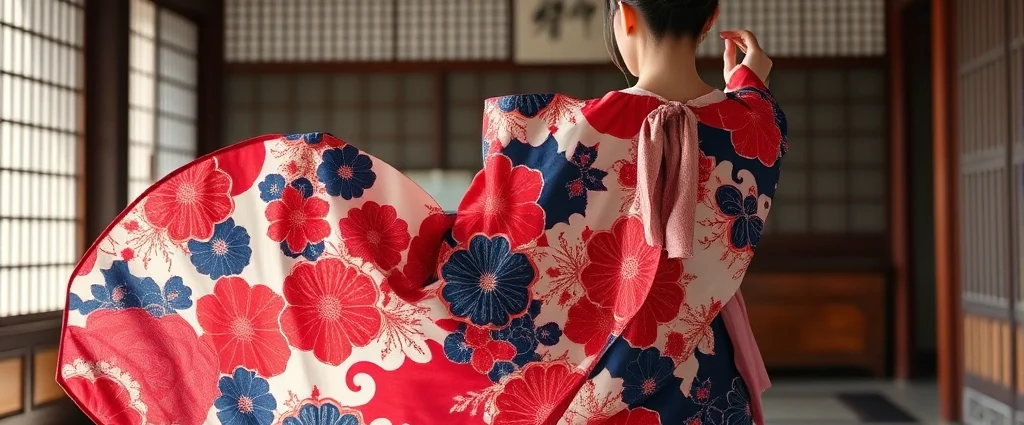
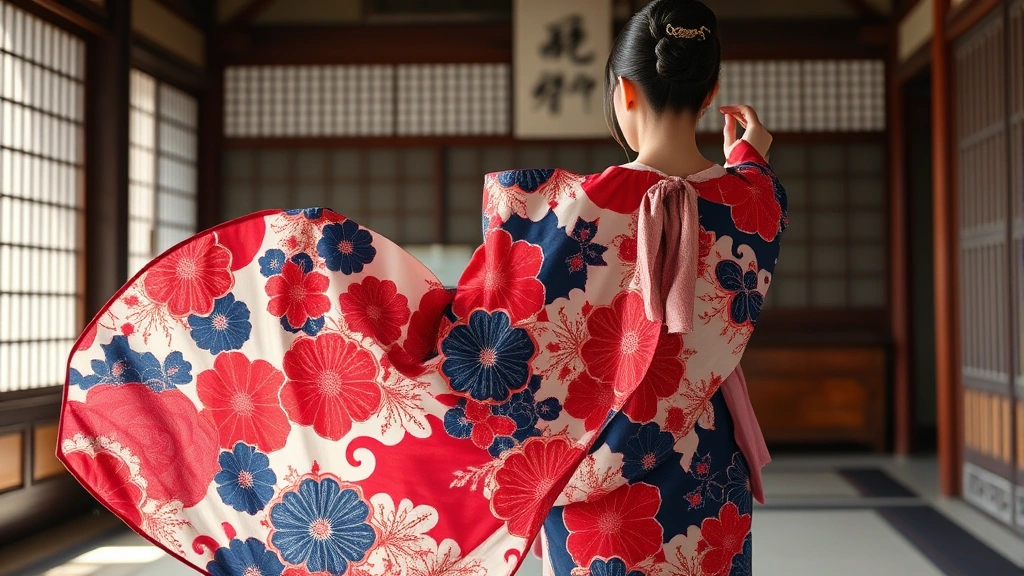
The world of ancient Japanese fashion represents one of history’s most sophisticated and aesthetically refined clothing systems. Far more than mere garments, traditional Japanese dress embodied philosophical principles, social hierarchies, seasonal awareness, and artistic mastery that continue to influence contemporary style today. From the flowing silhouettes of the Heian period to the structured elegance of samurai attire, Japanese fashion evolved across centuries with remarkable intentionality and cultural significance.
Understanding ancient Japanese fashion requires us to look beyond surface-level aesthetics and recognize how clothing functioned as a language of status, spirituality, and belonging. Each garment, color choice, and layering technique communicated essential information about the wearer’s social position, occupation, and even philosophical worldview. This comprehensive exploration reveals why Japanese fashion traditions remain profoundly relevant to modern style consciousness and how historical garments continue inspiring contemporary designers worldwide.
For those interested in exploring how fashion history shapes current trends, our complete fashion history timeline provides essential context for understanding style evolution across cultures and centuries.
The Kimono: Japan’s Most Iconic Garment
The kimono stands as the quintessential symbol of ancient Japanese fashion, though its modern form represents centuries of refinement and evolution. The word “kimono” literally means “thing to wear,” yet this simple definition belies the extraordinary complexity and cultural weight this garment carries. Originating during the Nara period (710-794) and reaching its aesthetic pinnacle during the Edo period, the kimono embodies principles of craftsmanship, harmony, and visual storytelling that remain unparalleled in fashion history.
Traditional kimonos feature a distinctive T-shaped construction with straight seams, no darts, and a wrapped front closure secured with an obi (sash). This deceptively simple silhouette allows for infinite variation through textile selection, pattern placement, and layering strategies. The kimono’s genius lies in how it flatters diverse body types while maintaining elegant proportions—a design principle that modern fashion designers continue studying and incorporating into contemporary collections. The garment’s construction method, which wastes minimal fabric, demonstrates sustainable design principles that resonate powerfully with today’s eco-conscious fashion movement.
Different occasions demanded specific kimono styles, with formal wear (tomesode and furisode) reserved for significant ceremonies while everyday wear (yukata) featured simpler construction and more casual fabrics. Understanding these distinctions requires recognizing that ancient Japanese fashion operated within rigorous social codes where garment selection communicated respect, awareness of context, and cultural sophistication. This concept of finding your personal style while respecting occasion-appropriate choices reflects principles established centuries ago in Japanese culture.
Heian Period Fashion and Noble Aesthetics
The Heian period (794-1185) represents the golden age of classical Japanese fashion, when court nobility developed an extraordinarily refined aesthetic system known as junisokutsu (twelve-layered robes). This elaborate ensemble for women demonstrated wealth, status, and aesthetic sensibility through carefully coordinated color combinations, exquisite fabrics, and perfectly proportioned silhouettes. Each layer served both functional and decorative purposes, with visible hems creating chromatic gradations that required profound color theory knowledge.
Heian court women wore voluminous robes called uchiki beneath elaborate outer garments, creating silhouettes of remarkable grandeur. The aesthetic ideal emphasized length, flowing movement, and an almost ethereal quality enhanced by the use of lightweight silk and linen. Hair arrangements reached extraordinary lengths and complexity, often adorned with ornamental hairpins and flowers, while makeup followed strict conventions emphasizing whitened skin, darkened eyebrows, and reddened lips. This comprehensive approach to appearance demonstrates how ancient Japanese fashion integrated clothing, grooming, and accessories into unified aesthetic statements.
For those exploring how historical fashion principles continue informing modern style choices, our Style Loom Daily Blog regularly examines contemporary interpretations of classical aesthetics and how designers recontextualize historical references for modern wardrobes.
The color combinations worn during the Heian period followed sophisticated protocols with names like “plum blossom” (combining deep purple with pale pink) and “young pine” (layering various greens). These named color schemes weren’t arbitrary—they reflected seasonal awareness, natural phenomena, and poetic sensibility that elevated fashion beyond decoration into the realm of art and philosophy. Understanding these color relationships provides insight into how ancient cultures used fashion to express their relationship with nature and the passing seasons.
Samurai Clothing and Warrior Culture
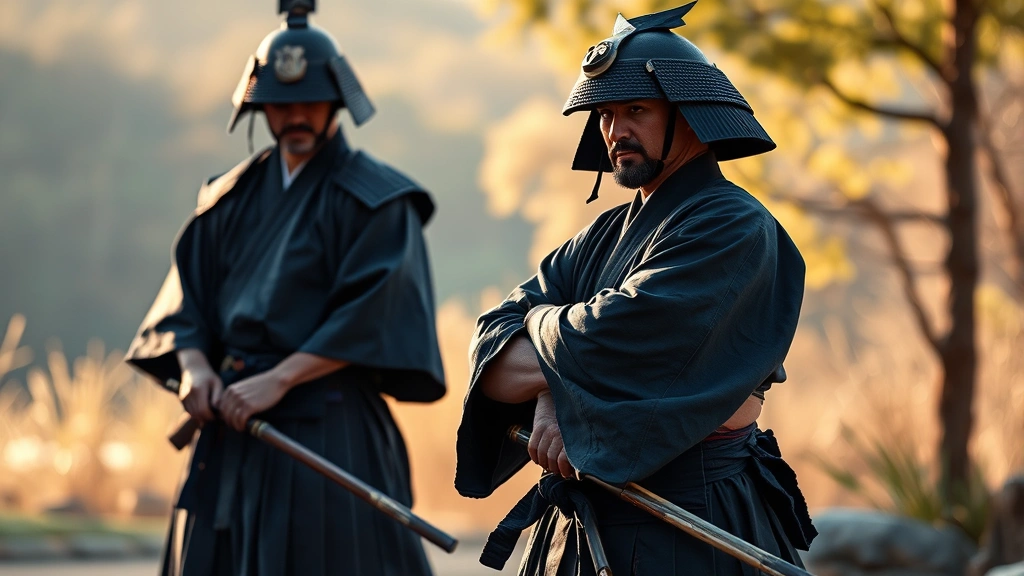
Samurai fashion represents a fascinating intersection of functionality and aesthetic principle, where practical requirements for combat and movement merged with strict codes of honor and visual identity. The characteristic silhouette of samurai attire—featuring shorter kimono sleeves, reinforced construction, and coordinated armor elements—evolved to support active warfare while maintaining the dignity and visual presence essential to warrior status. Unlike the flowing Heian court styles, samurai fashion prioritized efficiency and readiness while never sacrificing aesthetic consideration.
The hakama, a divided skirt-like garment worn over the kimono, became synonymous with samurai identity and martial competence. This garment’s deep pleats and structured silhouette allowed for swift movement while creating an imposing visual presence. Samurai color choices often reflected clan affiliations, with specific dye colors and pattern conventions signifying loyalty and family heritage. The integration of functional armor components with civilian dress created distinctive silhouettes that communicated both martial prowess and cultural refinement—a balance that defined samurai aesthetic philosophy.
Samurai accessories carried profound symbolic weight, with swords, hair ornaments, and family crests functioning as visible declarations of status and allegiance. The meticulous attention to detail in every aspect of samurai appearance reflected the bushido code’s emphasis on discipline, respect, and self-mastery. This comprehensive approach to personal presentation demonstrates how ancient Japanese fashion extended beyond clothing into a complete philosophy of how one moved through the world and presented oneself to others.
Color Theory and Dyeing Techniques
Ancient Japanese fashion color selection operated within a sophisticated system of meaning and technical capability that shaped aesthetic choices across centuries. The Japanese developed extraordinary dyeing techniques that produced colors of remarkable subtlety and depth, with natural dyes from plants, minerals, and insects creating palettes of unmatched sophistication. The indigo dye (ai) became particularly important, producing the deep blues that characterize much traditional Japanese textile work, while madder root created warm reds and purples.
The color hierarchy in ancient Japan reflected both practical constraints and spiritual philosophy. Certain colors required expensive, difficult-to-produce dyes and were therefore restricted to nobility and the wealthy classes. Purple dyes, derived from gromwell root, produced colors of such rarity and expense that purple garments became exclusive markers of imperial status. Sumptuary laws in various periods explicitly restricted certain colors to specific social classes, making color choice a direct expression of social position visible at a glance.
The seasonal color system represented perhaps the most sophisticated aspect of Japanese color philosophy. Spring called for pale yellows and pinks suggesting new growth; summer favored cool blues and greens; autumn emphasized warm oranges and deep reds reflecting falling leaves; winter featured deep purples and blacks. This seasonal awareness in garment selection reflected the profound Japanese aesthetic principle of harmony with natural cycles—a concept that contemporary fashion increasingly recognizes as essential to sustainable, mindful style choices.
The technical mastery required to produce consistent, beautiful colors using only natural materials demonstrates the extraordinary skill of ancient Japanese dyers. Their knowledge of plant chemistry, fermentation processes, and color-setting techniques enabled the creation of textiles that remain vibrant centuries after production. This combination of artistic vision and technical excellence represents a model for quality craftsmanship that modern designers increasingly strive to emulate.
Seasonal Awareness in Garment Selection
The Japanese concept of seasonal consciousness in fashion (kisetsukan) represents one of the most refined aspects of traditional dress culture. Rather than viewing seasonal changes as mere practical concerns requiring wardrobe adjustments, ancient Japanese fashion elevated seasonal awareness into an aesthetic and spiritual principle. The choice to wear specific fabrics, colors, and patterns at particular times of year reflected deep attunement to natural cycles and demonstrated cultural sophistication and environmental awareness.
Fabric weight and fiber selection changed dramatically across seasons. Summer months called for lightweight, breathable materials like linen and transparent silk gauze that allowed air circulation while providing necessary sun protection. Winter required heavier silks and padded garments that provided warmth while maintaining the elegant silhouettes essential to Japanese aesthetic principles. The transition periods of spring and autumn called for medium-weight fabrics that could accommodate the temperature fluctuations characteristic of these seasons.
Pattern selection also followed seasonal conventions with remarkable precision. Certain motifs—plum blossoms, cherry blossoms, maple leaves, snow crystals—appeared only during their corresponding seasons, creating a visual calendar of the year. Wearing seasonal patterns at inappropriate times was considered a breach of aesthetic propriety, suggesting either ignorance of cultural conventions or disrespect for natural order. This demonstrates how ancient Japanese fashion functioned as a language through which wearers demonstrated their education, sensitivity, and respect for established cultural values.
The principle of seasonal awareness in ancient Japanese fashion offers profound lessons for contemporary style. Rather than viewing fashion as disconnected from environmental reality, the Japanese model suggests that truly refined personal style involves awareness of seasonal changes and deliberate choices that honor natural cycles. This perspective aligns beautifully with modern sustainability concerns and the growing movement toward mindful, intentional fashion consumption.
Accessories and Decorative Elements
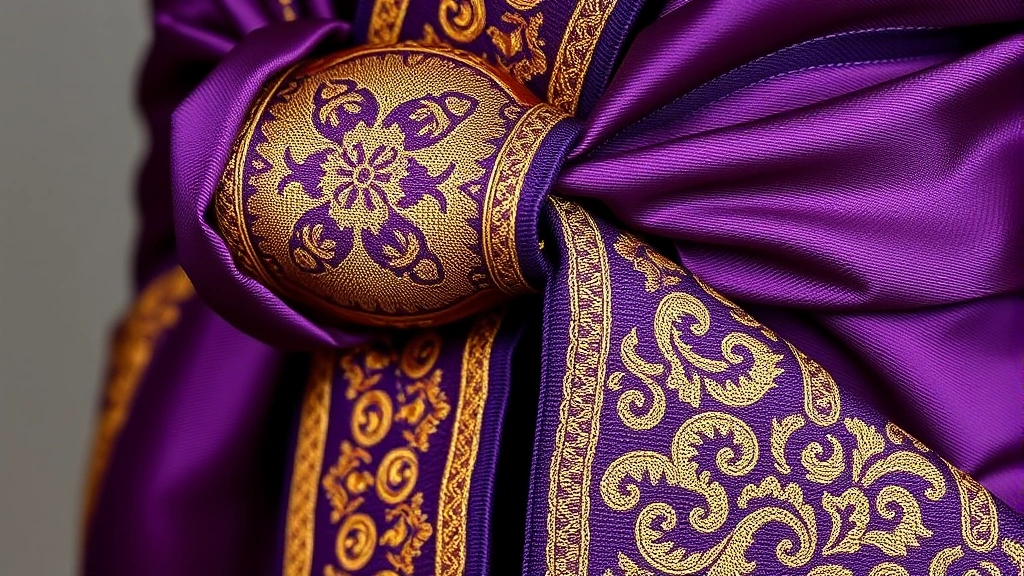
Ancient Japanese fashion extended far beyond garments themselves to encompass an extraordinary array of accessories that served both functional and decorative purposes. The obi (sash) worn around the waist represented perhaps the most essential accessory, with its width, fabric, and tying method communicating status and occasion-appropriateness. High-quality obis featured hand-dyed silk, intricate woven patterns, and sometimes gold or silver thread embellishments that transformed them into works of textile art worthy of appreciation independent of their garment function.
Hair ornaments called kanzashi represented another crucial accessory category, with designs varying dramatically based on age, marital status, and social position. Young unmarried women wore elaborate multi-piece kanzashi sets featuring dangling elements and precious materials, while married women’s ornaments became progressively simpler and more refined. The specific design, materials, and arrangement of kanzashi communicated immediate information about the wearer’s life stage and social position—a function that demonstrates how ancient Japanese fashion created comprehensive systems of visual communication.
Footwear options ranged from simple indoor slippers to elaborate outdoor sandals, with different occasions and social contexts calling for specific styles. The zori sandal, featuring woven straw and fabric construction, became iconic to Japanese fashion, while more formal occasions called for elevated wooden clogs (geta) that provided both practical height for navigating muddy streets and visual grandeur appropriate to formal contexts. The decorative potential of even utilitarian items like footwear demonstrates the comprehensive attention to aesthetic detail characteristic of ancient Japanese culture.
Decorative elements embedded directly into garments—embroidery, appliqué, resist-dyeing techniques—transformed clothing into portable art galleries. The skill required to execute sophisticated embroidery patterns or hand-dye complex designs meant that the most elaborate garments represented significant investments of time, talent, and resources. Wearing such garments communicated not only wealth but also appreciation for artisanal excellence and willingness to support skilled craftspeople—values that resonate powerfully in contemporary conversations about ethical fashion and slow style movements.
Modern Influence and Contemporary Revival
The influence of ancient Japanese fashion on contemporary design extends far beyond nostalgic recreation or historical tourism. Leading fashion designers worldwide increasingly draw inspiration from Japanese principles of proportion, color harmony, and construction efficiency. The concept of 90s fashion actually drew considerably from Japanese street style and avant-garde designers who reinterpreted traditional aesthetics for modern contexts, demonstrating how historical fashion continues generating relevant contemporary interpretations.
Modern fashion designers recognize in ancient Japanese garments principles of sustainable design that align with contemporary environmental concerns. The kimono’s minimal fabric waste, the durability of traditional construction techniques, and the flexibility of simple silhouettes that accommodate diverse body types all offer lessons for creating fashion systems that prioritize longevity and versatility over trend-driven consumption. Designers like Issey Miyake and Rei Kawakubo have built entire careers on recontextualizing traditional Japanese aesthetic principles for contemporary fashion, proving that historical inspiration need not mean literal reproduction.
The Japanese concept of ma (negative space) and yohaku no bi (beauty of emptiness) profoundly influences contemporary minimalist fashion. Rather than filling every available surface with decoration or pattern, these principles suggest that restraint, simplicity, and strategic use of plain fabric create more sophisticated and ultimately more interesting garments. This philosophy directly opposes the maximalist tendency in contemporary fast fashion and offers an alternative model for creating truly timeless pieces that transcend seasonal trends.
For those interested in exploring contemporary fashion interpretations, understanding historical precedents provides crucial context for evaluating modern design choices and recognizing how contemporary styles often represent recontextualizations of established principles rather than entirely original innovations. The relationship between historical fashion and modern style demonstrates that genuine creativity frequently emerges from deep engagement with established traditions rather than complete rejection of the past.
Museums worldwide increasingly feature exhibitions exploring traditional Japanese fashion, with institutions recognizing these garments as significant artworks deserving serious scholarly attention and public appreciation. The Metropolitan Museum of Art in New York and the Victoria and Albert Museum in London maintain extensive collections of Japanese textiles and garments, making these historical treasures accessible to contemporary audiences interested in understanding fashion history and cultural traditions.
Contemporary Japanese fashion designers continue drawing inspiration from their cultural heritage while creating distinctly modern work that appeals to global audiences. The intersection of ancient principles and contemporary innovation creates fashion that feels both timeless and urgently relevant, suggesting that the deepest sources of creative inspiration often lie in careful study and respectful reinterpretation of established traditions.
FAQ
What is the most important garment in ancient Japanese fashion?
The kimono represents the foundational garment of ancient Japanese fashion, evolving across centuries while maintaining essential design principles. Its T-shaped construction, wrapped closure, and flexible silhouette enabled infinite variation through textile, pattern, and color selection while remaining instantly recognizable as distinctly Japanese.
How did social status influence clothing choices in ancient Japan?
Social position directly determined available fabric quality, color options, pattern choices, and accessory selections. Sumptuary laws explicitly restricted certain materials and colors to specific classes, making clothing function as visible declaration of social standing. Even small details like the width of an obi or style of hair ornaments communicated precise information about the wearer’s position in social hierarchies.
What role did seasons play in ancient Japanese fashion decisions?
Seasonal awareness represented a fundamental principle in Japanese fashion philosophy. Specific fabrics, colors, and patterns were appropriate only during their corresponding seasons, with wearing seasonal motifs at wrong times considered a breach of aesthetic propriety. This system reflected deep attunement to natural cycles and demonstrated cultural education and environmental sensitivity.
How do ancient Japanese fashion principles influence contemporary design?
Modern designers increasingly draw from Japanese principles of sustainable construction, color harmony, proportion, and restraint. The minimal fabric waste, construction durability, and design flexibility of traditional garments offer valuable lessons for contemporary fashion addressing environmental concerns and seeking alternatives to trend-driven consumption models.
Where can I learn more about ancient Japanese fashion?
Major museums including the Metropolitan Museum of Art and Victoria and Albert Museum maintain extensive Japanese textile collections. Academic resources, fashion history texts, and museum exhibitions provide comprehensive information about traditional dress, construction techniques, and cultural significance of ancient Japanese garments.