50s Makeup Trends: Authentic Vintage Guide to Classic Beauty
The 1950s represented a golden era of beauty aesthetics, where makeup became an art form synonymous with femininity, sophistication, and meticulous grooming. This transformative decade saw women embracing bold lipsticks, dramatic eyeshadow techniques, and carefully sculpted brows that defined an entire generation’s approach to cosmetics. The style revolution of the fifties extended far beyond clothing—it fundamentally reshaped how women viewed makeup as both a daily necessity and a creative expression.
Understanding 50s fashion makeup requires appreciating the cultural context of post-war America, where women were encouraged to embrace their femininity through polished appearances. Hollywood starlets like Audrey Hepburn, Marilyn Monroe, and Elizabeth Taylor became beauty icons whose makeup techniques were meticulously studied and replicated by millions worldwide. The makeup aesthetic wasn’t merely about applying color; it represented a philosophy of elegance, discipline, and timeless beauty standards that continue influencing contemporary cosmetic trends.
Whether you’re interested in recreating authentic vintage looks for special occasions or simply exploring how finding your personal style intersects with classic beauty traditions, this comprehensive guide will walk you through every essential element of authentic 1950s makeup application.
The Foundation of 50s Glamour: Creating the Perfect Base
The foundation of 1950s makeup was remarkably different from today’s approaches, emphasizing a porcelain-like complexion that appeared almost doll-like in its perfection. Women of the era prioritized complete coverage, using heavy foundations that created an almost mask-like finish. The goal wasn’t a natural, dewy appearance but rather a flawless, matte canvas that would serve as the perfect backdrop for bolder makeup elements.
During this period, foundation application involved using a sponge or brush to apply product in thin, carefully blended layers. The technique required patience and precision, as any streaking or uneven application would be immediately visible under the bright lighting conditions of the 1950s. Women often used powder foundations or cream-based formulas that provided substantial coverage while maintaining a smooth, uniform finish.
Powder application was equally crucial to achieving the authentic 50s look. Setting powder wasn’t simply dusted on; it was carefully applied using a large powder puff, pressed into the skin rather than swept across. This technique ensured that the foundation remained in place throughout the day, a critical concern for women who were expected to maintain impeccable appearances regardless of activity level.
The under-eye area received special attention, with many women applying a slightly lighter shade of foundation or concealer to create brightness and draw attention to the eyes. This highlighting technique, though not called that in the 1950s, was fundamental to creating the wide-eyed, youthful appearance that defined the era’s beauty standards.
Color correction wasn’t a concept in mainstream makeup during the 50s, but women did use tinted powders to adjust their complexion tone. Those with ruddy skin might use a slightly purple-toned powder, while those with sallow complexions preferred warmer, peachy formulations. Understanding your skin tone and selecting appropriate powder undertones remains essential when recreating authentic vintage looks.
Iconic Eye Makeup Techniques: Creating Dramatic Definition
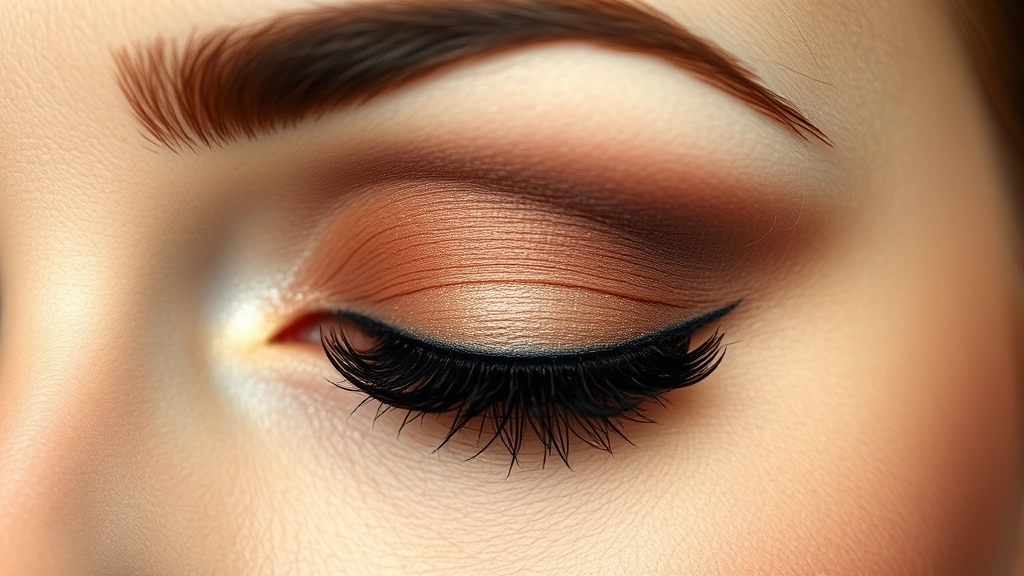
The eyes were undoubtedly the focal point of 1950s makeup artistry, with techniques that created dramatic definition and emphasized eye shape. The typical 50s eye makeup featured multiple shades of eyeshadow, carefully blended to create depth and dimension that made eyes appear larger and more expressive.
Eyeshadow palettes of the era typically included neutral cream tones for the lid, slightly deeper shades for the crease, and sometimes a touch of shimmer or metallic color for added glamour. The application technique involved using brushes to blend these colors seamlessly, creating gradual transitions rather than harsh lines. Women often used three to four different shades on a single eye, demonstrating remarkable blending skills that took considerable practice to master.
The color palette for 50s eyeshadow was surprisingly diverse, ranging from soft pastels to rich jewel tones. Pale blues, soft pinks, champagne golds, and warm browns were common choices for everyday looks. For evening occasions or special events, women embraced bolder options including emerald green, sapphire blue, and even bronze or copper tones. The key was ensuring that whatever colors were selected complemented both the wearer’s natural coloring and their outfit.
One distinctive characteristic of 50s eye makeup was the emphasis on the upper lid, with shadow application creating dimension that drew attention upward. The inner corner of the eye was often left lighter, sometimes with a touch of highlight, to create the illusion of larger, more open eyes. This technique, combined with strategic eyebrow placement, created a perpetually surprised, youthful expression that was considered the height of attractiveness.
The eyeshadow application extended slightly beyond the natural eye shape, particularly at the outer corner, creating a subtle lift that complemented the era’s signature winged eyeliner. This extension technique required careful blending to avoid appearing harsh or overdone, a balance that professional makeup artists of the era spent years perfecting.
The Signature 50s Eyebrow: Bold, Defined, and Perfectly Arched
The eyebrow was arguably the most defining feature of 1950s makeup, with a distinctive shape that immediately signals the era. The signature 50s brow featured a dramatic arch, thin at the inner portion of the brow and dramatically thickened at the arch point, creating an almost surprised or questioning expression when viewed in profile.
Achieving this iconic brow shape required significant commitment and precision. Women typically plucked their brows extensively, removing hair below the natural brow line to create dramatic arch definition. The plucking technique was meticulous, with individual hairs carefully removed to create a perfectly curved line. This approach resulted in eyebrows that were significantly thinner than natural brows, a stark contrast to contemporary beauty standards that favor fuller, less heavily shaped brows.
Once the brow was plucked into shape, women applied eyebrow pencil to define and intensify the color. The pencil application was precise, with individual hair-like strokes creating the appearance of fuller brows despite the extensive plucking. The color selected was typically one to two shades darker than the natural brow color, creating bold definition that was visible from considerable distances.
The tail of the brow received particular attention, with the line extending slightly upward and outward to create a lifted, elegant appearance. This tail was created using either eyebrow pencil or a combination of pencil and shadow, with careful blending ensuring a natural-looking transition. The entire brow was typically finished with a clear or slightly tinted brow gel, though this product wasn’t as readily available in the 1950s as it is today.
It’s important to note that achieving authentic 50s eyebrows requires either significant commitment to plucking or the use of eyebrow makeup to create the illusion of the distinctive shape. Many contemporary beauty enthusiasts choose to recreate the look using makeup alone, creating the thin arch appearance without permanent hair removal.
Lip Color and Application Methods: The Ultimate Statement
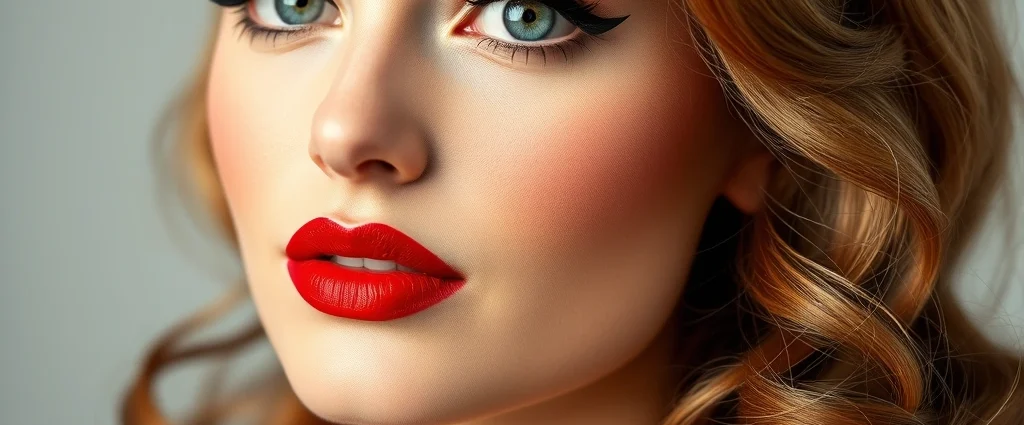
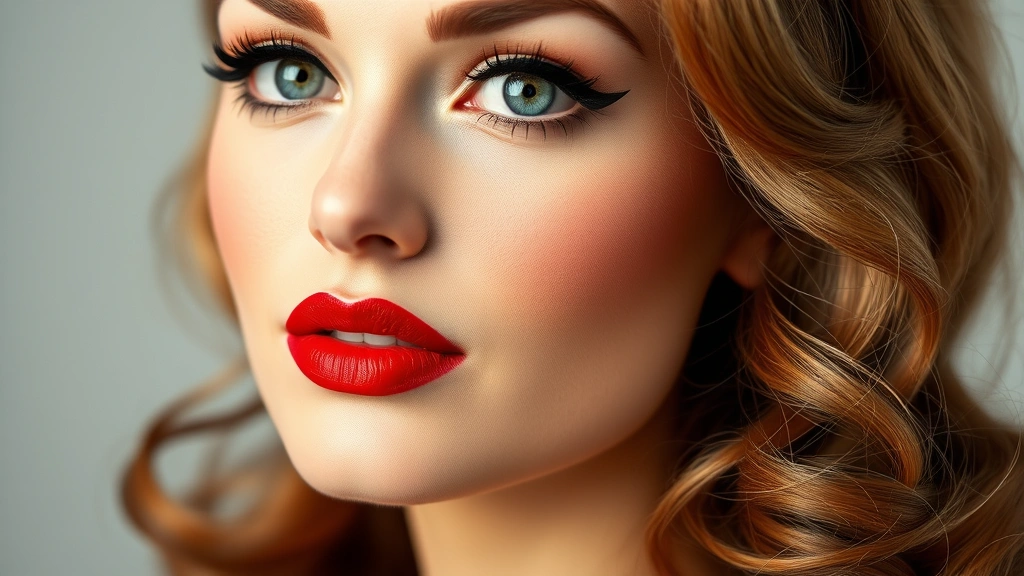
Lipstick was undoubtedly the most iconic element of 1950s makeup, with bold, saturated colors serving as the ultimate beauty statement. The lipstick colors of the era ranged from classic reds to deeper burgundies, warm corals, and rich berry tones, with each shade conveying different moods and occasions. Red lipstick, in particular, became synonymous with 1950s beauty, representing confidence, femininity, and timeless elegance.
The application process for 50s lipstick was far more involved than simply applying color directly from the tube. Women typically began by outlining their lips using a lip liner in a shade matching their lipstick color. This lip liner served multiple purposes: it prevented feathering, ensured precise application, and allowed women to subtly adjust their lip shape through strategic placement of the outline.
The lip liner technique involved drawing a precise outline following the natural lip contour, though many women subtly extended the outline slightly beyond their natural lip line to create the appearance of fuller lips. This technique required steady hands and considerable practice, as any mistakes would be immediately visible. The outline was typically applied in short, controlled strokes rather than one continuous line, allowing for greater precision and adjustment.
Once the lip liner was in place, lipstick was applied using a lip brush, ensuring even coverage and precise application. The brush allowed for greater control than applying directly from the tube, enabling women to create clean edges and ensure that color reached every part of the lip. Many women applied lipstick in thin layers, building color gradually rather than attempting to achieve full coverage in a single application.
Blotting was an essential step in the 50s lipstick application process. Women would press their lips together on a tissue, transferring excess product and creating a more natural-looking finish. This blotting step was often repeated multiple times, with lipstick reapplied between blottings to build color gradually. The result was a long-lasting, perfectly defined lip color that maintained its appearance throughout the day.
The lipstick finish was typically matte or satin, with glossy finishes being less common during this era. This matte finish contributed to the polished, sophisticated appearance that defined 1950s beauty standards. Contemporary lipstick formulations that replicate this matte finish can help achieve authentic vintage looks.
Cheek Definition and Contouring: Adding Dimension and Vitality
While the eyes and lips commanded most of the attention in 1950s makeup, the cheeks played a crucial supporting role in creating a polished, dimensional appearance. Blush application during this era focused on creating natural-looking color that appeared as though it resulted from vigorous exercise or genuine emotion rather than makeup application.
The blush colors favored during the 1950s were typically warm and flattering, ranging from soft pinks and peaches to deeper rose and coral tones. These colors were selected to complement both the wearer’s natural skin tone and the lipstick shade being worn. The goal was creating harmony across the face rather than allowing individual makeup elements to compete for attention.
The application technique for 1950s blush involved using a large, fluffy brush to apply color to the apples of the cheeks, blending upward and outward toward the temples. This placement created a lifted appearance that complemented the era’s signature arched eyebrows and highlighted cheekbones. The blending was crucial, as harsh blush lines would immediately appear dated or poorly applied.
Contouring as a modern practice didn’t exist in the 1950s, but women did use slightly darker blush shades or matte bronzers to add subtle definition to the face. These products were applied sparingly along the hollows of the cheeks and temples, creating dimension without the dramatic sculpting that contemporary contouring techniques employ.
The intensity of blush application varied depending on the time of day and occasion. Daytime looks featured lighter blush application, creating a fresh, natural appearance. Evening looks incorporated more intense blush color, often combined with shimmer or highlight products to create luminosity under artificial lighting.
Mascara and Lash Enhancement: Emphasizing Eye Drama
Mascara was a non-negotiable element of 1950s makeup, with thick, dramatic lashes being considered essential for any polished appearance. The mascara formulations of the era were quite different from contemporary products, typically featuring cake-like consistency that required application with a wet brush. Women would dampen their mascara brush in water, then apply the product to their lashes in multiple coats, building drama and definition gradually.
The mascara application technique involved careful attention to the upper lashes, with women coating every lash from root to tip. The lower lashes received mascara application as well, though typically with less intensity than the upper lashes. The goal was creating thick, defined lashes that framed the eyes and contributed to the wide-eyed, youthful appearance that defined the era.
Many women enhanced their natural lashes with false lashes or lash extensions, particularly for evening occasions or when appearing in photographs. False lashes came in various styles, from subtle enhancements that appeared almost natural to dramatic, heavily voluminous options that created striking eye definition. The application of false lashes required considerable skill and practice, as improper application would appear obvious and detract from the overall look.
The false lashes available during the 1950s were typically made from human hair or early synthetic materials, with limited style options compared to contemporary false lash varieties. Despite these limitations, women managed to create remarkably dramatic eye effects through strategic lash application and layering.
Between mascara applications, women used lash combs to separate their lashes and remove any clumping, ensuring that each lash was individually defined. This meticulous attention to detail exemplified the overall approach to 1950s makeup application, where every element received careful consideration and precise execution.
Completing the Vintage Look: Accessories and Final Touches
Achieving an authentic 1950s makeup look extends beyond the makeup itself, incorporating accessories and styling choices that complement the overall aesthetic. The evolution of fashion through different decades demonstrates how makeup must harmonize with clothing and accessories to create a cohesive appearance.
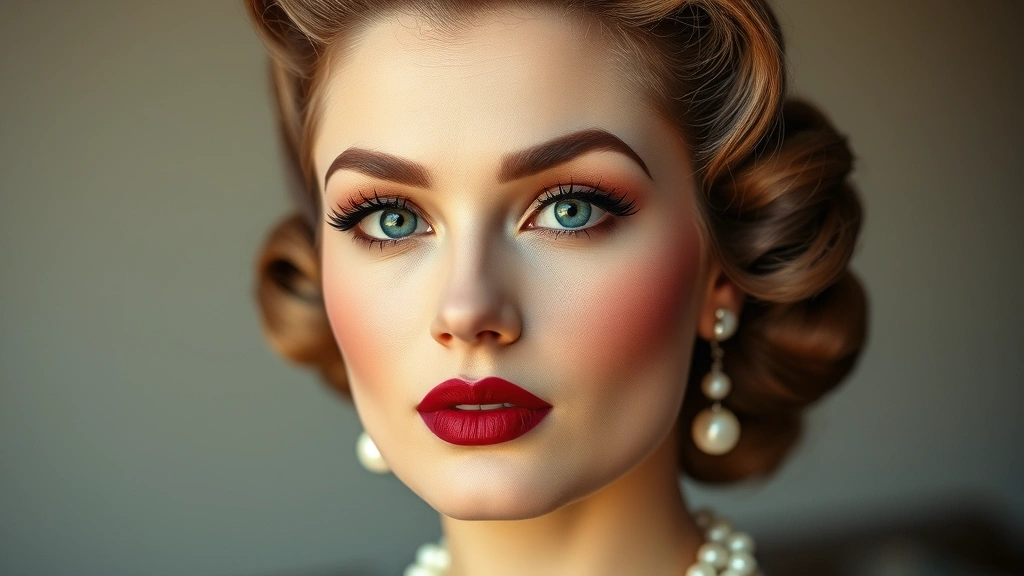
Hair styling played a crucial role in showcasing 1950s makeup, with popular styles including victory rolls, pin curls, and perfectly set waves that framed the face and highlighted the carefully applied makeup. The hair and makeup worked in concert, with the makeup enhancing the face’s features while the hairstyle provided an elegant frame.
Jewelry selection complemented the makeup aesthetic, with gold or pearl accessories being particularly popular choices. The jewelry was typically understated, allowing the face and its carefully applied makeup to remain the focal point of attention. This restraint in accessorizing reflected the overall philosophy of 1950s beauty: creating a polished, put-together appearance through meticulous attention to detail rather than excessive ornamentation.
Clothing choices significantly influenced how the makeup appeared, with the neckline, color, and style of the garment affecting how the face was framed and lit. High necklines drew more attention to the face, while lower necklines distributed visual focus more broadly. Color coordination between clothing and makeup created harmony, with coordinated lip and nail colors being particularly popular during this era.
The setting and lighting conditions where the makeup would be worn influenced application choices. Women applying makeup for evening events used more intense colors and additional highlighting techniques, knowing that artificial lighting would affect how the makeup appeared. Daytime makeup was typically lighter and more understated, appropriate for office or social settings with natural lighting.
Understanding the context where your 50s makeup look will be worn helps ensure that your application choices are appropriate and effective. Whether recreating the look for a themed event, costume, or simply for personal enjoyment, considering the lighting, clothing, and overall aesthetic context helps create an authentic, harmonious appearance.
For those interested in exploring how vintage makeup techniques fit within broader style frameworks, understanding fashion design education can provide deeper insights into how aesthetics are developed and refined across different eras and disciplines.
FAQ
What were the most popular lipstick colors in the 1950s?
Classic red lipstick was undoubtedly the most iconic choice, available in various undertones from blue-based reds to orange-based reds. Beyond red, women embraced warm corals, deep burgundies, berry tones, and rich plums. The specific shade chosen often depended on the wearer’s skin tone, the occasion, and the outfit being worn. Evening looks frequently featured deeper, more saturated colors, while daytime looks used lighter, more neutral options.
How can I recreate 50s eyebrows without extensive plucking?
Many contemporary beauty enthusiasts achieve the signature 50s brow shape using makeup alone. Eyebrow pencil and powder can create the illusion of a thin arch without requiring permanent hair removal. Strategic placement of darker shades on the arch point combined with lighter shades on the inner brow creates the characteristic 50s shape. Eyebrow gels or pomades can help set the look throughout the day.
What eyeshadow colors work best for authentic 50s makeup?
Neutral cream tones work beautifully for the lid, paired with slightly deeper shades in the crease for dimension. Popular color choices include pale blues, soft pinks, champagne golds, warm browns, and matte taupes. For evening looks, jewel tones like emerald green or sapphire blue create dramatic impact. The key is selecting colors that complement both your natural coloring and your outfit.
How do I prevent my 50s makeup from looking costume-like?
Authenticity comes from understanding the proportions and techniques rather than simply applying bold colors. Ensure that your eyebrows are properly shaped and defined, your foundation is well-blended, and your eyeshadow is carefully blended without harsh lines. Pay attention to blush placement and intensity, ensuring it appears natural rather than obviously applied. Precision in lip application and careful attention to details creates a polished, authentic look rather than an exaggerated costume appearance.
What products would period-accurate 1950s makeup artists have used?
Foundation was typically cream-based or powder formulations that provided substantial coverage. Eyeshadow came in cream or powder formats, often in compacts with multiple coordinating shades. Mascara was cake-based, requiring application with a wet brush. Lipstick formulations were typically matte or satin finish. Eyebrow pencils were the primary brow product, with eyebrow wax being less common. Contemporary products that replicate these formulations and finishes help achieve authentic vintage looks.
Can I wear modern makeup products to create a 50s look?
Absolutely. While using period-accurate products adds authenticity, contemporary makeup products can successfully recreate 50s looks. Focus on selecting products with appropriate finishes (matte lipsticks, cream or powder eyeshadows) and colors that match the era’s palette. Modern formulations often provide better longevity and easier application than period products, making them practical choices for achieving vintage aesthetics.