50s Men’s Fashion: Vintage Style Guide
The 1950s represent one of the most iconic and influential decades in men’s fashion history. This era celebrated clean lines, tailored silhouettes, and a distinctive aesthetic that continues to inspire contemporary style. Whether you’re a vintage enthusiast, a fashion student, or simply someone looking to incorporate timeless elements into your wardrobe, understanding 50s men’s fashion opens doors to sophisticated and enduring style choices.
The post-war period brought optimism and prosperity to American culture, and men’s fashion reflected this newfound confidence. Designers embraced structure, quality fabrics, and meticulous craftsmanship. From the greaser look popularized by James Dean to the preppy Ivy League aesthetic, the 1950s offered diverse style expressions that catered to different social groups and lifestyles. This comprehensive guide explores the essential elements, iconic pieces, and styling tips that define 50s men’s fashion.
Whether you’re drawn to the rebellious edge of rockabilly style or the refined elegance of classic tailoring, the 1950s provides an abundant source of inspiration. The decade’s influence remains visible in modern fashion, from high-end designer collections to streetwear interpretations. Understanding these foundational styles helps you develop a more intentional and authentic personal aesthetic.
Essential Silhouettes and Fits
The defining characteristic of 50s men’s fashion is its emphasis on structured, well-tailored silhouettes. Unlike the relaxed fits of contemporary fashion, 1950s menswear celebrated precision tailoring that accentuated the masculine form. Understanding proper fit is fundamental to authentically capturing this era’s aesthetic.
The ideal 50s suit featured a fitted chest with moderate shoulder padding, a nipped waist, and a straight hip line. Jacket lengths typically fell at the knuckle when arms hang naturally at the sides. Sleeves were tailored to show approximately half an inch of shirt cuff, creating clean proportions. This structured approach required quality construction and proper alterations to achieve the desired silhouette.
Trousers during this period featured a higher rise, typically sitting at the natural waist rather than lower on the hips. The straight-leg cut was standard, with a slight taper through the thigh and a break that just touched the top of the shoe. Cuffs were common and added to the refined aesthetic. This high-waisted, straight-leg silhouette creates an elongated leg line and emphasizes the torso.
For those exploring how to find your personal style through vintage inspiration, the 50s offers multiple silhouette variations. Casual wear featured less structured cuts, while formal occasions demanded impeccable tailoring. Sports coats and blazers maintained the same attention to proportion and fit that defined suit jackets.
Iconic Pieces Every Collection Needs
Building an authentic 50s-inspired wardrobe requires understanding the essential pieces that defined the decade. These foundational items form the backbone of any vintage-influenced collection and remain relevant in contemporary styling.
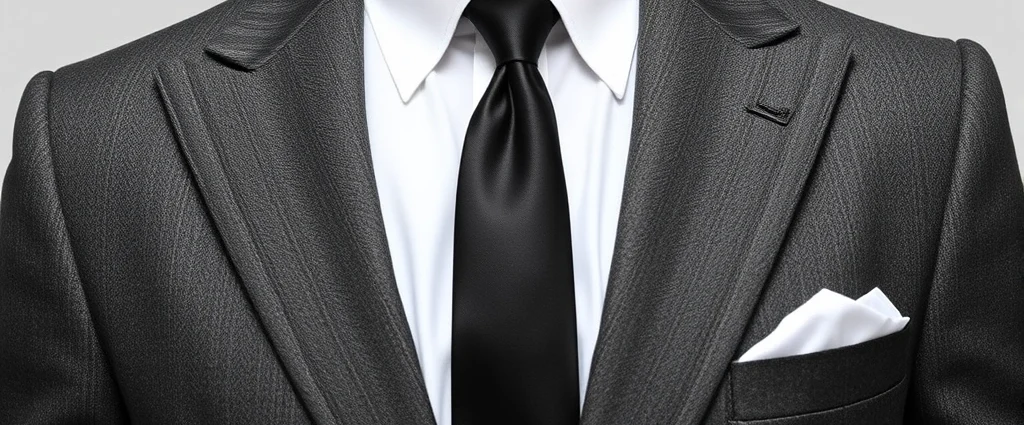
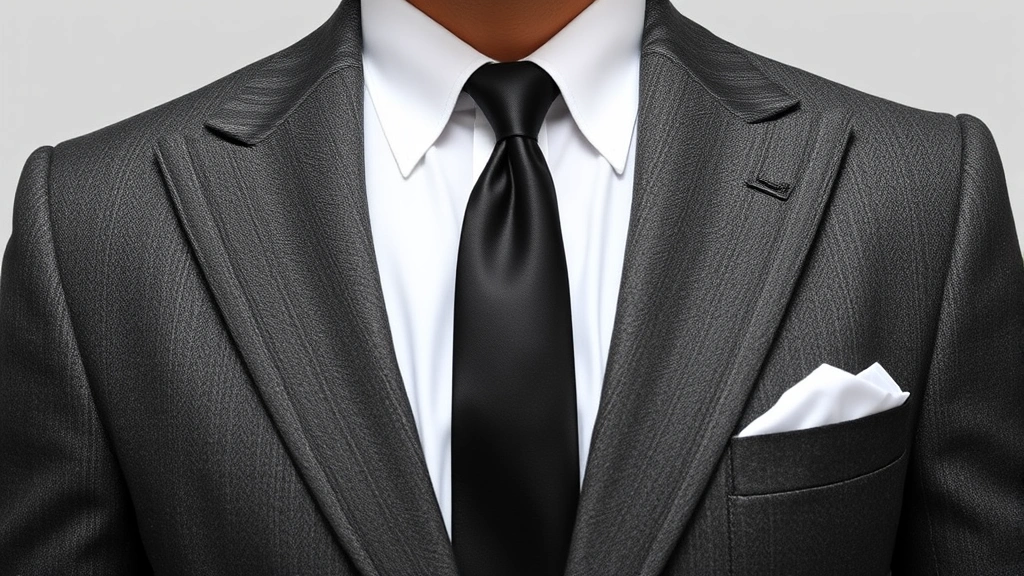
The Tailored Suit stands as the cornerstone of 50s menswear. Whether in charcoal gray, navy, or classic black, a well-fitted suit served as the uniform for professional men and formal occasions. Two-piece suits were standard, with three-piece options featuring vests for added formality. The suit jacket’s structured silhouette and the high-waisted trousers created the distinctive 50s proportions.
Sports Coats and Blazers provided versatility for semi-formal and casual occasions. These pieces featured the same tailored construction as suit jackets but allowed for creative mixing with different trouser colors and patterns. Tweed, wool, and textured fabrics were particularly popular for sports coats, offering visual interest while maintaining sophistication.
Dress Shirts formed the foundation of layered outfits. White and light blue oxford cloth shirts were essentials, though striped and subtle patterned options appeared frequently. Collars were typically spread or point styles, and many shirts featured mother-of-pearl buttons. The fit was tailored through the torso without excess fabric, emphasizing the structured silhouette.
Casual Shirts including bowling shirts, Hawaiian prints, and camp collar designs brought color and personality to everyday wear. These short-sleeved options represented the optimistic, leisure-focused side of 50s culture. Vibrant colors and bold patterns characterized this category, particularly among younger men and those embracing rockabilly aesthetics.
Denim and Work Wear gained cultural significance during the 1950s, particularly through Hollywood influence. Raw denim jeans, work jackets, and rugged pieces represented authenticity and rebellion. This utilitarian aesthetic coexisted with formal menswear, creating distinct style tribes within the decade.
Understanding the complete fashion history timeline reveals how 50s pieces evolved from previous decades while establishing enduring silhouettes. Many contemporary designers reference these iconic pieces when creating modern collections.
Color Palette and Fabrics
The 1950s color palette reflected both conservative professional aesthetics and youthful exuberance. Understanding which colors and fabrics defined the era helps ensure authenticity in vintage-inspired styling.
Formal and professional wear embraced neutral tones: charcoal gray, navy, black, medium gray, and tan. These versatile colors provided a sophisticated foundation for business and formal occasions. White and cream dress shirts paired with these neutral suits created timeless combinations. Subtle patterns like pinstripes, chalk stripes, and windowpane checks added visual interest without compromising professionalism.
Casual and youth-oriented fashion embraced bolder colors. Turquoise, coral, mustard yellow, forest green, and burgundy appeared in bowling shirts, camp collar designs, and recreational wear. These vibrant hues represented the optimistic spirit of post-war American culture and the emerging teenage consumer market.
Fabric Selection was paramount in 50s menswear. Wool dominated tailored pieces, offering structure, durability, and a refined appearance. High-quality wool suiting provided the weight and drape necessary for proper tailoring. Cotton appeared in dress shirts and casual wear, valued for breathability and crisp appearance. Linen, though less common, appeared in summer suits and warm-weather pieces.
Textured fabrics including tweed, herringbone, and houndstooth patterns added sophistication to sports coats and casual jackets. These patterns allowed for visual interest while maintaining the refined aesthetic. Corduroy appeared in casual trousers and jackets, particularly in earth tones. Denim, traditionally associated with workwear, gained fashion credibility during this era.
Natural fibers dominated 50s menswear, with synthetic materials still in their infancy. This commitment to quality materials contributed to the durability and longevity of vintage pieces from this era. Modern reproductions often struggle to match the weight, drape, and feel of authentic period fabrics.
Key Styling Approaches
The 1950s encompassed multiple distinct style movements, each reflecting different social groups and cultural attitudes. Understanding these approaches allows for more nuanced and intentional vintage styling.
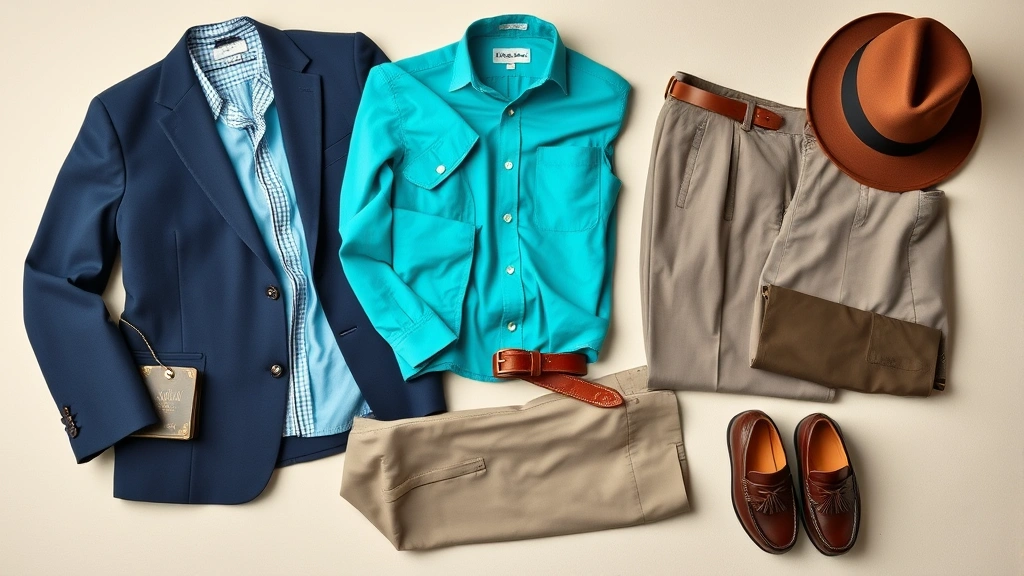
The Ivy League Look represented educated, upper-middle-class masculinity. This aesthetic featured tailored but slightly relaxed fits, quality fabrics, and conservative colors. The uniform typically included a navy blazer, oxford cloth shirt, tie, khaki trousers, and loafers. This preppy aesthetic emphasized timeless quality over trendy statements. It remains influential in contemporary menswear and provides an excellent entry point for those new to vintage styling.
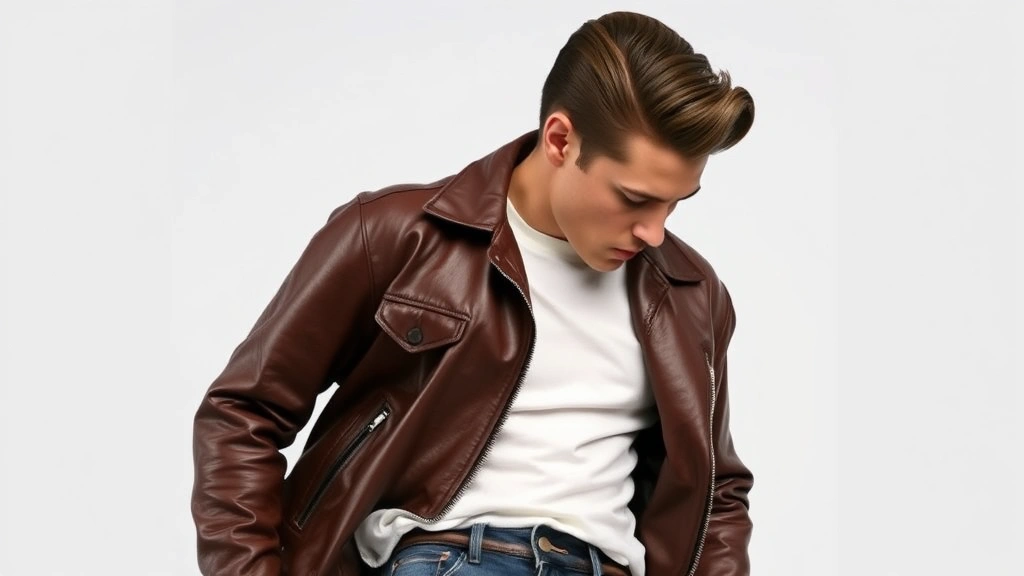
The Rockabilly and Greaser Aesthetic embraced rebellion and youthful energy. Popularized by musicians and actors like Elvis Presley and James Dean, this look featured leather jackets, white t-shirts, fitted jeans, and slicked-back hair. The styling was more casual and provocative than mainstream 50s fashion, representing youth culture and rock and roll. This rebellious approach influenced contemporary streetwear and remains visually striking.
The Classic Business Look defined professional masculinity. Tailored suits in neutral colors, paired with quality dress shirts, ties, and polished shoes, created a uniform of competence and respectability. This approach emphasized craftsmanship, proper fit, and understated sophistication. Many modern professionals reference this aesthetic when developing business casual or formal wardrobes.
The Casual Weekend Style featured more relaxed pieces while maintaining tailored proportions. Polo shirts, casual button-ups, chinos, and loafers created an approachable yet refined appearance. This style represented leisure and comfort without sacrificing polish. The influence of this approach appears throughout contemporary casual menswear.
Exploring 50s fashion makeup and grooming standards reveals how comprehensive the era’s aesthetic philosophy truly was. Style extended beyond clothing to encompass overall presentation and personal grooming.
Accessories and Footwear
Accessories played a crucial role in completing 50s menswear outfits. These finishing details elevated simple pieces into cohesive, polished ensembles.
Ties and Neckwear were essential for formal and semi-formal occasions. Narrow ties, typically between 2.5 to 3 inches wide, were standard during the early 1950s. Patterns included solids, stripes, paisleys, and novelty prints. Tie clips and bars were functional accessories that also added visual interest. Bow ties, though less common than in previous decades, still appeared for formal events.
Belts and Buckles served both functional and aesthetic purposes. Leather belts in brown, black, and tan coordinated with shoes. Simple buckles were standard for business wear, while more decorative western-inspired buckles appeared in casual contexts. The belt’s width and color influenced the overall outfit’s formality level.
Hats and Headwear remained important accessories throughout the 1950s. Fedoras, homburgs, and trilbies were standard for formal and business occasions. Casual wear featured baseball caps, flat caps, and cowboy hats depending on the context. Hat etiquette remained important, with specific styles appropriate for different occasions and times of day.
Watches and Jewelry were kept minimal and refined. Wristwatches were practical necessities that also conveyed status and taste. Classic designs from brands like Omega and Hamilton were popular. Class rings, wedding bands, and occasionally cufflinks represented the extent of jewelry for most men. Excessive jewelry was considered inappropriate during this conservative era.
Footwear reflected the occasion and style approach. Dress shoes included oxford and derby styles in black or brown leather. Loafers, both penny and tassel varieties, offered versatility for business casual and weekend wear. White buck shoes and saddle shoes appeared in casual and youth-oriented contexts. Sneakers, typically canvas Converse or Keds, were reserved for athletic activities. Cowboy boots appeared in western and rockabilly styling.
Quality leather and proper shoe maintenance were essential elements of 50s menswear. Shoes were polished regularly and cared for meticulously. This attention to detail reflected broader cultural values emphasizing craftsmanship and personal presentation.
Hairstyles and Grooming
The 1950s established distinctive grooming standards that extended beyond clothing. Hair and personal grooming were integral components of complete style.
The Classic Pompadour and Slicked-Back Styles dominated the era. These looks required pomade, brilliantine, or hair gel to achieve the distinctive volume and shine. The style involved longer hair on top, slicked back and slightly upturned, with shorter sides and back. Variations included the ducktail, where hair was slicked back and came to a point, and the flat-top, featuring shorter, squared-off hair on top.
These hairstyles required regular maintenance and frequent barber visits. Barbershops were important social spaces where men discussed style, politics, and culture. The quality of a haircut and the precision of its execution reflected personal standards and social status.
Facial Hair Standards emphasized clean-shaven faces. The five o’clock shadow was avoided through daily shaving with safety razors or straight razors. Aftershave and cologne were used regularly, with specific scents becoming associated with masculinity and sophistication. The emphasis on clean grooming reflected post-war values celebrating order and respectability.
Overall Grooming Practices were meticulous and time-consuming. Skincare routines, though simpler than contemporary standards, emphasized cleanliness and presentation. Men’s grooming products specifically marketed to masculine ideals became increasingly available during the 1950s. The barbershop served as the primary grooming destination, with barbers providing haircuts, shaves, and advice on style and appearance.
Integrating 50s Style Today
The enduring appeal of 50s menswear lies in its timeless principles of tailoring, quality, and sophistication. Integrating these elements into contemporary wardrobes requires thoughtful curation and understanding of how vintage aesthetics translate to modern contexts.
Building a Modern 50s-Inspired Wardrobe begins with foundational pieces: a well-tailored navy or charcoal suit, quality white and light blue dress shirts, and classic leather shoes. These basics provide a foundation compatible with contemporary professional and formal environments. Adding vintage-inspired pieces gradually allows for experimentation without drastic wardrobe overhauls.
Thrifting and vintage retailers offer authentic pieces from the era, though sizing and condition vary considerably. Modern brands specializing in vintage reproduction provide new items manufactured to 1950s specifications. These reproductions offer consistency, proper sizing, and contemporary durability while maintaining historical accuracy. Vogue’s guide to styling vintage menswear offers contemporary perspectives on integrating period pieces into modern outfits.
Understanding how to blend 50s pieces with contemporary items prevents costumes from appearing. A 1950s suit paired with modern shoes and minimal accessories reads as intentional styling rather than historical recreation. Conversely, mixing vintage and contemporary pieces creates dynamic, personal style statements.
Occasion-Based Styling determines which 50s elements work best. Business environments benefit from the tailored suit aesthetic, while casual settings allow for bolder color choices and more relaxed silhouettes. Weekend wear can embrace the casual bowling shirt or casual weekend style, while formal events call for the classic business look’s refined approach.
For those interested in broader fashion history, exploring contemporary fashion brands reveals how modern designers reference and reinterpret vintage aesthetics. This understanding helps contextualize 50s style within broader fashion evolution.
Personal Adaptation ensures 50s inspiration reflects individual taste and lifestyle. Not every element must be historically accurate; instead, selecting pieces and approaches that resonate personally creates authentic style. Someone might embrace the Ivy League aesthetic while ignoring rockabilly elements, or vice versa. This selective curation allows vintage inspiration to enhance rather than dictate personal style.
The 1950s emphasis on quality, tailoring, and timelessness provides valuable lessons for contemporary men navigating fashion choices. Rather than chasing trends, investing in well-made pieces that fit properly and reflect personal values creates lasting style satisfaction. This philosophy, central to 50s menswear, remains relevant and increasingly valuable in contemporary consumer culture.
Men’s Fitness offers contemporary perspectives on incorporating vintage elements into fitness and lifestyle contexts, demonstrating the era’s continued relevance across diverse style applications.
Understanding fashion design education reveals how design schools continue teaching 1950s menswear principles as foundational tailoring and silhouette knowledge. The decade’s influence permeates fashion education, confirming its significance within design history.
FAQ
What defines authentic 50s men’s fashion?
Authentic 50s menswear emphasizes tailored silhouettes, quality natural fabrics, structured shoulders, nipped waists, and high-waisted trousers. The decade celebrated precision tailoring and clean proportions. Different social groups embraced distinct approaches, from the conservative Ivy League look to the rebellious rockabilly aesthetic, but all shared an emphasis on intentional styling and personal presentation.
How should I fit 50s-style clothing for modern bodies?
Modern bodies often differ from 1950s proportions, requiring thoughtful alterations. Work with experienced tailors who understand vintage silhouettes. You may need to adjust sleeve length, jacket length, and trouser rise to match your body while maintaining the era’s proportions. Vintage reproduction brands often offer extended sizing to accommodate contemporary body types.
Can I mix 50s pieces with contemporary clothing?
Absolutely. Mixing vintage and contemporary pieces creates dynamic, personal style. A 1950s suit paired with modern shoes reads as intentional styling. A vintage bowling shirt worn with contemporary jeans and sneakers creates a casual, eclectic look. The key is balancing proportions and ensuring the overall outfit feels cohesive rather than costume-like.
Where can I find authentic 50s menswear?
Vintage retailers, thrift stores, and online marketplaces like eBay and Etsy offer authentic pieces, though sizing and condition vary. Modern brands specializing in vintage reproduction provide new items manufactured to period specifications. High-end designers frequently reference 50s aesthetics in contemporary collections. Budget and authenticity preferences determine the best sourcing approach.
What’s the most important element of 50s menswear style?
Proper fit is paramount. Even affordable pieces look sophisticated when tailored correctly. The 50s emphasis on structured, fitted silhouettes means ill-fitting clothing appears sloppy regardless of quality. Investing in tailoring transforms standard pieces into polished, intentional outfits that capture the era’s aesthetic.
How do I adapt 50s style for casual, everyday wear?
Focus on tailored proportions and quality basics rather than formal pieces. Well-fitted chinos, polo shirts, casual button-ups, and quality sneakers capture the era’s casual approach. The key is maintaining the decade’s emphasis on proper fit and intentional styling while embracing comfort appropriate for contemporary lifestyles.
The Sartorialist provides contemporary menswear perspectives on translating vintage inspiration into modern personal style, offering practical advice for integrating historical references into contemporary wardrobes.