1980s Black Fashion Trends: Expert Insights into Power Dressing & Street Style
The 1980s represented a transformative era for black fashion, where audacity met sophistication and rebellion merged with glamour. This iconic decade saw black fashion transcend traditional boundaries, becoming a powerful statement of identity, status, and cultural expression. From the boardrooms of Manhattan to the underground clubs of New York City, black clothing dominated the fashion landscape, worn by everyone from Wall Street titans to punk rockers and hip-hop pioneers. The 1980s black fashion movement wasn’t simply about color choice—it was a cultural phenomenon that redefined how we perceive elegance, power, and individual style.
Understanding the nuances of 1980s black fashion requires examining the diverse subcultures and mainstream movements that shaped this decade. Black became the uniform of choice for those seeking to project authority, mystery, and modernity simultaneously. Whether you’re interested in 1980s men’s fashion or women’s silhouettes, the consistent thread running through the era was the strategic use of black to communicate power, sophistication, and cultural relevance. Today, fashion designers and style experts continue to draw inspiration from this transformative period, proving that 1980s black fashion remains eternally relevant.
The Power Dressing Revolution
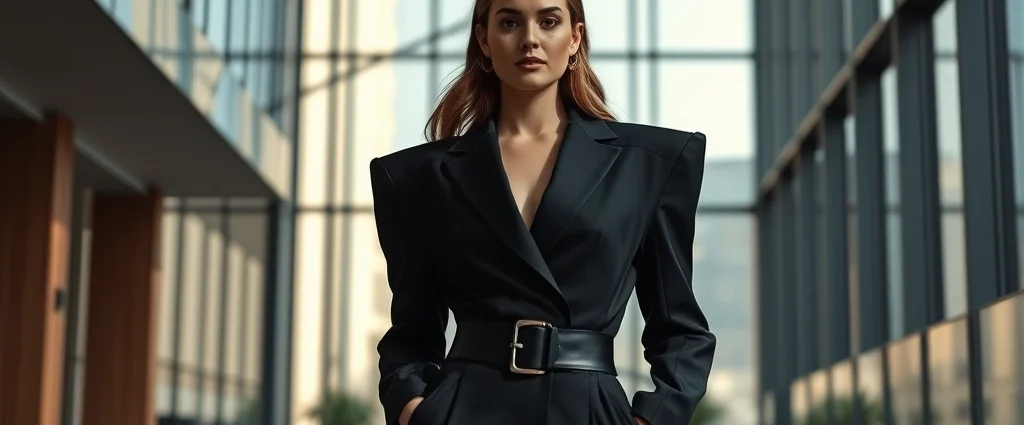
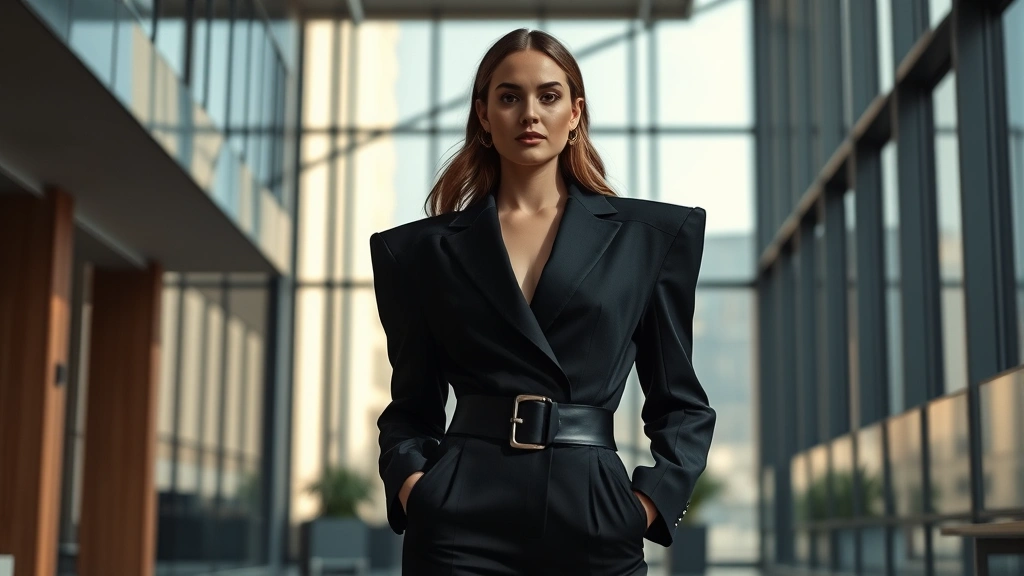
Power dressing emerged as the dominant fashion philosophy of the 1980s, and black was its ultimate color. Professional women entering corporate America discovered that black blazers, tailored trousers, and structured dresses conveyed authority and competence in male-dominated workplaces. This wasn’t accidental—fashion designers deliberately crafted silhouettes that exuded confidence and command. The power suit, typically rendered in black, featured sharp shoulders, nipped waists, and impeccable tailoring that created an impression of strength and capability.
According to Vogue‘s historical analysis, black power dressing represented more than aesthetic preference; it symbolized women’s assertion of professional identity. The color choice was strategic—black absorbed light, creating visual weight and presence. Combined with oversized proportions and dramatic silhouettes, black clothing allowed women to command attention and respect in corporate environments. Designers like Giorgio Armani perfected the art of black power suiting, creating pieces that balanced femininity with undeniable authority.
The black power suit became so culturally significant that it transcended fashion to become a symbol of female empowerment. Shoulder pads, a hallmark of 1980s design, were exaggerated in black fabrics to create an almost architectural presence. These weren’t subtle garments—they were declarations of intent, worn by women who refused to fade into the background of corporate hierarchies. The simplicity of black allowed the structural elements to speak loudly, making every line and angle a statement of power.
Street Style and Subcultures
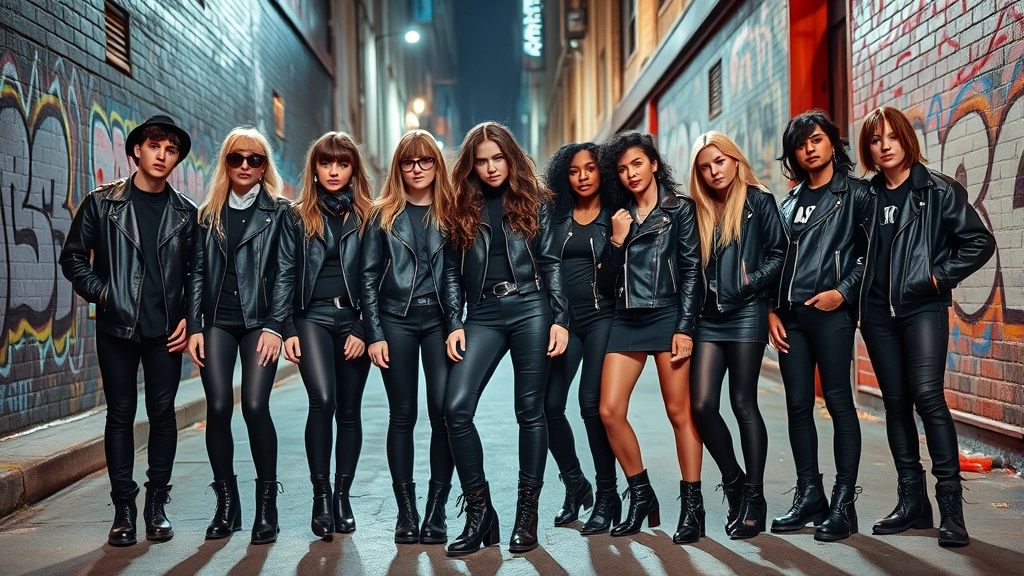
Beyond the corporate sphere, 1980s black fashion dominated street style through various subcultures that defined the decade. The punk movement, which gained significant momentum in the early 1980s, adopted black as its uniform of rebellion. Black leather jackets, black ripped jeans, and black combat boots created an aesthetic of defiance and anti-establishment sentiment. This wasn’t fashion for fashion’s sake—it was visual protest, where every black garment communicated rejection of mainstream values.
The new wave and gothic movements similarly embraced black, but with different intentions. Where punk was aggressive and confrontational, gothic black fashion was mysterious and theatrical. Black velvet, black lace, and black satin created dramatic silhouettes that evoked Victorian darkness and romantic melancholy. These subcultures influenced mainstream fashion, gradually bringing edgy, black-centric aesthetics into everyday wardrobes. What started as subcultural rebellion became fashion statement, as designers incorporated punk and gothic elements into commercially available clothing.
Hip-hop culture also claimed black as its dominant color during the 1980s. Oversized black tracksuits, black sneakers, and black leather jackets became symbols of hip-hop identity and artistic expression. This wasn’t coincidental—black provided the perfect canvas for bold logos, metallic accents, and statement jewelry that defined hip-hop aesthetics. The color’s versatility allowed it to work across diverse styles, from athletic wear to luxury fashion, making it the universal language of cool in 1980s urban culture.
Iconic Silhouettes and Cuts
The 1980s introduced distinctive silhouettes that became synonymous with the era, and black was the preferred medium for showcasing these dramatic shapes. Oversized blazers with exaggerated shoulder pads created a strong, architectural silhouette that dominated professional and casual wardrobes alike. These weren’t tailored close to the body—instead, they created volume and presence, making the wearer appear larger and more commanding. In black, these silhouettes became almost sculptural, creating stark geometric forms against the body.
Fitted black leggings and tights became foundational wardrobe pieces, worn under oversized sweaters, tunics, and dresses. This combination created visual interest through proportion play—the contrast between tight lower halves and voluminous upper bodies became a defining aesthetic. Black leggings’ versatility meant they could transition from casual to professional contexts seamlessly, making them an essential wardrobe staple for anyone seeking how to find your personal style during this era.
Miniskirts, often in black, paired with black tights created a youthful, modern look that contrasted with the more conservative power dressing aesthetic. The black miniskirt wasn’t new, but 1980s versions featured unique details—asymmetrical cuts, leather construction, or metallicized fabrics—that made them distinctly contemporary. Black leather miniskirts particularly symbolized edginess and sexuality, worn by women claiming space in nightlife culture and artistic scenes.
The black dress evolved into various silhouettes throughout the decade. The little black dress, a fashion staple since Coco Chanel’s era, was reimagined with 1980s sensibilities—puffed sleeves, asymmetrical hemlines, and bold cutouts. These weren’t understated pieces; they were statement garments that commanded attention through structural drama rather than pattern or color variation. Bodycon dresses in black elastic materials became popular by the late 1980s, creating sleek, form-fitting silhouettes that emphasized the body’s contours.
Fabrics and Textures
The 1980s celebrated fabric diversity, and black provided the perfect backdrop for experimenting with different textures and finishes. Leather and suede dominated the decade, with black leather jackets becoming iconic status symbols. The material’s durability and luxurious appearance made it desirable across socioeconomic categories, from punk rockers who purchased vintage leather to wealthy professionals investing in designer black leather blazers. Black leather’s association with rebellion and sexuality made it particularly appealing to those seeking to project confidence and edge.
Velvet represented the opposite end of the spectrum—soft, luxurious, and deeply textured. Black velvet created elegant, sophisticated looks, often used for evening wear and special occasions. The fabric’s light-absorbing properties made black velvet appear almost three-dimensional, with depth and richness that other fabrics couldn’t achieve. Black velvet blazers, dresses, and accessories added luxury and sensuality to 1980s wardrobes, particularly among those with disposable income seeking to demonstrate taste and refinement.
Synthetic materials like nylon, polyester, and spandex became increasingly prevalent during the 1980s, and black versions of these fabrics created futuristic, modern aesthetics. Black nylon windbreakers, black polyester tracksuits, and black spandex leggings represented the decade’s embrace of technology and innovation. These materials were practical, affordable, and distinctly contemporary—qualities that appealed to younger consumers seeking affordable fashion. The shininess of synthetic black fabrics reflected light differently than natural materials, creating visual interest and movement.
Lace emerged as an unexpected texture in 1980s black fashion, particularly influenced by the gothic and new wave movements. Black lace overlays, black lace stockings, and black lace details added femininity and intricacy to otherwise stark garments. The contrast between lace’s delicate appearance and black’s darkness created visual tension that was distinctly 1980s—simultaneously romantic and edgy, soft and strong.
Accessories That Defined the Era
Accessories played crucial roles in completing 1980s black fashion looks, often serving as the primary means of expressing individual style within the constraints of black clothing. Black leather belts with large, prominent buckles cinched oversized silhouettes, creating definition and visual interest. These weren’t subtle accessories—buckles featured bold designs, metallic finishes, and prominent branding that made them statement pieces. Wide leather belts allowed wearers to manipulate silhouettes dramatically, transforming oversized garments into more structured forms.
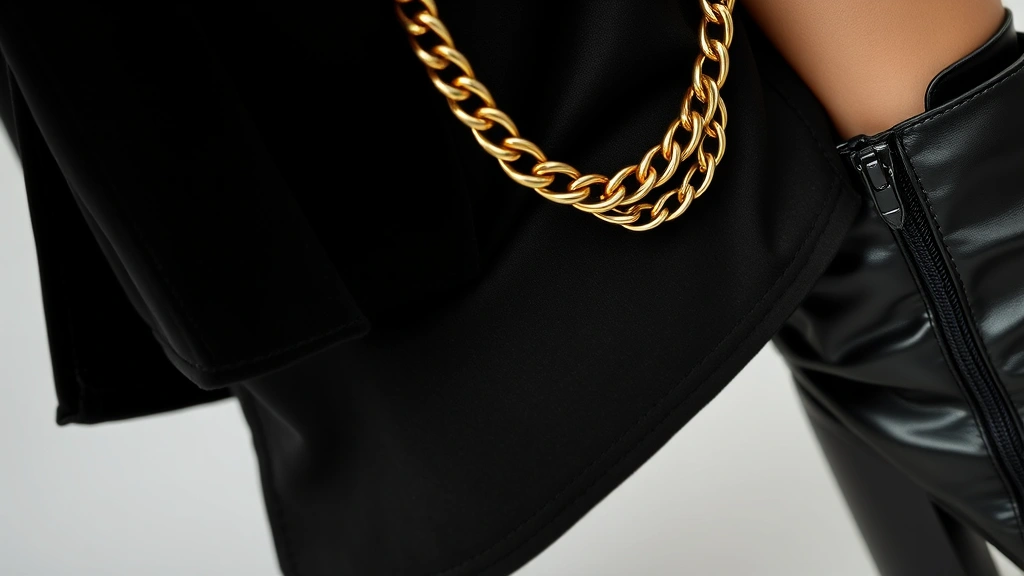
Jewelry in the 1980s favored bold, architectural designs that contrasted with black clothing. Chunky gold chains, geometric earrings, and statement brooches created visual interest and luxury perception. The contrast between black and gold became particularly popular, symbolizing wealth and taste. Black onyx and black diamond jewelry provided more subtle options for those preferring monochromatic aesthetics, while still conveying luxury and sophistication.
Footwear options ranged from practical to dramatic. Black pumps with exaggerated heels were professional and powerful, while black ankle boots provided edgy alternatives. Black sneakers, particularly athletic brands, became symbols of casual cool and athletic-inspired fashion. Black leather boots, often with significant heel height, created elongated leg lines and commanded attention. The variety of black footwear options meant that nearly any aesthetic preference could be accommodated within a black-dominant wardrobe.
Bags and purses in black completed looks while providing practical functionality. Black leather shoulder bags conveyed professionalism, while black clutches added evening elegance. The practicality of black—hiding stains and showing minimal wear—made it the sensible choice for everyday bags. Large black totes became ubiquitous, serving both professional and casual contexts seamlessly. Metallic accents on black bags added visual interest, while structured designs emphasized the architectural silhouettes favored throughout the decade.
Cultural Impact and Legacy
The prevalence of black fashion in the 1980s reflected deeper cultural shifts. The rise of feminism and women’s professional advancement made power dressing—particularly in black—a visual manifestation of changing gender roles. Black fashion allowed women to claim space in professional environments while simultaneously expressing personal style and creativity. The decade’s celebration of individual expression through fashion meant that black could simultaneously represent corporate authority, artistic rebellion, and sexual confidence depending on context and styling.
Fashion historians often credit the 1980s with establishing black as a universal color of sophistication and modernity. Designers like Giorgio Armani and Rei Kawakubo (of Comme des Garçons) championed black as a color of artistic integrity and minimalist sophistication. Their influence elevated black from practical color choice to statement of design philosophy. This established black as inherently stylish, a color choice that communicated taste and awareness of contemporary design trends.
The 1980s black fashion movement also democratized style. Unlike previous eras where fashion was dictated top-down from designers to consumers, the 1980s saw diverse subcultures creating their own fashion narratives. Black provided a unifying element across these disparate movements—punk rockers, corporate professionals, hip-hop artists, and gothic enthusiasts all claimed black as their color of choice. This created a cultural moment where black fashion transcended class, age, and demographic boundaries.
For those interested in understanding fashion history more deeply, exploring fashion design degree programs can provide comprehensive education in how cultural movements influence design. The 1980s black fashion movement demonstrates how social forces, economic conditions, and technological innovation converge to create distinctive aesthetic moments that influence fashion for decades.
Modern Application of 80s Black Fashion
Contemporary fashion continues drawing inspiration from 1980s black fashion, with designers regularly referencing this influential decade. Oversized blazers remain wardrobe staples, with modern versions maintaining the dramatic shoulder silhouettes of the 1980s. Black leather jackets have never fallen out of favor, remaining essential pieces in virtually every style category. The versatility that made black fashion work across diverse contexts in the 1980s ensures its continued relevance today.
Modern streetwear embraces many 1980s black fashion elements, from oversized silhouettes to bold graphic designs on black backgrounds. The era’s emphasis on mixing high fashion with casual pieces—a key element of 1980s style—continues influencing contemporary fashion. Styling fashion nova dresses and other contemporary pieces often employs 1980s-inspired black fashion principles, proving the enduring appeal of this aesthetic.
The revival of 1980s fashion in recent years has seen deliberate reintroduction of black-dominant aesthetics. Fashion designers reference the decade explicitly, recreating power suits and oversized silhouettes for contemporary audiences. This isn’t nostalgic repetition—instead, modern interpretations update 1980s black fashion with contemporary cuts, sustainable materials, and inclusive sizing. The core principles of 1980s black fashion—using black to project confidence, authority, and artistic expression—remain deeply relevant.
For those developing their personal fashion philosophy, StyleLoom Daily Blog offers contemporary perspectives on how historical fashion movements inform current style choices. The 1980s black fashion movement demonstrates that color choice communicates meaning, and that working within constraints (like a monochromatic palette) can enhance rather than limit creative expression.
FAQ
Why was black so dominant in 1980s fashion?
Black dominated 1980s fashion for multiple interconnected reasons. Culturally, it represented power and authority during an era of significant social change, particularly for women entering professional spaces. Aesthetically, black provided the perfect canvas for the decade’s bold silhouettes and architectural designs. Practically, black was versatile, affordable, and easy to maintain. Psychologically, black communicated sophistication, modernity, and intentionality—all values the 1980s celebrated.
What were the key black fashion pieces everyone wore in the 1980s?
Essential 1980s black fashion pieces included oversized blazers with shoulder pads, black leather jackets, black leggings or tights, black miniskirts, black dress pants, black bodycon dresses, and black boots. These pieces could be mixed and matched across professional, casual, and evening contexts, making them practical investments for fashion-conscious individuals. The versatility of these pieces meant that a relatively small black wardrobe could create numerous distinct looks.
How did different subcultures use black fashion differently?
While all 1980s subcultures embraced black, they styled it distinctly. Punk rockers paired black with ripped textures, chains, and aggressive accessories to communicate rebellion. New wave and gothic enthusiasts used black velvet, lace, and romantic silhouettes to evoke mystery and darkness. Hip-hop artists combined black with bold logos, metallic accents, and athletic-inspired pieces to create statements of urban cool. Professional women wore structured black suits to communicate authority. These different approaches demonstrated black’s remarkable versatility.
Is 1980s black fashion still relevant today?
Absolutely. Many foundational pieces of 1980s black fashion remain contemporary staples. The oversized blazer, black leather jacket, and black dress continue serving as wardrobe essentials across diverse style categories. Modern fashion regularly references 1980s aesthetics, with designers deliberately incorporating elements like dramatic silhouettes and bold proportions. The principles underlying 1980s black fashion—using color and structure to communicate identity and confidence—remain eternally relevant.
How can I incorporate 1980s black fashion into my modern wardrobe?
Start with foundational pieces like an oversized black blazer, black leather jacket, or well-fitted black dress. Add 1980s-inspired proportions through oversized silhouettes or dramatic sleeve details. Incorporate statement accessories like bold belts or chunky jewelry. Consider mixing high and low fashion elements as 1980s fashion did. Experiment with different black textures—leather, velvet, lace—to add visual interest. Remember that 1980s black fashion celebrated confidence and individuality, so prioritize pieces that make you feel powerful and self-assured.