Reviving 1970s Men’s Fashion: Expert Insights on Timeless Style
The 1970s represent one of the most transformative decades in men’s fashion history, a period when bold colors, relaxed silhouettes, and unapologetic self-expression dominated wardrobes across the globe. From disco fever to bohemian rebellion, this era gifted modern menswear with iconic pieces and styling philosophies that continue to influence contemporary fashion. Today’s designers and style experts are increasingly looking back at this golden age, recognizing that 1970s fashion men pioneered a liberating approach to personal style that resonates with today’s individualistic sensibilities.
But what makes seventies menswear so compelling for today’s fashion-conscious man? The answer lies in the decade’s unique blend of comfort, confidence, and creative expression. Unlike the rigid dress codes of previous generations, seventies fashion encouraged men to experiment with textures, patterns, and proportions in ways that felt revolutionary. Whether you’re seeking to incorporate vintage elements into your modern wardrobe or fully embrace the aesthetic, understanding the core principles of this era is essential. This comprehensive guide explores the resurgence of 1970s men’s fashion, drawing on expert insights and practical styling tips to help you navigate this captivating trend.
The Cultural Context: Why 70s Fashion Mattered
The 1970s emerged as a period of unprecedented social change, and menswear became a powerful vehicle for expressing these shifting values. The counterculture movement of the previous decade had planted seeds of individualism that flourished throughout the seventies. Men began rejecting the conformist ideals of the 1950s and early 1960s, instead embracing fashion as a form of personal identity and political statement.
During this transformative era, several cultural movements influenced fashion simultaneously. The disco phenomenon brought glamour and androgyny to mainstream menswear, while the rising environmental consciousness sparked interest in natural fibers and earthy aesthetics. Meanwhile, the blaxploitation film movement celebrated bold, unapologetic style that influenced menswear across all demographics. According to Vogue’s historical fashion analysis, the seventies marked the first time in modern history when men’s fashion was seen as equally creative and expressive as women’s fashion.
This democratization of style meant that working-class aesthetics merged with high fashion, creating a uniquely accessible luxury. Men no longer needed expensive tailoring to look fashionable; instead, a thrifted denim jacket, the right accessories, and confidence could elevate an entire look. This philosophy remains remarkably relevant today, as contemporary menswear increasingly celebrates accessibility and individual interpretation over rigid fashion rules.
Understanding the 1970s men’s fashion revival requires recognizing how seventies style represented liberation from restrictive gender norms. Men wearing long hair, colorful clothing, and experimental silhouettes were making profound statements about personal freedom. Today’s revival taps into this same energy—a desire to break free from monotonous corporate dressing and reclaim fashion as a joyful, creative practice.
Iconic Pieces That Define the Decade
Certain garments became synonymous with seventies menswear, and these pieces continue to anchor modern styling. Understanding these foundational items is crucial for authentically incorporating the aesthetic into your wardrobe.
Wide-Collar Shirts: Perhaps the most recognizable seventies staple, oversized collar shirts became emblematic of the era’s embrace of dramatic proportions. These weren’t subtle additions—collars extended far beyond the shoulder line, creating bold geometric shapes. Contemporary designers have reinterpreted this element, offering modern versions with slightly tamed proportions that capture the spirit without appearing costume-like.
Flared and Bell-Bottom Trousers: The silhouette of seventies menswear revolved around dramatic leg openings. Bell-bottoms weren’t reserved for disco dancers; they represented a mainstream departure from the slim, tapered cuts that dominated previous decades. The flare created a visual sense of movement and rebellion, particularly when paired with stacked heels or platform shoes.
Jumpsuits and Bodysuits: Influenced by both workwear and avant-garde fashion, jumpsuits became legitimate fashion statements in the seventies. These one-piece garments offered an audacious alternative to traditional separates and remain surprisingly modern when styled correctly.
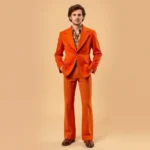
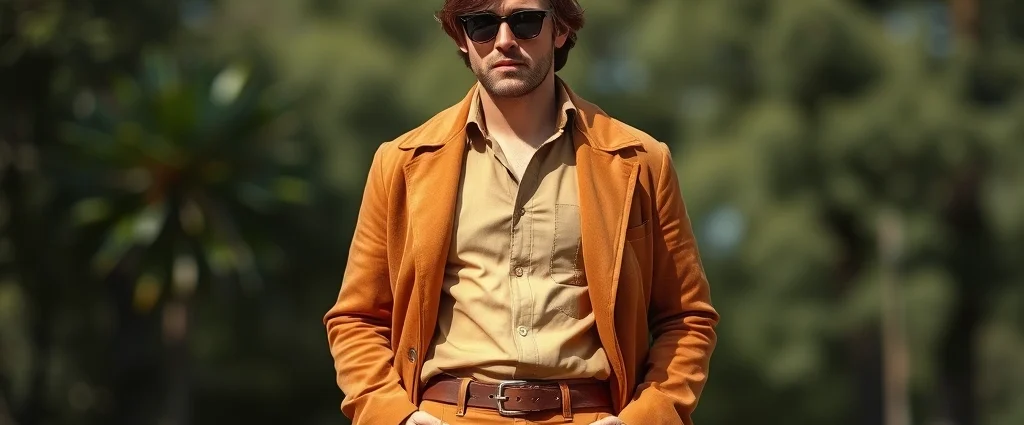
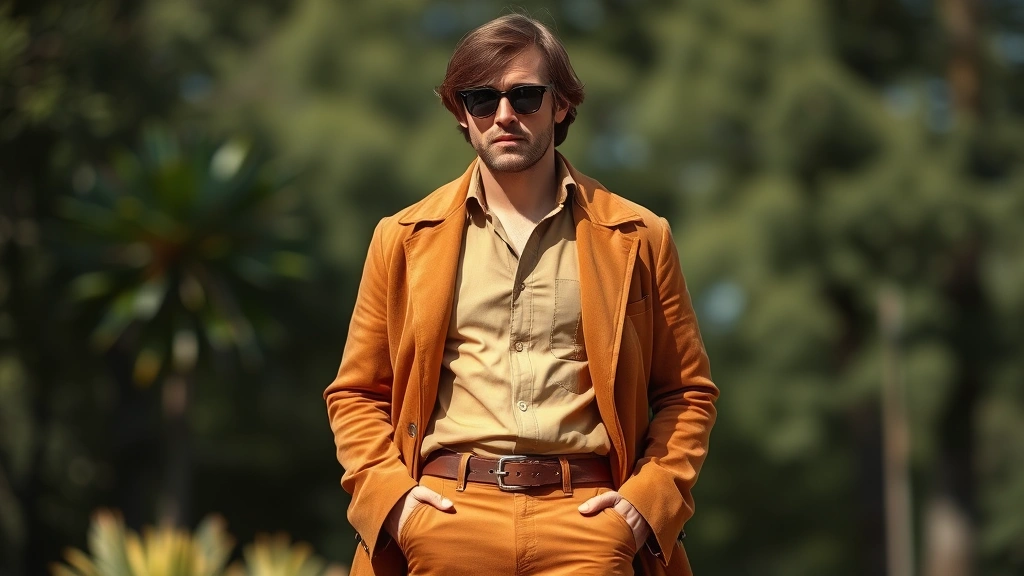
Suede and Leather Jackets: Rich, tactile materials defined seventies luxury. Suede jackets, often in earth tones or jewel colors, represented accessible opulence. Leather, particularly in cognac and chocolate brown, became foundational to the decade’s aesthetic and remains enduringly fashionable.
Patterned Fabrics: From paisley to geometric prints, seventies menswear embraced bold patterns that would have been unthinkable in previous eras. Floral prints, chevron patterns, and abstract designs appeared on shirts, suits, and even outerwear. The key was wearing these patterns with confidence and balancing them with solid-colored pieces.
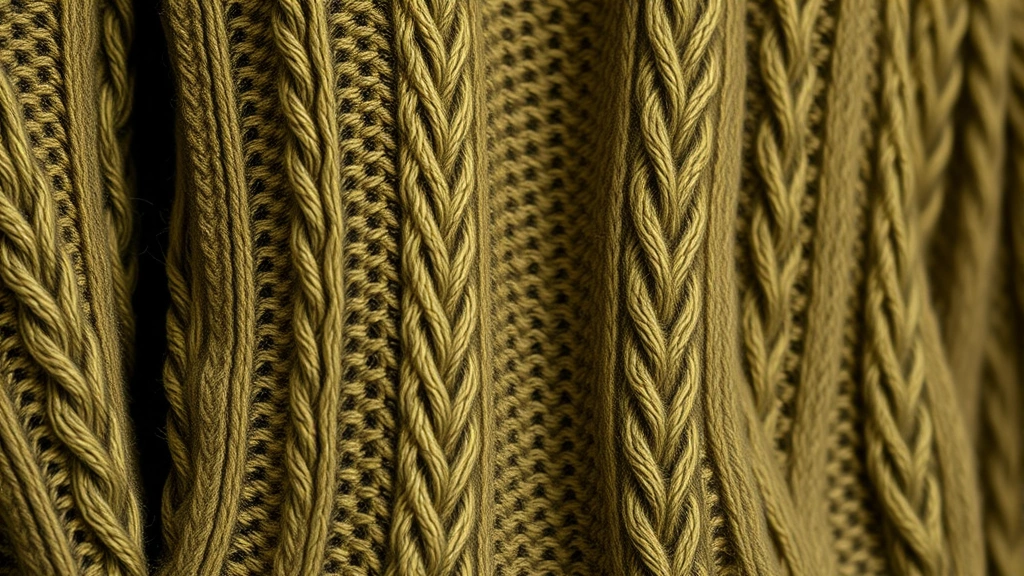
Knitwear and Cardigans: Chunky knit sweaters, cardigans, and vests provided warmth with personality. Texture became as important as color, with cable knits and open-stitch designs adding visual interest. This category of clothing offers contemporary men an accessible entry point into seventies styling, as vintage and modern knitwear from the period remains abundant and wearable.
Color Palettes and Fabric Choices
The seventies revolutionized men’s color palettes, moving far beyond the navy, gray, and black that had dominated menswear for generations. This shift toward chromatic boldness represents one of the most exciting aspects of the decade’s fashion legacy.
Earthy Tones: Browns, ochres, burnt oranges, and terracottas dominated the aesthetic, particularly influenced by the environmental movement and a romantic return to nature. These warm, grounding colors feel both retro and surprisingly contemporary, offering sophisticated alternatives to the cool neutrals that currently dominate menswear.
Jewel Tones: Deep emeralds, sapphires, and amethysts appeared in suede jackets, silk shirts, and knit sweaters. These rich colors conveyed luxury without requiring expensive fabrics, democratizing high fashion in a distinctly seventies way.
Warm Metallics: Gold, copper, and bronze accents appeared in fabrics, accessories, and even skin-tight jumpsuits. The disco movement particularly embraced shimmering materials that caught light and created movement on the dance floor.
Natural Fibers: The seventies celebrated authentic materials—linen, cotton, wool, silk, suede, and leather. Synthetic fabrics, while available, were often avoided by fashion-forward men who preferred the tactile quality and breathability of natural textiles. This preference aligns beautifully with contemporary sustainability concerns, making seventies fashion philosophically relevant.
Fabric texture became as important as color. Corduroy offered ribbed visual interest in earth tones. Velvet provided luxurious softness in jewel colors. Denim, worn and faded, represented casual authenticity. Linen crinkled beautifully and conveyed relaxed elegance. The variety of textures available in seventies menswear created visually rich outfits that engaged multiple senses.
Styling Tips for Modern Men
Incorporating seventies elements into contemporary menswear requires finesse and understanding. Fashion experts emphasize balance—combining vintage-inspired pieces with modern items prevents costumery and creates authentic personal style.
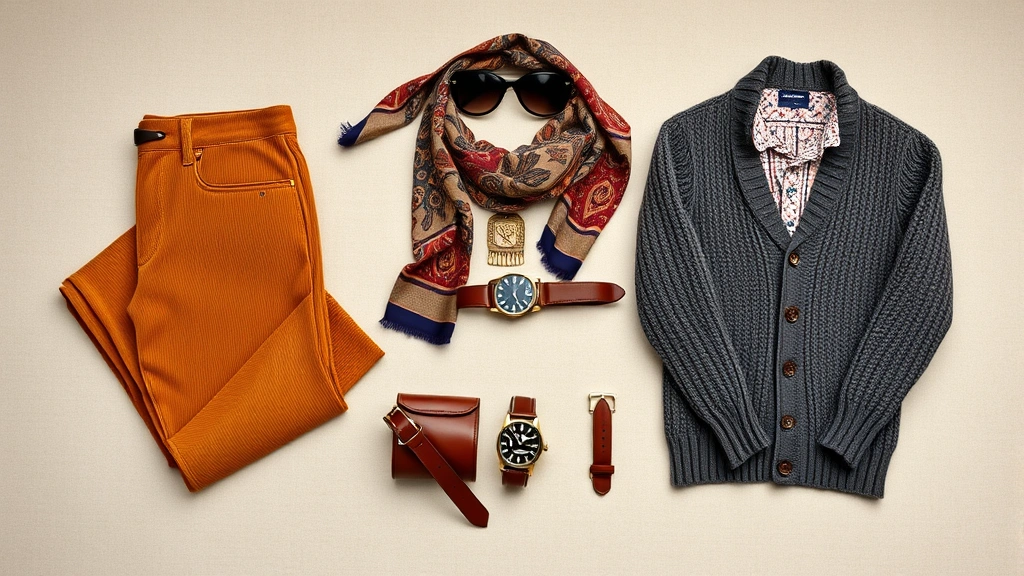
Start with Accessories: Before committing to bold silhouettes or colors, introduce seventies elements through accessories. A vintage band t-shirt, a wide-brimmed hat, sunglasses with large lenses, or a patterned scarf can signal seventies sensibility without overwhelming your overall aesthetic. This approach allows you to test comfort levels with the style.
Mix Proportions Strategically: If you wear wide-leg trousers, balance them with a fitted or regular-fit shirt. Conversely, if your shirt features dramatic proportions or bold patterns, pair it with more conventional trousers. This mixing prevents looking like you’ve stepped out of a time machine and instead creates a modern interpretation.
Invest in Quality Basics: Solid-colored t-shirts, simple sweaters, and classic denim provide grounding for more adventurous pieces. These basics become canvases for seventies-inspired statement items.
Embrace Layering: Seventies styling thrived on layering—shirts over t-shirts, vests over shirts, jackets over everything. This approach creates visual depth and allows for temperature regulation while building interesting silhouettes. Modern men can adopt this layering philosophy without the excess that sometimes plagued seventies fashion.
Consider how to find your personal style within the seventies framework. The decade celebrated individual expression, so authenticity matters more than strict adherence to period-specific rules. Your seventies-inspired wardrobe should reflect your personality and lifestyle.
Choose Quality Vintage Pieces: Hunting for authentic seventies garments can be rewarding, but prioritize condition and fit. A well-made vintage shirt or jacket becomes a wardrobe cornerstone, while poorly constructed or damaged pieces undermine your overall aesthetic.
Designer Perspectives on 70s Revival
Contemporary fashion designers increasingly reference seventies menswear, recognizing the decade’s innovative approach to tailoring, proportion, and color. Understanding professional design perspectives illuminates why this era continues influencing modern fashion.
Luxury brands like Gucci have extensively mined seventies aesthetics, from flared trousers to bold color combinations. Their interpretations elevate vintage elements through premium fabrics and refined tailoring, making the style accessible to contemporary consumers.
Fashion designer Alessandro Michele has been particularly vocal about seventies inspiration, describing the era as a moment when fashion became genuinely democratic. His collections frequently feature wide-collar shirts, earth tones, and eclectic pattern mixing—all seventies hallmarks reinterpreted for modern sensibilities.
According to Women’s Wear Daily’s trend forecasting, seventies menswear revival isn’t a fleeting trend but rather a fundamental shift in how contemporary men approach personal style. Designers recognize that younger generations—having grown up with diverse, globalized fashion references—feel less constrained by gender norms and vintage aesthetics.
The resurgence also reflects broader sustainability concerns. As consumers become more conscious of fashion’s environmental impact, vintage and secondhand seventies pieces represent both style and sustainability. Designers increasingly create new collections that honor seventies principles while using modern, eco-conscious materials and production methods.
Expert stylists emphasize that successful seventies revival requires understanding the philosophy behind the fashion, not merely copying surface-level aesthetics. The seventies celebrated individuality, rejected conformity, and embraced self-expression. Modern interpretations should embody these values while respecting contemporary contexts and comfort levels.
Building Your 70s-Inspired Wardrobe
Creating a cohesive seventies-inspired wardrobe needn’t require complete reinvention. Strategic additions and thoughtful curation can gradually transform your style.
Foundation Pieces: Begin with essential basics in neutral or earth-tone colors. Quality white, cream, and brown t-shirts serve as versatile foundations. Add simple sweaters in camel, olive, and chocolate brown. These pieces provide stability and allow statement items to shine.
Statement Shirts: Invest in 2-3 quality shirts featuring seventies elements—perhaps a wide-collar design, bold print, or interesting texture. Look for pieces in vintage shops, contemporary brands reinterpreting seventies style, or even quality fast-fashion interpretations. Ensure fit is flattering and fabric feels comfortable.
Trousers: Include at least one pair of flared or wide-leg trousers in a neutral color like camel, olive, or brown. This single piece dramatically shifts your silhouette and signals seventies awareness. Pair with modern fitted tops to avoid costume aesthetics. Additionally, maintain classic straight-leg or slim trousers for balance.
Outerwear: A suede or leather jacket in earth tones becomes a wardrobe workhorse. This single piece elevates casual outfits and provides instant seventies credibility. Consider color carefully—cognac, chocolate brown, and olive suede offer versatility across seasons and outfit combinations.
Knitwear: Chunky cardigans, cable-knit sweaters, and textured vests add dimension and warmth. These pieces feel contemporary and comfortable while honoring seventies aesthetics. Mix with modern basics for balanced styling.
Accessories: A wide-brimmed hat, oversized sunglasses, patterned scarves, and vintage-inspired jewelry complete seventies looks. These elements require minimal investment but dramatically impact overall aesthetic. Visit Style Loom Daily Blog for additional styling inspiration and practical guidance.
Footwear: Seventies menswear featured varied shoe styles—platform boots, loafers, and canvas sneakers all played roles. Modern interpretations should balance vintage proportions with contemporary comfort. Look for shoes in leather or suede that complement your overall palette.
Common Mistakes to Avoid
Even well-intentioned seventies styling can misfire if certain pitfalls aren’t avoided. Fashion experts identify recurring mistakes that undermine authentic revival.
Over-Commitment: Wearing head-to-toe seventies styling risks appearing costumey. Balance bold pieces with modern basics. If your shirt features dramatic proportions, keep trousers conventional. If you wear flared pants, pair them with fitted or standard-fit tops.
Poor-Quality Vintage: Damaged, stained, or ill-fitting vintage pieces undermine your aesthetic. Quality matters more than authenticity. A modern reproduction of a seventies shirt made from premium fabric outperforms a deteriorating original.
Ignoring Personal Coloring: Not all seventies colors flatter every complexion. While earth tones suit many people, some individuals look better in jewel tones or warm neutrals. Consider your natural coloring when selecting pieces, rather than forcing colors simply because they’re period-appropriate.
Neglecting Fit: Seventies fashion celebrated relaxed, comfortable silhouettes, but this doesn’t mean sloppy or poorly proportioned. Ensure garments fit your body appropriately. Wide-leg trousers should sit at your natural waist without excess fabric bunching. Oversized shirts should feel intentionally roomy, not accidentally oversized.
Excessive Pattern Mixing: The seventies embraced bold patterns, but modern styling benefits from restraint. Wear one patterned piece per outfit, balancing it with solids. This approach feels contemporary rather than chaotic.
Forgetting Context: Seventies styling works beautifully for casual, creative environments but may feel inappropriate for conservative professional settings. Adapt your interpretation to your lifestyle and professional requirements. Perhaps explore 90s fashion trends for a more contemporary alternative if seventies styling doesn’t suit your environment.
Ignoring Modern Comfort: While honoring seventies aesthetics, don’t sacrifice comfort or functionality. Modern fabrics, undergarments, and tailoring techniques can create seventies-inspired silhouettes while feeling contemporary and comfortable.
FAQ
Is 1970s men’s fashion still relevant in 2024?
Absolutely. Contemporary designers regularly reference seventies menswear, and fashion-forward men increasingly incorporate vintage elements into modern wardrobes. The decade’s emphasis on individual expression and rejection of conformity resonates strongly with contemporary values. Moreover, the sustainability movement celebrates vintage and secondhand seventies pieces, making the aesthetic both fashionable and environmentally conscious.
Can I wear 1970s fashion to professional environments?
Yes, with careful curation. Incorporate subtle seventies elements—perhaps a earth-toned blazer, a quality vintage watch, or a patterned silk scarf—rather than full-seventies outfits. Wide-collar shirts and flared trousers work in creative industries but may feel inappropriate in conservative corporate settings. Assess your workplace culture and adjust accordingly.
Where can I find authentic 1970s pieces?
Vintage shops, online platforms like Depop and Grailed, estate sales, and thrift stores offer authentic seventies menswear. Additionally, contemporary brands create new pieces inspired by seventies aesthetics, offering modern construction and quality. Mix authentic vintage finds with contemporary reinterpretations for a balanced wardrobe.
How do I style wide-leg trousers without looking dated?
Pair wide-leg trousers with fitted or regular-fit shirts, creating proportion contrast. Tuck in your shirt to define your waist and create clean lines. Add a modern belt and contemporary footwear. Layer with a fitted cardigan or blazer. This approach modernizes the silhouette while honoring seventies proportions.
What’s the best way to incorporate color into my seventies-inspired wardrobe?
Start with earth tones—browns, ochres, olives—as these feel both seventies and contemporary. Gradually introduce jewel tones through knitwear or accessories. Avoid bright neons or pastels unless they genuinely reflect your personal style. Remember that color should feel intentional and flattering to your complexion, not forced simply because it’s period-appropriate.
Can women wear 1970s men’s fashion?
Absolutely. Seventies menswear transcends gender boundaries. Wide-leg trousers, oversized shirts, and suede jackets work beautifully in gender-neutral styling. The decade pioneered androgynous fashion, so exploring menswear pieces aligns perfectly with seventies philosophy. Focus on fit and proportion rather than gender-coded marketing.
How can I ensure my 1970s styling looks modern rather than costume-like?
Balance is essential. Wear one bold seventies piece per outfit, pairing it with modern basics. Mix vintage and contemporary items. Ensure proper fit and quality. Consider your context and lifestyle. Most importantly, wear seventies-inspired pieces with confidence and authenticity—fashion is ultimately about expressing yourself, not performing a character.