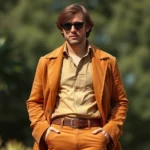
How to Rock 1970s Fashion: Expert Insights for Guys
The 1970s represent one of the most transformative and eclectic decades in fashion history, a time when men’s style broke free from conservative constraints and embraced bold experimentation, vibrant colors, and statement-making silhouettes. For modern guys looking to channel that groovy era, understanding the nuances of 1970s fashion requires more than just throwing on a pair of bell-bottoms and calling it a day. The decade offered a rich tapestry of distinct styles—from disco glamour and bohemian rebellion to preppy sophistication and rugged athleticism—each telling its own story about masculinity, identity, and cultural change.
Whether you’re drawn to the disco fever that dominated nightclubs, the relaxed counterculture vibes of hippie fashion, or the sharp tailoring of the decade’s latter years, mastering 1970s fashion for guys means understanding the context, key pieces, and styling techniques that made this era so memorable. This comprehensive guide draws on expert insights to help you authentically incorporate 1970s elements into your contemporary wardrobe, ensuring you look intentional rather than costume-y while celebrating one of fashion’s most audacious periods.
Understanding the 1970s Fashion Movement
To truly rock 1970s fashion, you must first understand the cultural and social forces that shaped men’s style during this revolutionary decade. The 1970s emerged from the turbulent 1960s with a spirit of liberation, individualism, and experimentation. Men’s fashion, traditionally the most conservative realm of style, underwent a dramatic transformation as younger generations rejected their fathers’ conformist wardrobes in favor of more expressive, adventurous looks.
The decade can be roughly divided into distinct style movements. The early seventies were heavily influenced by the counterculture and hippie movement, emphasizing natural fabrics, earthy tones, and relaxed silhouettes that rejected mainstream consumer culture. As the decade progressed, disco culture emerged as a powerful force, introducing glamorous, body-conscious tailoring, metallic fabrics, and bold primary colors that dominated dance floors and nightlife. Simultaneously, a preppy aesthetic gained traction among more traditional men, featuring structured blazers, polo shirts, and classic menswear silhouettes. By the late seventies, punk and new wave movements pushed boundaries even further with leather, safety pins, and deliberately provocative styling.
Understanding these movements helps you choose which 1970s aesthetic resonates with your personal style. You might find yourself drawn to the relaxed bohemian vibe, the glamorous disco look, or a hybrid approach that blends elements from different movements. As fashion experts at Vogue note, authenticity comes from understanding the cultural context behind the clothes you wear.
The beauty of 1970s fashion for modern guys lies in its diversity. Unlike some eras with a singular dominant aesthetic, the seventies celebrated individual expression and subcultural identity. This means you have tremendous freedom to interpret and adapt 1970s elements based on your lifestyle, body type, and personal preferences. Whether you’re attending a themed event, building a vintage-inspired capsule wardrobe, or simply incorporating retro touches into your everyday style, the key is understanding what each piece represents and how to wear it with confidence.
Essential 1970s Pieces Every Guy Should Know
Certain garments became iconic during the 1970s and remain instantly recognizable as products of that era. Knowing which pieces define the decade helps you build an authentic 1970s-inspired wardrobe without falling into clichéd territory.
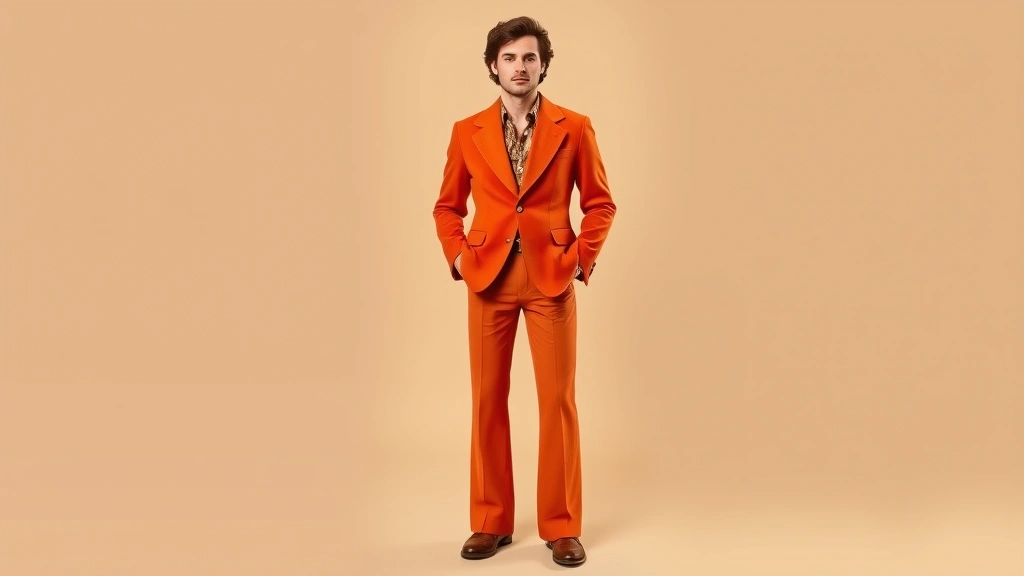
Wide-Lapel Blazers and Suits: Perhaps the most distinctive tailoring feature of 1970s menswear was the dramatically wide lapel. These weren’t subtle details—lapels often measured three inches or wider, creating bold, geometric lines across the chest. Paired with equally wide notches and often featuring statement patterns or rich earth tones, these blazers dominated both casual and formal settings. Modern guys can source vintage versions or look for contemporary brands reinterpreting this silhouette with slightly narrower proportions for a more wearable aesthetic.
Bell-Bottom Trousers: The silhouette that defined an era, bell-bottoms featured dramatically flared legs that widened from the knee downward, sometimes reaching seventeen inches in circumference at the hem. While authentic 1970s bell-bottoms can appear extreme to modern eyes, contemporary versions with moderate flare offer a nod to the era without looking costume-like. Pair them with period-appropriate tops and footwear to make the statement work.
Polyester Shirts: Lightweight, wrinkle-resistant, and often featuring bold patterns or rich jewel tones, polyester became synonymous with 1970s style. Look for patterned dress shirts with abstract prints, geometric designs, or nature-inspired motifs. Silk-like polyester blends create that authentic sheen while being more durable and wearable than pure polyester.
Denim Everything: Denim transcended its workwear origins in the seventies, becoming a canvas for self-expression. From denim jackets with embroidered patches to flared jeans and even denim shirts, denim was everywhere. Customize vintage denim with embroidery or patches to capture that individualistic spirit.
Leather Jackets: Whether worn by rockers, disco dancers, or rebels, leather jackets became iconic. The 1970s style featured looser fits, sometimes with fringe details, contrasting stitching, or metal studs. A quality leather jacket remains one of the most versatile pieces for incorporating 1970s attitude into modern style.
Jumpsuits and One-Pieces: Popularized by Elvis and disco culture, jumpsuits represented bold confidence and glamour. While not practical for everyday wear, understanding this silhouette helps you appreciate the decade’s willingness to experiment with unconventional menswear.
Color Palettes and Patterns That Define the Era
Color choice is crucial when styling 1970s fashion. The decade embraced both earthy, natural tones and bold, saturated hues with equal enthusiasm, depending on the specific aesthetic you’re channeling.
Earth Tones and Natural Hues: Inspired by the counterculture’s connection to nature, these colors dominated bohemian and hippie styles: burnt orange, mustard yellow, olive green, rust, chocolate brown, and cream. These warm, muted tones create an approachable, vintage aesthetic that works well in contemporary settings. Layer earth-toned pieces for depth and visual interest.
Bold Primary Colors: Disco and glam rock embraced electric blues, vibrant reds, sunny yellows, and hot pinks. These bold choices conveyed confidence, energy, and a refusal to blend into the background. Use these colors strategically—perhaps in a statement shirt or jacket—to capture that disco glamour without overwhelming your look.
Jewel Tones: Emerald green, sapphire blue, and burgundy appeared frequently in 1970s menswear, offering sophistication and richness. These colors work beautifully in contemporary styling, as they’re inherently flattering and timeless.
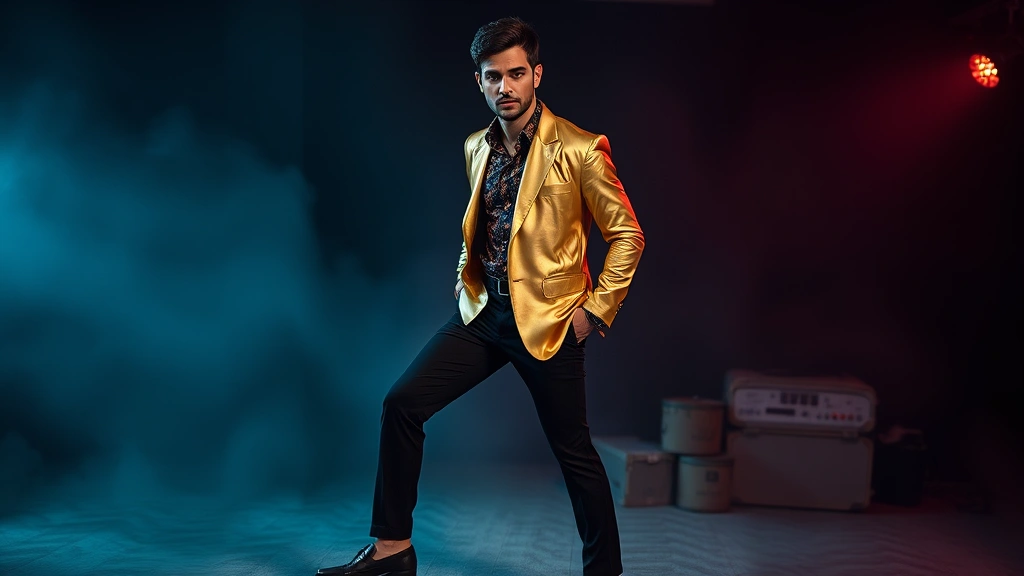
Metallic and Shimmering Finishes: Gold, silver, and bronze finishes were especially prominent in disco wear. Metallic fabrics, sequins, and shiny materials created an otherworldly glamour. Modern interpretations might include subtle metallic accents rather than head-to-toe shine.
Iconic Patterns: Paisley, geometric prints, floral motifs, houndstooth, plaid, and abstract designs covered 1970s garments. These patterns often appeared in bold, high-contrast combinations that would seem overwhelming by today’s minimalist standards, yet they perfectly captured the era’s maximalist spirit. When incorporating patterned pieces, let them be the focal point and keep other elements more neutral.
Disco Style: The Ultimate 1970s Statement
Disco represents the most glamorous and immediately recognizable 1970s aesthetic. Born in underground nightclubs and exploding into mainstream culture, disco style celebrated luxury, sensuality, and uninhibited self-expression through fashion. For guys seeking to embody authentic disco style, several key elements matter.
Tailored, Body-Conscious Silhouettes: Unlike the baggy fits popular in casual wear, disco demanded clothing that showed the body’s shape. Fitted shirts, snug trousers, and tailored jackets created a sleek, confident silhouette. The goal was to look polished and put-together, ready for the dance floor.
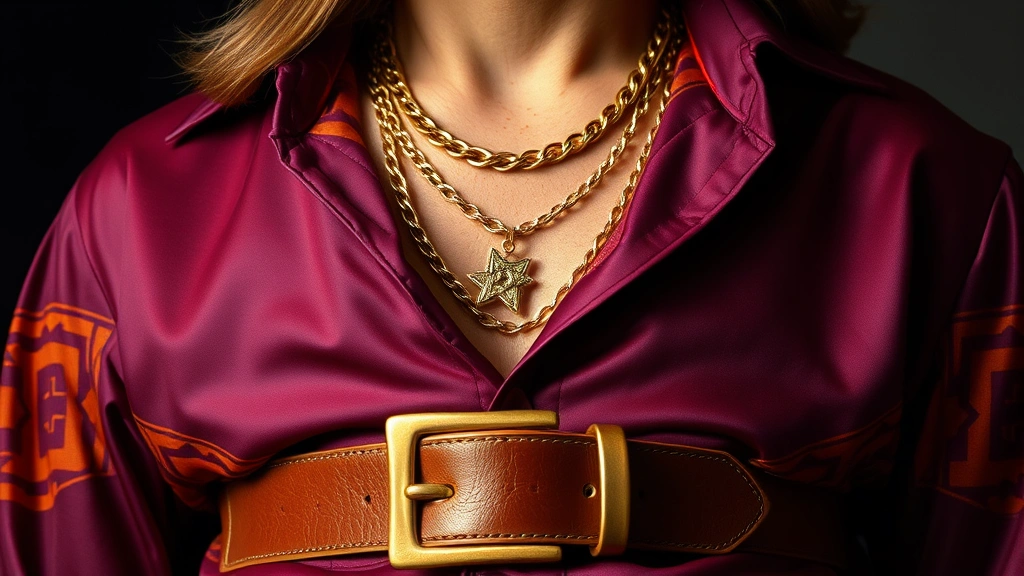
The Disco Shirt: Characterized by a wide collar, often featuring a dramatic pointed or ruffled design, disco shirts were typically unbuttoned to showcase chest hair and gold chains. Look for silk or satin fabrics in jewel tones or metallics, or opt for bold patterned versions. The key is confidence—wear it unbuttoned with appropriate accessories to capture that disco spirit.
Fitted Trousers: Rather than bell-bottoms, disco demanded sleek, fitted trousers with a slight flare at the ankle, often featuring a high waistband. These trousers skimmed the body rather than billowing out, creating elegant vertical lines. Pair with platform shoes and a fitted shirt for the complete disco look.
Jackets and Blazers: Disco jackets featured bold colors and luxurious fabrics like velvet, lamé, or shiny polyester. A well-fitted jacket in a jewel tone or metallic finish can anchor an entire disco-inspired outfit. Look for interesting details like contrasting piping, statement buttons, or interesting textures.
Gold Chains and Jewelry: Layered gold chains, often worn over an open shirt, became the ultimate disco accessory. Modern interpretations might feature a single, quality gold chain in a more subtle style, allowing you to nod to disco without appearing costume-like.
Bohemian and Hippie Influences
The bohemian and hippie aesthetic of the early 1970s offered a completely different approach to fashion, emphasizing natural materials, relaxed fits, and a connection to nature and spirituality. This style remains more wearable for contemporary guys than some of the decade’s more extreme trends.
Natural Fabrics: Cotton, linen, hemp, and suede dominated hippie wardrobes. These breathable, natural materials aligned with counterculture values of authenticity and environmental consciousness. Look for linen shirts, cotton button-ups, and suede jackets in earth tones.
Relaxed, Flowing Silhouettes: Rather than the tight disco look, bohemian style embraced looser, more comfortable fits. Oversized shirts, relaxed-fit jeans, and flowing fabrics created a casual, effortless aesthetic. This approach to fit actually feels quite contemporary, making it easier for modern guys to incorporate.
Fringe and Macramé Details: Decorative elements like fringe on jacket sleeves or hemlines, macramé belts, and woven details added texture and visual interest. These details conveyed an artisanal, handmade quality that reflected counterculture values.
Headwear: Wide-brimmed hats, headbands, and bandanas were popular bohemian accessories. A quality wide-brimmed hat in neutral tones can add instant 1970s bohemian vibes to any outfit.
Vests and Layering: Suede vests, denim vests with embroidered patches, and leather vests layered over shirts created visual depth and added a rugged, individualistic quality. Vests remain an excellent way to incorporate 1970s elements into modern outfits.
Footwear That Completes Your Look
Shoes are crucial when styling any era-specific look, and the 1970s offered several distinctive footwear options that instantly communicate the decade.
Platform Shoes: Perhaps the most iconic 1970s footwear, platforms featured thick soles (often two to three inches) that elevated the wearer. Popular styles included platform loafers, platform dress shoes, and even platform sneakers. While authentic platforms can feel extreme, contemporary platform shoes with slightly lower heels offer the silhouette without the extreme height.
Boots: Knee-high boots, cowboy boots, and lace-up hiking boots all appeared frequently in 1970s menswear. Leather boots in brown, black, or tan paired beautifully with both bohemian and disco outfits. A quality pair of boots remains endlessly versatile for contemporary styling.
Sneakers and Athletic Shoes: As sportswear influenced fashion, chunky sneakers with thick soles became popular. Vintage Puma, Adidas, and Nike styles from this era are highly collectible and work surprisingly well in modern outfits when styled intentionally.
Sandals and Casual Footwear: Bohemian style embraced sandals, often leather with interesting strap designs. Suede or leather sandals in earth tones offer a relaxed, comfortable option for casual 1970s-inspired outfits.
Accessories and Details That Matter
Accessories elevate 1970s styling from basic to authentic. The decade celebrated bold, statement-making accessories that conveyed personality and style.
Belts: Wide leather belts with substantial buckles were essential. Look for interesting buckle designs, contrasting leather, or decorative details. A quality wide belt can cinch an oversized shirt or anchor a disco outfit.
Sunglasses: Oversized frames, tinted lenses, and mirrored designs defined 1970s eyewear. Look for styles with large frames and interesting lens tints—these remain surprisingly contemporary and immediately evoke the era.
Watches and Bracelets: Gold watches, leather-banded timepieces, and layered bracelets added luxury and detail. A vintage gold watch or leather bracelet complements 1970s styling beautifully.
Scarves: Silk scarves worn around the neck, tied at the waist, or used as headbands added color and texture. These work particularly well with bohemian styling.
Hats: Beyond the wide-brimmed hat, bucket hats, fedoras, and berets all appeared in 1970s menswear. These pieces add instant personality and can transform a basic outfit.
Styling Tips for Modern Guys
Understanding 1970s pieces and aesthetics is one thing; styling them in contemporary ways that feel authentic rather than costume-like requires strategy and confidence. Here are expert tips for making 1970s fashion work in modern life.
The Hybrid Approach: Rather than committing fully to a 1970s look, consider blending vintage pieces with contemporary basics. Pair a 1970s patterned shirt with modern jeans and sneakers. Layer a vintage suede jacket over a simple t-shirt. This approach keeps your look grounded in the present while celebrating the past.
Quality Over Quantity: One exceptional vintage piece—a perfectly tailored leather jacket, a stunning patterned shirt, quality platform boots—can anchor an entire outfit. Rather than filling your wardrobe with 1970s items, invest in key pieces that genuinely resonate with your style and can transition across multiple outfits.
Fit is Everything: Many 1970s pieces featured unconventional fits. Rather than accepting poor fit in the name of authenticity, seek out versions that work with your body type. A well-fitting vintage blazer with wide lapels looks far better than an ill-fitting one, regardless of era accuracy.
Balance Bold and Neutral: When wearing a statement 1970s piece—perhaps a bold patterned shirt or metallic jacket—balance it with neutral basics. This prevents your outfit from appearing costume-like and ensures the vintage piece becomes an accent rather than your entire look.
Consider Your Context: 1970s disco looks work well for nights out and parties, while bohemian pieces integrate more seamlessly into everyday casual wear. Match your 1970s styling to the occasion and setting for maximum impact and appropriateness.
Invest in Tailoring: Vintage pieces often need adjustments. A skilled tailor can modify fit, hem length, and proportions while preserving the essential character of the piece. This investment ensures your vintage items actually work for your body and lifestyle.
Confidence is Key: The 1970s celebrated bold self-expression and confidence. Whatever 1970s elements you incorporate, wear them with conviction. The decade’s spirit was about refusing to blend in and celebrating individual style—that attitude matters more than perfect accuracy.
For deeper exploration of how to develop your personal style incorporating vintage elements, check out our guide on finding your personal style. You might also enjoy exploring 1950s guys fashion and different types of fashion styles to understand how various eras approach menswear differently.
The 1970s remain an endlessly inspiring era for fashion experimentation. Whether you’re drawn to disco glamour, bohemian relaxation, or punk rebellion, the decade offers rich material for contemporary styling. By understanding the cultural context, key pieces, and styling principles, you can authentically incorporate 1970s elements into your wardrobe in ways that feel personal, intentional, and genuinely reflective of your style. The era’s greatest gift to modern fashion is permission to be bold, to experiment, and to celebrate individuality—principles that transcend any specific decade.
For comprehensive fashion history context, explore our complete fashion history timeline to see how 1970s menswear fits into broader fashion evolution. Additionally, fashion historians and trend experts at Fashion United and The Fashion Spot continue to analyze and celebrate 1970s influences on contemporary design. Resources like the Fashion Institute of Technology provide scholarly perspectives on how this transformative era shaped modern menswear.
FAQ
What are the most essential 1970s pieces for guys starting out?
Begin with versatile basics: a quality leather jacket, a patterned shirt in earth tones, well-fitting flared or straight-leg jeans, and comfortable boots. These foundational pieces work across different 1970s aesthetics and integrate easily with contemporary items. Add accessories like sunglasses or a belt to amplify the era without overwhelming your look.
Can I wear 1970s fashion to professional settings?
Absolutely, with strategic choices. A wide-lapel blazer in a neutral color, paired with modern trousers and a classic shirt, brings 1970s sophistication to professional environments. Avoid bold patterns, disco elements, and extreme fits in formal settings. The key is subtlety—let the tailoring and lapel width communicate the era without appearing costume-like.
Where can I find authentic 1970s pieces?
Vintage shops, thrift stores, and online platforms like Etsy and Depop specialize in authentic 1970s clothing. For higher-end vintage, consult luxury vintage retailers. Contemporary brands also reissue 1970s-inspired pieces—check Grailed for both vintage and contemporary options. Always check condition, fit, and authenticity when purchasing vintage pieces.
How do I avoid looking like I’m wearing a costume?
The key is mixing eras. Combine 1970s pieces with contemporary basics—modern sneakers with vintage flared jeans, a classic white t-shirt under a vintage patterned shirt, contemporary accessories with vintage pieces. This approach keeps your look grounded in the present while celebrating the past. Confidence and intentionality matter more than perfect accuracy.
What’s the difference between 1970s fashion and disco specifically?
Disco is one 1970s aesthetic among many. While disco emphasized tailored, body-conscious silhouettes, bold colors, and glamorous fabrics, bohemian 1970s style featured relaxed fits and natural materials. Early 1970s fashion differed dramatically from late-seventies punk and new wave. Understanding these distinctions helps you choose which aesthetic aligns with your personal style.
Are bell-bottoms still wearable today?
Yes, with the right styling. Contemporary bell-bottoms feature moderate flare rather than extreme widths, making them more wearable. Pair them with fitted, tucked-in tops, quality boots, and minimal accessories to avoid a costume appearance. The 1970s silhouette has experienced periodic revivals, and a well-styled pair of flared jeans can absolutely work in modern fashion.