1860 Fashion: How to Incorporate Vintage Styles Into Your Modern Wardrobe
The 1860s represent one of the most visually striking decades in fashion history, characterized by dramatic silhouettes, intricate details, and an unwavering commitment to elegance. This era, nestled in the heart of the Victorian period, offers contemporary style enthusiasts a treasure trove of inspiration for creating sophisticated, timeless looks. Whether you’re drawn to the romantic allure of crinolines, the structured elegance of tailored jackets, or the ornamental details that defined the decade, incorporating 1860 fashion into your modern wardrobe is entirely achievable and remarkably rewarding.
The beauty of 1860s style lies in its versatility and depth. Rather than adopting the entire aesthetic wholesale—which would be impractical for everyday wear—savvy fashion lovers can extract key elements and blend them seamlessly with contemporary pieces. From statement skirts with volume to Victorian-inspired accessories, the 1860s offer endless possibilities for those seeking to add vintage charm and historical sophistication to their personal style.
Understanding 1860 Fashion Fundamentals
To successfully incorporate 1860 fashion into your wardrobe, it’s essential to understand the historical context and design principles that defined this remarkable decade. The 1860s followed the 1840s fashion trends, which themselves were groundbreaking, but the 1860s took silhouette innovation to unprecedented heights. This was the era when the crinoline reached its maximum circumference, creating those iconic bell-shaped skirts that remain instantly recognizable today.
The decade can be roughly divided into two fashion periods: the earlier 1860s (1860-1865) featured extremely wide skirts with the crinoline at its peak, while the later 1860s (1865-1869) saw the silhouette gradually shift, with volume moving toward the back of the dress—a precursor to the bustles that would dominate the 1870s and 1880s. Understanding this evolution helps you choose pieces that align with your preferred aesthetic.
Fashion during this period was intensely decorative. Trimmings, ribbons, lace, buttons, and elaborate embroidery adorned nearly every garment. The Victorian men’s fashion of the era complemented women’s styles with equally structured tailoring and formal aesthetics. Both genders embraced formality, structure, and ornamentation as markers of respectability and social standing.
The Silhouette Revolution: Crinolines and Structure
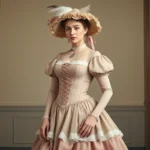
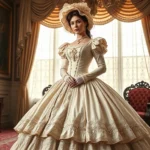
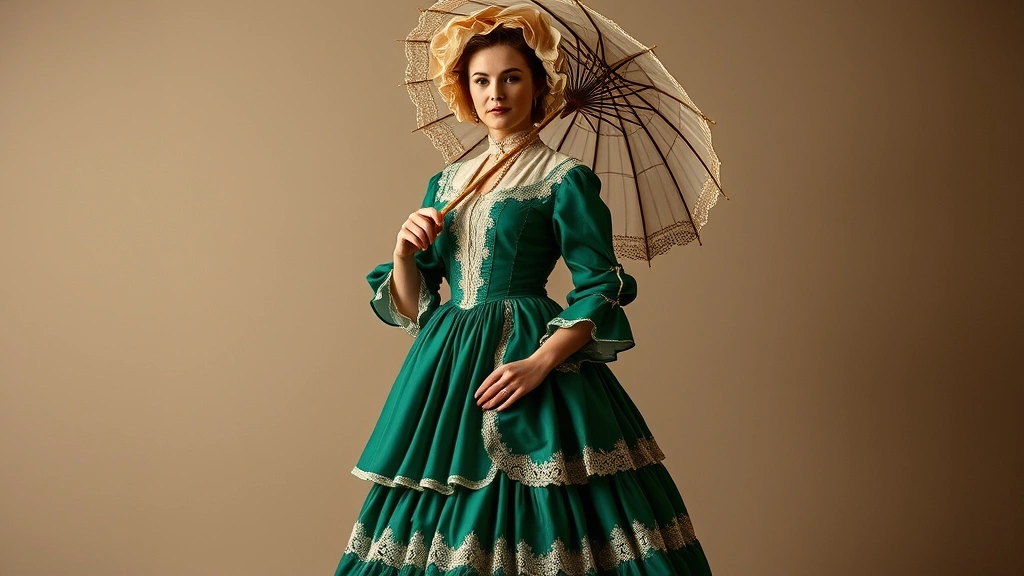
The defining characteristic of 1860 fashion is undoubtedly the crinoline—a structured petticoat made from horsehair, cotton, or steel hoops that created the distinctive dome-shaped skirt silhouette. For modern wearers, understanding how to work with or reimagine this fundamental element is crucial.
If you’re committed to authentic 1860s styling, investing in a quality crinoline or hoop skirt can transform your entire silhouette. Modern reproductions are far more comfortable than their historical counterparts, featuring flexible materials and adjustable sizing. Wearing a crinoline under a full skirt creates that unmistakable Victorian volume that instantly transports your look to another era. However, for everyday wear, this approach may feel excessive.
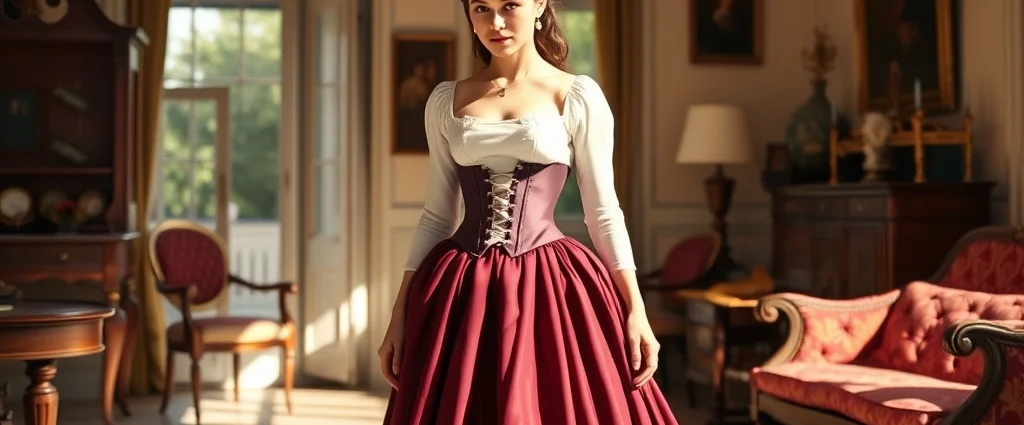
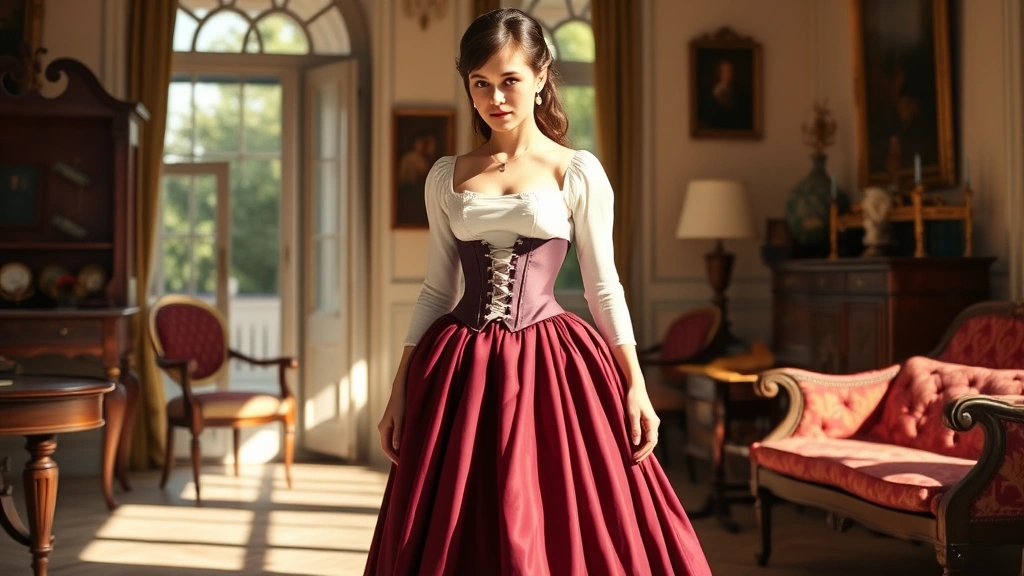
A more practical alternative involves selecting modern garments with built-in structure or volume. A-line skirts, circle skirts, and full midi skirts naturally echo the proportions of 1860s fashion without requiring additional undergarments. Tulle, taffeta, and structured cotton fabrics provide the necessary body and movement that characterized the period. Pairing these skirts with fitted bodices or corset-style tops recreates the dramatic waist-to-hip ratio that defined 1860s silhouettes.
The key principle is contrast: a nipped-in waist paired with expansive skirt volume. This dramatic proportion is the essence of 1860 fashion and can be achieved through various modern styling methods. Belts, fitted tops, and strategic layering all help emphasize the waistline while allowing skirts to maintain their romantic volume.
Incorporating Skirts with Victorian Volume
Skirts are perhaps the most accessible entry point for incorporating 1860 fashion into contemporary wardrobes. The beauty of Victorian-inspired skirts is their inherent femininity and timeless elegance. Modern designers frequently draw inspiration from this era, creating pieces that honor historical proportions while utilizing contemporary fabrics and construction techniques.
When selecting skirts for 1860s-inspired styling, consider length first. Authentic 1860s skirts reached the ankle, typically grazing the top of the foot. This length is experiencing a major fashion revival, making it easier than ever to find modern pieces that align with historical accuracy. Midi-length skirts in contemporary fashion often mirror 1860s proportions, though they may lack the extreme volume of the original crinolines.
Look for skirts featuring:
- Pleated or gathered construction at the waistband, which creates volume while maintaining a fitted waist
- Tiered designs that add visual interest and movement, reminiscent of period-appropriate decorative elements
- Textured fabrics like cotton, linen blends, or structured synthetics that hold their shape
- High waistbands that sit at or slightly above the natural waist, as was standard in the 1860s
- Decorative details such as lace trim, ribbon embellishments, or subtle embroidery
Pair these skirts with fitted bodices, corset tops, or slim-fitting blouses to recreate the silhouette contrast that defines 1860 fashion. Tuck your top in completely to emphasize the waistline, and consider adding a structured belt for additional definition. This styling approach works beautifully for special occasions, vintage-themed events, or simply when you want to infuse your everyday look with historical romance.
Tailored Jackets and Bodices
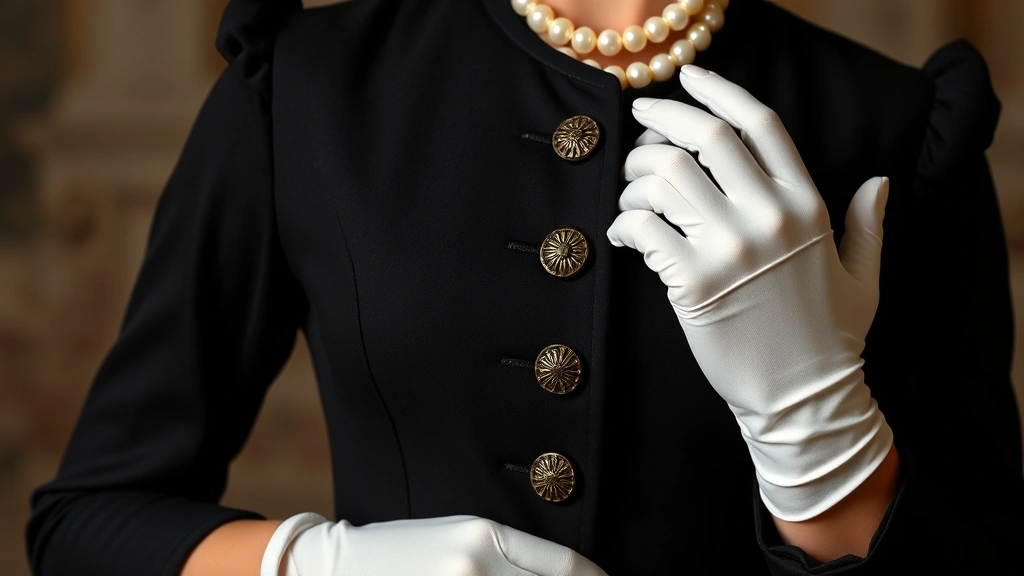
Beyond skirts, jackets and bodices are essential components of authentic 1860 fashion styling. The decade saw the emergence of the basque—a fitted jacket or bodice with an extended waist that often curved into points. These tailored pieces provided structure and definition to the upper body while complementing the voluminous skirts below.
Modern tailored jackets can evoke this historical aesthetic beautifully. Look for:
- Structured blazers with nipped waists and defined seaming
- Jackets featuring curved hemlines or peplum details at the hips
- Pieces with decorative buttons, braid trim, or subtle embroidery
- Fitted bodices that emphasize the waist and create a cohesive silhouette
- Jackets in rich, saturated colors typical of the 1860s palette
Corset-style tops have become increasingly mainstream in contemporary fashion, making them an excellent vehicle for incorporating 1860 fashion elements. These pieces provide the structured waist definition that was absolutely essential to the period. Wearing a corset top with a full skirt creates an instantly recognizable Victorian silhouette that feels both historically informed and fashionably current.
When exploring the complete fashion history timeline, you’ll notice how tailored silhouettes have cycled through various eras. The 1860s approach to structured tailoring remains one of the most flattering and enduring silhouette strategies in fashion history.
Accessories That Define the Era
Accessories are where 1860 fashion truly shines for modern wearers. Rather than committing to a full period outfit, incorporating era-appropriate accessories allows you to add Victorian charm to any contemporary ensemble. The 1860s were a time of accessory abundance, with everything from bonnets to gloves to jewelry playing crucial roles in completing a look.
Bonnets and Headwear: The 1860s bonnet was a substantial piece of millinery, often featuring a deep brim that framed the face and decorative elements like ribbons, feathers, and artificial flowers. Modern reproductions or vintage bonnet-inspired hats can add instant historical flair. Even if you’re not ready for a full bonnet, smaller fascinator-style headpieces or decorative hair combs echo the period’s commitment to elaborate headwear.
Gloves: Long gloves were essential to 1860s fashion, typically extending to mid-forearm or above the elbow. Modern long gloves in leather, suede, or delicate fabrics provide an elegant finishing touch. They work particularly well with sleeveless or short-sleeved dresses, which were common in 1860s evening wear.
Jewelry: The 1860s featured bold, ornate jewelry often incorporating cameos, lockets, and gemstones. Statement necklaces, ornate brooches, and chandelier earrings echo this aesthetic. Victorian-inspired jewelry pieces are widely available from contemporary designers and vintage retailers.
Shawls and Wraps: Decorative shawls, capes, and wraps were essential components of 1860s fashion. Lace shawls, paisley wraps, and velvet cloaks added elegance while providing practical warmth. Modern versions of these pieces complement 1860s-inspired outfits beautifully.
Footwear: 1860s shoes featured low heels, rounded toes, and often decorative elements like ribbon rosettes or ornamental buckles. Contemporary vintage-inspired footwear or modern shoes with similar proportions complete the aesthetic without requiring actual period pieces.
Color Palettes and Fabric Choices
The 1860s color palette reflected both the romantic sensibilities of the era and the limitations of contemporary dye technology. Understanding these color preferences helps you select pieces that authentically evoke the period.
Signature 1860s Colors:
- Deep jewel tones: Rich burgundy, emerald green, sapphire blue, and plum were highly fashionable
- Romantic pastels: Pale pink, lavender, and soft blue appeared frequently in evening wear and spring fashions
- Neutral elegance: Black, cream, gray, and brown provided sophisticated foundations
- Vibrant accents: Crimson, gold, and deep coral added dramatic touches through trimmings and accessories
Regarding fabrics, the 1860s favored materials that could hold shape and display decorative elements effectively. Silk, wool, cotton, and linen dominated, often combined with delicate laces and ornamental trimmings. When selecting modern pieces to incorporate into 1860s-inspired styling, prioritize structured fabrics that maintain their shape. Avoid overly stretchy or clingy materials that contradict the period’s emphasis on defined silhouettes.
Velvet, taffeta, jacquard, damask, and brocade all reference the luxurious fabrics of the 1860s. Even affordable synthetic versions of these materials can evoke the period aesthetic when combined with appropriate silhouettes and details.
Styling Tips for Modern Life
Incorporating 1860 fashion into contemporary life requires thoughtful balance. The goal is not necessarily to dress entirely in period costume but rather to extract elements that enhance your personal style while remaining practical for modern contexts.
For Work and Professional Settings: A tailored jacket with a nipped waist, paired with modern trousers or a midi skirt, incorporates 1860s structure without appearing costume-like. Add a cameo brooch or long gloves for subtle Victorian touches. This approach honors how to find your personal style while maintaining professional appropriateness.
For Special Occasions: Galas, weddings, and formal events are perfect opportunities to embrace fuller 1860s aesthetics. A ball gown with significant skirt volume, an ornate corset top, and elaborate accessories creates a show-stopping look that feels both historical and fashion-forward.
For Casual Wear: Midi skirts with fitted tops, vintage-inspired boots, and simple jewelry create an approachable 1860s aesthetic suitable for everyday wear. This casual approach to the era prevents your style from feeling overly theatrical while maintaining historical reference.
Layering Strategies: Layering was fundamental to 1860s fashion. Modern interpretations can include fitted cardigans over blouses, structured vests over dresses, or sheer overlays that add visual interest and depth. This practice honors the period’s aesthetic while providing practical versatility.
Mixing Eras: Don’t hesitate to combine 1860s-inspired pieces with contemporary items. A Victorian-style skirt with a modern minimalist top, or a period-appropriate jacket with current jeans, creates interesting contrasts that feel fresh and intentional rather than costume-like.
Where to Shop for 1860s-Inspired Pieces
Finding authentic 1860 fashion pieces or quality reproductions requires knowing where to look. Several categories of retailers cater to those seeking Victorian-inspired clothing.
Vintage and Antique Retailers: Authentic 1860s pieces are available through online vintage marketplaces, antique dealers, and specialty vintage boutiques. These pieces offer historical authenticity but require careful sizing and preservation. Websites dedicated to historical fashion often provide detailed information about period construction and materials.
Historical Reproduction Companies: Specialized retailers create accurate reproductions of 1860s clothing using historically appropriate materials and construction techniques. These pieces offer authenticity with modern comfort and sizing. Several companies focus exclusively on Victorian and Civil War-era clothing.
Mainstream Fashion Retailers: Contemporary fashion brands frequently draw inspiration from the 1860s. Look for brands specializing in vintage-inspired or romantic aesthetics. Check the Style Loom Daily Blog for curated recommendations of retailers offering period-inspired pieces.
Custom and Bespoke Options: For those seeking truly personalized 1860s fashion, custom dressmakers and seamstresses can create pieces tailored to your exact specifications. This option allows for perfect historical accuracy and fit.
Thrift and Second-Hand Stores: Vintage clothing sections of thrift stores occasionally yield period pieces or vintage reproductions. This sustainable approach to fashion combines affordability with the thrill of discovery.
When shopping, prioritize quality construction, appropriate fabrics, and accurate proportions. A single well-made piece that authentically captures 1860 fashion elements is more valuable than multiple poorly constructed items. Consider your lifestyle and commitment level to the aesthetic—this determines whether to invest in reproduction corsets and crinolines or focus on more subtle period-inspired pieces.
The 1860s represent a pivotal moment in fashion history when silhouette, ornamentation, and structure reached unprecedented heights. By thoughtfully incorporating elements of this remarkable era into your modern wardrobe, you can create looks that are simultaneously historically informed and completely contemporary. Whether you’re drawn to the dramatic volume of period skirts, the elegant structure of Victorian tailoring, or the ornamental beauty of 1860s accessories, this era offers endless inspiration for those seeking to elevate their personal style.
Understanding the principles that defined 1860 fashion—the emphasis on defined waistlines, the celebration of volume and texture, the importance of decorative details—allows you to apply these concepts to modern pieces. This approach makes Victorian-inspired style accessible and wearable for everyday life while maintaining the romance and elegance that makes the period so captivating.
As you explore different types of fashion styles, you may discover that 1860s aesthetics resonate deeply with your personal preferences. The key to successful vintage style integration is authenticity—both to the historical period and to your own fashion identity. Start with one or two pieces that genuinely excite you, learn to style them effectively, and gradually expand your collection as your confidence grows. The 1860s await your exploration.
FAQ
Can I wear 1860s fashion in modern professional environments?
Yes, with strategic choices. Tailored jackets with nipped waists, midi skirts paired with fitted tops, and subtle accessories incorporate 1860s elements while maintaining professional appropriateness. Avoid extreme crinolines or theatrical pieces in conservative workplaces.
Do I need an actual corset to achieve the 1860s silhouette?
Not necessarily. Modern corset-top dresses, structured bodices, and fitted jackets create the essential silhouette without traditional corsetry. However, if you’re interested in authentic historical styling, modern reproduction corsets are more comfortable than originals.
Where can I find affordable 1860s-inspired pieces?
Mainstream fashion retailers frequently offer Victorian-inspired items. Thrift stores, online vintage marketplaces, and fast-fashion brands with vintage collections provide budget-friendly options. Quality varies, so inspect items carefully.
What’s the most accessible way to start incorporating 1860 fashion?
Begin with accessories—a bonnet, long gloves, ornate jewelry, or a decorative shawl. These pieces add historical flair without requiring complete outfit overhauls. Gradually introduce structured skirts and tailored tops as you develop your style.
How do I style 1860s pieces without looking like I’m in costume?
Mix period pieces with contemporary items, keep accessories subtle, and avoid overly theatrical combinations. A Victorian skirt with a modern minimalist top or period jacket with current jeans feels intentional rather than costume-like.
Are there specific fabrics that best capture the 1860s aesthetic?
Structured fabrics like cotton, linen blends, velvet, taffeta, and jacquard best evoke the period. Avoid overly stretchy or clingy materials. Lace, ribbon, and embroidery details enhance authenticity.
Can men incorporate 1860s fashion elements into modern wardrobes?
Absolutely. Structured jackets, waistcoats, formal shirts with decorative elements, and period-appropriate accessories like pocket watches or vintage hats all reference 1860s masculine fashion effectively.