
Men’s Fashion Spectacles: Optometrist Insights on Style and Vision
Eyeglasses have transcended their purely functional purpose to become a cornerstone of contemporary men’s fashion. What was once considered merely a medical necessity has evolved into a powerful style statement that can define an entire look. Modern men’s fashion spectacles represent the perfect intersection of visual correction and sartorial expression, allowing individuals to enhance their appearance while addressing vision needs. This transformation reflects broader shifts in how men approach personal style, embracing accessories that were historically overlooked in favor of more traditional fashion elements.
From the boardroom to the street, men’s fashion spectacles have become as essential to a curated wardrobe as a well-tailored suit or premium leather shoes. Optometrists and vision specialists have witnessed firsthand how their clients approach frame selection with the same deliberation they once reserved for choosing designer watches or luxury eyewear brands. The convergence of optical science and fashion design has created unprecedented opportunities for self-expression through eyewear, making spectacles one of the most versatile and impactful accessories in a man’s fashion arsenal.
The Evolution of Men’s Eyewear in Fashion
The history of men’s fashion spectacles reveals a fascinating journey from purely utilitarian objects to coveted fashion accessories. During the early 20th century, eyeglasses were often hidden behind hats and considered a sign of weakness or academic pedantry. However, the cultural landscape shifted dramatically as influential figures and celebrities began wearing spectacles with confidence and style. Understanding this evolution provides context for today’s thriving eyewear market and helps explain why modern men invest considerably in frame selection.
The turning point came in the 1960s and 1970s when counterculture movements embraced oversized frames and distinctive eyewear as symbols of individuality. This era established the precedent that spectacles could define personal identity and aesthetic philosophy. By the 1990s, technological advances in lens manufacturing and frame design democratized access to stylish eyewear, making high-quality spectacles available across various price points. Today’s men benefit from decades of innovation that have transformed eyewear from a necessity to a celebrated fashion choice, with Vogue regularly featuring eyewear trends and luxury designers competing for dominance in the spectacles market.
Frame Shapes and Face Structure Matching
Optometrists emphasize that selecting men’s fashion spectacles requires understanding the fundamental relationship between frame geometry and facial proportions. Face shape analysis has become an essential component of frame selection, with professionals identifying primary categories including oval, rectangular, square, round, and diamond-shaped faces. Each face shape has corresponding frame styles that enhance natural features and create visual balance. This scientific approach to eyewear selection ensures that aesthetic choices are grounded in principles of proportion and harmony.
For men with rectangular faces, optometrists typically recommend frames with rounded corners or curved lines to soften angular features. These shapes create visual balance by counteracting the natural length and width of rectangular facial structures. Conversely, men with round faces benefit from angular, geometric frames that add definition and create the illusion of a more sculpted jawline. Square-faced individuals can wear virtually any frame style but often achieve striking results with oversized or geometric designs that emphasize their naturally strong features. Understanding your face shape transforms frame selection from guesswork into a strategic process that maximizes visual impact.
Optometrists also consider proportional relationships between frame width and facial width, ensuring frames neither overwhelm nor disappear on individual faces. The distance between the eyes, nose bridge width, and temple length all influence which specific frames will sit properly and look proportionally correct. This personalized approach explains why visiting an optometrist for frame recommendations yields superior results compared to online selection alone. The professional eye can identify subtle proportional relationships that dramatically affect how spectacles enhance or detract from overall appearance.
Material Choices for Modern Spectacles
The materials used in men’s fashion spectacles have expanded dramatically, offering unprecedented variety in aesthetic possibilities and functional benefits. Traditional acetate remains popular for its warmth, color variety, and vintage aesthetic appeal, making it ideal for creating bold, statement-making frames. Metal materials including titanium, stainless steel, and aluminum provide lightweight durability with contemporary appeal, offering sleek minimalist designs that appeal to modern sensibilities. Combination materials that blend acetate and metal have emerged as particularly versatile options, allowing designers to create hybrid frames that balance classic and contemporary elements.
Material selection significantly impacts both durability and style. Titanium frames offer exceptional strength-to-weight ratios, making them ideal for active individuals who demand reliability without bulk. These premium materials justify higher price points through superior longevity and consistent quality. Acetate frames provide warmth and personality through rich colors and patterns, making them perfect for individuals seeking expressive, distinctive eyewear. Optometrists note that material choice should align with lifestyle demands and aesthetic preferences, ensuring spectacles serve both functional and fashionable purposes effectively.
Color Psychology in Frame Selection
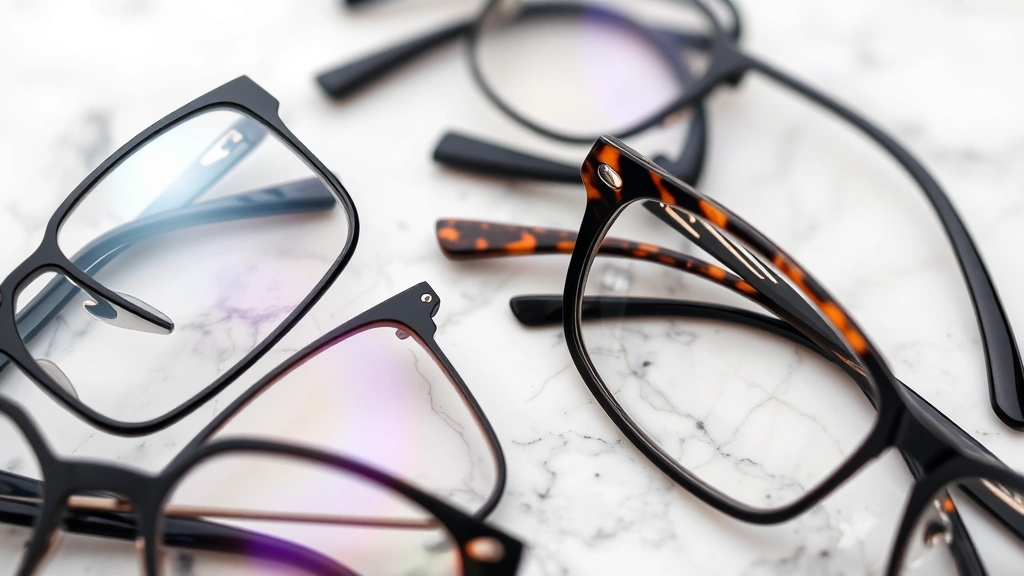
The color of men’s fashion spectacles communicates subtle but powerful messages about personality, style sophistication, and fashion awareness. Black remains the most versatile and universally flattering option, offering timeless appeal that complements virtually any wardrobe. However, contemporary fashion encourages exploration of alternative palettes including tortoiseshell patterns, rich browns, deep burgundies, and even sophisticated grays that add personality without overwhelming the wearer’s natural features.
Optometrists observe that frame color selection should consider skin tone, hair color, and personal coloring undertones. Men with warm undertones often look exceptional in brown, amber, and gold-toned frames, while cool undertones pair beautifully with black, silver, and blue-tinted frames. Understanding these color relationships prevents selecting frames that clash with natural coloring and ensures spectacles enhance rather than compete with facial features. When exploring how to find your personal style, eyewear color selection becomes an important component of cohesive aesthetic development.
The rise of statement eyewear has legitimized bold color choices previously considered impractical or overly theatrical. Contemporary fashion culture celebrates distinctive frames in unexpected colors, encouraging men to express individuality through eyewear selection. This shift reflects broader acceptance of personal style experimentation and validates the notion that spectacles can function as powerful aesthetic tools for self-expression and identity communication.
Lens Technology and Style Integration
Modern lens technology has revolutionized the relationship between vision correction and fashion aesthetics. Advanced lens coatings, blue light filtering, and photochromic properties no longer require compromise on style or appearance. Progressive lenses that seamlessly blend multiple prescriptions can now be incorporated into virtually any frame style without visible bifocal lines, eliminating past aesthetic limitations that forced frame choices based on technical requirements rather than personal preference.
Anti-reflective coatings represent a significant advancement in spectacle technology, reducing glare and increasing lens clarity while minimizing the reflective surface that can obscure eyes behind frames. This technological improvement has profound fashion implications, as it enhances the wearer’s ability to make eye contact and express facial features without lens obstruction. Photochromic lenses that darken in sunlight offer practical benefits while maintaining consistent aesthetic appeal, allowing single frames to function effectively across varying light conditions.
Optometrists emphasize that contemporary lens options eliminate the need to sacrifice visual correction for fashion-forward frame selection. The integration of advanced optical technology into increasingly diverse frame styles means men can prioritize aesthetic preferences while maintaining optimal visual health. This technological democratization has fundamentally transformed spectacle selection from a compromise between function and fashion into a complementary relationship where both objectives are achievable simultaneously.
Designer Eyewear and Luxury Brands
The luxury eyewear market has exploded over the past decade, with prestigious fashion houses and specialized optical brands competing for dominance in the men’s spectacles segment. Brands including Ray-Ban, Oliver Peoples, and Warby Parker have established themselves as leaders by combining optical quality with distinctive design aesthetics. Designer collaborations between fashion houses and eyewear specialists have created limited-edition collections that appeal to style-conscious consumers willing to invest significantly in premium spectacles.
Luxury brands differentiate themselves through meticulous attention to detail, superior material sourcing, and heritage craftsmanship. Italian manufacturers like Persol maintain legendary status for producing handcrafted frames that combine optical precision with artistic design philosophy. Japanese brands emphasizing minimalist aesthetics and engineering excellence have captured significant market share among consumers seeking understated sophistication. Understanding the positioning and philosophy of different eyewear brands helps consumers align frame selection with personal style values and aesthetic priorities.
The investment in designer men’s fashion spectacles reflects broader cultural acceptance of eyewear as legitimate luxury goods deserving premium pricing and careful curation. Fashion magazines regularly feature high-end spectacles as essential accessories, legitimizing substantial financial investment in quality frames. This market evolution has created opportunities for collectors and style enthusiasts to develop curated eyewear collections that serve different occasions, moods, and aesthetic expressions, much like building appreciation for iconic style periods across fashion history.
Building Your Spectacles Wardrobe
Strategic eyewear collection building follows similar principles to developing any comprehensive wardrobe component. Optometrists recommend starting with versatile foundational frames in classic shapes and neutral colors that pair seamlessly with diverse outfits and occasions. A quality black or tortoiseshell frame in a universally flattering shape provides an essential baseline that works across professional, casual, and social contexts. This foundational piece establishes aesthetic credibility and ensures you always have appropriate spectacles available regardless of circumstances.
Once foundational frames are established, exploring secondary options that reflect personal style becomes manageable and enjoyable. A second frame in an alternative color—perhaps a rich brown or sophisticated gray—provides versatility while maintaining professional appropriateness. Additional frames can explore more distinctive styles reflecting personal aesthetic preferences, whether that involves geometric shapes, oversized proportions, or unique material combinations. Building a thoughtful spectacles wardrobe parallels the broader process of understanding fashion design principles applied to personal curation.
The investment in multiple quality frames allows rotation based on outfit selection, mood, and occasion requirements. Professional environments may benefit from more conservative frame choices, while casual settings permit greater style experimentation. This flexibility transforms spectacles from functional necessity into a dynamic wardrobe component that contributes meaningfully to overall aesthetic impact. Optometrists note that clients who maintain multiple frames often report increased confidence and satisfaction with their eyewear selections.
Maintenance and Longevity
Proper spectacle maintenance ensures frames remain aesthetically appealing and functionally reliable throughout their lifespan. Daily cleaning using appropriate microfiber cloths and lens cleaner prevents scratches and maintains optical clarity that supports both vision and appearance. Regular professional adjustments at your optometrist’s office ensure frames maintain proper fit and alignment, preventing discomfort and maintaining the precise positioning that affects how frames appear on your face.
Storage practices significantly impact frame longevity and aesthetic preservation. Dedicated spectacle cases protect frames from accidental damage, temperature fluctuations, and environmental exposure that can degrade materials and finishes over time. Avoiding extreme heat exposure prevents acetate warping and metal frame expansion, both of which compromise fit and appearance. Protecting lenses from scratches and coatings from deterioration requires consistent care practices that become intuitive with habit development.
Optometrists recommend annual professional maintenance appointments that include comprehensive frame inspection, adjustment, and deep cleaning. These professional services identify potential issues before they become problematic and maintain optimal spectacle performance. Investing in proper maintenance extends frame lifespan, reduces replacement frequency, and ensures your fashion investment continues delivering aesthetic and functional benefits. This commitment to care reflects the broader philosophy that quality eyewear deserves respectful stewardship.
Understanding fashion history and evolution reveals how eyewear has become permanently integrated into contemporary style consciousness. The transformation from purely medical device to fashion essential represents one of fashion’s most significant democratization movements, making style accessible through an accessory nearly everyone requires.

FAQ
How do I determine my correct frame size?
Frame size measurements include lens width, bridge width, and temple length, all measured in millimeters. Your optometrist can provide these measurements during your eye examination, ensuring frames fit properly and sit proportionally on your face. Proper fit affects both comfort and appearance, making professional measurement invaluable.
Can I wear fashion spectacles without needing vision correction?
Yes, many individuals wear non-prescription frames purely for aesthetic purposes. Clear lenses or blue light filtering lenses can be incorporated into any frame style, allowing fashion-forward spectacle selection without vision correction requirements. This option appeals to style-conscious individuals seeking eyewear’s aesthetic benefits.
What’s the difference between online eyewear shopping and in-store purchasing?
In-store purchasing allows professional fitting, face shape analysis, and immediate adjustment, ensuring optimal comfort and appearance. Online shopping offers convenience and broader selection but requires accurate measurements and self-assessment. Many optometrists now offer hybrid models combining online selection with in-person fitting services.
How often should I replace my spectacles?
Frame longevity depends on material quality, maintenance practices, and usage intensity. Quality frames typically last 3-5 years with proper care, though some premium frames remain functional and fashionable longer. Regular lens replacement may be necessary as prescriptions change or lens coatings deteriorate.
Are expensive designer frames worth the investment?
Premium frames often justify higher costs through superior material quality, meticulous craftsmanship, and distinctive design aesthetics that remain fashionable longer. However, quality mid-range options provide excellent value for style-conscious consumers with budget constraints. The investment decision depends on personal priorities and long-term wardrobe strategy.
How do I match spectacles to my personal style?
Begin by identifying your dominant style aesthetic—whether minimalist, vintage, maximalist, or experimental—then select frames reflecting these preferences. Consider how spectacles will interact with your existing wardrobe and whether you prefer versatile foundational pieces or distinctive statement frames. Your optometrist can guide this process by understanding your lifestyle and aesthetic priorities.