1940s Men’s Fashion: A Historian’s Insight
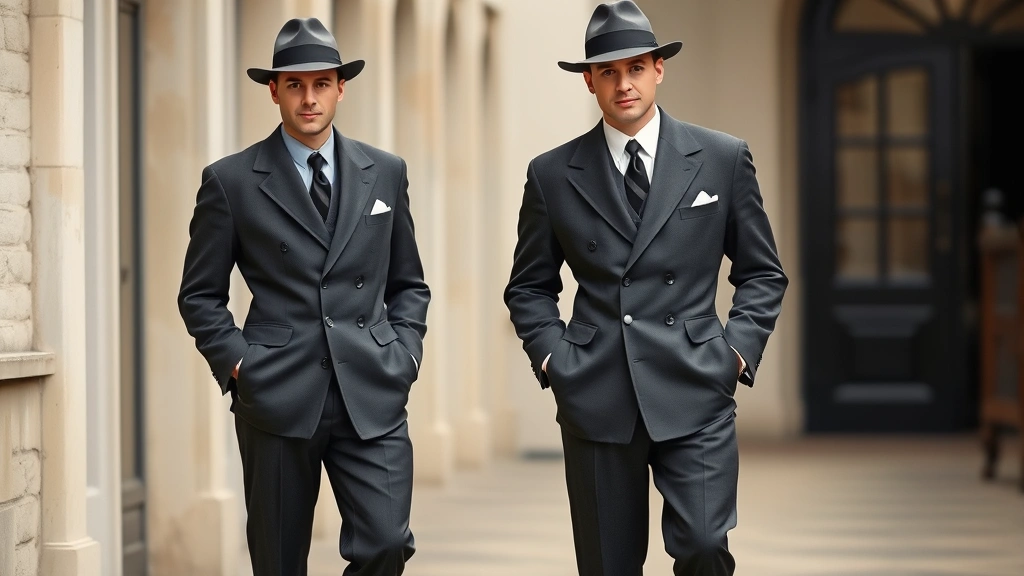
The 1940s represent one of the most transformative decades in men’s fashion history, shaped profoundly by World War II and its aftermath. This era witnessed a remarkable shift from the extravagant styles of the 1930s to a more utilitarian, structured aesthetic that reflected both wartime constraints and evolving social attitudes. Understanding men’s fashion in 1940 provides crucial context for contemporary style, revealing how external circumstances fundamentally reshape our approach to clothing, personal presentation, and cultural identity.
The decade’s menswear was characterized by military influence, fabric rationing, and an emerging emphasis on practicality without sacrificing style. From sharp tailoring to iconic silhouettes that still resonate today, the 1940s established foundational principles that modern fashion continues to reference. This comprehensive exploration examines the key elements, influential figures, and lasting legacy of this pivotal period in men’s fashion history.
The Wartime Context and Fashion Restrictions
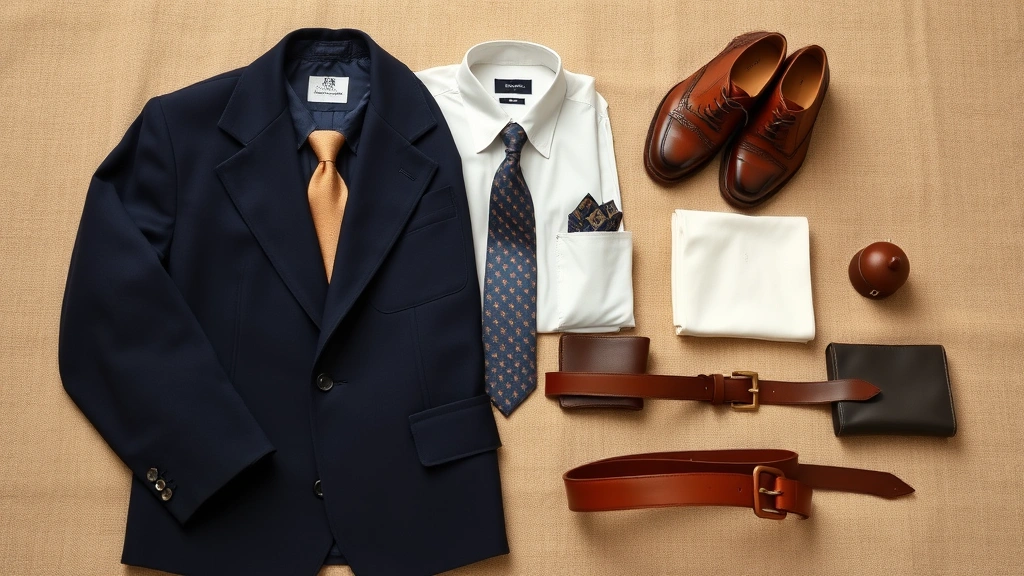
Understanding 1940s menswear requires acknowledging the unprecedented constraints imposed by World War II. Governments worldwide implemented strict rationing systems that dramatically limited fabric availability for civilian clothing. In Britain, the Board of Trade introduced “Utility” clothing standards in 1941, establishing precise regulations for garment construction. These restrictions weren’t merely bureaucratic—they fundamentally altered how men dressed and what they could wear.
The United States government similarly controlled fabric distribution, promoting conservation through organizations like the War Production Board. These regulations specified maximum amounts of fabric per garment, eliminated unnecessary seams, and banned superfluous decorative elements. Ironically, these constraints fostered creative innovation. Tailors and designers developed smarter construction techniques, refined proportions, and demonstrated that style could flourish even within rigid limitations. This period proved that true elegance often emerges from necessity rather than excess.
Military service shaped an entire generation’s fashion sensibility. Millions of men wore uniforms throughout the decade, and this experience influenced civilian dress upon demobilization. The structured, purposeful aesthetic of military uniforms translated into civilian menswear, establishing a preference for clean lines, appropriate tailoring, and functional design that persisted long after the war concluded.
Silhouettes and Tailoring
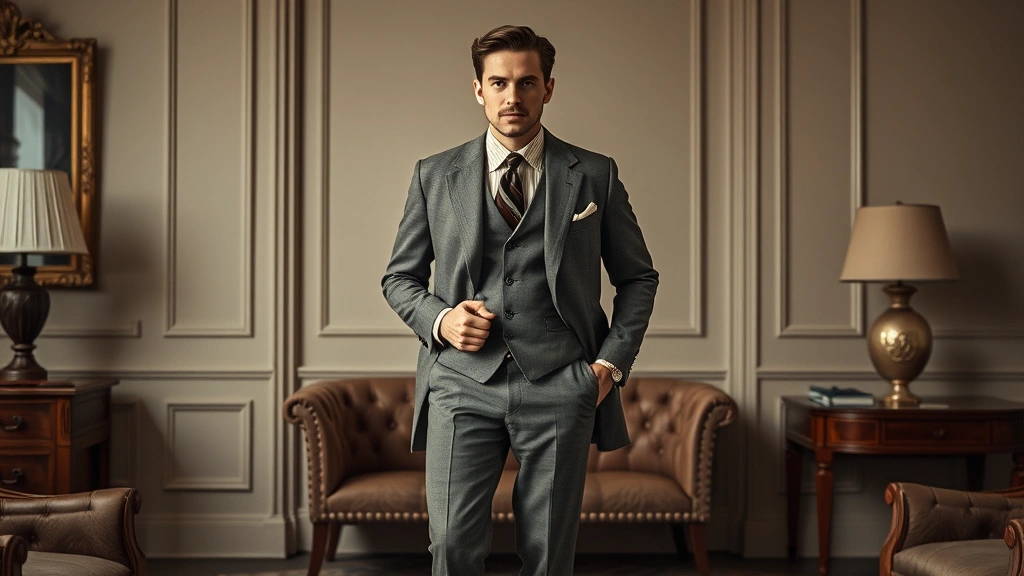
The 1940s masculine silhouette represented a dramatic departure from previous decades. The “drape” suit emerged as the dominant style, characterized by high-rise trousers, broad shoulders, and a relaxed yet structured fit that emphasized the torso. This silhouette wasn’t merely aesthetic—it reflected changing attitudes about masculinity and comfort. Unlike the tight, constricted fashions of earlier periods, 1940s menswear allowed movement and functionality while maintaining sophisticated elegance.
Shoulders were notably broad, either naturally built into jacket construction or enhanced through tailoring techniques. This broad-shouldered aesthetic conveyed strength and authority, appealing to post-war masculinity. Jacket lengths typically fell to the mid-thigh, providing coverage without appearing oversized. The lapels were medium-width, neither excessively pointed nor overly rounded, striking a balance between formality and accessibility.
Trousers featured high waistbands, often sitting at or above the natural waist, with a gradual taper toward the ankle. Pleats were common, providing both visual interest and practical room for movement. The rise and fit of 1940s trousers differed substantially from contemporary cuts, yet modern fashion guides about finding your personal style increasingly acknowledge the sophistication and versatility of vintage silhouettes.
Double-breasted jackets gained significant popularity during the 1940s, offering a more commanding presence than single-breasted alternatives. The double-breasted configuration, with six or eight buttons, created visual weight and formality suitable for business and formal occasions. Single-breasted jackets remained popular for casual wear and everyday applications, demonstrating the decade’s range of suitable options for different contexts.
Key Garments and Essentials
The foundation of any 1940s man’s wardrobe consisted of essential pieces that modern fashion enthusiasts continue to reference. The dress suit remained paramount for formal occasions, business settings, and respectful social events. These suits embodied the era’s tailoring philosophy: structured yet comfortable, formal yet wearable, timeless yet contemporary.
The sports coat or blazer emerged as an increasingly important casual alternative to full suits. Typically made from tweed, wool, or other durable fabrics, sports coats provided versatility for weekend wear and semi-formal occasions. They could be paired with contrasting trousers in complementary colors, creating sophisticated casual ensembles that remain relevant today.
Dress shirts evolved significantly during the 1940s. Collar styles included the pointed collar, the spread collar, and the button-down collar, each serving different occasions and aesthetic preferences. Shirts were typically white, light blue, or subtle patterns for business wear, while weekend shirts explored bolder colors and patterns. The fabric quality was paramount—high-quality cotton and cotton-blend materials provided comfort and durability.
Sweaters and cardigans gained prominence as casual layering pieces. V-neck and crew-neck sweaters in wool or wool-blend materials provided warmth and style for weekend wear. The cardigan, in particular, became associated with relaxed sophistication, worn over dress shirts for a more approachable aesthetic than formal jackets.
Outerwear was essential given the decade’s cooler climates and wartime practicality. Overcoats in dark wool, typically navy, charcoal, or black, provided formal weather protection. More casual options included leather jackets, peacoats, and windbreakers that reflected the era’s growing emphasis on functional style.
Fabrics, Colors, and Patterns
Fabric selection during the 1940s was constrained by rationing and wartime priorities, yet these limitations inspired sophisticated material choices. Wool dominated menswear, valued for durability, warmth, and availability. Wool gabardine, tweed, and flannel provided texture and character while withstanding regular wear and cleaning.
Cotton played an increasingly important role, particularly for shirts and lighter garments. The cotton-wool blend emerged as an economical alternative offering benefits of both fibers. Silk and linen became luxury materials, reserved for special occasions or affluent individuals who could access them despite restrictions.
Color palettes reflected both practical considerations and aesthetic preferences. Neutral tones—navy, charcoal, brown, and black—dominated formal and business wear, offering versatility and timelessness. These colors provided excellent backdrops for accessory styling and maintained professional appearances across various social contexts.
Patterns included subtle checks, pinstripes, and plaids that added visual interest without appearing ostentatious. Herringbone weaves and other textured patterns created depth through construction rather than printed designs. The principle underlying 1940s pattern selection emphasized restraint and sophistication—patterns should enhance rather than dominate the overall ensemble.
Earth tones and muted colors became increasingly popular for casual wear. Olive, khaki, rust, and sage green reflected both military influence and practical durability. These colors paired easily with various accessories and provided a relaxed aesthetic suitable for weekend activities and informal social gatherings.
Accessories and Footwear
Accessories in the 1940s served both functional and aesthetic purposes, elevating basic garments into complete, sophisticated ensembles. Ties were essential for formal and business wear, typically featuring subtle patterns or solid colors in silk or silk-blend materials. The width and length followed specific proportions, creating visual balance with the jacket and shirt.
Pocket squares added a refined detail to formal jackets, typically matching or complementing the tie. These small accessories demonstrated attention to detail and personal style consciousness. Hats remained virtually essential for outdoor wear and formal occasions—fedoras, trilbies, and homburg styles were standard components of the well-dressed man’s wardrobe.
Watches evolved from purely functional timepieces to style statements. Wristwatches replaced pocket watches as the standard, with leather or metal bands complementing formal or casual attire. Quality timepieces served as status symbols and practical accessories simultaneously.
Footwear options included oxfords for formal occasions, loafers for casual wear, and brogues for intermediate settings. Brown and black leather dominated, with careful attention to polish and maintenance reflecting a man’s overall presentation. Wingtips and other decorative brogues provided visual interest while maintaining professional appropriateness.
Leather goods extended beyond shoes to belts, wallets, and briefcases. Quality leather accessories demonstrated craftsmanship and durability, often serving as investments that lasted decades. The patina that developed through regular use added character and authenticity to these essential items.
Socks, though often overlooked, received careful attention in 1940s menswear. Dark colors—navy, charcoal, and black—were standard, sometimes featuring subtle patterns that added personality without appearing frivolous. Quality wool or wool-blend socks provided comfort and durability for daily wear.
Zoot Suits and Subculture Fashion
While mainstream 1940s menswear emphasized restraint and structure, subcultures developed distinctive styles that challenged prevailing norms. The zoot suit emerged as the most iconic alternative fashion statement, characterized by extremely high-waisted trousers with pronounced pleats, long loose coats with wide lapels, and exaggerated proportions throughout.
Zoot suits originated in African American and Latino communities, becoming symbols of cultural identity and youthful rebellion. The style directly contradicted wartime rationing regulations, using excessive fabric and flamboyant design as deliberate acts of nonconformity. This fashion choice carried significant social and political implications, representing resistance to establishment constraints and assertion of cultural pride.
The zoot suit aesthetic included specific accessories: wide-brimmed hats, watch chains, and coordinated pocket squares. The overall effect was theatrical and commanding, intentionally drawing attention and making bold statements about identity and belonging. Young men wearing zoot suits were participating in cultural expression through fashion, a tradition that continues in contemporary subcultures.
The zoot suit riots of 1943 in Los Angeles highlighted the profound tensions surrounding this fashion style. Military servicemen attacked zoot-suited youths, with newspapers portraying the style as unpatriotic and disrespectful. These conflicts revealed how deeply fashion intersects with race, class, and social power dynamics—lessons relevant to understanding contemporary fashion politics.
Post-War Evolution and the New Look
As World War II concluded in 1945, menswear began transitioning from wartime constraints toward new aesthetic directions. However, the immediate post-war period maintained many 1940s characteristics, as rationing continued in many countries through the late 1940s. This extended constraint period solidified certain silhouettes and proportions that became definitional for the era.
Christian Dior’s “New Look” for women in 1947 captured international attention with its dramatic silhouette, but men’s fashion evolved more subtly. The broad-shouldered, high-waisted silhouette persisted, though proportions gradually shifted toward the slimmer, more refined aesthetic that would define the 1950s.
The late 1940s witnessed increasing informality in menswear. Casual wear became more acceptable in various social contexts, with sports coats, cardigans, and weekend wear gaining legitimacy beyond strictly leisure settings. This democratization of fashion reflected broader social changes and the emerging consumer culture that would accelerate in the 1950s.
American servicemen returning from Europe brought new style influences, having observed European tailoring and fashion practices. This cross-cultural exchange enriched menswear traditions and contributed to the sophisticated aesthetic that would characterize post-war fashion.
Influential Style Icons
Several figures defined 1940s menswear aesthetics through their public appearances and cultural influence. Cary Grant exemplified sophisticated tailoring and effortless elegance, demonstrating how well-constructed suits could convey confidence and style. His approach to menswear emphasized quality over quantity and appropriate tailoring over trendy excess.
Humphrey Bogart brought a more rugged, understated elegance to 1940s menswear. His casual yet refined approach—featuring leather jackets, simple shirts, and minimal accessories—established an alternative masculinity that appealed to audiences seeking authenticity over formality.
Frank Sinatra represented the more flamboyant side of 1940s style, wearing tailored suits with confidence and incorporating bold accessories. His approach demonstrated that 1940s menswear could accommodate personality and individual expression within structured frameworks.
Military leaders and public figures contributed to the era’s aesthetic through their uniforms and post-service civilian dress. The transition from military to civilian clothing often involved maintaining the structured, purposeful aesthetic that military service had instilled, creating a distinctive post-war masculine ideal.
How 1940s Style Influences Modern Fashion
Contemporary menswear frequently references 1940s aesthetics, acknowledging the era’s sophisticated approach to tailoring and proportion. Modern fashion articles and style guides consistently celebrate the structured silhouettes and quality craftsmanship that defined the decade. Vintage clothing enthusiasts and contemporary designers draw inspiration from 1940s principles of elegance and functionality.
The resurgence of interest in vintage menswear has elevated 1940s pieces from nostalgic curiosities to serious fashion statements. High-waisted trousers, broad-shouldered jackets, and classic tailoring have returned to mainstream fashion as contemporary designers recognize the timeless appeal of well-constructed garments. The decade’s emphasis on quality over quantity resonates with modern sustainability-conscious consumers.
Modern tailoring often incorporates lessons from 1940s construction techniques. The balance between structure and comfort, the attention to proportion, and the emphasis on appropriate fit reflect principles established during this transformative decade. Contemporary fashion design education frequently incorporates 1940s case studies when teaching tailoring fundamentals.
The concept of a “capsule wardrobe” owes considerable debt to 1940s menswear philosophy. The era’s emphasis on versatile, well-constructed basics that could be mixed and matched across seasons and occasions anticipated modern minimalist fashion approaches. Understanding fashion icons and style principles through a historical lens reveals how timeless these concepts remain.
Workwear and utilitarian fashion, currently experiencing significant popularity, trace their aesthetics to 1940s practicality and functionality. The integration of military-inspired elements into contemporary menswear reflects ongoing recognition of the decade’s influence on how we conceptualize appropriate, attractive male presentation.
Sustainable fashion advocates frequently reference 1940s rationing mentality as a model for conscious consumption. The era’s emphasis on durability, quality, and making garments last through proper maintenance and care offers valuable lessons for contemporary consumers seeking to reduce fashion waste. This historical perspective provides ethical framework for modern style decisions.
The exploration of vintage 1940s menswear extends beyond nostalgic recreation toward thoughtful integration of historical principles with contemporary sensibilities. Modern designers honor the decade’s tailoring excellence while incorporating modern fabrics, construction techniques, and comfort innovations. This respectful evolution ensures that 1940s aesthetics remain relevant and wearable for contemporary audiences.
FAQ
What was the most distinctive feature of 1940s men’s fashion?
The broad-shouldered, high-waisted silhouette defined 1940s menswear. This distinctive proportion, created through careful tailoring and structured jacket construction, conveyed strength and authority while accommodating wartime fabric restrictions. The “drape” suit became iconic, offering both formality and functionality that appealed across social classes and professional contexts.
How did wartime rationing affect men’s fashion choices?
Wartime rationing imposed strict fabric limitations that eliminated unnecessary seams, decorative elements, and excess material. These constraints paradoxically fostered innovation, forcing designers and tailors to develop smarter construction techniques and refined proportions. The resulting aesthetic emphasized quality over quantity, a principle that continues influencing contemporary fashion philosophy.
Were zoot suits actually worn during the 1940s?
Yes, zoot suits emerged as a significant subculture fashion statement during the early 1940s, particularly within African American and Latino communities. These deliberately exaggerated garments directly contradicted wartime rationing regulations, using excessive fabric as acts of cultural assertion and youthful rebellion. The style carried profound social and political implications beyond mere fashion.
How can I incorporate 1940s style into modern wardrobes?
Contemporary menswear can authentically reference 1940s aesthetics through high-waisted trousers, structured jackets with appropriate shoulder width, quality natural fiber fabrics, and classic accessories like fedoras and quality leather shoes. The key principle involves prioritizing quality construction and appropriate fit over trendy excess—principles that remain eternally relevant regardless of era.
What colors were typical for 1940s men’s clothing?
Neutral tones dominated formal and business wear: navy, charcoal, brown, and black provided versatility and timelessness. Casual wear explored earth tones including olive, khaki, rust, and sage green, reflecting both military influence and practical durability. Patterns remained subtle—pinstripes, checks, and plaids added interest without appearing ostentatious.
Why do designers still reference 1940s menswear?
The 1940s established foundational principles of menswear tailoring that remain valid today. The decade’s emphasis on proportion, quality craftsmanship, and functional elegance created templates for sophisticated dressing that transcend specific historical moments. Contemporary designers recognize that 1940s principles address timeless concerns about how men present themselves through clothing.