
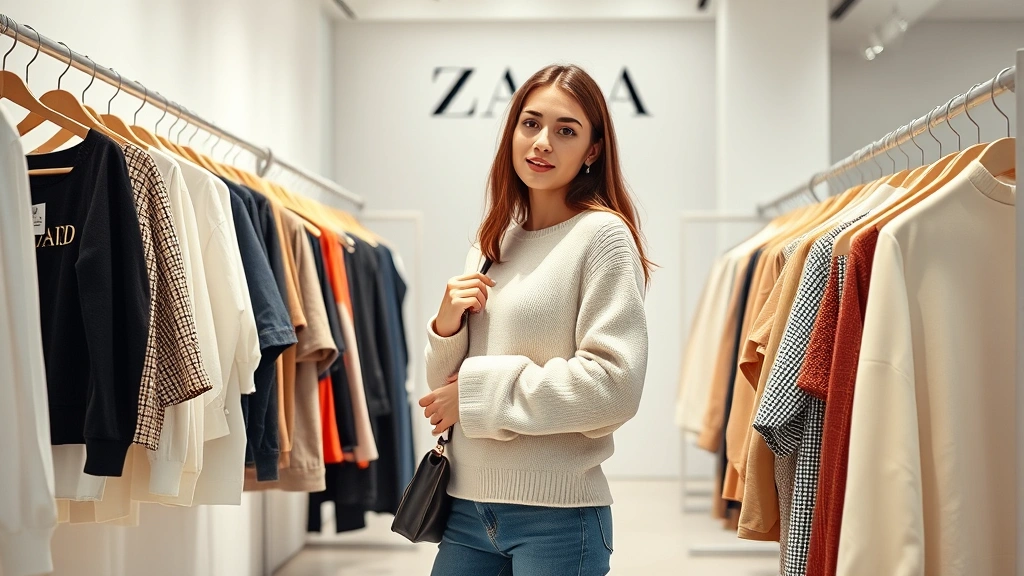
Why Choose Zara? Fast Fashion Insights
Zara has become a household name in the fashion world, representing everything synonymous with fast fashion—rapid trend cycles, affordable pricing, and accessible style. But what exactly makes Zara the go-to destination for millions of fashion enthusiasts worldwide? The answer lies in a carefully orchestrated blend of vertical integration, trend forecasting, and an unwavering commitment to speed. Unlike traditional retailers who wait months for collections to reach stores, Zara operates on a fundamentally different model that has revolutionized how we consume fashion.
The Spanish fashion giant has mastered the art of translating runway trends into wearable pieces that land on store shelves in mere weeks. This agility isn’t accidental—it’s the result of decades of strategic planning, technological innovation, and a deep understanding of consumer behavior. Whether you’re exploring different types of fashion styles or simply seeking wardrobe staples, Zara’s approach offers compelling advantages that extend far beyond basic affordability.
Understanding why Zara dominates the fast fashion landscape requires examining the mechanics of their operation, their ethical considerations, and how they continue to influence global fashion trends. This comprehensive guide explores the multifaceted reasons behind Zara’s enduring appeal and explains is Zara fast fashion—spoiler alert: yes, it absolutely is, and that’s precisely why consumers love it.
The Fast Fashion Business Model Explained
Fast fashion represents a paradigm shift in retail strategy, prioritizing rapid production cycles and constant inventory turnover over seasonal collections. This model emerged in the 1990s and fundamentally changed how consumers interact with clothing. Rather than waiting for spring or fall collections, fast fashion retailers introduce new items continuously—sometimes weekly—ensuring that stores always feature fresh merchandise.
Zara epitomizes this approach with precision. The company produces smaller quantities of each design, creating a sense of scarcity that encourages immediate purchase decisions. This psychology-driven strategy means that if you see something you love, you must buy it immediately because it likely won’t be restocked. This contrasts sharply with traditional retail, where bestsellers remain available for extended periods.
The fast fashion model also relies on responding to street style, celebrity fashion, and social media trends in real-time. Zara employs teams of trend scouts who attend fashion weeks globally, monitor social platforms, and analyze customer purchasing patterns. This data feeds directly into design studios where pieces are conceptualized, produced, and distributed at unprecedented speeds. The entire process—from identifying a trend to having it available in stores—takes approximately two weeks.
For those interested in understanding fashion beyond the consumer perspective, exploring how to become a fashion designer reveals how traditional design education contrasts with fast fashion production methodologies. Fast fashion designers operate under constraints that traditional fashion designers never face: extreme time limitations and cost parameters that demand innovative problem-solving.
Zara’s Vertical Integration Strategy
What truly distinguishes Zara within the fast fashion ecosystem is its vertical integration—controlling virtually every aspect of the supply chain from design through retail. While most competitors outsource manufacturing to various third-party factories, Zara maintains ownership of approximately 50-60% of its manufacturing operations, with strategic partnerships for the remainder.
This vertical integration provides unprecedented control over quality, timing, and costs. When Zara owns its factories, it eliminates intermediaries and communication delays. Design changes can be implemented immediately. Production schedules can be adjusted within hours. Quality standards remain consistent across all products. This level of control is impossible for competitors who juggle multiple external manufacturers across different continents.
The company’s supply chain infrastructure is equally impressive. Zara operates its own distribution centers strategically positioned worldwide, ensuring that products reach stores with minimal delay. Additionally, Zara controls its logistics, employing dedicated transportation networks rather than relying on third-party shipping companies. This vertical mastery means Zara can guarantee delivery timelines that competitors simply cannot match.
Furthermore, Zara’s ownership of design, production, and distribution allows for dynamic pricing and inventory management. If a particular item isn’t selling, production stops immediately, preventing overstock situations. If something sells exceptionally well, production ramps up rapidly. This responsiveness to market signals minimizes waste and maximizes profitability—a crucial advantage in an industry where excess inventory directly impacts profit margins.
Speed to Market: The Two-Week Phenomenon
Perhaps Zara’s most legendary attribute is its ability to transform a trend into a finished product available in stores within fourteen days. This remarkable speed stems from several interconnected factors that work in concert to create an unparalleled competitive advantage.
Zara’s design teams operate in continuous cycles rather than adhering to traditional seasonal schedules. Instead of designing an entire season’s collection months in advance, Zara’s designers work on rolling collections. Each week, new designs are conceptualized, approved, and sent to production. This constant workflow means there’s always something new in development, always something new coming to stores, and always designers working on the next wave of trends.
The company’s fabric suppliers are contractually obligated to maintain substantial inventory of basic materials. This means designers can select fabrics and begin production immediately without waiting for material procurement. Additionally, Zara maintains relationships with multiple suppliers for each fabric type, preventing bottlenecks when any single supplier faces production constraints.
Production facilities operate with remarkable flexibility. Unlike factories that produce massive runs of single items, Zara’s facilities are designed for quick changeovers and smaller batch production. This requires sophisticated scheduling, cross-trained workers, and advanced machinery—all of which Zara has invested heavily in developing. The company essentially treats manufacturing like a software system that can be reconfigured rapidly.
Distribution speed matches production speed. Zara’s centralized distribution centers use advanced automation and sorting systems that can process thousands of pieces daily. Once items are manufactured, they’re immediately sorted by destination store and shipped. Regional distribution centers ensure that even remote locations receive new inventory frequently—most Zara stores receive shipments twice weekly, compared to industry averages of once monthly.
Trend Forecasting and Consumer Insights
Zara’s success depends fundamentally on accurate trend forecasting. The company invests extensively in understanding what consumers want before they fully realize it themselves. This forward-thinking approach combines traditional market research with cutting-edge analytics.
Zara maintains a global team of trend forecasters who attend major fashion weeks in Paris, Milan, New York, and London. These professionals document runway presentations, photograph key pieces, and analyze designer intentions. Simultaneously, other teams monitor street style photographers, analyze social media platforms like Instagram and TikTok, and review celebrity fashion choices. This multi-source intelligence gathering provides comprehensive insight into emerging trends.
The company also leverages its retail presence for real-time consumer feedback. Store managers submit detailed reports about which items customers try on, which they purchase, and which they ignore. They note customer comments and requests. This ground-level intelligence flows directly to design headquarters, where it informs immediate decisions about design modifications, color adjustments, and production quantities.
Zara’s point-of-sale systems capture granular sales data that’s analyzed to identify emerging preferences. If a particular silhouette or color is selling exceptionally well in certain markets, that information triggers immediate design responses. If a style that seemed promising isn’t resonating with consumers, production halts immediately, preventing wasted resources on unpopular items.
For those pursuing fashion design degree programs, understanding how companies like Zara utilize data analytics represents a crucial modern skill. Contemporary fashion design isn’t purely creative; it’s increasingly data-driven, combining artistic vision with consumer behavior insights.
Affordability Without Compromising Style
One of Zara’s most compelling value propositions is delivering fashionable, well-designed pieces at remarkably accessible price points. This affordability doesn’t stem from cutting corners on quality; rather, it results from operational efficiency and production scale.
By controlling its supply chain vertically, Zara eliminates middleman markups that traditional retailers must absorb. When a fashion house sells to distributors who sell to retailers, each intermediary adds margin. Zara bypasses these layers, purchasing fabric directly from mills and producing in-house, dramatically reducing costs per unit.
The company’s smaller production runs also reduce risk and waste. Rather than manufacturing 50,000 units of a design that might not sell, Zara produces 5,000 units. If it sells well, production increases. This approach minimizes markdowns and clearance sales, which damage profit margins. Traditional retailers often sell 40-50% of inventory at discounted prices; Zara’s clearance rates are significantly lower, meaning full-price sales dominate revenue.
Zara’s real estate strategy also contributes to affordability. The company invests in high-visibility locations but maintains relatively modest store sizes compared to competitors. This reduces real estate costs while maintaining brand presence. Additionally, Zara’s minimal advertising approach—the company spends virtually nothing on traditional advertising—redirects resources toward product development and pricing.
The result is a fascinating economic model: Zara offers fashion-forward pieces that compete with luxury brands aesthetically while maintaining price points that rival discount retailers. This positioning appeals to style-conscious consumers who want trendy, well-designed clothing without luxury brand price tags or discount store quality compromises.
Sustainability and Ethical Considerations
As fast fashion faces increasing scrutiny regarding environmental and ethical impacts, Zara has become more transparent about sustainability efforts. The company acknowledges that fast fashion’s rapid production cycles inherently create environmental challenges, and it’s implementing strategies to mitigate negative impacts.
Zara has committed to using sustainable materials, with targets to increase organic cotton, recycled fabrics, and other eco-friendly materials in collections. The company has implemented water reduction initiatives in manufacturing facilities and committed to renewable energy usage. Additionally, Zara has established responsible sourcing policies ensuring that supplier factories maintain safe working conditions and fair wages.
However, it’s important to recognize that fast fashion’s fundamental model—encouraging rapid consumption and frequent purchases—conflicts with sustainability principles. Even with improved materials and ethical practices, the fast fashion model generates substantial textile waste. Consumers who buy more frequently, even if each purchase is affordable, ultimately purchase more clothing overall.
Zara has launched take-back programs allowing customers to return unwanted clothing for recycling, addressing end-of-life product concerns. The company also publishes transparency reports detailing supply chain practices, manufacturing locations, and sustainability metrics. These efforts represent genuine progress, though critics argue that true sustainability requires reducing consumption rather than simply improving production methods.
For fashion professionals and aspiring designers, understanding fashion design software increasingly includes tools for assessing environmental impact. Modern design education emphasizes sustainable practices, reflecting industry recognition that future fashion must balance style with environmental responsibility.
Global Expansion and Market Dominance
Zara’s parent company, Inditex, has orchestrated remarkable global expansion, establishing Zara as one of the world’s largest fashion retailers. The company operates over 2,000 stores across more than 90 countries, making it ubiquitous in global fashion retail.
Zara’s expansion strategy differs from typical retail chains. Rather than flooding markets with stores simultaneously, Zara expands gradually, establishing strong market positions in key cities before expanding to secondary markets. This measured approach allows the company to maintain quality control and ensure supply chain efficiency across all locations.
The company adapts collections slightly for regional preferences while maintaining core brand identity. Zara in Japan features slightly different silhouettes and color palettes than Zara in Spain, reflecting local aesthetic preferences. This localization strategy respects cultural differences while leveraging the global brand power.
Zara’s dominance in specific markets is striking. In many European cities, Zara stores occupy premium retail locations, often commanding more foot traffic than luxury brand competitors. In the United States, where Zara arrived later than in Europe, the brand has established strong positions in major metropolitan areas and continues expanding. Even in challenging markets like Asia, where numerous local competitors exist, Zara maintains substantial market share.
This global success reflects the universal appeal of Zara’s value proposition: fashionable, quality clothing at accessible prices. Regardless of geographic location or local fashion preferences, consumers worldwide appreciate the ability to purchase trendy pieces without luxury brand price tags.
The Zara Shopping Experience
Beyond products and business models, Zara has cultivated a distinctive shopping experience that reinforces brand loyalty and drives repeat purchases. The physical store environment, customer service approach, and omnichannel integration all contribute to Zara’s retail success.
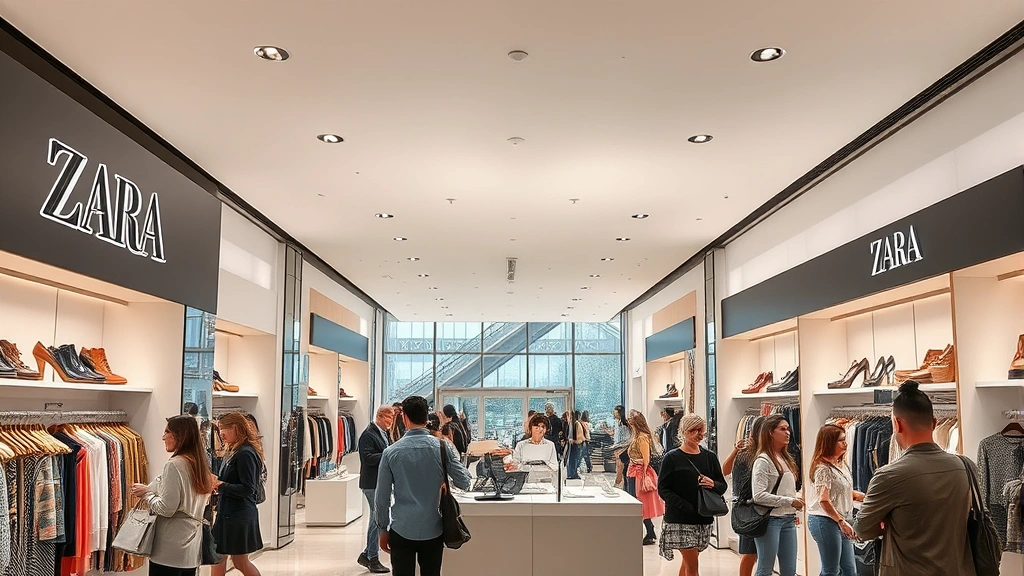
Zara stores feature minimalist, modern design that emphasizes products over decoration. White walls, simple fixtures, and strategic lighting create an upscale aesthetic that elevates merchandise presentation. Unlike traditional retailers where store design communicates luxury through opulence, Zara’s restraint communicates luxury through simplicity and sophistication. This design approach makes affordable pieces feel more premium.
The company maintains strict inventory presentation standards. Rather than crowded racks with numerous sizes of each item, Zara displays carefully curated quantities. This scarcity principle psychologically reinforces exclusivity; customers feel they’re discovering unique pieces rather than selecting from abundant inventory. It also drives faster decision-making—if you love something, you buy it immediately rather than deliberating.
Zara’s customer service emphasizes efficiency and respect for consumer autonomy. Store staff are trained to assist when requested but respect customers who prefer independent browsing. Fitting rooms are spacious and well-lit. Return policies are straightforward. Checkout processes are streamlined. These operational details create a pleasant shopping experience that encourages repeat visits.
The omnichannel integration is equally sophisticated. Zara’s website mirrors store inventory, allowing customers to check availability before visiting stores. Online orders can be picked up at nearby locations, providing flexibility. Returns can be processed at any store, regardless of purchase location. This seamless integration between physical and digital channels recognizes that modern consumers navigate both channels fluidly.
For those interested in retail careers, exploring fashion careers in NYC and similar major markets reveals how companies like Zara structure retail operations and customer service. The company’s retail success depends on well-trained teams executing standardized procedures across diverse locations.
FAQ
Is Zara considered fast fashion?
Yes, absolutely. Zara is widely recognized as a fast fashion pioneer and leader. The company exemplifies fast fashion through rapid production cycles, constant inventory turnover, trend-responsive design, and affordable pricing. Zara’s ability to produce and distribute new designs within two weeks defines modern fast fashion practices.
Why is Zara so popular?
Zara’s popularity stems from multiple factors: fashionable designs that rival luxury brands, prices accessible to average consumers, constant inventory refreshes ensuring novelty, quality that exceeds typical fast fashion standards, and an efficient supply chain that makes trendy pieces available quickly. The combination of style, affordability, and availability creates compelling appeal.
Is Zara ethical and sustainable?
Zara has implemented sustainability initiatives including eco-friendly materials, water reduction, renewable energy, and ethical labor practices. However, the fast fashion model inherently encourages consumption, creating environmental challenges. While Zara is improving sustainability, true environmental responsibility would require reducing consumption rather than simply improving production methods.
How does Zara produce so quickly?
Zara’s speed results from vertical integration controlling design through retail, continuous production cycles rather than seasonal collections, in-house manufacturing facilities, strategic fabric supplier relationships, advanced distribution infrastructure, and sophisticated data analytics informing design decisions. These interconnected systems enable the remarkable two-week production timeline.
Where does Zara manufacture clothing?
Zara manufactures approximately 50-60% of products in company-owned facilities, primarily located in Spain and Portugal. The remaining 40-50% is produced through strategic partnerships with external manufacturers, primarily in Asia. This combination of in-house and external production provides flexibility while maintaining quality control.
How often does Zara introduce new items?
Zara introduces new designs continuously, with most stores receiving fresh inventory twice weekly. Over the course of a year, Zara introduces significantly more styles than traditional retailers—estimates suggest 20,000+ new designs annually compared to 2,000-4,000 for traditional fashion retailers.
External References: