Gilded Age Fashion: Expert Insights & Trends
The Gilded Age, spanning roughly 1870 to 1900, represents one of fashion history’s most opulent and transformative periods. During this era of unprecedented wealth and industrial expansion in America, fashion became the ultimate expression of status, sophistication, and social standing. From the intricate silhouettes of women’s gowns to the refined tailoring of men’s suits, every garment told a story of ambition, elegance, and cultural refinement that continues to inspire contemporary designers and fashion enthusiasts today.
Understanding Gilded Age fashion offers more than historical appreciation—it provides invaluable insights into how clothing communicates power, identity, and aspiration. The period’s aesthetic principles, structural innovations, and decorative philosophies remain profoundly relevant to modern style. Whether you’re drawn to the drama of Victorian silhouettes, the richness of beaded embellishments, or the architectural precision of tailored pieces, Gilded Age fashion represents a masterclass in intentional dressing that transcends time.
Women’s Silhouettes and Structural Innovation
The most iconic element of Gilded Age fashion was undoubtedly the exaggerated silhouette created through revolutionary corsetry and structural engineering. Women’s fashion during this period evolved dramatically, moving from the relatively modest lines of the 1870s to the dramatic S-bend corset of the 1890s. This transformation wasn’t merely aesthetic—it represented technological advancement, social attitudes, and the fashion industry’s growing sophistication.
The Gibson Girl ideal emerged during the 1890s, popularized by illustrator Charles Dana Gibson’s drawings. This aesthetic celebrated a more athletic, statuesque female form compared to earlier decades, yet still maintained the period’s signature corseted silhouette. The Gibson Girl represented a new kind of femininity: confident, educated, and socially active, yet unmistakably feminine and fashionable. Her influence extended far beyond illustration, directly shaping how women dressed, moved, and presented themselves in society.
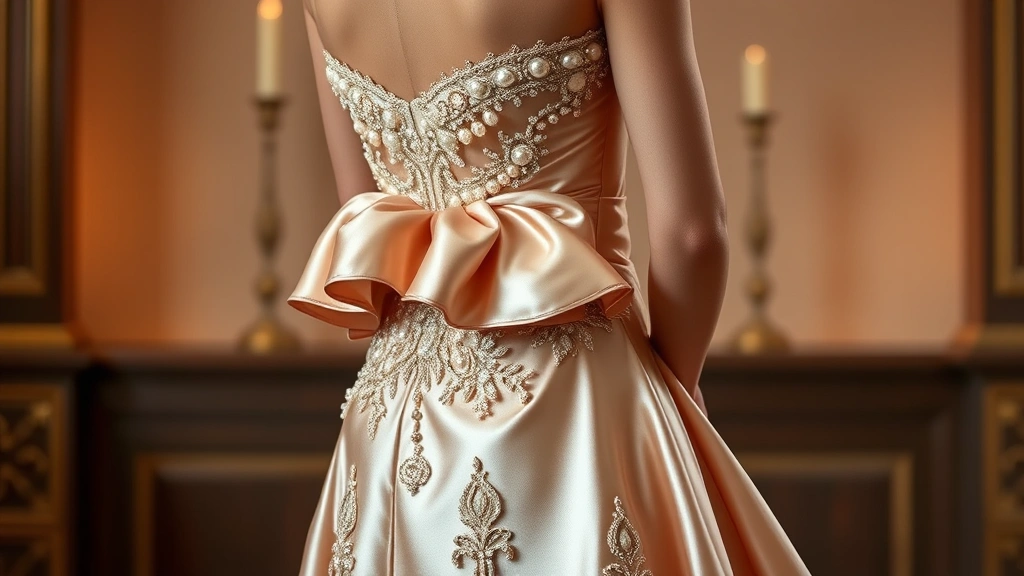
Bustles, those architectural frameworks that extended the skirt dramatically at the back, underwent significant evolution during the Gilded Age. Early 1870s bustles were relatively modest, but by the 1880s, they had become extraordinarily prominent—sometimes extending up to eighteen inches from the body. This structural innovation required incredible skill from seamstresses and demonstrated the wearer’s access to expensive materials and expert craftsmanship. The complexity of draping fabric over these structures, combined with the intricate pleating and gathering required, made each bustle gown a remarkable feat of textile engineering.
Skirts themselves were marvels of construction, often containing multiple layers of different fabrics. A typical Gilded Age gown might feature a foundation layer of linen, topped with horsehair crinolines or other stiffening materials, followed by the fashion fabric itself, and finally elaborate trims, laces, and embellishments. This layering created the desired volume while allowing the outer fabric to drape elegantly. The skill required to construct such garments meant that only wealthy women could afford them, making these gowns powerful status symbols.
When exploring how to find your personal style, understanding historical silhouettes provides valuable perspective on how structure and proportion communicate aesthetic intention. The Gilded Age demonstrates that fashion’s power lies not just in fabrics and colors, but in the architectural principles underlying a garment’s construction.
Luxurious Materials and Ornamental Details
The Gilded Age earned its name partly through the literal and figurative richness of materials employed in fashionable dress. Silk in all its varieties—taffeta, satin, damask, and velvet—dominated high fashion. These materials were expensive, required careful handling, and visibly displayed wealth through their lustrous appearance and distinctive texture. Silk’s inherent properties made it ideal for the period’s construction techniques, as it held shape beautifully and responded magnificently to the elaborate embellishments that characterized Gilded Age design.
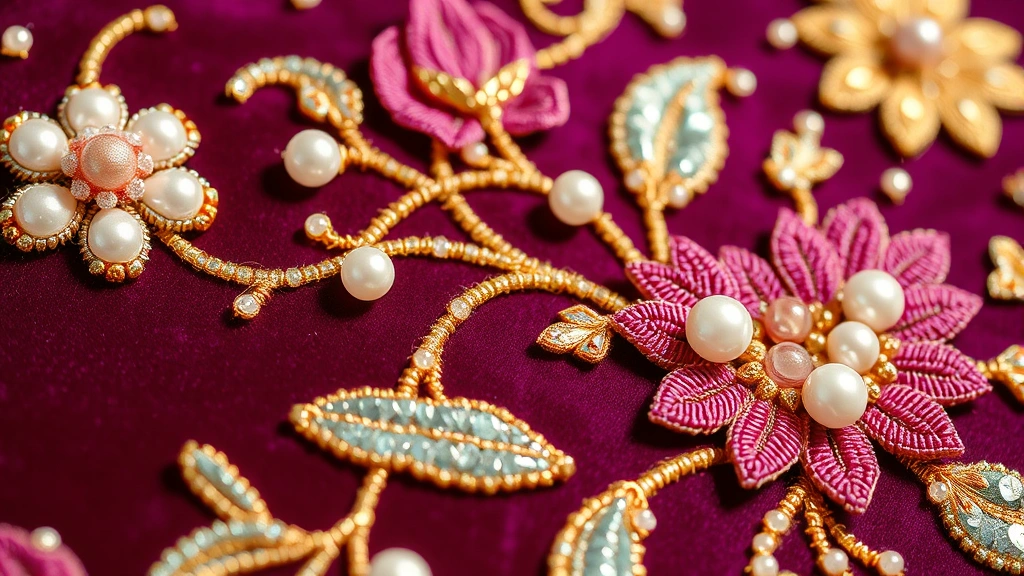
Beadwork reached unprecedented levels of complexity and artistry during this era. Gowns could be entirely covered in beads, creating shimmering, light-reflecting surfaces that were absolutely breathtaking in gaslit ballrooms. These beads were applied individually by hand, a process requiring hundreds of hours of meticulous labor. The beading patterns ranged from geometric designs to elaborate floral motifs, botanical representations, and abstract compositions. Some of the most spectacular gowns featured beading that incorporated gold and silver threads, creating three-dimensional effects and catching light dramatically with every movement.
Lace represented another crucial element of Gilded Age luxury. Machine-made lace had become increasingly sophisticated by the 1870s and 1880s, allowing for more intricate patterns than ever before. However, hand-made lace remained the ultimate luxury, particularly Venetian lace and Brussels lace. These precious laces were often used as overlays on silk gowns, creating depth and visual interest while showcasing the wearer’s refined taste and substantial wealth. The transparency of lace allowed for sophisticated layering effects, where colored silk beneath sheer lace created subtle optical effects.
Embroidery flourished during the Gilded Age, with designers and seamstresses employing increasingly elaborate techniques. Silk thread embroidery in countless colors created painterly effects on fabric surfaces. Some gowns featured embroidery so dense and complex that the original fabric was barely visible beneath the needle work. This embroidery was often concentrated in specific areas—around necklines, down bodice fronts, along hem edges, and across bustle areas—creating focal points that drew the eye and emphasized the garment’s construction.
Fur and feathers provided additional luxury and drama to Gilded Age ensembles. Fur trim adorned necklines, cuffs, and hem edges, signaling wealth and fashion awareness. Ostrich feathers, particularly popular during the 1890s, were incorporated into hats, bodices, and skirt trims. These feathers were incredibly expensive and required careful handling, making them ultimate status symbols. The movement of feathers added kinetic beauty to gowns, creating visual interest with every gesture.
Men’s Fashion and Tailoring Excellence
While women’s fashion dominated Gilded Age visual culture, men’s fashion underwent its own significant evolution during this period. The three-piece suit became the standard uniform for respectable men, with cut, fabric quality, and tailoring precision serving as markers of social position and taste. Unlike women’s fashion, which emphasized decoration and ornamentation, men’s fashion expressed status through subtlety: the quality of fabric, the precision of tailoring, the refinement of construction details.
Tailoring during the Gilded Age reached extraordinary levels of sophistication. Master tailors understood how to construct jackets that emphasized the chest while minimizing the waist, creating an idealized masculine silhouette. The engineering of sleeve construction, the placement of seams, and the internal structure of jackets all contributed to a garment’s quality and appearance. A well-made Gilded Age jacket could last decades and actually improve with age, as the structure settled and the fabric developed character.
Fabrics for men’s clothing emphasized quality and subtle distinction rather than ostentation. Fine worsteds, twills, and other high-quality materials in dark colors—black, charcoal, navy, and rich browns—dominated men’s wardrobes. The sophistication lay in the fabric’s weight, weave, and finish rather than pattern or color. Subtle plaids, checks, and stripes provided visual interest without appearing flashy or inappropriate.
Accessories for men held tremendous importance during the Gilded Age. Waistcoats in contrasting fabrics or colors added personality to ensembles while remaining appropriately formal. Neckwear, whether cravats or ties, provided opportunities for displaying taste and wealth through fabric quality and subtle patterns. Pocket watches, watch chains, cufflinks, and studs allowed men to incorporate precious metals and gems into their wardrobes in socially acceptable ways.
The distinction between formal daywear and evening wear became increasingly codified during the Gilded Age. Morning coats, frock coats, and dinner jackets each had specific occasions and construction details. Understanding these distinctions and dressing appropriately demonstrated social competence and respect for social conventions. This formality extended even to sporting wear and leisure clothing, which maintained refinement and proper tailoring even when less formal than evening wear.
Accessories and Jewelry as Status Symbols
Accessories in Gilded Age fashion served as crucial expressions of wealth and taste, often determining whether an ensemble appeared merely fashionable or truly distinguished. Jewelry represented perhaps the most direct expression of financial resources, with diamonds, pearls, rubies, sapphires, and emeralds all appearing in abundance among wealthy women. The jewelry of the Gilded Age featured increasingly sophisticated designs, as jewelers developed new techniques for setting stones and creating intricate metalwork.
Diamonds gained particular prominence during the Gilded Age, as improved cutting techniques made stones more brilliant and the increased availability of diamonds from African mines made them more accessible to wealthy Americans. Jewelry designs often featured asymmetrical arrangements, mixed metals, and innovative settings that showcased stones dramatically. Parures—matched sets of jewelry including necklace, earrings, bracelets, and brooch—allowed wealthy women to create coordinated, visually stunning ensembles.
Hats achieved extraordinary importance during the Gilded Age, serving as canvases for millinery artistry. Women’s hats grew increasingly large and elaborate, often measuring over a foot in diameter and decorated with feathers, flowers, ribbons, lace, and sometimes even small birds. These creations required skilled millinery work and represented significant investments. The hat became so important to fashionable appearance that no respectable woman would appear in public without one. Similarly, fashion for women over 50 during this period also emphasized the hat as a statement piece that could elevate an entire ensemble.
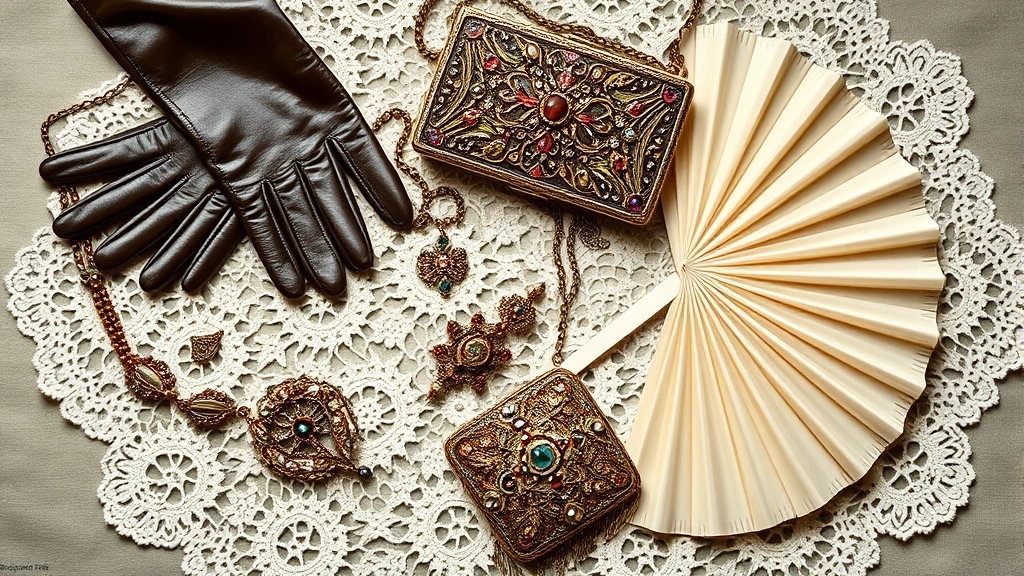
Gloves were essential accessories that carried their own social significance. Long kid leather gloves in white, ivory, or pale colors were standard for formal occasions, while shorter gloves in various colors and materials suited daytime wear. The quality of glove leather, the precision of the fit, and the condition of the gloves all communicated information about the wearer’s social standing and attention to detail. Gloves were so important that removing or damaging them represented a social transgression.
Bags, fans, and parasols rounded out the accessory palette. Beaded bags and jeweled purses held personal items and provided opportunities to display wealth and taste. Fans, particularly those made from ivory, mother-of-pearl, or silk, served both practical and decorative purposes. Parasols protected fair skin while serving as fashion accessories, available in luxurious fabrics and decorated with lace, fringe, and jeweled handles.
Color Palettes and Dyeing Techniques
Color during the Gilded Age reflected both artistic sensibility and technological capability. The development of synthetic aniline dyes during the 1850s revolutionized color possibilities, allowing for brighter, more saturated hues than natural dyes could produce. Rich jewel tones—deep emerald, sapphire blue, ruby red, and amethyst purple—dominated fashionable palettes. These colors were particularly stunning when used for evening wear, where gaslight would make them glow luminously.
Black held particular significance during the Gilded Age, both as a color of mourning and as a color of sophisticated elegance. The quality of black dyes improved considerably during this period, allowing for deeper, richer blacks that didn’t fade to brown. Black silk, particularly when embellished with jet beading or lace, represented peak elegance and luxury.
Pastels and lighter colors dominated daytime wear, with pale pink, lavender, pale blue, and cream appearing frequently. These lighter colors required careful handling and maintenance, making them impractical for anything but formal daytime occasions. The contrast between the practical dark colors of everyday wear and the elaborate pastels of formal daytime dress highlighted the class distinctions that permeated Gilded Age society.
Ombre effects and color gradations appeared in both fabrics and embellishments, creating visual depth and sophistication. Silk ribbons in multiple coordinating shades might be layered and arranged to create subtle color transitions. Beading in slightly varying hues created shading effects that enhanced the three-dimensional quality of embellishments.
Contemporary Designers Embracing Gilded Age Aesthetics
The opulent beauty and structural sophistication of Gilded Age fashion continues to inspire contemporary designers and fashion houses. The period’s emphasis on exquisite craftsmanship, luxurious materials, and architectural silhouettes aligns with modern luxury fashion’s values. Several major designers have explicitly drawn inspiration from this era, creating collections that reinterpret Gilded Age elements through contemporary sensibilities.
According to Vogue, historical fashion references remain central to contemporary luxury design, with Gilded Age aesthetics appearing regularly on international runways. Designers appreciate the period’s approach to structure and ornamentation, translating 19th-century corsetry and embellishment techniques into modern silhouettes that feel both historical and contemporary.
The revival of corsetry in high fashion directly traces to renewed appreciation for Gilded Age construction techniques. Contemporary corset-inspired pieces appear in collections from luxury houses, reinterpreting Victorian structure through modern fabrics and sensibilities. These pieces celebrate the body while honoring historical craftsmanship, demonstrating that Gilded Age construction methods remain relevant and desirable.
Beading and embellishment techniques pioneered during the Gilded Age continue to appear in contemporary evening wear. Modern artisans employ hand-beading techniques remarkably similar to those used in the 1880s and 1890s, creating gowns that rival historical pieces in complexity and beauty. The labor-intensive nature of hand-beading makes these pieces luxury items, connecting them directly to the exclusivity and prestige of Gilded Age originals.
Fashion institutes and design schools increasingly incorporate Gilded Age fashion into their curricula, recognizing the period as a crucial case study in construction, embellishment, and the relationship between fashion and social structure. Understanding how Gilded Age designers solved construction problems and created visual impact informs contemporary fashion education and practice.
How to Incorporate Gilded Age Elements into Your Wardrobe
While wearing a full Gilded Age ensemble might not suit contemporary lifestyles, incorporating elements of this aesthetic into modern wardrobes allows you to access the period’s elegance and sophistication. The key lies in understanding which elements translate effectively to modern contexts and how to balance historical references with contemporary sensibility.
Start by exploring Style Loom Daily Blog for contemporary takes on historical fashion elements. Understanding how modern stylists approach historical references provides valuable inspiration for creating your own Gilded Age-inspired looks. The blog offers practical advice for translating historical aesthetics into wearable, contemporary ensembles.
Corset-inspired silhouettes offer one of the most accessible entry points into Gilded Age aesthetics. Contemporary corset belts, corset tops, and structured bodices capture the period’s emphasis on defined waistlines and architectural silhouettes without requiring the full understructure of historical corsetry. Pairing a corset belt with a simple dress or blouse creates visual interest and references Gilded Age structure.
Luxurious fabrics provide another avenue for incorporating Gilded Age sensibility. Invest in high-quality silks, velvets, and other sumptuous materials that echo the period’s emphasis on fabric quality. A silk blouse or velvet jacket immediately elevates an ensemble and channels Gilded Age sophistication. The luminosity and tactile richness of these fabrics create the visual interest that characterized period fashion.
Beading and embellishment offer opportunities for subtle or dramatic Gilded Age references. Beaded jackets, embellished evening wear, or even beaded accessories bring the period’s ornamental sensibility into contemporary wardrobes. Modern beading techniques allow for more minimalist approaches than historical pieces, making embellishment feel contemporary while honoring historical precedent.
Statement jewelry inspired by Gilded Age designs provides another accessible entry point. Look for pieces featuring multiple stones, asymmetrical designs, or mixed metals that echo period aesthetics. Chandelier earrings, multi-strand necklaces, and ornate brooches all reference Gilded Age jewelry without requiring authentic vintage pieces.
For those interested in more extensive exploration of historical fashion, fashion design degree programs offer opportunities to study historical construction techniques and design principles in depth. Understanding the technical aspects of Gilded Age garment construction enhances appreciation for both historical pieces and contemporary designs inspired by the era.
Color choices can reference Gilded Age palettes without requiring historically accurate silhouettes. Deep jewel tones—emerald, sapphire, ruby, and amethyst—immediately evoke the period’s luxury and sophistication. These colors in contemporary silhouettes create an aesthetic that feels both historical and modern, bridging past and present sensibilities.
Layering techniques used in Gilded Age fashion translate beautifully to contemporary dressing. The period’s approach to combining fabrics, textures, and materials to create visual depth and interest remains relevant. Layering a silk camisole beneath a sheer blouse, adding a lace overlay, or combining multiple textures creates the sophisticated visual complexity that characterized Gilded Age ensembles.
Hats and millinery provide opportunities for dramatic Gilded Age references. While contemporary hats need not match historical proportions, incorporating vintage-inspired millinery pieces into modern wardrobes channels the period’s emphasis on dramatic accessories. A statement hat can transform an ordinary outfit into something distinctly Gilded Age-inspired.
Consider exploring Fashion Nova Dresses for contemporary pieces that sometimes feature structured silhouettes and embellishment approaches with historical resonance. Modern designers increasingly reference historical fashion, creating pieces that honor tradition while maintaining contemporary relevance.
Accessories deserve particular attention when incorporating Gilded Age elements. Gloves, whether long or short, add instant period sophistication. Beaded bags, jeweled brooches, and ornate belts all provide accessible ways to reference the period. These accessories can transform a simple contemporary outfit into something with distinct Gilded Age flavor.
Finally, understanding the philosophy underlying Gilded Age fashion—that clothing communicates status, taste, and identity—provides the most valuable guidance for contemporary application. The period emphasized intentional, purposeful dressing where every element contributed to an overall aesthetic vision. Approaching your own wardrobe with this intentionality, selecting pieces that work together coherently and reflect your personal aesthetic, channels the true spirit of Gilded Age fashion.
FAQ
What were the most important elements of Gilded Age women’s fashion?
The most crucial elements included exaggerated silhouettes created through corsetry and bustles, luxurious fabrics like silk and velvet, elaborate beading and embroidery, and ornate accessories. These elements combined to create the distinctive look that defined the era.
How did Gilded Age fashion differ between daytime and evening wear?
Daytime wear featured lighter colors, simpler silhouettes, and more practical construction, though still maintaining elegance and refinement. Evening wear showcased darker, richer colors, maximum embellishment, and the most dramatic silhouettes. The contrast emphasized the formality and importance of evening social occasions.
What role did corsets play in Gilded Age fashion?
Corsets served as the foundational structure for Gilded Age silhouettes, creating the exaggerated curves and defined waistlines that characterized the period. They represented technological advancement, skilled craftsmanship, and wealth, as only wealthy women could afford quality corsets.
How can I authentically recreate Gilded Age fashion today?
Focus on silhouette, materials, and embellishment rather than trying to replicate historical pieces exactly. Incorporate structured pieces, luxurious fabrics, statement jewelry, and dramatic accessories. Understanding the period’s design principles allows you to create contemporary interpretations that honor historical aesthetics.
Where can I find inspiration for Gilded Age-inspired contemporary fashion?
Look to fashion history resources, museum collections, contemporary designer collections inspired by the period, and fashion blogs that explore historical references. Architectural Digest and similar publications often feature articles on historical fashion and its contemporary influence. Additionally, The Metropolitan Museum of Art offers extensive resources on historical fashion, including detailed images and information about Gilded Age garments.
Why is Gilded Age fashion still relevant today?
The period’s emphasis on quality, craftsmanship, and intentional design remains profoundly relevant. In an era of fast fashion, Gilded Age principles of investing in beautiful, well-made pieces that last years or decades offer valuable guidance. The period also demonstrates how fashion communicates identity and values, a lesson that transcends any particular era.
What’s the difference between Victorian and Gilded Age fashion?
While overlapping chronologically, Gilded Age fashion refers specifically to American fashion during the period of rapid industrialization and wealth accumulation (1870-1900). It shares many characteristics with Victorian fashion but emphasizes American prosperity and emerging design innovations. Gilded Age fashion tended toward greater ornamentation and more dramatic silhouettes than earlier Victorian styles.