
Is Futuristic Fashion Here? Expert Insights on Tomorrow’s Style Today
The fashion industry stands at an inflection point where imagination meets innovation. Futuristic fashion is no longer confined to science fiction films or high-concept runway shows—it’s actively reshaping how we dress, think about textiles, and express ourselves through clothing. From smart fabrics that respond to temperature and light to 3D-printed garments and AI-designed collections, the future of fashion is arriving faster than we anticipated. Industry experts and visionary designers are pushing boundaries, challenging conventional manufacturing, and reimagining what clothing can be in an increasingly digital and sustainable world.
This comprehensive exploration reveals how cutting-edge technology, environmental consciousness, and bold creative vision are converging to transform fashion from a static industry into a dynamic, forward-thinking ecosystem. Whether you’re a fashion enthusiast, a trendsetter, or someone curious about where style is heading, understanding these developments helps you navigate and embrace the exciting evolution of contemporary fashion.
What Defines Futuristic Fashion?
Futuristic fashion represents a paradigm shift in how we conceptualize, create, and consume clothing. It transcends aesthetic trends and encompasses technological integration, sustainable practices, personalization at scale, and the blending of physical and digital fashion experiences. Unlike traditional fashion cycles that revolve around seasonal collections and trend forecasting, futuristic fashion emphasizes adaptability, functionality, and innovation that serves both human needs and environmental concerns.
The definition extends beyond sleek metallic suits or neon-colored ensembles. True futuristic fashion addresses real-world challenges: How can clothing regulate body temperature? Can garments monitor health metrics? Can production methods eliminate waste? Can designs be customized instantly through digital means? These questions drive the innovation happening in design studios, technology labs, and fashion houses worldwide.
When exploring contemporary style evolution, understanding fashion style fundamentals provides context for how futuristic elements integrate with personal expression. Additionally, discovering your personal style becomes increasingly relevant as technology offers unprecedented customization opportunities.
Technology Revolutionizing Fabrics and Materials
The textile foundation of fashion is undergoing radical transformation. Scientists and material engineers are developing fabrics with properties that seemed impossible a decade ago. Graphene-infused textiles conduct electricity while remaining flexible and comfortable. Self-cleaning fabrics use nanotechnology to repel stains and bacteria, reducing water consumption in laundering. Thermochromic materials change color based on temperature fluctuations, creating dynamic visual effects.
Researchers at leading fashion technology institutes are creating lab-grown leather and mycelium-based materials that replicate traditional leather’s properties without animal agriculture or toxic chemical processing. These bio-fabricated alternatives deliver sustainability without sacrificing luxury or performance. Spider silk proteins are being synthesized to create ultra-strong yet lightweight fibers that outperform conventional materials.
Phase-change materials originally developed for NASA spacesuits now appear in athletic and luxury fashion. These fabrics absorb, store, and release thermal energy, maintaining optimal body temperature in varying conditions. Temperature-responsive clothing adapts to environmental changes, representing a marriage of fashion and functional engineering.
For those interested in how modern materials influence style choices, exploring contemporary fashion collections showcases how designers incorporate innovative fabrics into wearable designs.
AI and Machine Learning in Design
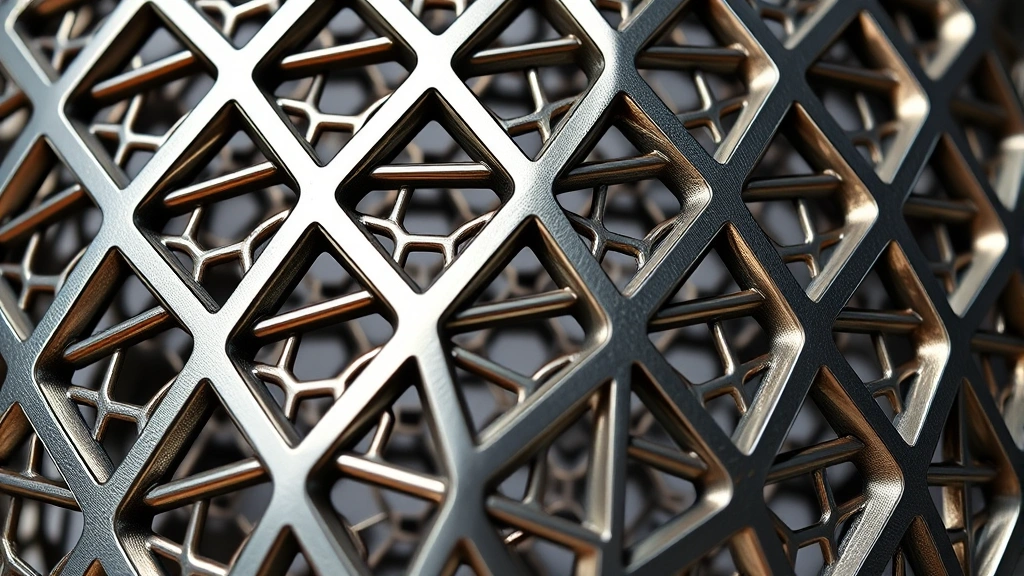
Artificial intelligence is democratizing design and personalizing fashion at unprecedented scales. AI-powered design systems analyze vast databases of historical fashion, current trends, body types, preferences, and cultural contexts to generate original designs tailored to individual specifications. Designers use machine learning algorithms to predict color palettes, silhouettes, and textile combinations that will resonate with target audiences.
Leading fashion publications report that major brands now employ AI to streamline design processes, reducing development time from months to weeks. Generative design tools create thousands of variations from a single conceptual seed, allowing designers to explore possibilities exponentially faster than manual sketching.
Machine learning algorithms analyze consumer behavior, social media sentiment, and global events to forecast emerging trends with remarkable accuracy. Retailers use predictive analytics to optimize inventory, reducing overproduction and waste. Personalization engines recommend outfits based on individual style preferences, body measurements, climate conditions, and upcoming events.
AI also enables virtual try-on technology, allowing customers to visualize garments on their bodies before purchase, dramatically reducing returns and increasing satisfaction. Some platforms use neural networks to suggest style combinations that complement existing wardrobes, helping customers refine their personal aesthetic.
Sustainable Innovation as the Future Foundation
Futuristic fashion cannot exist without sustainability as a foundational principle. The industry is embracing circular economy models where garments are designed for disassembly, repair, and recycling. Modular clothing systems allow customers to swap components—sleeves, panels, closures—extending garment lifespans and enabling style evolution without discarding entire pieces.
Blockchain technology tracks garment origins, materials, and manufacturing conditions, providing transparency that builds consumer trust. Digital product passports document a garment’s complete lifecycle, from raw material sourcing through manufacturing to end-of-life recycling instructions.
Innovative dyeing techniques eliminate toxic chemicals and reduce water consumption by up to 90%. Waterless dyeing processes and digital printing technologies represent major environmental advances. Some companies employ closed-loop production systems where waste from one process becomes feedstock for another, achieving near-zero waste manufacturing.
Circular economy frameworks guide fashion brands toward regenerative practices. Rental and resale platforms extend garment lifecycles, and take-back programs ensure responsible end-of-life management. Sustainable innovation isn’t a compromise on quality or aesthetics—it’s becoming the competitive advantage that defines forward-thinking fashion brands.
Wearable Technology and Smart Clothing
Clothing is becoming intelligent, embedding sensors and processors that enhance functionality and gather meaningful data. Smart fabrics monitor vital signs, track movement patterns, and provide real-time biometric feedback. Athletes wear garments that measure heart rate, muscle activation, and fatigue levels, optimizing performance and preventing injury.
Healthcare applications are particularly promising. Medical-grade smart textiles monitor chronic conditions, alert wearers to health changes, and transmit data to healthcare providers. Elderly individuals benefit from fall-detection clothing that alerts caregivers. Patients with diabetes can wear glucose-monitoring garments that provide continuous readings without painful finger pricks.
Temperature-regulating smart clothing uses embedded microfibers and heating elements to maintain comfort in extreme environments. Workers in cold storage facilities, outdoor laborers, and military personnel benefit from clothing that adapts to conditions. Similarly, cooling garments help athletes and individuals in hot climates maintain optimal temperatures.
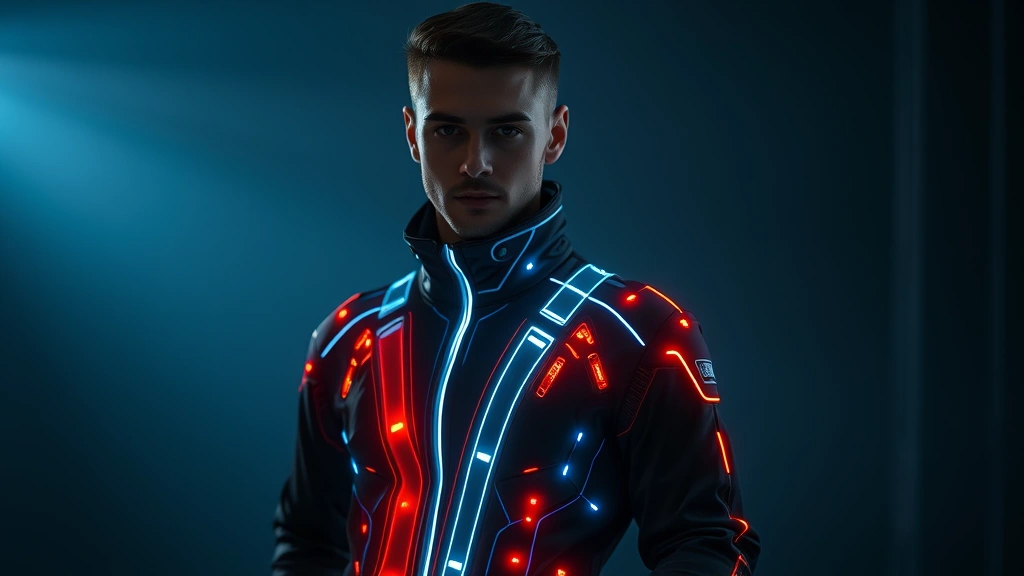
Fashion-forward LED-integrated clothing combines aesthetics with functionality. Garments with embedded lights create stunning visual effects for events, performances, and self-expression. Color-changing smart fabrics respond to environmental triggers, mood, or user preferences, transforming a single garment into multiple visual statements.
Exploring how fashion icons adopt cutting-edge wearable technology reveals how innovation intersects with style leadership.
3D Printing and Digital Fabrication
3D printing technology is revolutionizing garment production, enabling on-demand manufacturing that eliminates inventory waste and enables mass customization. 3D-printed textiles create intricate structures impossible to achieve through traditional weaving or knitting. Designers produce complex geometries, customized fits, and personalized details for individual customers.
Digital fabrication allows designers to iterate designs virtually before producing physical samples, reducing material waste and accelerating development cycles. Customers can customize dimensions, colors, and design elements, receiving truly bespoke garments without the traditional luxury price tag.
Advanced materials suitable for 3D printing include flexible polymers, biodegradable resins, and recycled plastics. Some companies print entire garments from a single material, simplifying recycling. Others create hybrid designs combining 3D-printed structural elements with conventional fabrics for optimal comfort and aesthetics.
The technology democratizes design, enabling emerging designers and small brands to compete with established manufacturers. Without massive factory infrastructure, creators can produce limited quantities of highly innovative designs, fostering creativity and reducing financial barriers to entry.
The Metaverse and Virtual Fashion
Digital fashion exists independently from physical clothing, creating entirely new markets and possibilities. Virtual garments exist only in digital space, worn by avatars in metaverse environments, gaming platforms, and social media. This eliminates material consumption while enabling unlimited creativity—designs can defy physics, change instantly, and exist in multiple variations simultaneously.
Digital fashion assets command real economic value, with virtual designer pieces selling for substantial sums. This creates revenue streams for designers without physical production costs or environmental impact. Major fashion houses now produce digital collections alongside physical lines, recognizing the metaverse as a legitimate fashion frontier.
Phygital fashion bridges physical and digital experiences. Garments include QR codes or NFC chips linking to digital counterparts, augmented reality experiences, and virtual styling tools. Wearing a physical garment unlocks digital versions for gaming or social platforms, creating integrated lifestyle experiences.
The StyleLoom Daily Blog regularly explores how contemporary fashion trends integrate digital elements into modern wardrobes. Virtual fashion also connects to nostalgic design elements, as retro aesthetics find new expression in digital spaces.
Leading Designers Shaping Tomorrow
Visionary designers and fashion houses are actively pioneering futuristic approaches. Progressive design studios experiment with biotechnology, creating living garments and organism-integrated fashion. Some designers collaborate with technologists to embed sensors, LED elements, and interactive components into haute couture.
Emerging designers often lead innovation, unencumbered by legacy manufacturing infrastructure or brand expectations. Design schools worldwide emphasize technological literacy, encouraging graduates to view coding, materials science, and engineering as essential design skills.
Fashion institutes establish innovation labs where designers, engineers, and scientists collaborate on experimental projects. These environments produce breakthrough technologies and methodologies that eventually influence mainstream fashion.
Luxury brands invest heavily in futuristic research, establishing in-house innovation teams and partnering with technology companies. These collaborations produce limited-edition pieces that demonstrate technological capabilities while maintaining artistic vision and aesthetic excellence.
Challenges and Considerations
Despite exciting innovations, significant challenges remain. Cost and accessibility are primary concerns—futuristic fashion technologies often command premium prices, creating barriers for average consumers. Scaling production while maintaining quality and sustainability requires solving complex manufacturing challenges.
E-waste management becomes critical as smart clothing incorporates electronics. Designing truly recyclable smart garments, establishing take-back programs, and developing responsible disposal methods are essential for environmental sustainability.
Data privacy and security present concerns as wearable technology collects intimate biometric information. Establishing clear data governance, encryption standards, and user consent frameworks protects consumers while enabling innovation.
Labor considerations must accompany technological advancement. Automation reduces certain jobs while creating new opportunities. The industry must ensure fair wages, safe working conditions, and pathways for workers to transition into emerging roles.
Consumer education is necessary for widespread adoption. Understanding how to care for smart garments, manage associated apps, and maximize technology benefits requires clear communication and accessible resources.
FAQ
Is futuristic fashion already available for purchase?
Yes, but availability varies. Smart clothing, sustainable innovations, and advanced materials are increasingly available from forward-thinking brands. However, cutting-edge technologies often appear first in limited-edition pieces or high-end collections before reaching mainstream markets. As production scales and costs decrease, futuristic fashion becomes more accessible.
How does futuristic fashion differ from regular fashion trends?
Futuristic fashion emphasizes technological integration, sustainability, and functionality alongside aesthetics. While fashion trends focus on seasonal style cycles, futuristic fashion addresses fundamental questions about how clothing serves human needs and environmental responsibility. It’s a paradigm shift rather than a cyclical trend.
Can futuristic fashion be sustainable?
Absolutely. In fact, sustainability is foundational to responsible futuristic fashion. Innovations in materials, manufacturing processes, and circular economy models ensure that advanced technology serves environmental goals. Digital fashion, 3D printing, and smart textiles all reduce waste and resource consumption compared to conventional manufacturing.
What skills do futuristic fashion designers need?
Modern designers benefit from traditional fashion training combined with technical expertise. Understanding coding, materials science, engineering principles, and digital design tools becomes increasingly valuable. Collaboration skills and interdisciplinary thinking enable designers to work effectively with technologists and scientists.
How will futuristic fashion affect traditional fashion jobs?
Technology will transform rather than eliminate fashion careers. While some traditional roles may diminish, new opportunities emerge in design technology, sustainable sourcing, digital experience creation, and innovation management. The industry must invest in training and education to help workers transition into evolving roles.
When will futuristic fashion become mainstream?
The transition is already underway. Smart textiles, sustainable innovations, and digital fashion are progressively entering mainstream markets. Within 5-10 years, elements currently considered futuristic will likely become standard features in contemporary fashion. The pace depends on cost reduction, consumer adoption, and regulatory support for sustainable practices.